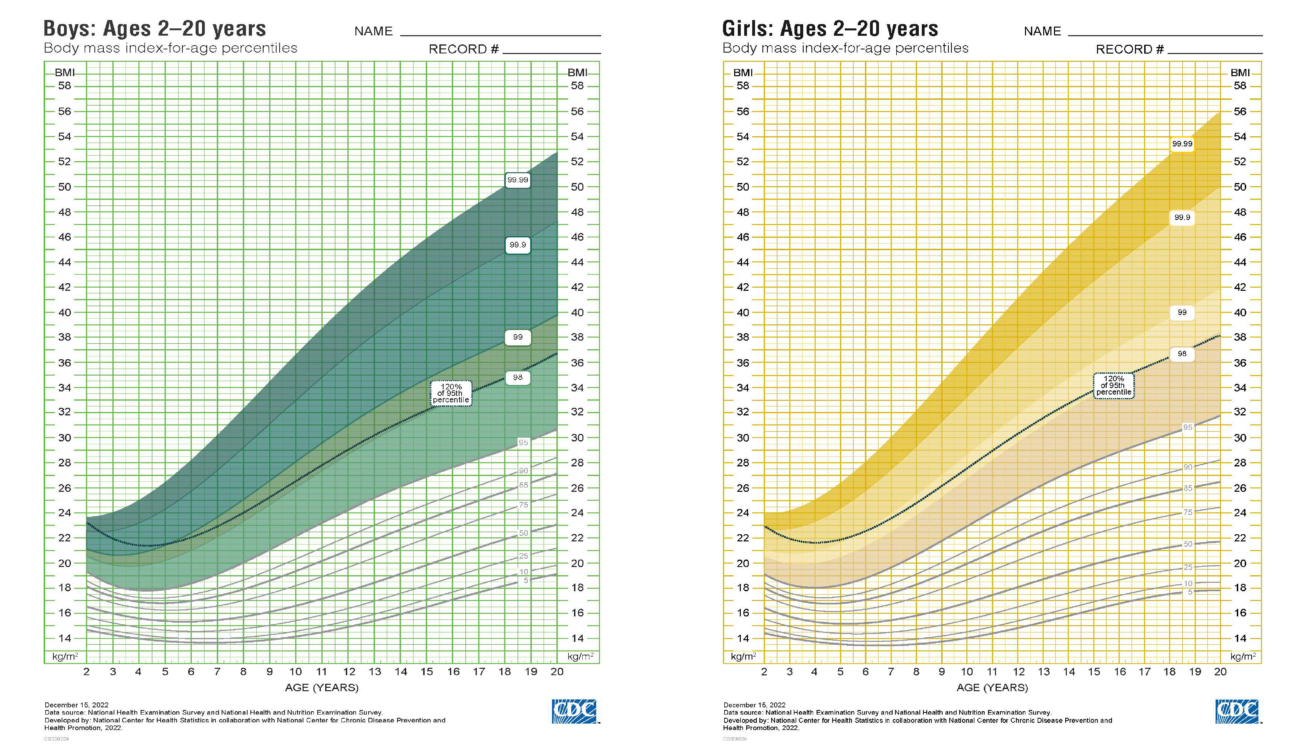
Understanding how weight changes with age can be crucial for parents and caregivers. A Weight Gain With Age Chart is an excellent tool for tracking these changes, allowing you to see patterns and make informed decisions about health and nutrition for your family. This chart can help you visualize growth trends, If you are managing your child’s growth or monitoring your own health as you age.
What is a Weight Gain With Age Chart?
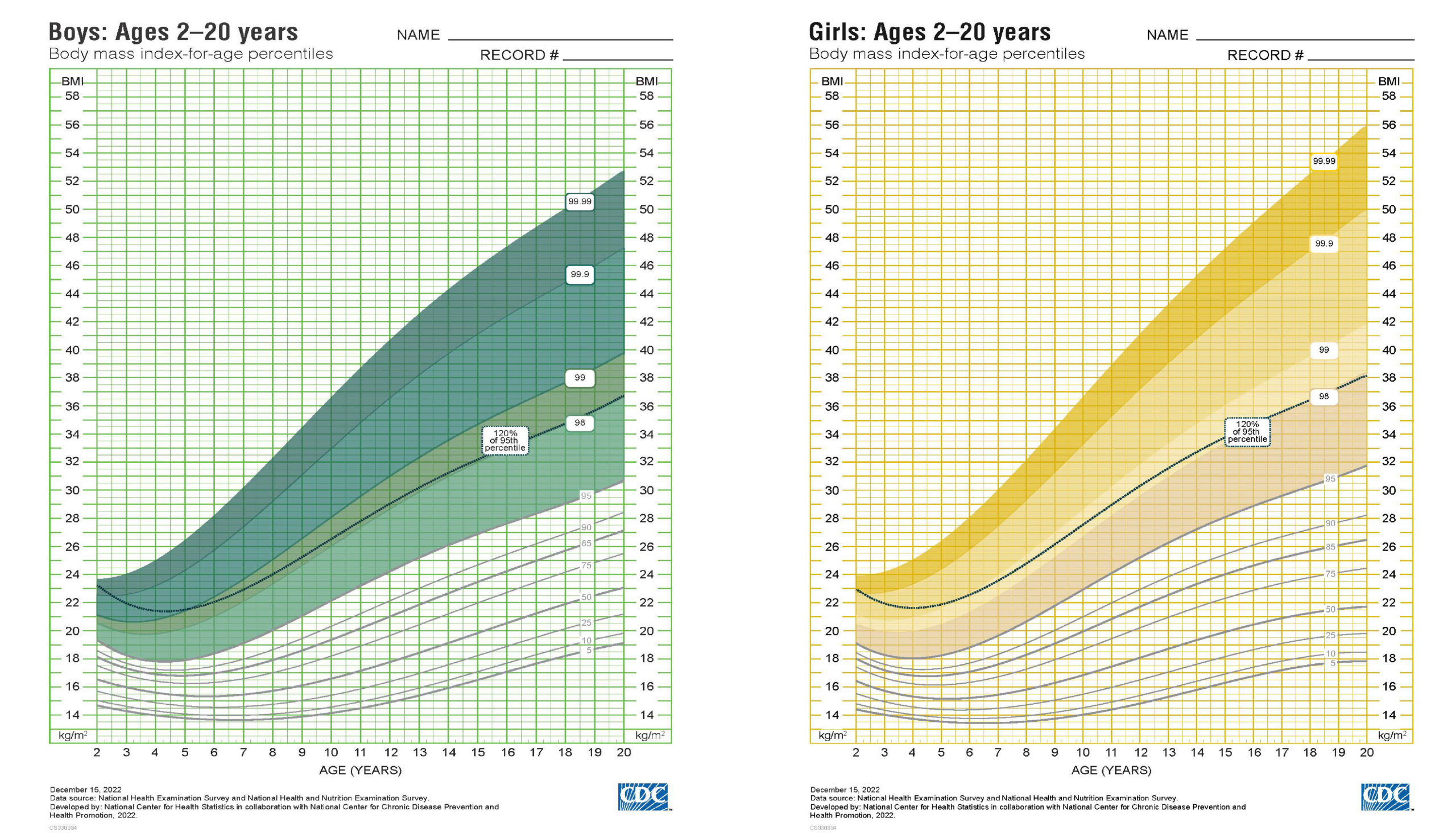
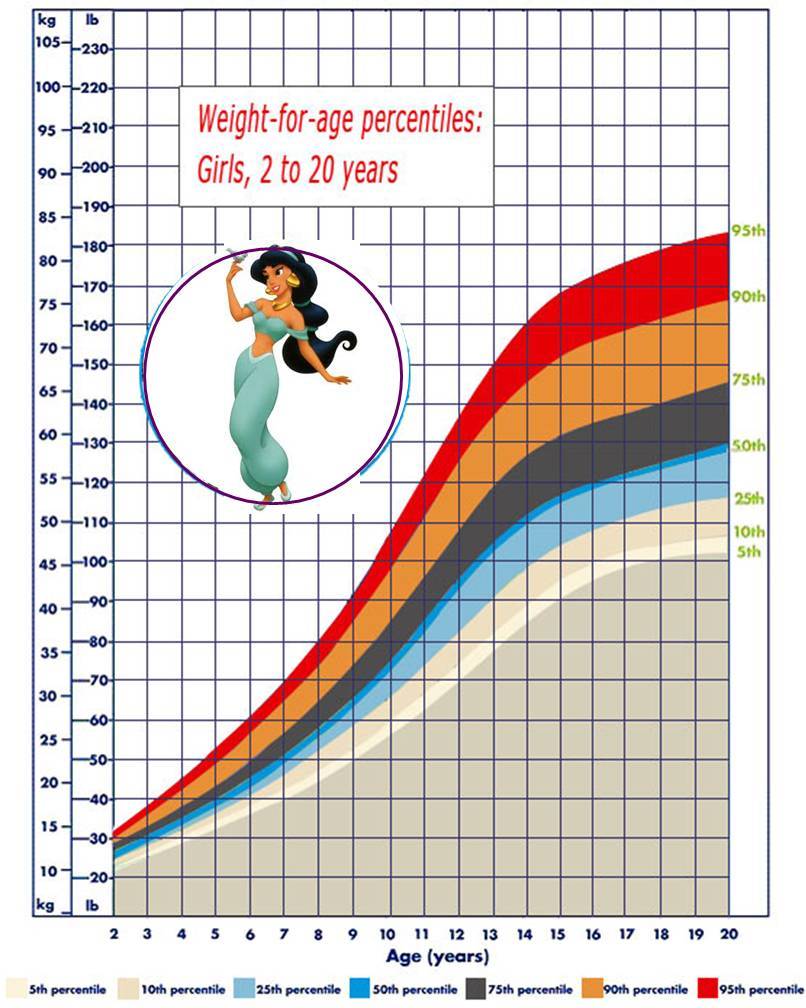
A Weight Gain With Age Chart is a visual representation of how weight typically increases as individuals age. This chart can be particularly useful for parents who want to understand their child’s growth trajectory or for adults who want to monitor their weight changes over time.
These charts usually display age on the horizontal axis and weight on the vertical axis, allowing you to plot your or your child’s weight against the average for their age group. This can help identify whether someone is gaining weight within a healthy range or if there are any concerns that should be addressed.
How to Use the Weight Gain With Age Chart
Using a Weight Gain With Age Chart is straightforward, but it’s important to approach it systematically. Here’s how you can effectively use this resource:
- Choose the Right Chart: Make sure you have a chart that is appropriate for the age group you’re interested in. There are charts specifically designed for children, adolescents, and adults, so select one that fits your needs.
- Download and Print: Once you’ve found the right chart, download the file and print it out. For best results, use a high-quality printer and paper. If you plan to fill it out by hand, consider using cardstock for durability.
- Gather Weight Data: Weigh the individual you’re monitoring regularly—ideally, at the same time each week or month to ensure consistency.
- Plot the Data: Mark the person’s weight on the chart according to their age. This creates a visual representation of their weight progression over time.
- Analyze Trends: Look for trends in the data. Is the weight consistent with average growth patterns for their age? Are there any significant spikes or drops that warrant further investigation?
Digital Vs. Print Completion
When it comes to filling out your Weight Gain With Age Chart, you have two options: digital or print. Each has its advantages, depending on your preferences and needs.
Digital Completion
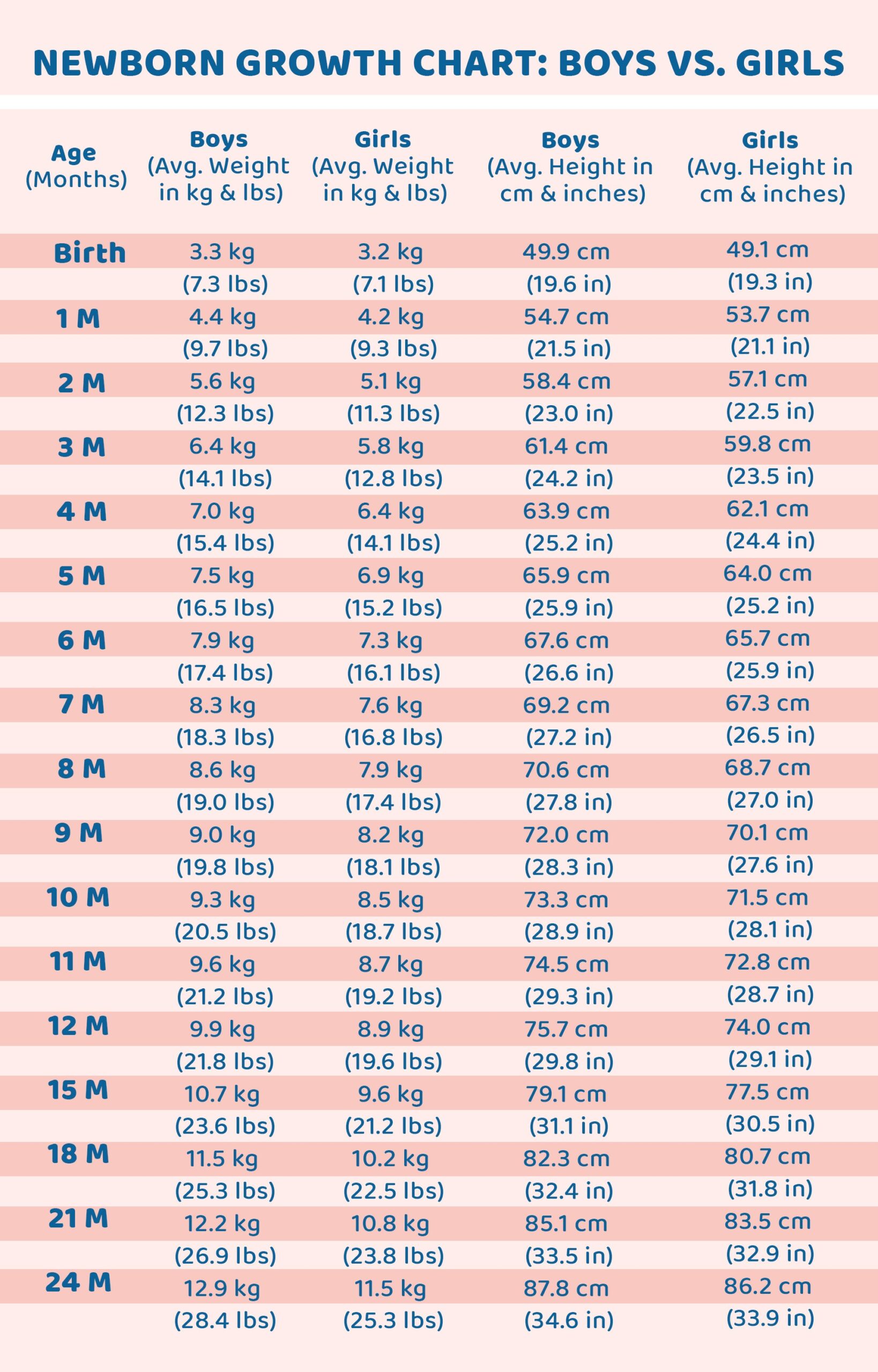
If you choose to use a fillable PDF version of your chart, this allows for easy updates and changes without the need for reprinting. You can fill it out on your computer, making it easy to track multiple individuals’ weights in one file. Additionally, digital files can be saved and shared easily with healthcare providers if necessary.
Print Completion
On the other hand, filling out the chart by hand can provide a tactile experience that some find helpful for remembering data. Handwritten notes can also include additional comments or observations that may not fit neatly into a digital format. If you opt for this method, ensure your printer settings are correct—typically, a portrait layout works best for most home printers.
Where to Find Your Weight Gain With Age Chart
There are many printable resources available online for Weight Gain With Age Charts. Look for reputable websites that focus on health and wellness, as they often provide well-researched charts that are easy to interpret. Here are a few tips for finding a reliable chart:
- Check for Credibility: Look for charts backed by medical organizations or reputable health resources. This ensures the data is accurate and relevant.
- Format Options: Some sites may offer various formats (PDF, Excel, etc.), so choose one that fits how you plan to use it.
- Accessibility: Ensure the chart is easy to download and print. A user-friendly interface can save you time and frustration.
Practical Tips for Using the Chart Effectively
To get the most out of your Weight Gain With Age Chart, here are some practical tips:
- Regular Updates: Make it a habit to update the chart regularly. This could be monthly or quarterly, depending on how often you weigh the individual.
- Consult a Professional: If you notice any concerning trends, such as rapid weight gain or loss, consult a healthcare professional. They can provide guidance tailored to your situation.
- Combine Data: Pair the weight gain chart with dietary and exercise logs to create a comprehensive view of health. This can help in identifying patterns and making informed adjustments.
By integrating a Weight Gain With Age Chart into your routine, you create a proactive approach to health monitoring. This simple yet effective tool can help you ensure that your family maintains a healthy weight throughout their lives. Don’t forget to look for charts that cater specifically to your needs, whether it’s for children or adults, and always prioritize using high-quality resources.
One specific detail that can enhance your chart’s usability is to include space for notes on diet and activity levels alongside the weight data, which can provide deeper insights into weight changes over time.
