Using a Body Weight Chart For Men can be a vital tool for anyone aiming to monitor their health and fitness. This chart helps you understand where you stand in terms of weight relative to your height, providing a clear visual guide for maintaining or achieving a healthy weight. With a well-structured layout, you can easily record your information, track changes over time, and make informed decisions about your health journey.
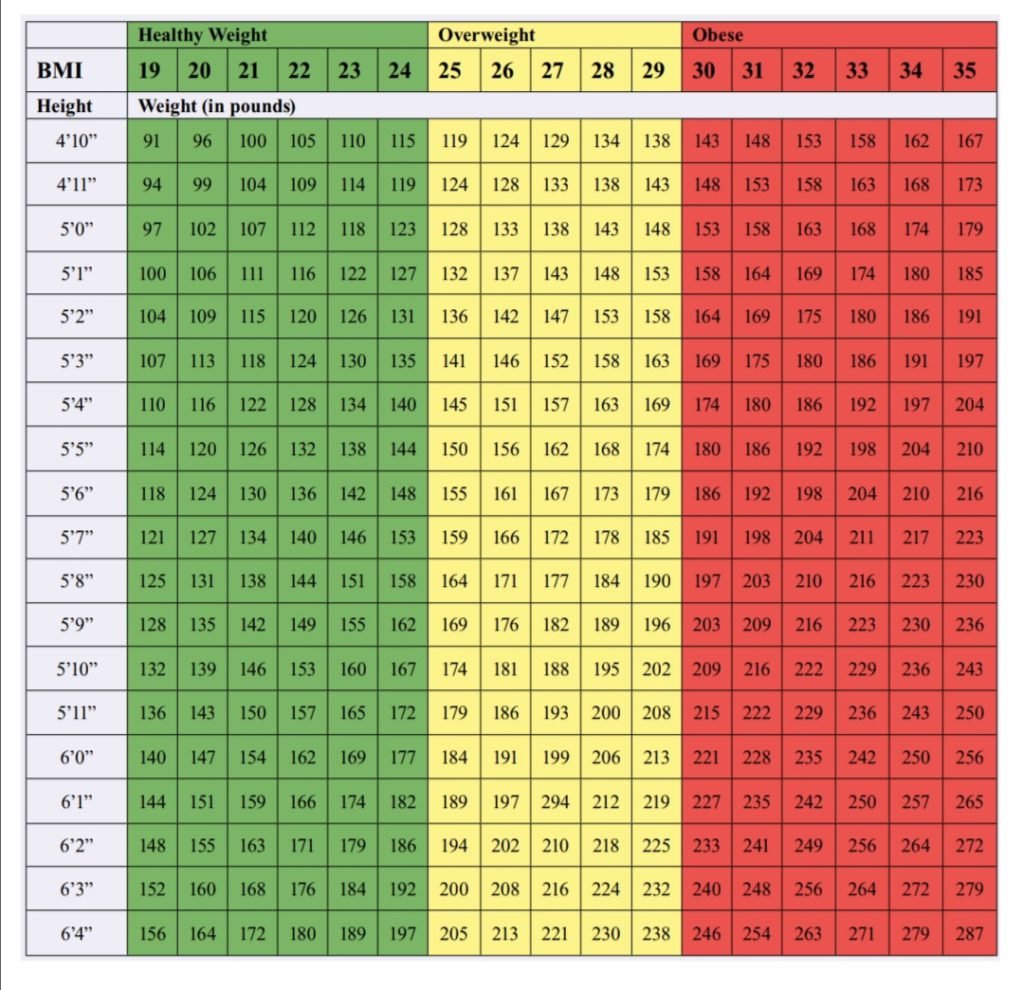
Understanding the Body Weight Chart Layout
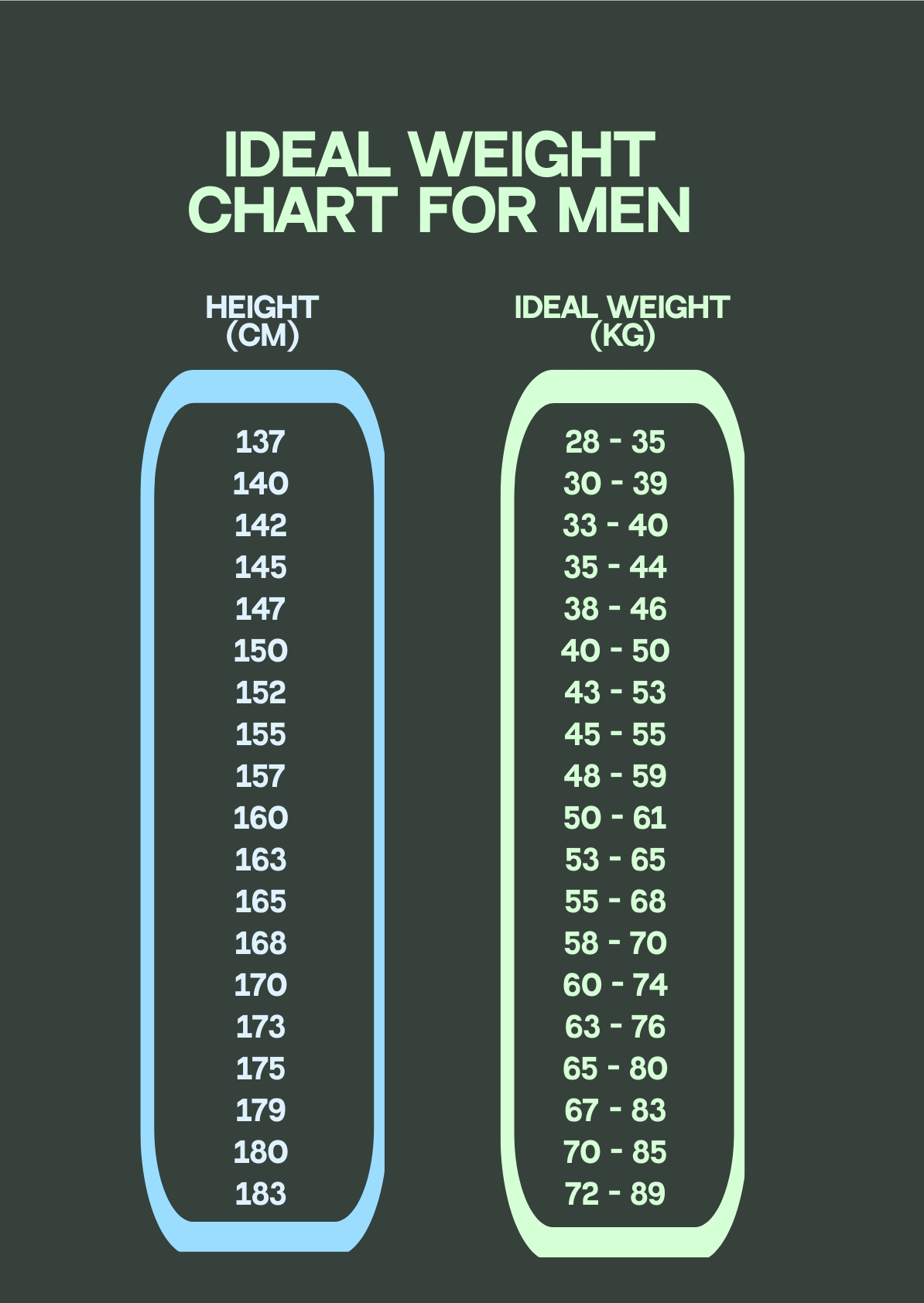
The Body Weight Chart typically includes height measurements in inches or centimeters alongside corresponding weight ranges. This allows you to find your ideal weight range based on your height. The layout is usually simple and straightforward, making it easy for anyone to use.
To read the chart, start by locating your height in the left column. Move across to find the weight range that corresponds with your height. This information is often divided into categories such as underweight, healthy weight, overweight, and obese. These categories help you gauge where you stand and what goals you might want to set.
When filling out the chart, you should record your weight regularly. Keeping your entries consistent—such as weighing yourself at the same time of day and under similar conditions—will provide the most accurate tracking of your progress.
How to Use the Body Weight Chart Effectively
Using the Body Weight Chart effectively involves more than just glancing at numbers. Here are some practical tips for making the most of this resource:
- Regular Updates: Make it a habit to update your weight on the chart weekly or bi-weekly. This frequency helps you spot trends in your weight changes and adjust your fitness or dietary plans accordingly.
- Set Realistic Goals: Based on your findings, set achievable weight goals. If you discover you’re in the overweight category, aim for a gradual weight loss rather than drastic changes. This approach is healthier and more sustainable.
- Combine with Other Tools: While the Body Weight Chart is useful, consider using it alongside other health metrics. For instance, tracking your body measurements (like waist and hip circumference) and body fat percentage can give you a more comprehensive view of your health.
- Consult a Professional: If you’re unsure about your ideal weight or how to achieve it, don’t hesitate to consult with a healthcare provider or a nutritionist. They can help tailor a plan that suits your individual needs.
Common Mistakes to Avoid
When using a Body Weight Chart For Men, there are several common mistakes to watch out for:
- Inconsistent Tracking: Failing to weigh yourself consistently can lead to an inaccurate assessment of your progress. Ensure you maintain the same routine when recording your weight.
- Ignoring Other Health Factors: Relying solely on the weight chart can be misleading. Factors like muscle mass, bone density, and overall body composition are essential for a complete picture of health.
- Setting Unrealistic Expectations: It’s easy to become disheartened if you don’t see immediate results. Remember that healthy weight management takes time, and it’s more about the journey than the destination.
To avoid these pitfalls, stay informed and be patient with yourself. Understanding the nuances of weight management can make a significant difference in your overall health.
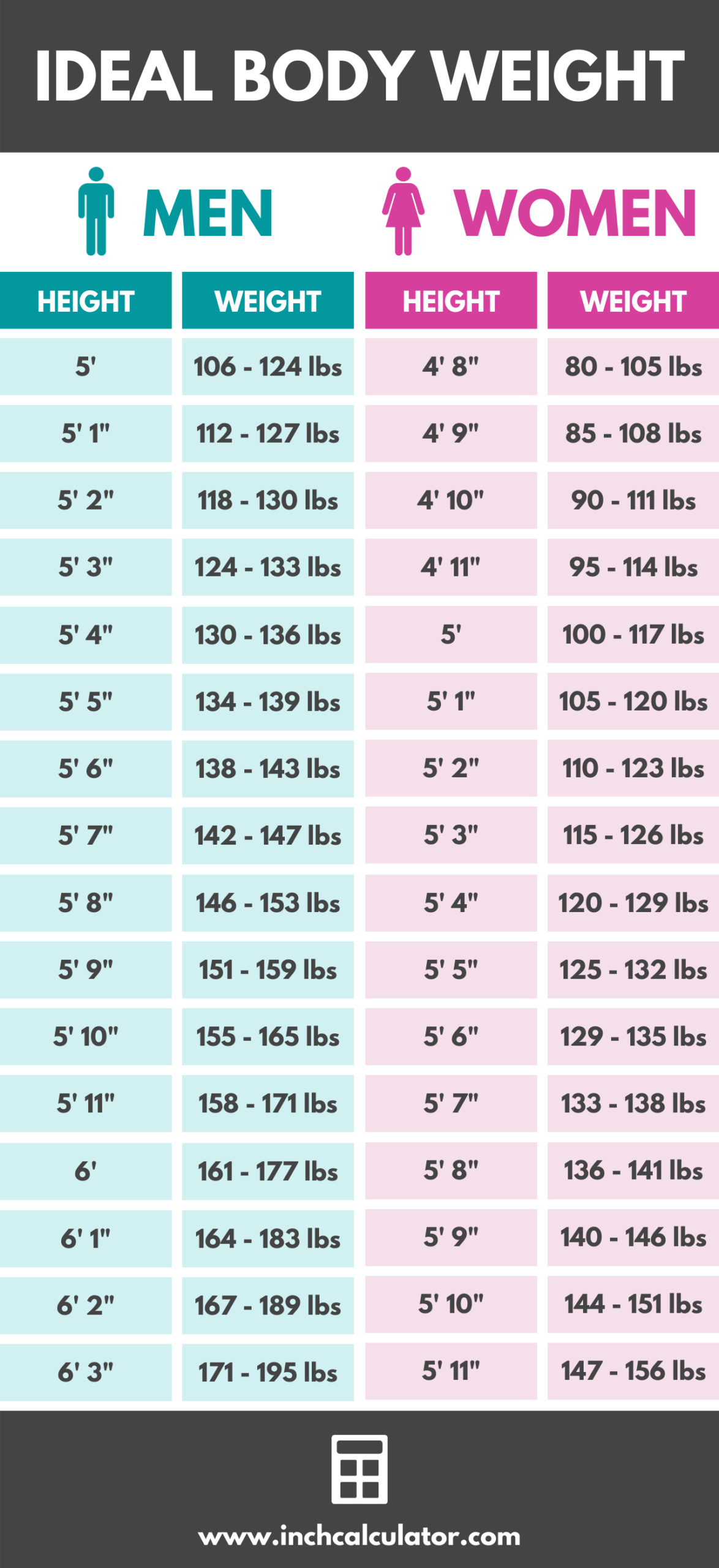
Where to Place Your Body Weight Chart
Once you’ve printed or downloaded your Body Weight Chart, consider where you’ll keep it. Its placement can influence how often you refer to it and update it. Here are a couple of suggestions:
- On the Fridge: Keeping your chart on the refrigerator door makes it easy to remember. You’ll see it daily, which can motivate you to stay on track with your weight goals.
- In Your Planner: If you use a planner or a fitness journal, including your weight chart there can help you integrate it into your daily routine. You can jot down notes about your diet, workouts, and how you feel.
Having your chart in a visible location can serve as a constant reminder of your health goals, keeping you accountable.
Using a Body Weight Chart For Men can streamline your health management process. By understanding its layout, using it effectively, avoiding common mistakes, and placing it strategically, you can enhance your weight tracking efforts. Whether you’re looking to maintain your weight, lose a few pounds, or simply stay informed about your health, this tool can be a valuable part of your wellness toolkit.
As you move forward, remember to combine this chart with a balanced diet and regular exercise for the best results. Two practical choices for your chart use are to keep it digitally on your device for easy access or to print it out for a tangible reference you can write on. Each method has its benefits—choose what works best for you!
