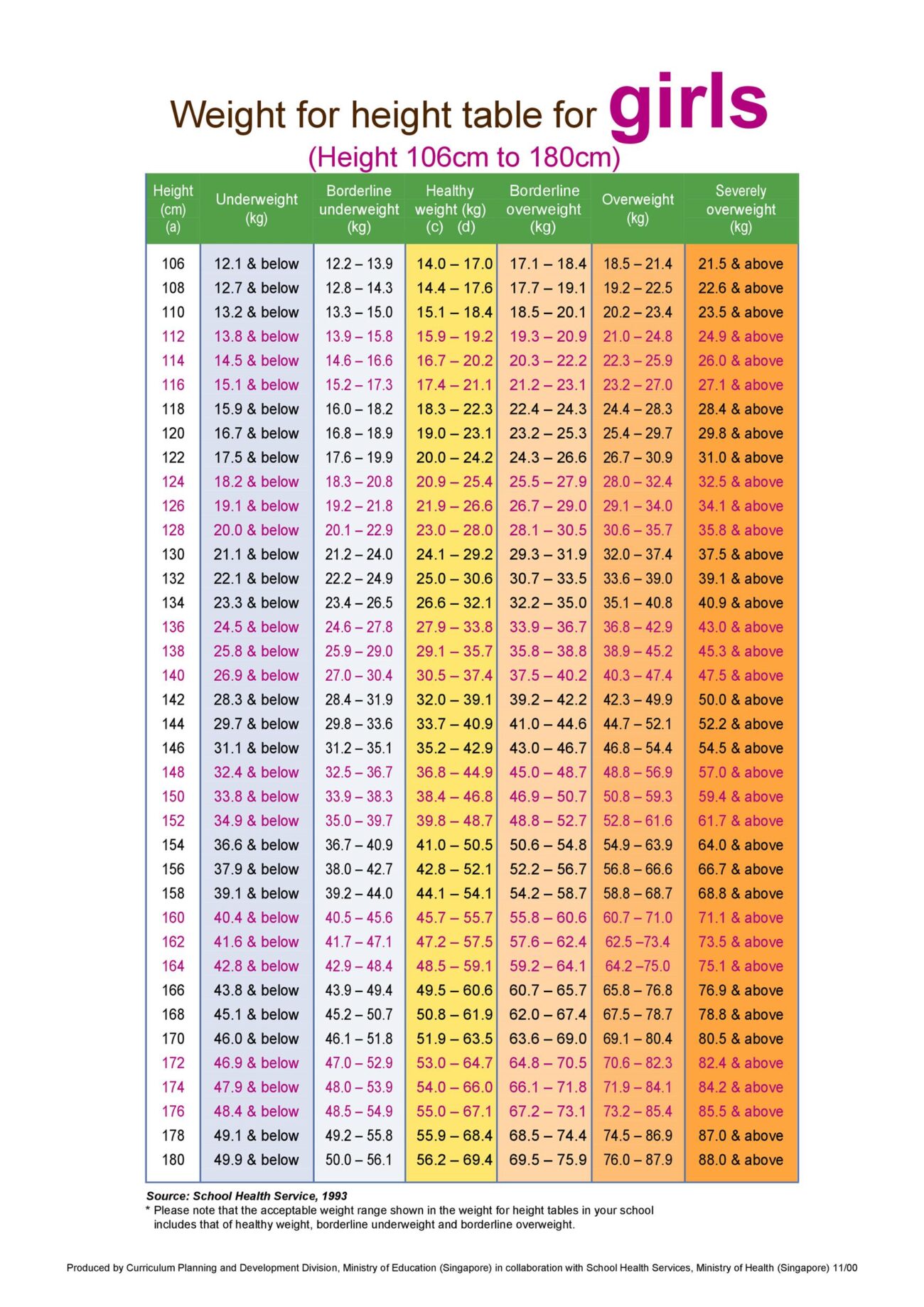
Maintaining a healthy weight can often feel overwhelming, especially with so much information available. That’s why a Weight Chart With Age And Height Female is incredibly useful. This chart serves as a straightforward tool to help track your progress and understand where you stand in relation to the average weight ranges for females based on their age and height. Having a visual representation can make it easier to set goals and monitor changes over time.
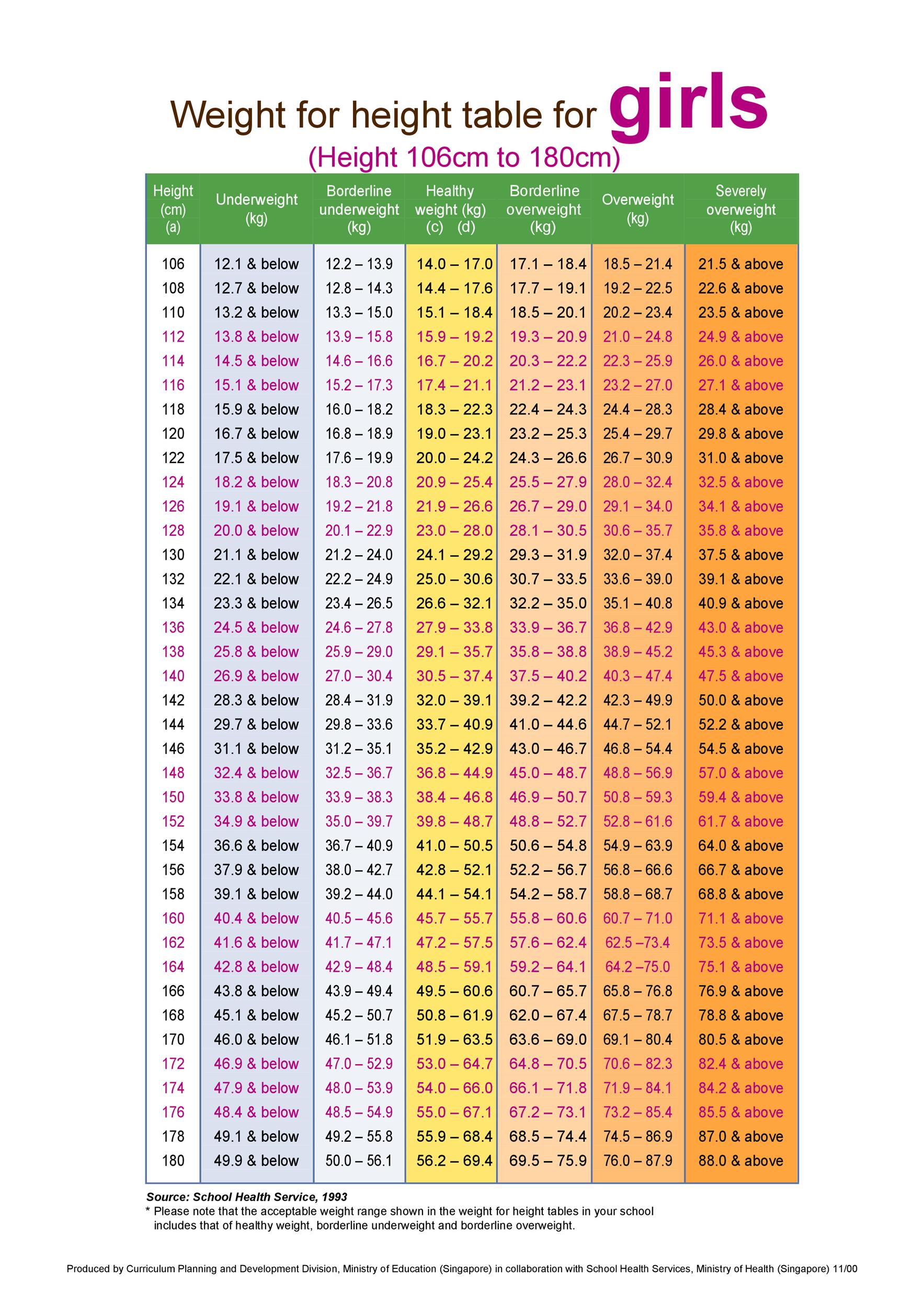
Understanding the Weight Chart Layout
A typical weight chart for females is designed with two main axes: age and height. On the vertical axis, you’ll find age groups, usually segmented into years, starting from childhood and extending into adulthood. The horizontal axis represents height, typically listed in inches or centimeters.
The body mass index (BMI) ranges are often indicated within the chart. These ranges provide a quick visual cue regarding whether a person’s weight is considered underweight, normal, overweight, or obese based on their height and age. Knowing how to read this chart can help you make informed decisions about your health.
How to Use the Weight Chart Effectively
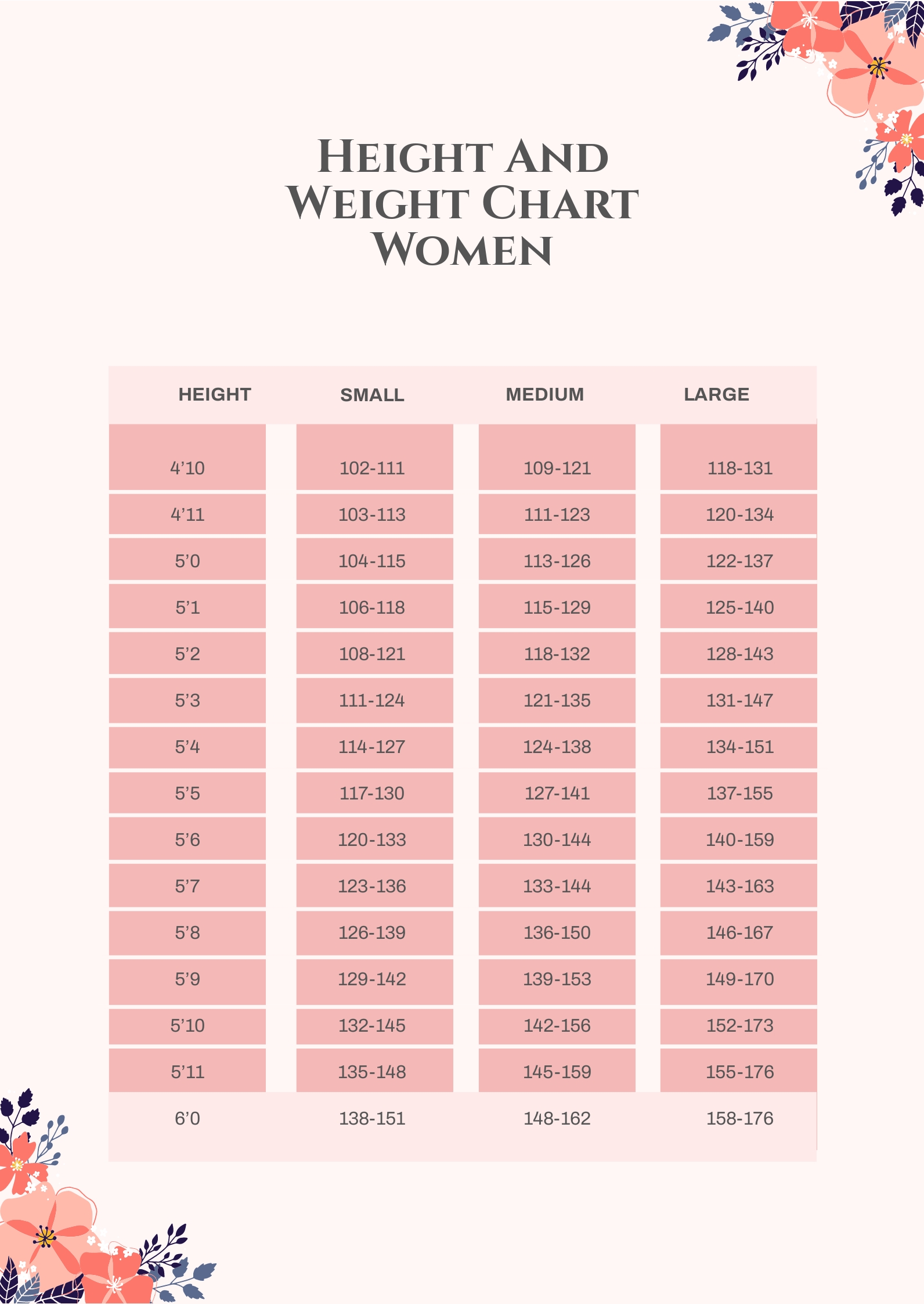
- Gather Your Information: Before you begin, collect your height and age. This information is crucial as it directly correlates with the weight ranges on the chart.
- Locate Your Age Group: Find the row that corresponds to your age.
- Identify Your Height: Move horizontally to find your height on the chart.
- Check the Weight Range: The intersecting point will give you a range of weights considered healthy for your age and height.
You might also find it helpful to note your current weight and compare it with the ranges provided. This can serve as a baseline for tracking your progress over time.
Printable Resources for Easy Tracking
Having a printable weight chart can make tracking your progress more accessible and organized. You can print out a copy to keep in your home or workspace, allowing you to refer to it easily.
When selecting a printable weight chart, look for one that is:
- Clear and Easy to Read: Avoid cluttered designs that can make it hard to find the information you need.
- Well-Organized: Ensure that age and height are clearly labeled, and weight categories are easily distinguishable.
- Customizable: Some charts allow you to write in your current weight and track changes over time, which can be motivating.
You can also laminate your chart for durability, especially if you plan to mark it up frequently.
The Importance of Tracking Your Progress
Tracking your weight against the chart can provide valuable insights into your health journey. It allows you to see how your weight fluctuates over time, helping you identify patterns related to diet, exercise, and even emotional well-being.
Regularly checking your weight can help you stay accountable to your health goals. If you notice an upward trend, it might prompt you to reassess your lifestyle choices. Conversely, if you’re moving toward a healthier weight, you’ll have tangible proof of your efforts, which can be extremely encouraging.
Setting Realistic Goals
When using a weight chart, it’s essential to set realistic goals based on the data you see. Here are a few tips:
- Aim for Gradual Changes: Rather than aiming for drastic weight loss, focus on gradual changes that are sustainable.
- Consider Lifestyle Factors: Your weight isn’t the only indicator of health. Consider how you feel, your energy levels, and other health markers.
- Consult a Professional: If you’re unsure about your weight goals or have specific health concerns, consider consulting a healthcare provider for personalized advice.
Additional Tips for Using Your Weight Chart
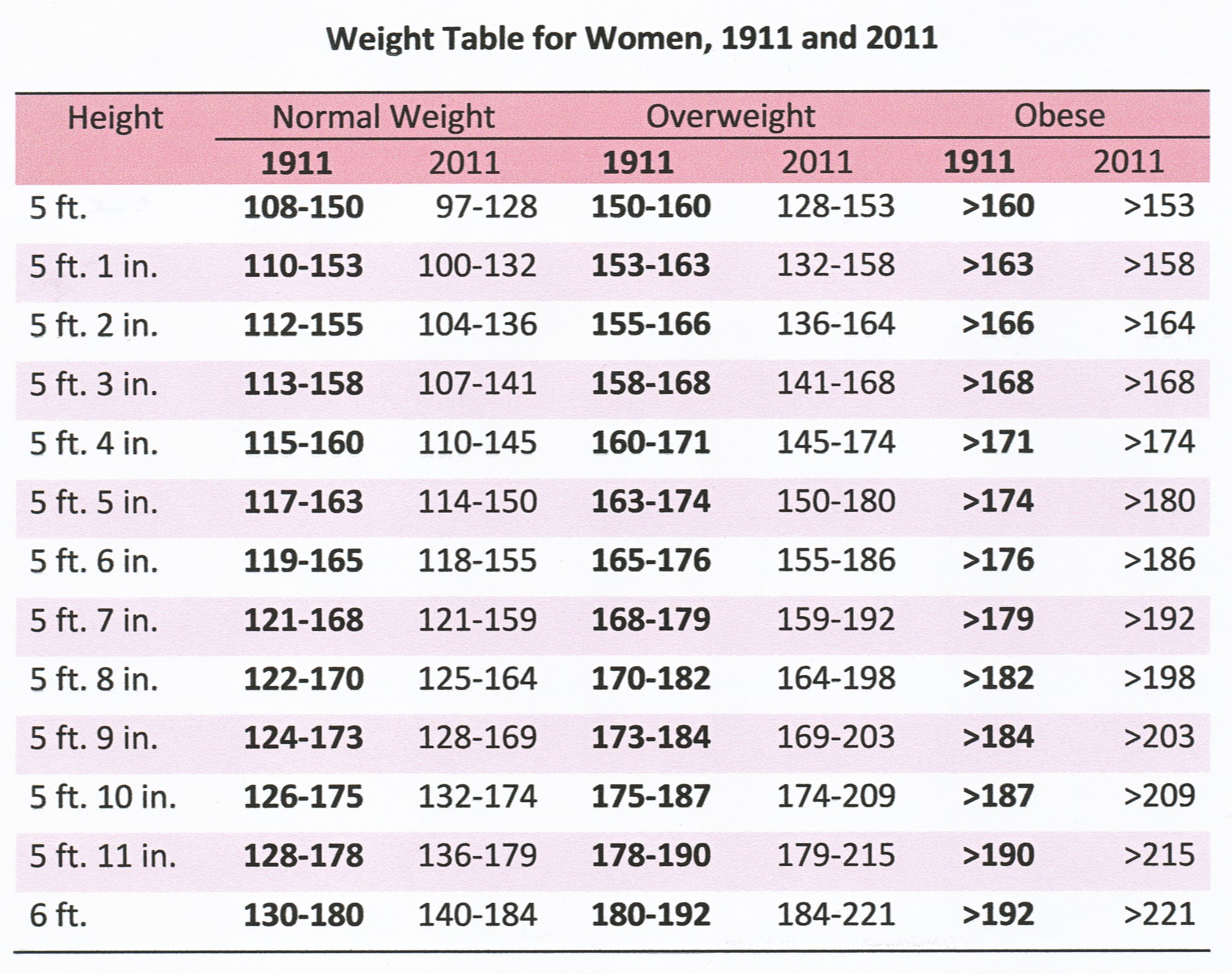
Keep in mind that while a weight chart is a helpful tool, it doesn’t tell the full story. Here are some additional things to consider:
- Body Composition: Muscle weighs more than fat, so someone with a higher muscle mass might weigh more but be healthier.
- Age-Related Factors: As you age, your metabolism changes, which can affect weight. Adjust your expectations accordingly.
- Lifestyle Adjustments: Incorporate healthy eating and regular exercise into your routine to see more significant changes.
Incorporating a weight chart into your health and wellness journey can be an excellent way to stay organized and motivated. Whether you choose to print it out or keep it digital, having this visual reference makes tracking your weight easier and more effective.
So, gather your height and age, print out your chart, and start monitoring your progress today!
