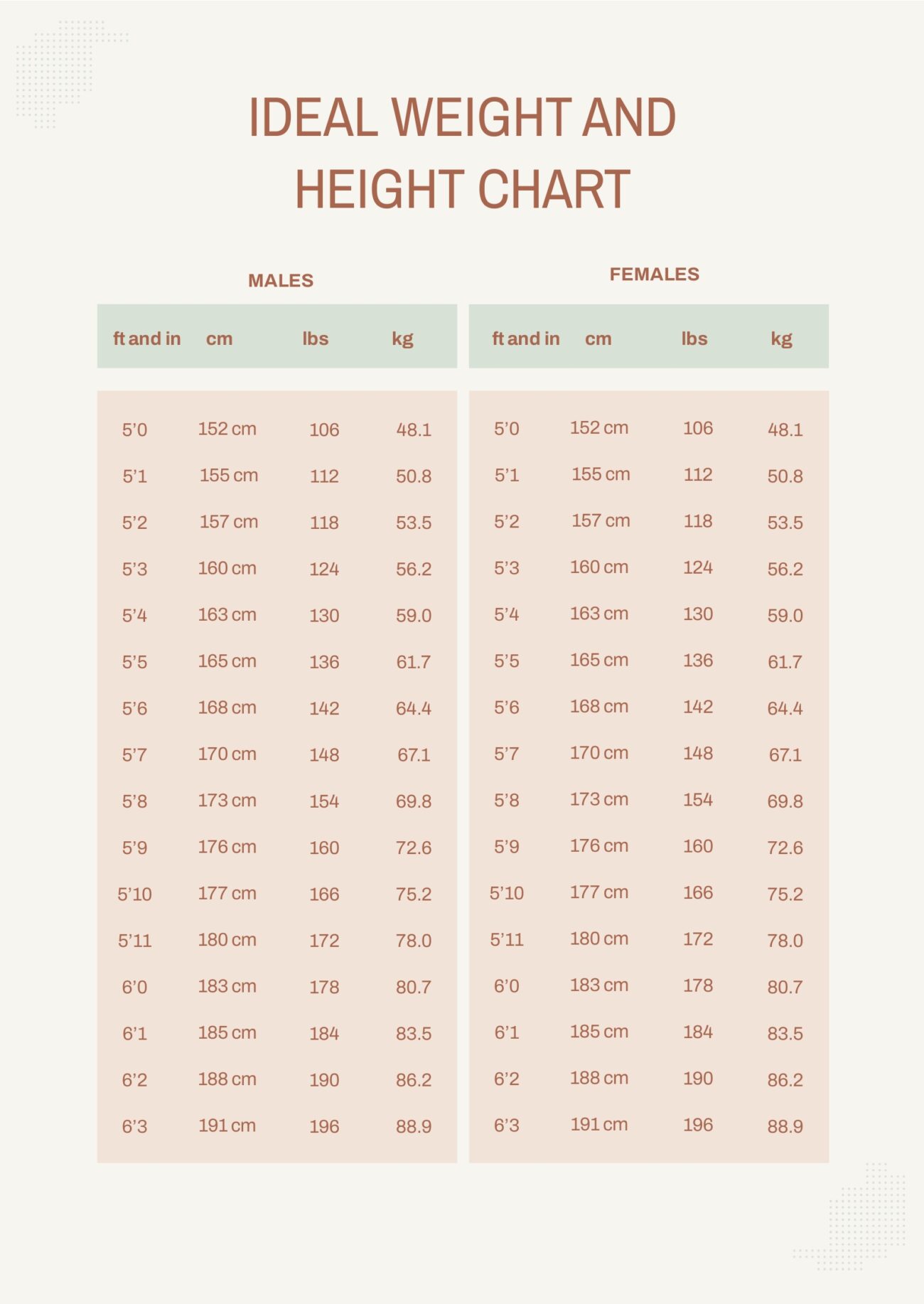
Tracking your child’s growth can sometimes feel overwhelming, especially when it comes to understanding their weight and height in relation to their age. One effective tool to help you with this is the Weight And Height Chart For Female. This chart provides a clear visual representation of how your daughter’s growth compares to standard growth patterns. It’s essential for parents to have a reliable resource to monitor their child’s development.
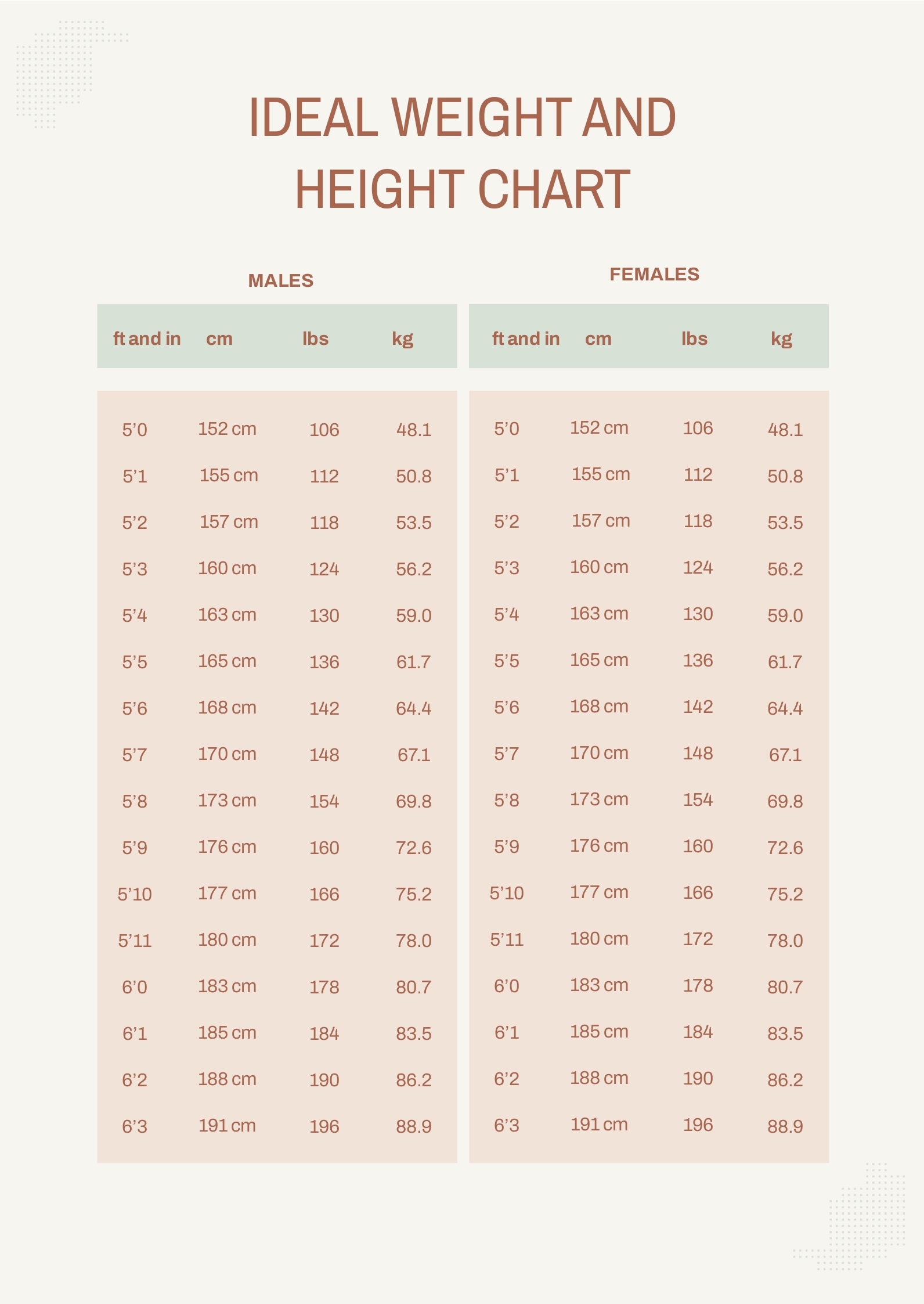
Understanding the Weight and Height Chart
A Weight And Height Chart For Female typically provides a range of height and weight combinations that are considered healthy for girls at different ages. These charts are based on data collected from various health organizations and can help you identify if your child is growing at a healthy rate.
How to Read the Chart
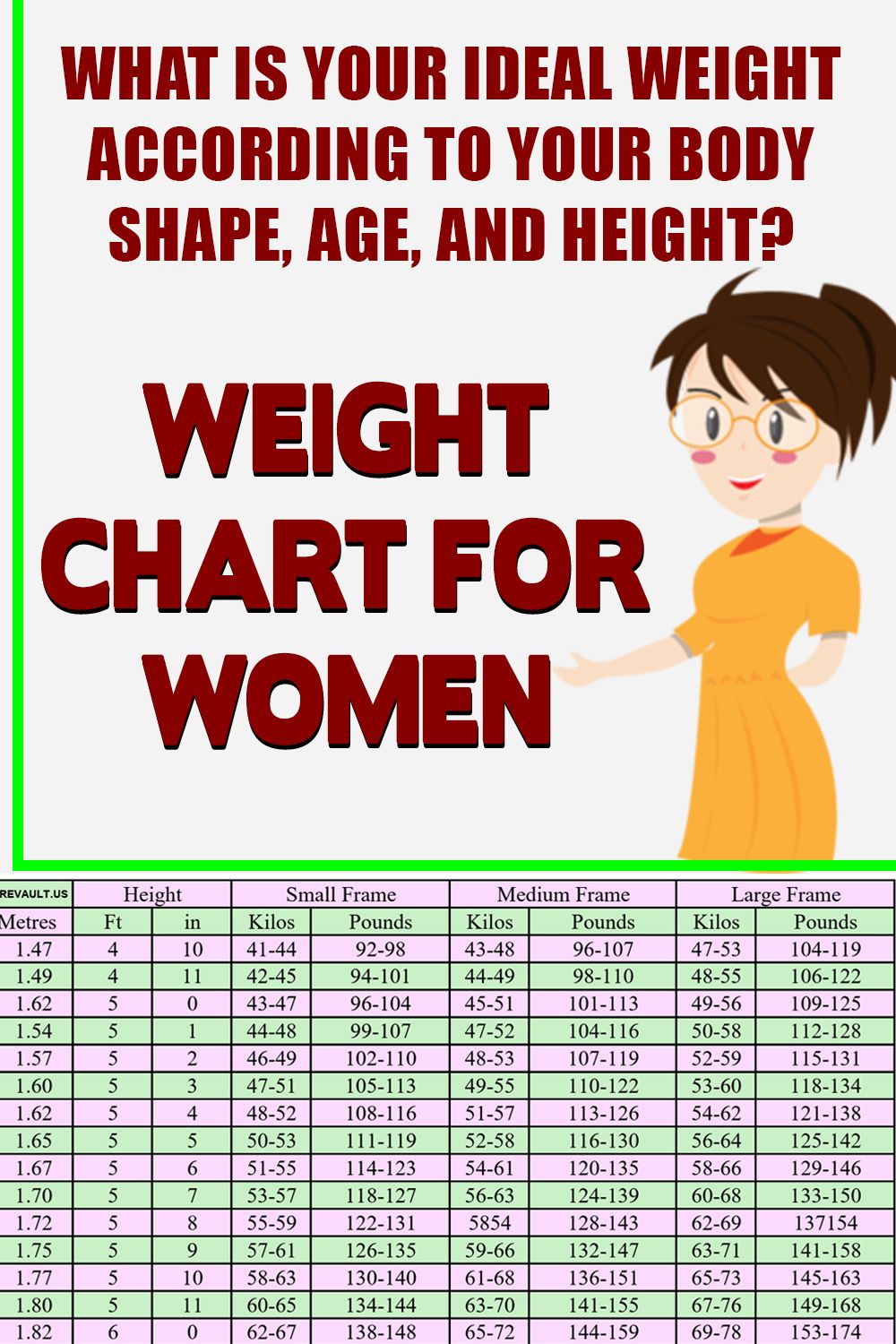
When you first look at the chart, you’ll notice it has two axes: one for height and one for weight. Here’s how to interpret it:
- Height (Vertical Axis): This usually ranges from around 2 feet to 6 feet.
- Weight (Horizontal Axis): This spans from about 20 pounds to over 200 pounds.
To find where your child’s height and weight intersect, locate their height on the vertical axis and their weight on the horizontal axis. The area where these two points meet represents their growth percentile.
Percentiles Explained
Growth percentiles indicate how your child compares to others of the same age and gender. For example:
- 50th Percentile: Your child is of average height and weight.
- Below 5th Percentile: Your child may be underweight or shorter than most peers.
- Above 95th Percentile: Your child may be heavier or taller than most peers.
Understanding these percentiles helps you gauge whether your child’s growth is on track or if it might be worth discussing with your pediatrician.
Downloading the Chart
To get started, you’ll want to find a reliable source for downloading the Weight And Height Chart For Female. Many printable-resource websites offer these charts in PDF format, making them easy to download and print. Here’s how to do it:
- Choose a Trusted Website: Look for sites that specialize in health and educational resources.
- Locate the Chart: Use the search function to find the Weight And Height Chart For Female.
- Download: Click the download button to save the chart to your device.
- Print: For best results, print on standard letter-sized paper (8.5 x 11 inches) for easy handling.
Using the Chart Regularly
Once you have your chart, it’s time to use it effectively. Regularly measuring your child’s height and weight is key. Here’s a simple routine to follow:
- Schedule Regular Check-ins: Aim to measure your child’s height and weight every 6 months.
- Record Measurements: Write down their height and weight on the chart.
- Monitor Growth: Use the chart to see how they track over time. This can help you spot any concerning trends early.
Tips for Accurate Measurements
- Height: Have your child stand straight against a wall with no shoes. Use a flat object to mark the height on the wall.
- Weight: Weigh your child in the morning for consistency, using the same scale each time.
When to Consult a Pediatrician
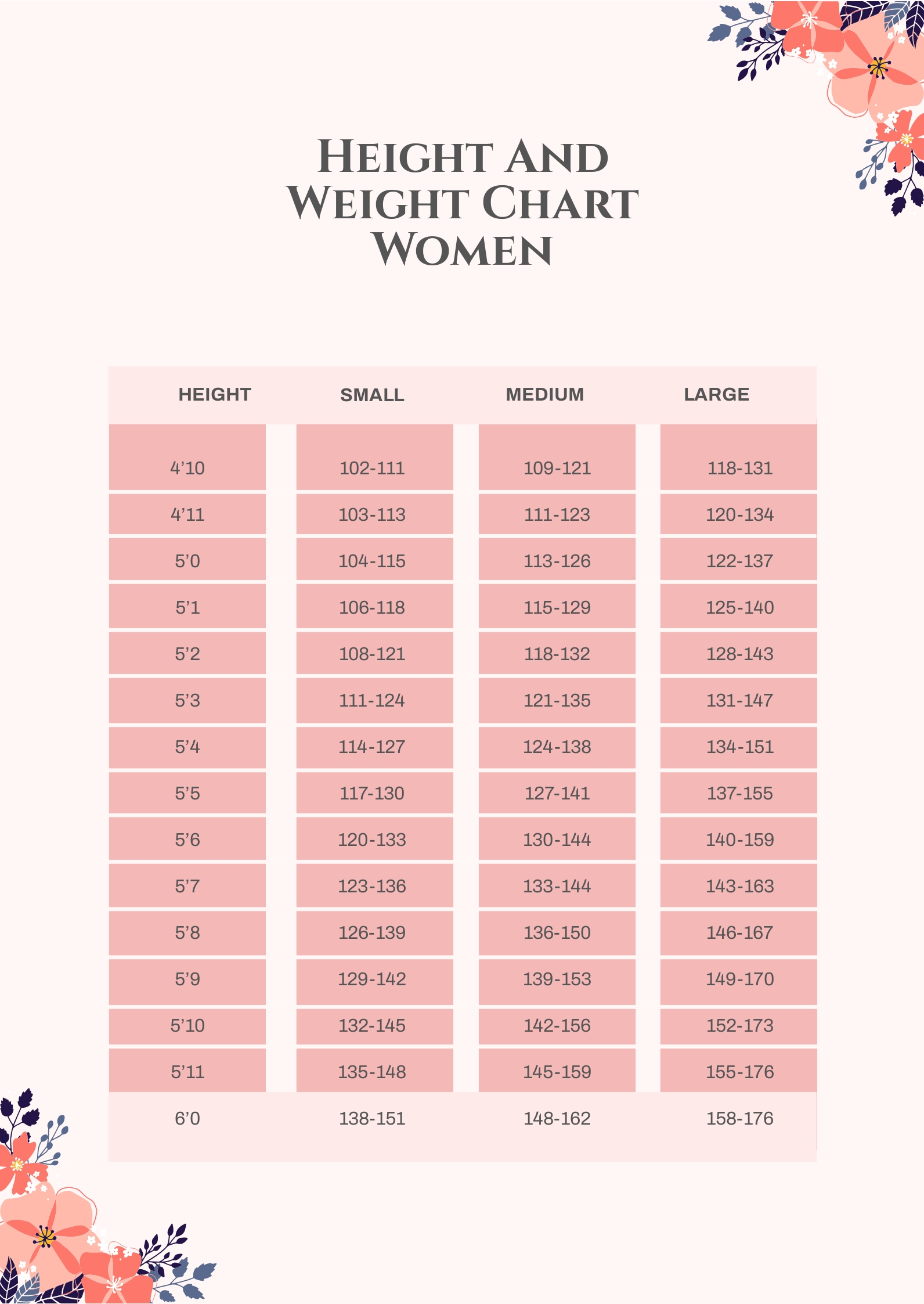
While the Weight And Height Chart For Female is a helpful tool, it’s important to remember that charts are just one part of understanding your child’s health. If you notice any significant changes in growth patterns, such as sudden weight gain or loss, consult your pediatrician. They can provide insights and help determine if further evaluation is necessary.
