Maintaining a healthy weight is crucial at any age, but it holds particular significance for senior women. The Weight Chart For Seniors Female is tailored to help you manage and track weight changes, offering a simple, organized way to stay informed about your health. Unlike other charts that may not cater specifically to seniors, this chart considers the unique health needs and weight ranges appropriate for older women.
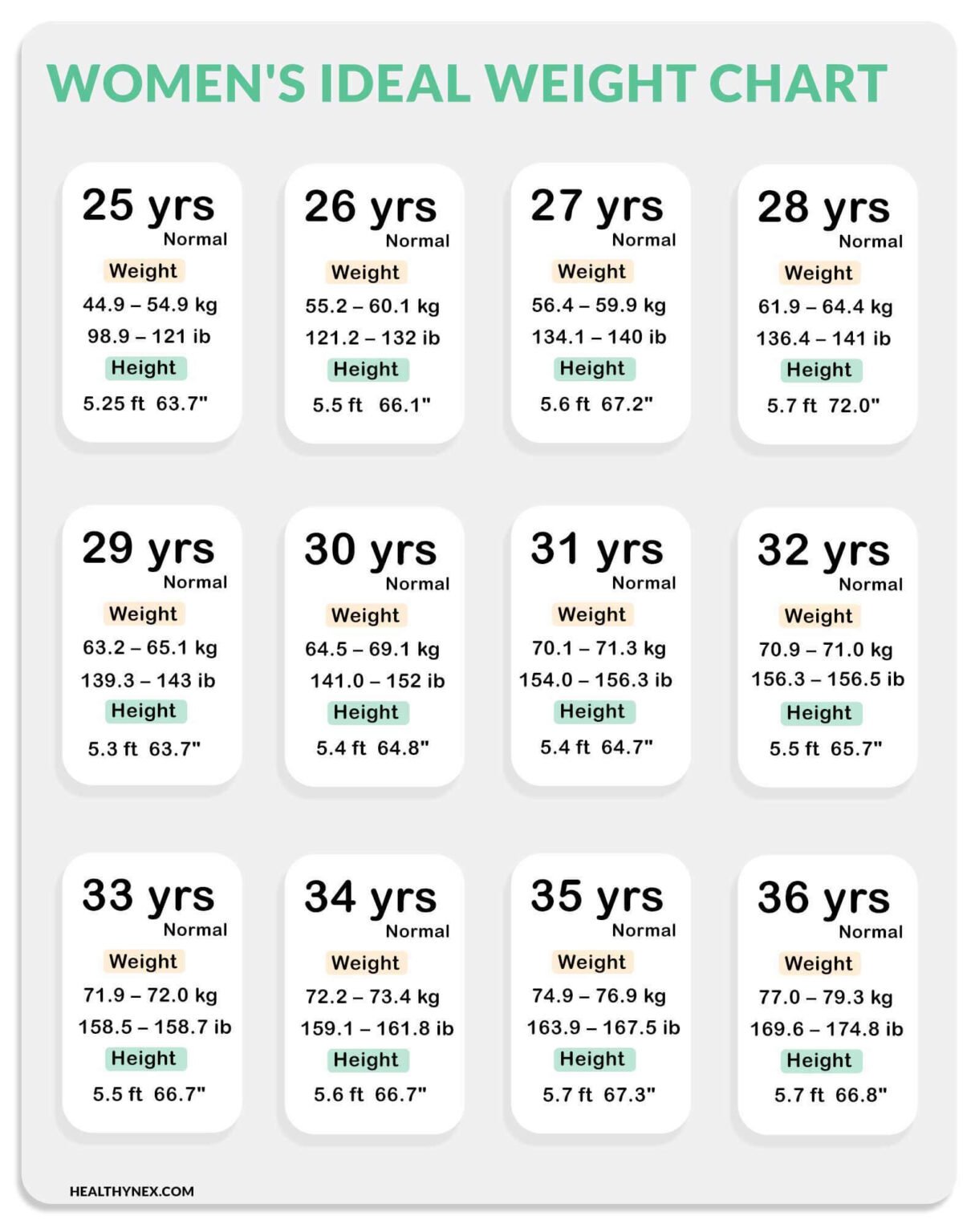
Understanding the Weight Chart Layout
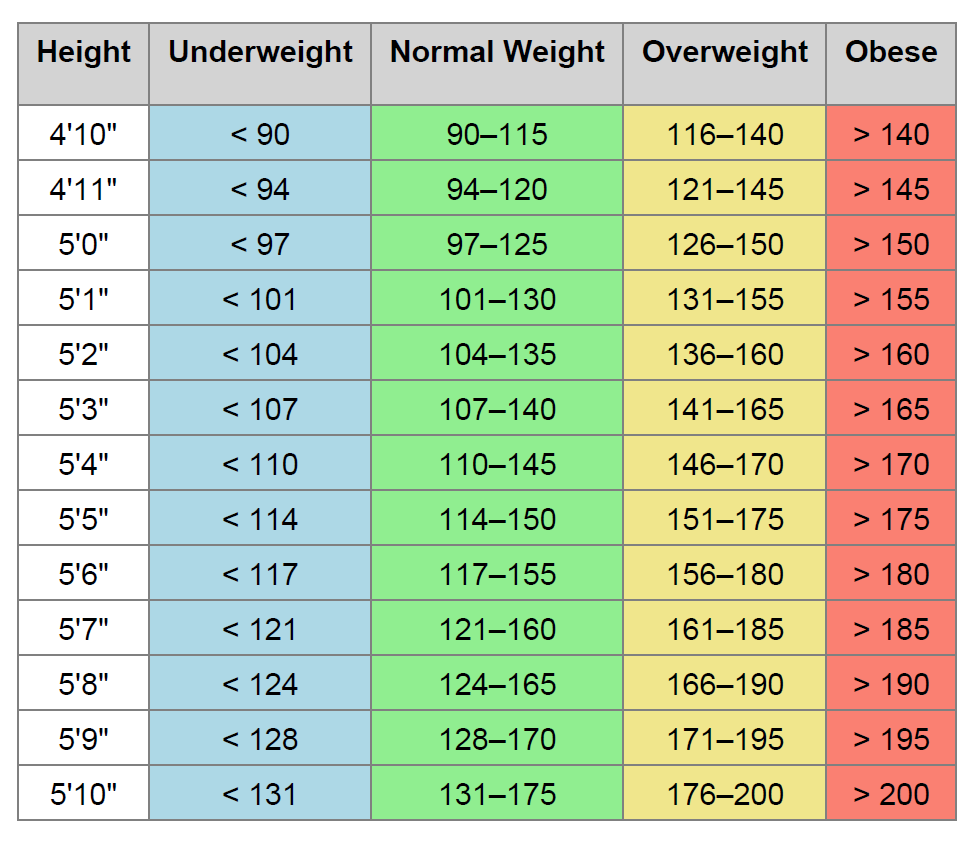
The layout of the Weight Chart For Seniors Female is designed for clarity and ease of use. Typically, it consists of a grid format where you can easily input your weight on a regular basis. The vertical axis usually lists weight ranges, while the horizontal axis may represent age or height categories. This format allows you to instantly see where you fall within healthy weight ranges, making it a quick reference tool.
When filling in the chart, you can record your weight weekly or biweekly. This consistent monitoring can be helpful for noticing trends over time. Additionally, many charts include space for notes regarding diet, exercise, or other health-related factors that may influence weight. Such features enhance the utility of the chart, making it more than just a list of numbers.
How to Use the Weight Chart Effectively
Using the Weight Chart For Seniors Female involves more than just recording your weight. Here are some practical steps to make the most of this resource:
- Regular Updates: Aim to weigh yourself at the same time each week, ideally in the morning before eating or drinking. This consistency helps ensure that you’re tracking accurate data.
- Note Other Factors: Use the notes section to jot down any relevant information. For example, if you started a new exercise routine or changed your diet, noting these changes can help you understand their impact on your weight.
- Consult with Healthcare Providers: Regularly share your chart with a healthcare provider. They can help interpret the data and provide personalized advice based on your health status.
- Use for Goal Setting: The chart can help you set realistic weight goals based on your age, height, and health conditions. Discuss these goals with a healthcare provider to ensure they are appropriate for you.
- Celebrate Small Wins: Recognizing progress, whether it’s a slight decrease in weight or maintaining a healthy weight, is vital for motivation. Use the chart to celebrate these milestones.
Printable Formats and Presentation Quality
When it comes to printing your Weight Chart For Seniors Female, consider the format that best suits your needs. Most charts are available as PDFs, which maintain their formatting and are easy to print. For a more durable option, you might want to print on cardstock. This is particularly beneficial if you plan to write on the chart frequently or if it will be stored in a busy area of your home.
Here are a few tips for printing:
- Paper Size: Standard letter size (8.5 x 11 inches) is common and suitable for most home printers. Ensure your printer settings are adjusted to avoid unnecessary scaling that can lead to misalignment.
- Print Quality: Use high-quality settings to ensure clarity, especially if you plan to keep the chart for an extended period. A crisp print will make it easier to read and fill in.
- Lamination: If you want the chart to last longer, consider laminating it. This allows you to use dry-erase markers for easy updating.
Incorporating the Weight Chart Into Daily Routines
For the Weight Chart For Seniors Female to be effective, it should be integrated into your daily or weekly routine. Here are some ideas on how to do this:
- Morning Ritual: Make weighing yourself part of your morning routine. After using the restroom, step on the scale and record your weight immediately.
- Weekly Review: Set aside a specific time each week to review your chart. Look for any patterns or changes that might need addressing.
- Pair with Other Health Activities: Use the chart alongside other health routines, such as meal planning or exercise tracking. This holistic approach can enhance your overall well-being.
- Share with Family: If you have family members who are also interested in managing their weight, consider sharing your chart with them. This can foster accountability and support.
Using the Weight Chart For Seniors Female is not just about tracking numbers; it’s about fostering a healthier lifestyle. The act of monitoring your weight can lead to greater awareness of your body and its needs.
One specific detail that stands out is how the chart can be personalized. You can modify it to include specific health goals or reminders, tailoring it to fit your unique health journey.
