Tracking your baby’s growth can feel overwhelming, but using a weight chart for infants in pounds makes it easier. These charts help you monitor your little one’s health and development, ensuring they are growing at a healthy rate. Whether you’re a new parent or a seasoned pro, having a reliable resource can provide peace of mind as you navigate the early months of parenthood.
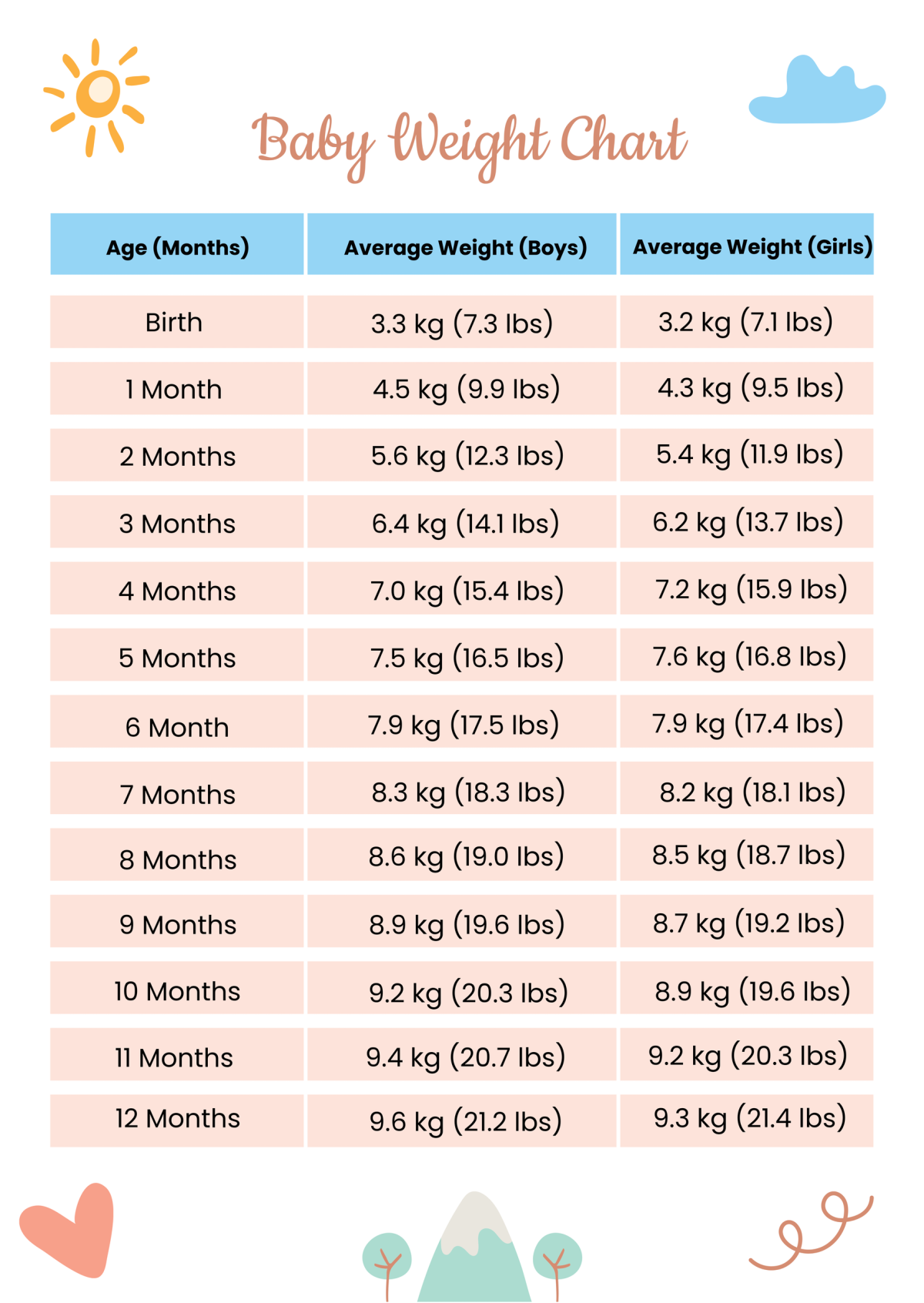
Understanding the Weight Chart for Infants
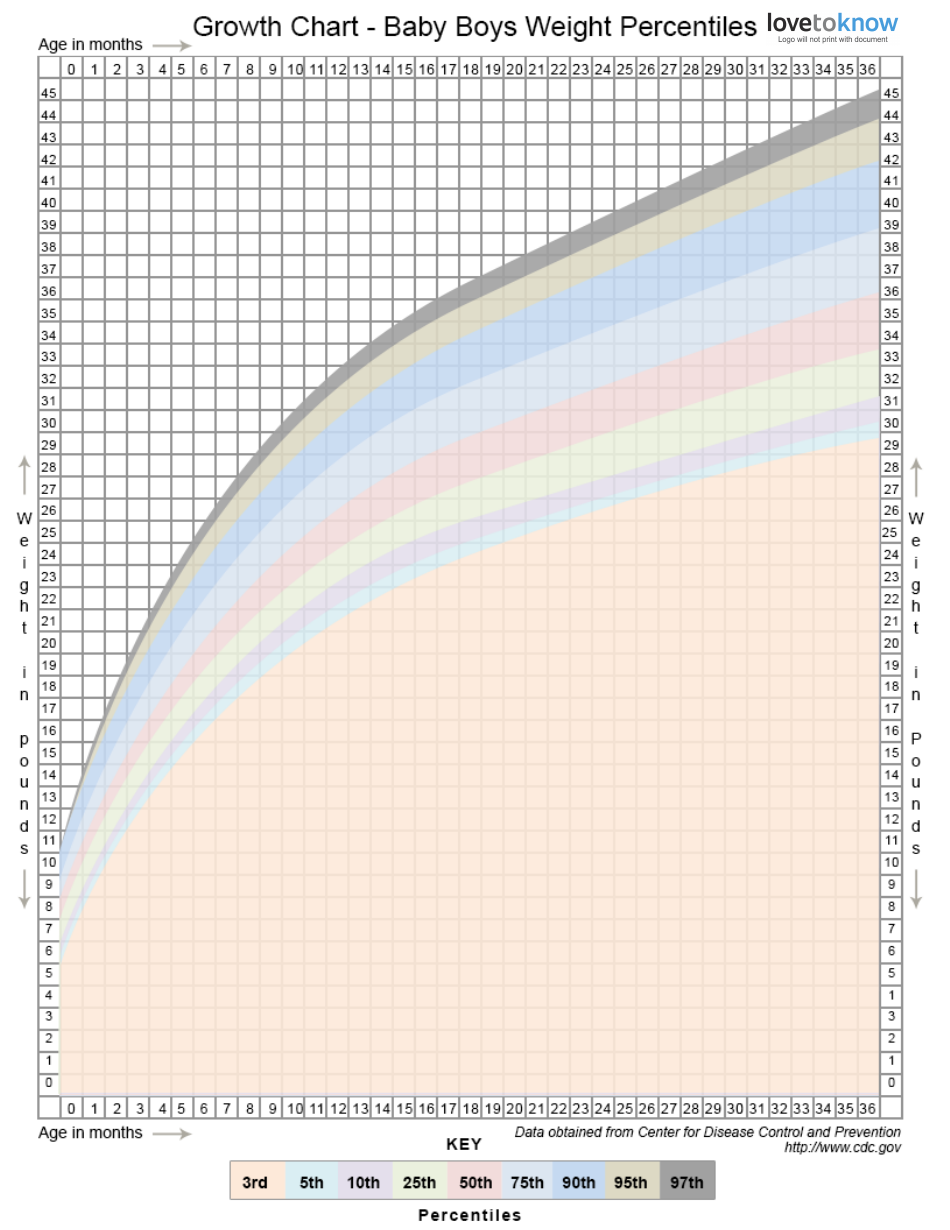
A weight chart for infants in pounds is a tool that visualizes the growth patterns of babies from birth to 24 months. These charts typically present weight percentiles, allowing you to see how your baby compares to others in the same age group. The percentiles indicate whether your baby is below, at, or above average weight for their age.
To read these charts effectively, you’ll typically find two axes: age (in months) on the horizontal axis and weight (in pounds) on the vertical axis. You plot your baby’s weight against their age to see where they fall on the chart. If you’re unsure about how to interpret the results, consult your pediatrician, as they can provide insight tailored to your baby’s unique needs.
Why Use a Weight Chart?
Using a weight chart is essential for several reasons:
- Monitoring Growth: Regularly tracking your baby’s weight helps you spot any potential growth issues early on.
- Health Check: It serves as a quick reference for pediatricians during routine check-ups.
- Peace of Mind: Knowing your baby is on track can alleviate some of the worries that come with new parenthood.
By keeping an eye on your baby’s weight, you can ensure they are receiving adequate nutrition and growing as expected.
How to Use the Weight Chart for Infants in Pounds
To make the most out of a weight chart for infants in pounds, follow these practical steps:
- Download and Print: Find a reliable printable version of the weight chart. A PDF format is often best as it maintains the layout when printed.
- Record Weights Regularly: Weigh your baby at least once a month during routine check-ups and record the weight in the chart.
- Plot the Data: Mark each weight on the chart to visualize growth trends. Use different colors for each month to make it more engaging.
- Consult with Your Pediatrician: Bring the chart to your pediatric appointments. This will help your doctor assess your baby’s growth patterns and nutritional needs.
Common Mistakes to Avoid
While using a weight chart can be straightforward, here are some common pitfalls to avoid:
- Inconsistent Weighing: Weigh your baby at the same time of day and under similar conditions (e.g., same diaper, same scale) to ensure accuracy.
- Ignoring Percentiles: Don’t panic if your baby falls into a lower percentile. Growth patterns can vary widely among infants, and your pediatrician can help interpret the data.
- Not Updating Regularly: Make it a habit to update the chart regularly after each doctor’s visit. This will help you catch any trends over time.
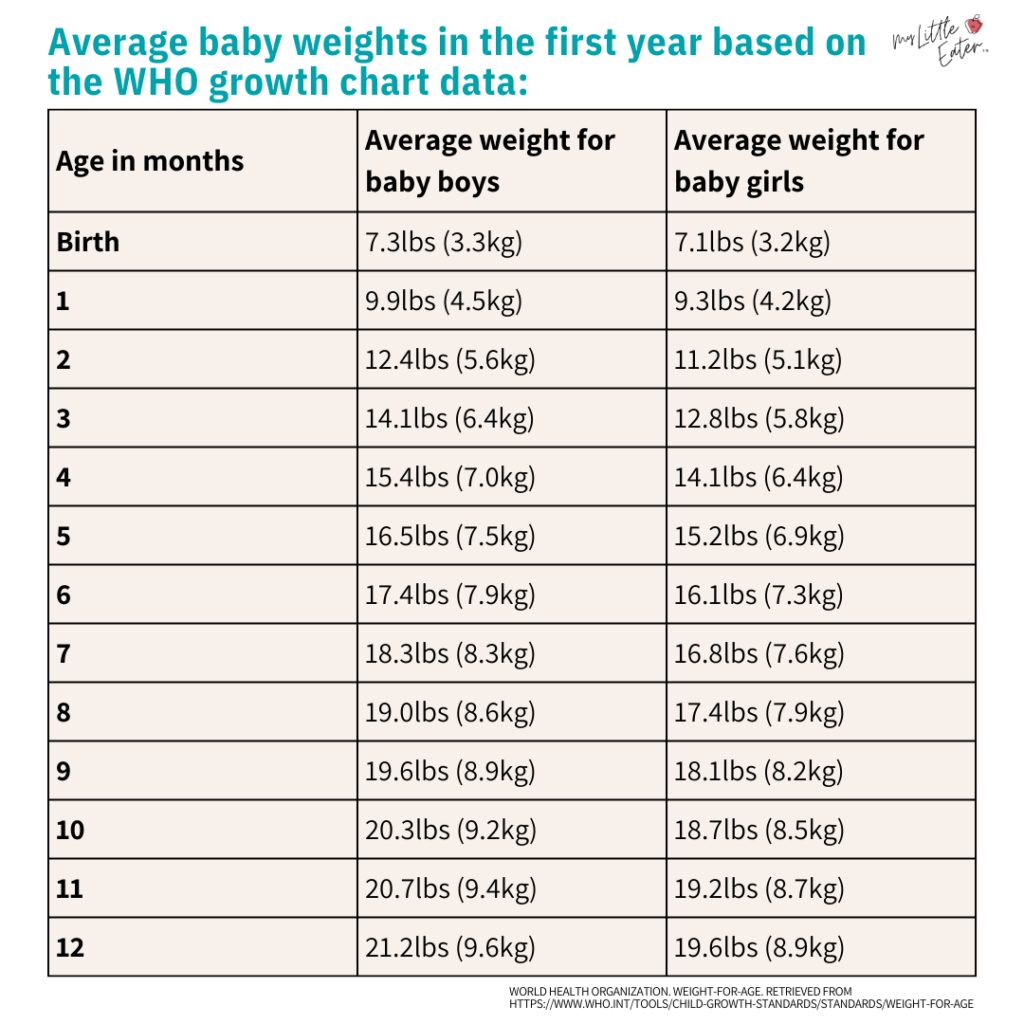
Where to Find Downloadable Resources
You can find weight charts in various places online. Here are a few reliable sources:
- Pediatrician Websites: Many pediatricians provide downloadable weight charts on their websites.
- Health Organizations: Websites like the CDC and WHO offer official growth charts that are widely used by healthcare providers.
- Printable Resource Websites: Search for printable resources that allow you to download the weight chart in a user-friendly format.
When downloading, choose a chart that is easy to read and print in a standard paper size (like 8.5 x 11 inches).
