Tracking your child’s growth can sometimes feel overwhelming. Many parents worry about whether their little ones are hitting the right milestones. That’s where a weight chart as per age comes in handy. This chart provides a clear visual representation of your child’s weight compared to standardized growth patterns. It helps you understand if they are on track or if you need to consult a pediatrician. Let’s explore how to effectively use this resource, ensuring your child’s growth journey is healthy and supported.
Understanding the Weight Chart
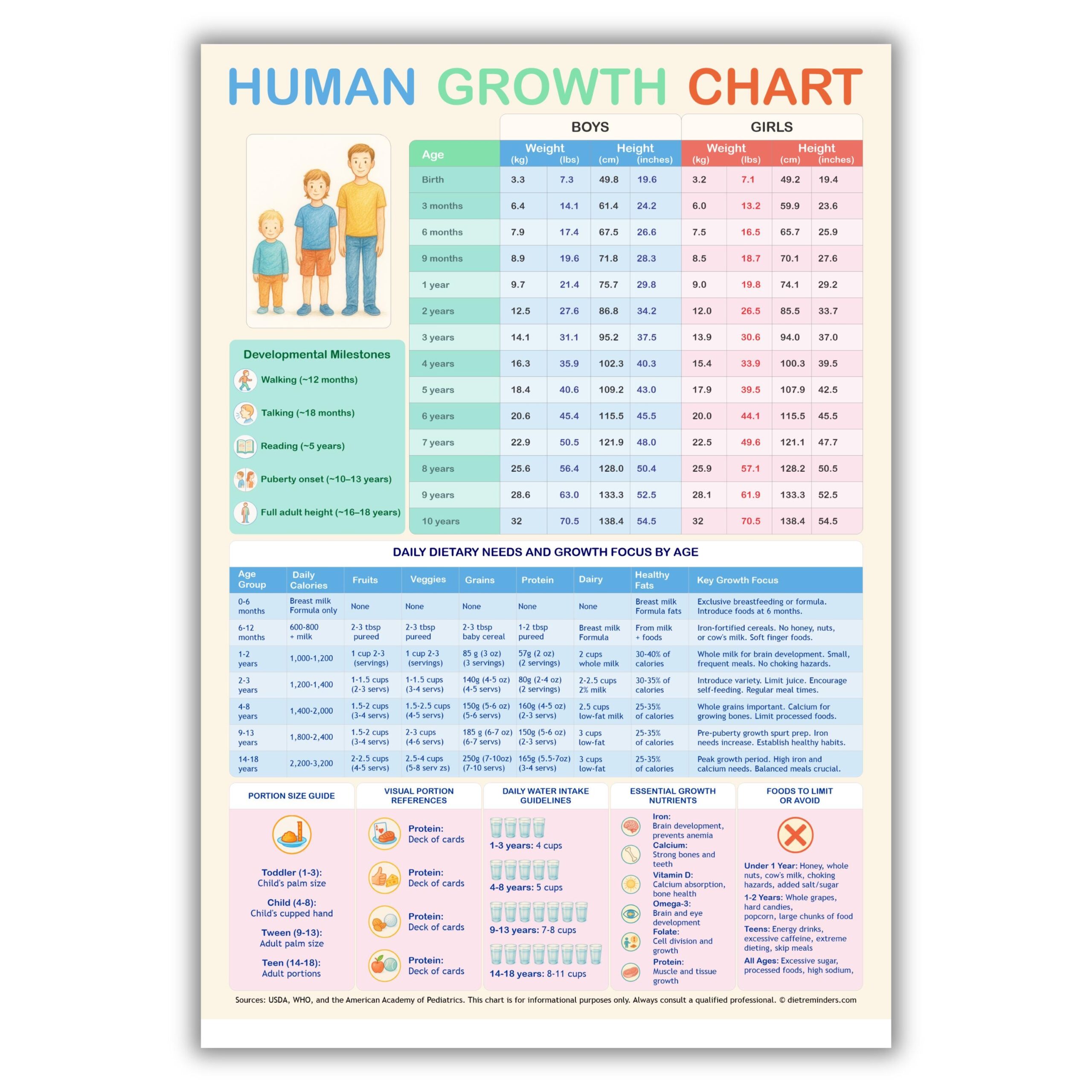
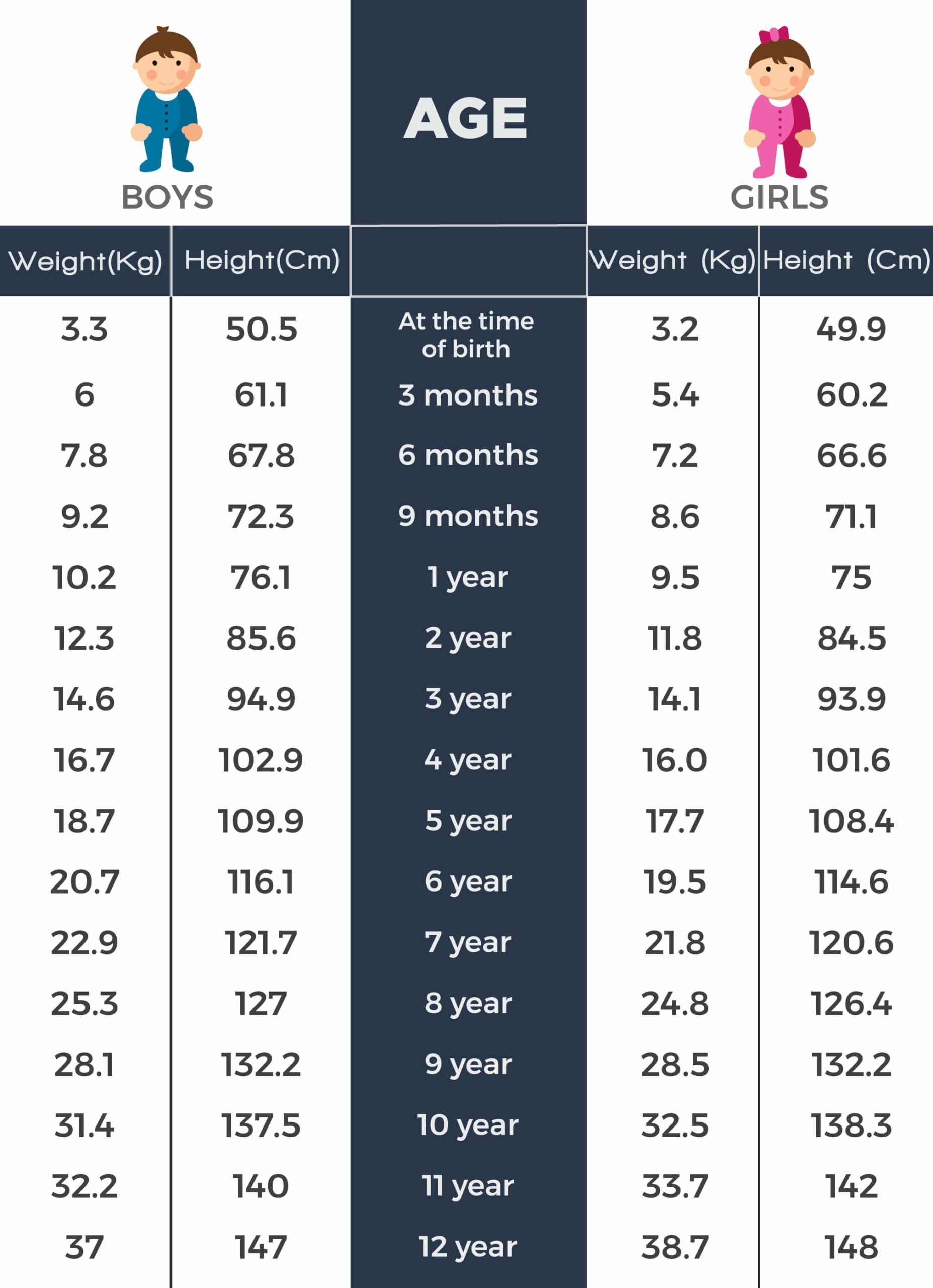
A weight chart as per age typically shows the weight ranges for children at different ages. These charts are based on data collected from large groups of children, providing a benchmark to compare your child’s weight against peers.
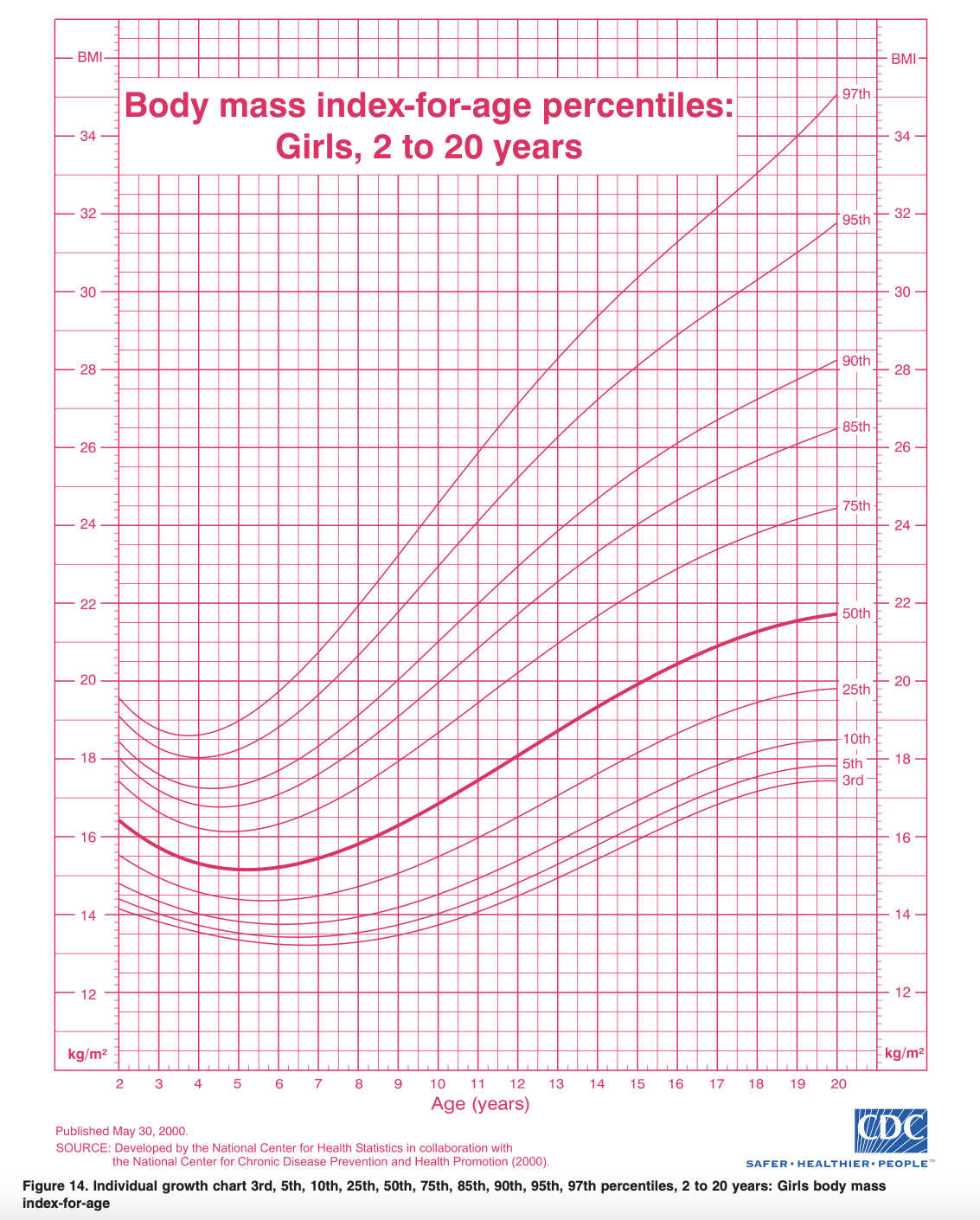
To read the chart, locate your child’s age on the horizontal axis. Then, move up to find their weight on the vertical axis. The intersection point will indicate where your child falls in relation to the average. There are usually percentile lines, showing how your child’s weight compares to others:
- 5th percentile: Underweight
- 50th percentile: Average weight
- 95th percentile: Overweight
Understanding these percentiles can help you determine if your child is in a healthy weight range.
Choosing the Right Weight Chart
Not all weight charts are created equal. It’s essential to select one that is appropriate for your child’s age and developmental stage. For instance, charts can vary for infants, toddlers, and older children.
You might want to look for charts that follow the guidelines set by health organizations, such as the World Health Organization (WHO) or the Centers for Disease Control and Prevention (CDC). These charts are often available for download on websites dedicated to children’s health.
When you find a suitable chart, download and print it out. Make sure to choose a format that prints clearly, like PDF. This way, you can fill it in manually or use it as a reference on your device.
Filling Out the Chart
Once you have your weight chart printed, it’s time to put it to use! Here’s how you can fill it out effectively:
- Gather Information: You will need your child’s current weight, which you can get from a scale. Ideally, weigh them at the same time each week, such as in the morning before breakfast.
- Mark the Date: Write down the date next to each entry. This helps you track changes over time.
- Locate the Weight: Find your child’s age on the chart. Move vertically to find their weight. Mark this with a dot or a small X.
- Connect the Dots: If you’re tracking over several weeks or months, connect the dots to visualize the trend. This can reveal patterns in growth or stagnation.
- Review Regularly: Make it a habit to check the chart regularly. This will help you see if your child is consistently growing or if there are any concerns.
What to Do With the Information
After filling out the weight chart as per age, it’s important to interpret the data correctly. If you notice that your child consistently falls below the 5th percentile or above the 95th percentile, it could indicate potential health issues.
Here’s what you can do:
- Consult a Pediatrician: If your child’s weight falls outside the average range, it’s best to discuss this with a healthcare provider. They can provide insights into proper nutrition and health strategies.
- Adjust Diet and Activity: Sometimes, simply making changes to your child’s diet or increasing physical activity can help. Focus on balanced meals rich in fruits, vegetables, whole grains, and proteins.
- Encourage Healthy Habits: Teach your child about healthy eating and the importance of physical activity. Engaging in fun exercises together can motivate them.
Common Mistakes to Avoid
When using a weight chart as per age, there are a few common pitfalls to avoid:
- Infrequent Updates: Don’t let too much time pass between updates. Regular tracking is crucial for spotting trends.
- Ignoring Other Growth Indicators: Weight is just one measure of health. Keep an eye on your child’s height and developmental milestones too.
- Comparing to Peers: Each child grows at their own pace. Focus on your child’s individual growth rather than how they stack up against friends.
A Practical Tip for Parents
To make the most out of your weight chart, consider creating a dedicated space in your home where you can store this chart along with other health records. This keeps everything organized and easily accessible for future reference or doctor visits. You might also want to set reminders for regular weigh-ins and updates to the chart. Consistency is key in monitoring your child’s growth effectively.
Using a weight chart as per age can empower you as a parent to support your child’s health journey. With the right tools and a proactive approach, you can ensure that your child is thriving.
