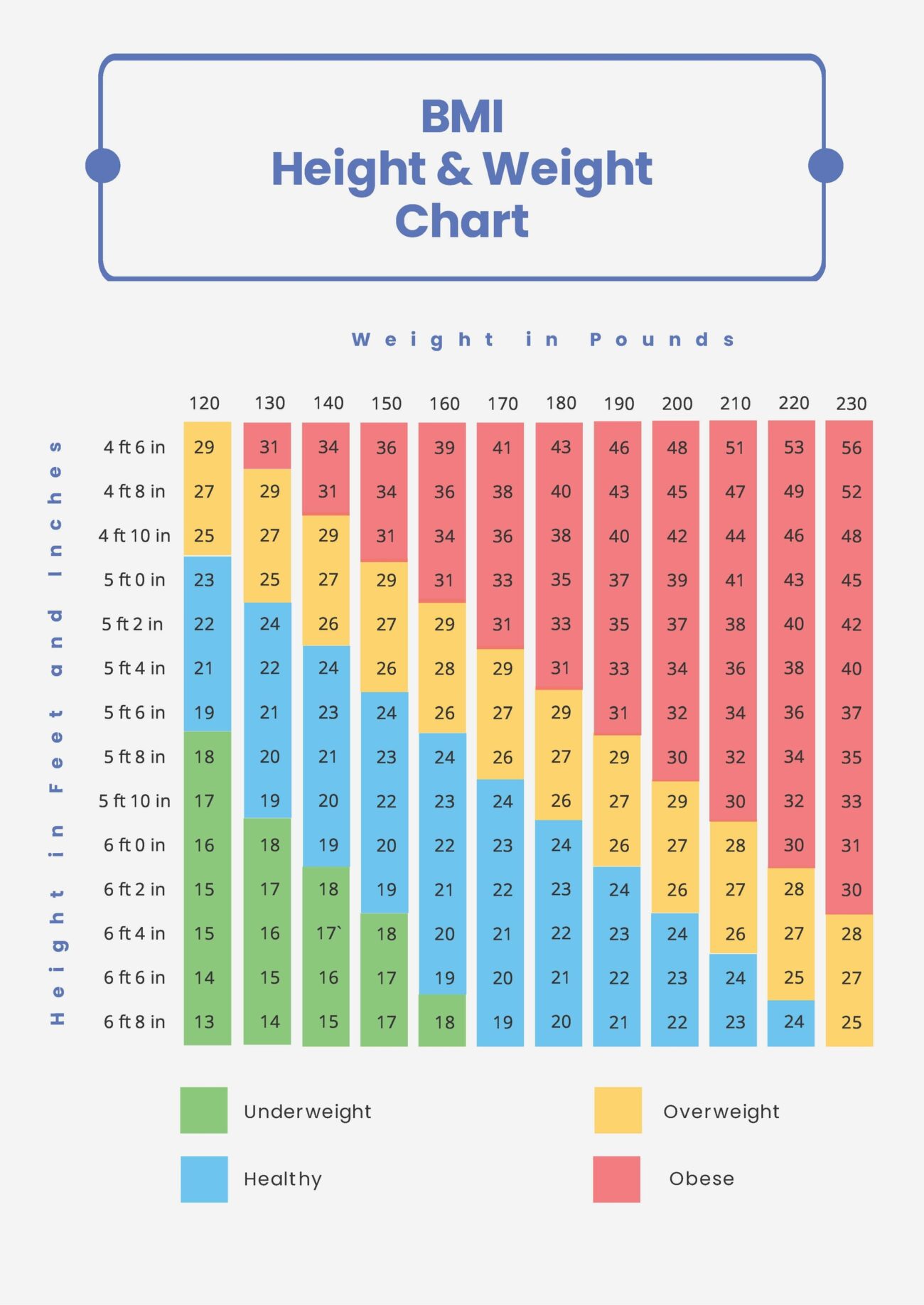
When it comes to tracking your child’s growth, a Weight And Height Comparison Chart is an incredibly useful tool. This printable resource allows you to visually assess your child’s growth trajectory against standardized growth charts, making it easier to identify any trends or concerns. With a simple layout, you can quickly fill in your child’s measurements and see how they compare to average height and weight ranges for their age group.
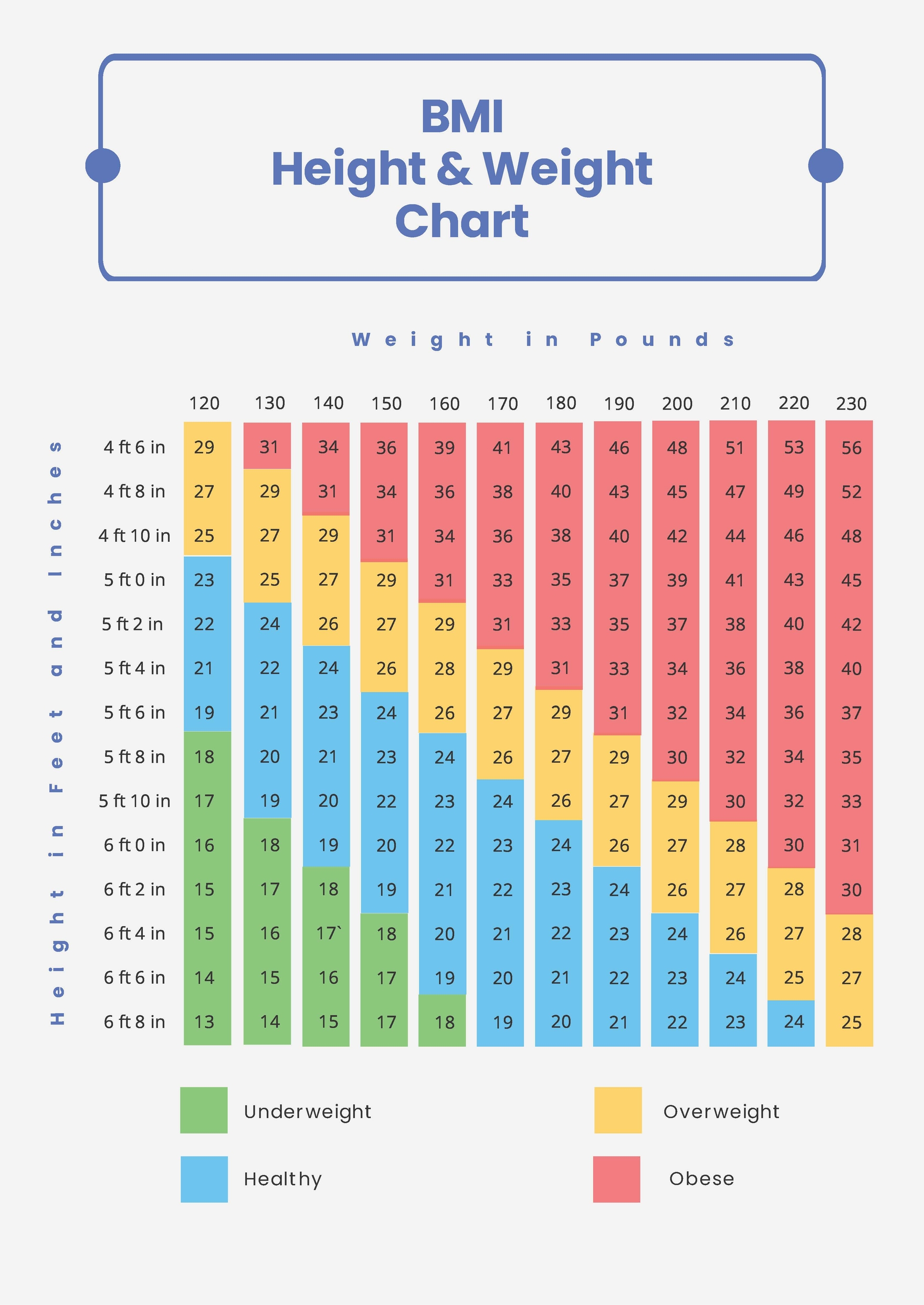
Understanding the Layout of the Chart
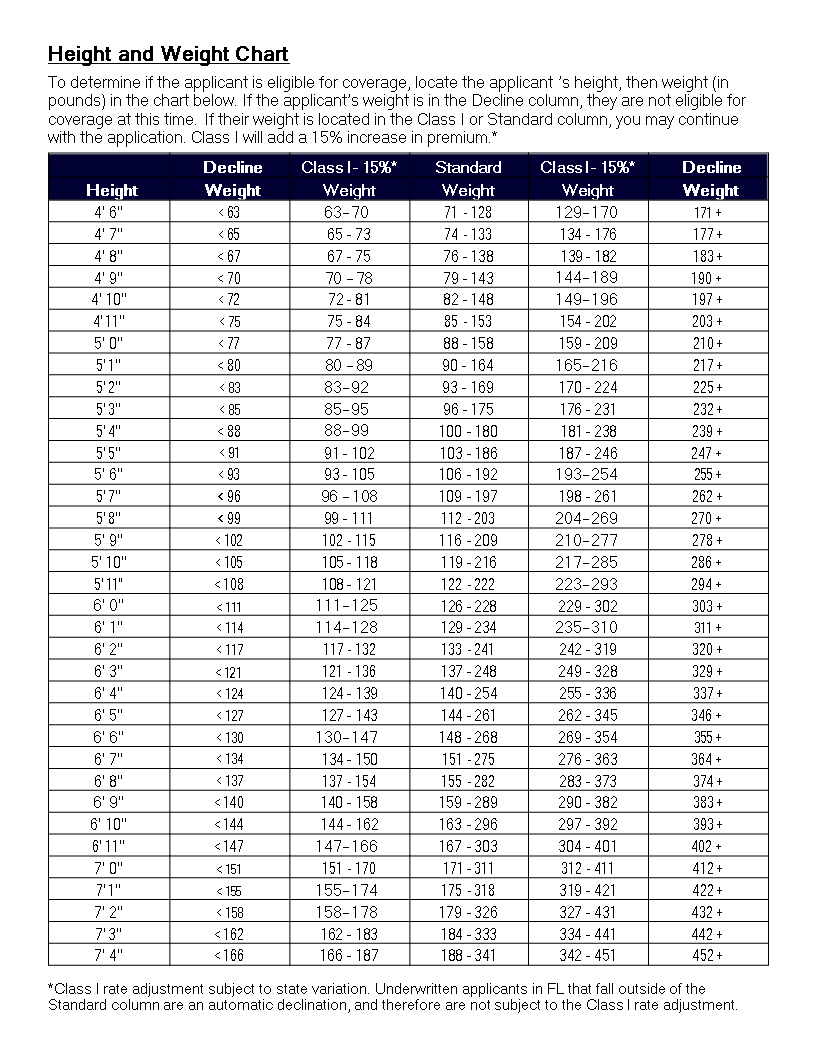
A typical Weight And Height Comparison Chart is divided into sections that allow for easy data entry. You’ll usually find columns labeled for age, height, weight, and sometimes even BMI (Body Mass Index). The chart may be formatted horizontally or vertically, depending on your preference.
- Age: This column is crucial as it allows you to track growth over time. You can write down your child’s age in years or months.
- Height: Measured in inches or centimeters, this is where you’ll enter the most recent height measurement.
- Weight: Similarly, record your child’s weight here, typically in pounds or kilograms.
- Percentiles: Many charts have a percentile ranking system which can help you visualize how your child’s measurements stack up against national averages.
This clear organization of information makes it easy for parents to see trends at a glance, turning what could be a daunting task into a manageable one.
How to Use the Weight And Height Comparison Chart
Using the chart is straightforward. First, gather your child’s latest height and weight measurements. It’s often best to measure height in the morning when they are less likely to be slouching, and weight should be recorded when they are wearing minimal clothing.
Once you have the numbers, fill them in the corresponding columns. After entering the data, you can compare your child’s measurements against the average percentiles provided on the chart.
- Tracking Growth: This chart is particularly helpful during regular check-ups. You can bring it along to appointments and discuss any deviations from the expected growth patterns with your pediatrician.
- Identifying Patterns: By regularly updating the chart, you’ll be able to see growth spurts or periods of stagnation, which can be vital for addressing nutritional needs or health concerns.
Common Mistakes to Avoid
While using a Weight And Height Comparison Chart can be beneficial, there are a few common pitfalls to watch out for.
- Inconsistent Measurements: Make sure you’re measuring height and weight under similar conditions each time. Variations can lead to confusion and inaccurate tracking.
- Neglecting to Update: It’s easy to forget to update the chart regularly. Set a reminder to check your child’s measurements every few months, or after regular doctor visits.
- Ignoring Percentiles: While percentiles are a great tool for comparison, remember that each child grows at their own pace. What’s most important is the overall trend rather than a single measurement.
Where to Use the Chart
Your Weight And Height Comparison Chart can serve multiple purposes. Here are a few ideas on where and how to use it effectively:
- At Home: Keep the chart in a visible place, like on the fridge, to encourage regular updates. This can also spark discussions about health and nutrition with your child.
- In School: Teachers and caregivers can use these charts to monitor growth in a classroom setting. They can be particularly useful in physical education classes or health education discussions.
- During Doctor Visits: Bring the chart with you to pediatric appointments. It serves as a handy reference to discuss any growth concerns with your healthcare provider, ensuring you have all the necessary data at hand.
Printable Versions and Customization
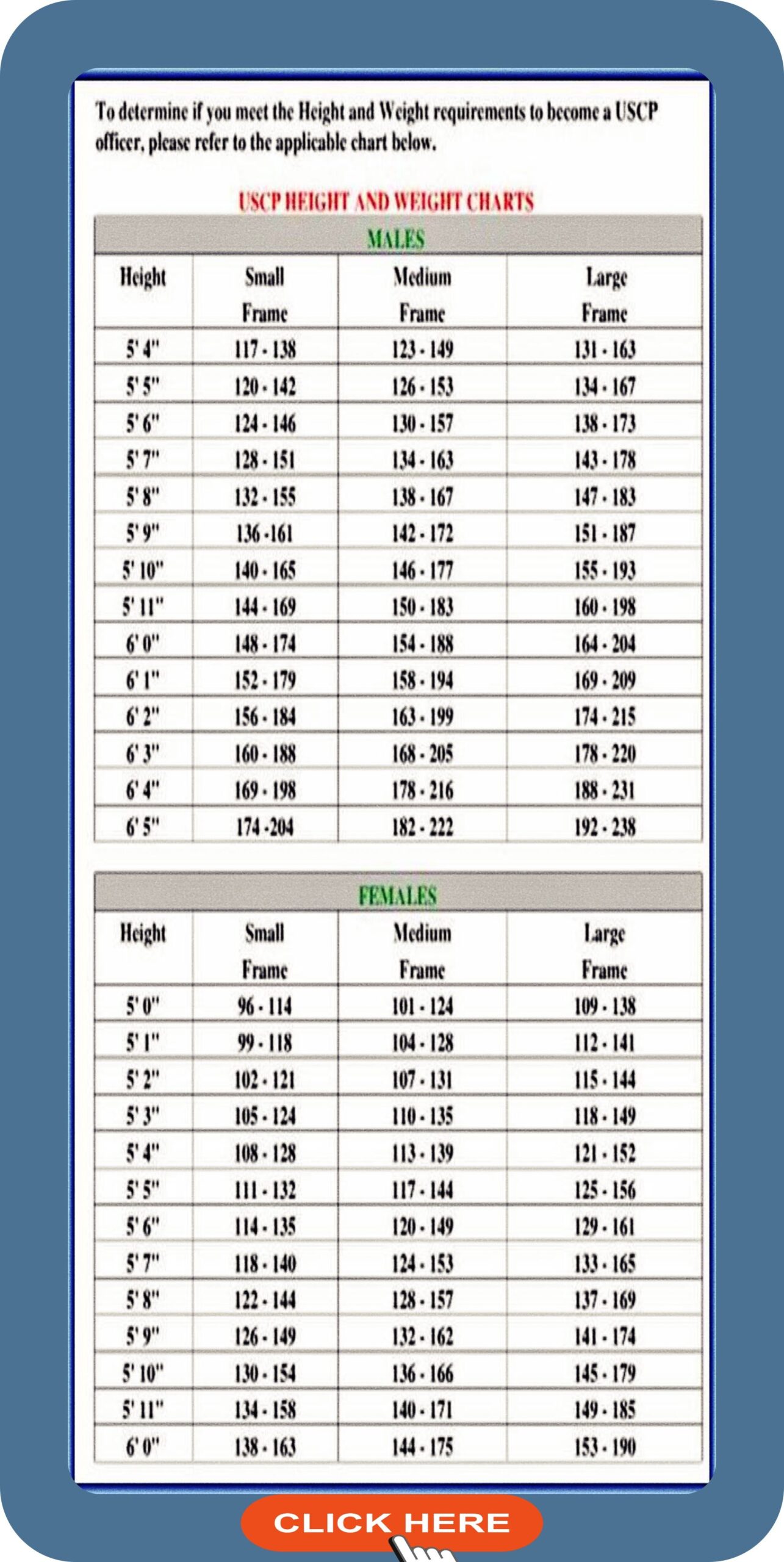
Many websites offer downloadable and printable versions of the Weight And Height Comparison Chart, making it easy to find one that fits your needs. You can choose between colorful designs that appeal to kids or more straightforward layouts for adults.
- Standard Sizes: Most charts are formatted to fit standard paper sizes (like A4 or Letter) which makes printing at home easy.
- Customizable Fields: If you prefer a more tailored approach, look for charts that allow you to customize fields. This way, you can add additional sections for notes or other relevant health information.
Choosing the right chart can make all the difference in how effectively you track your child’s growth.
By using a Weight And Height Comparison Chart effectively, you can stay on top of your child’s health and growth patterns, making it a valuable tool for parents and caregivers alike. Whether you opt for a simple, traditional layout or a more colorful, engaging template, the key is consistency and attention to detail. Happy tracking!
