Tracking your child’s growth is vital for their overall health and development. A Weight And Height Chart For Girls is a practical tool that enables parents and guardians to monitor their daughters’ growth over time. This chart provides a clear visual representation of the expected weight and height ranges for girls at various ages, helping you ensure they are growing at a healthy pace. In this article, I’ll guide you through how to use this chart effectively, what information to gather, and how to incorporate it into your regular routine.
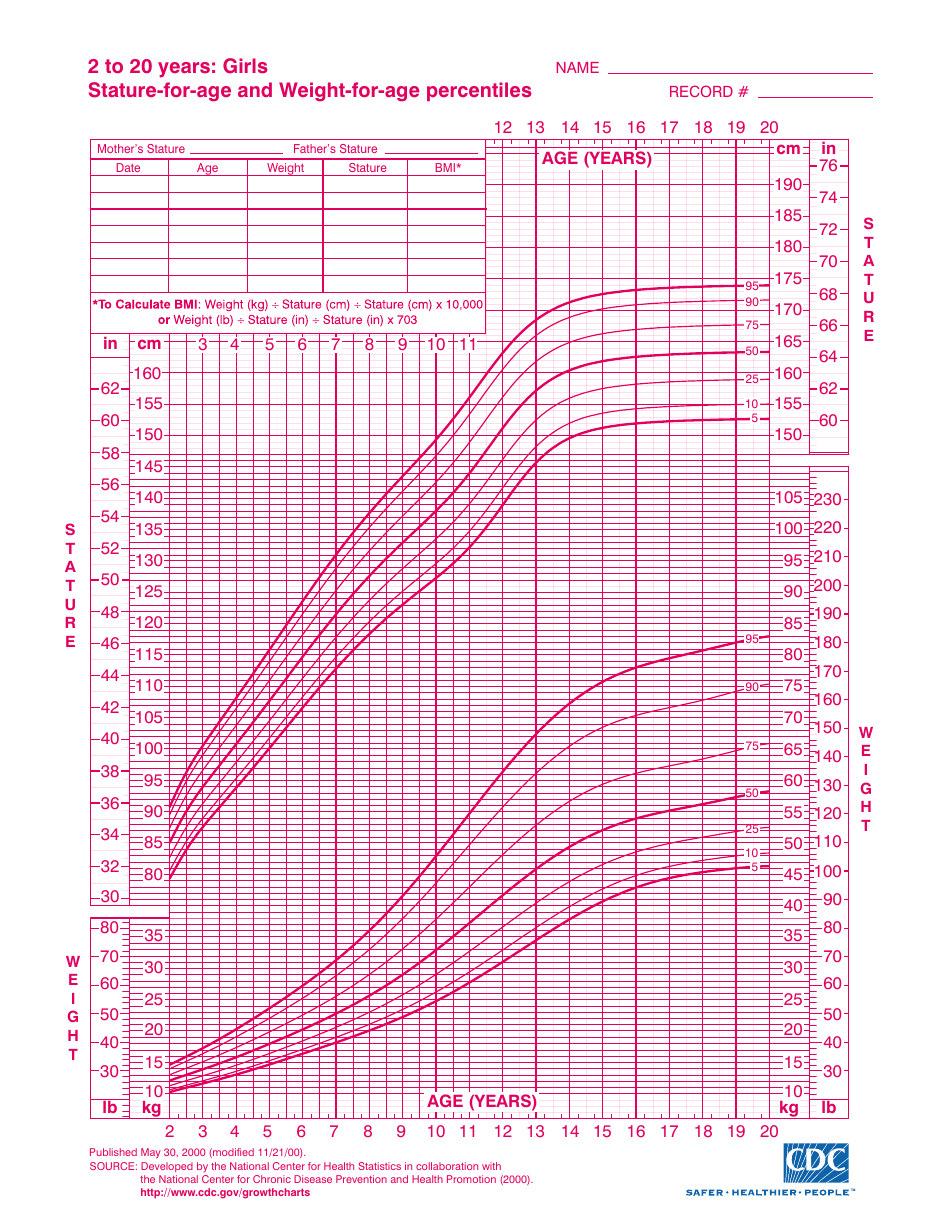
Understanding the Weight And Height Chart For Girls
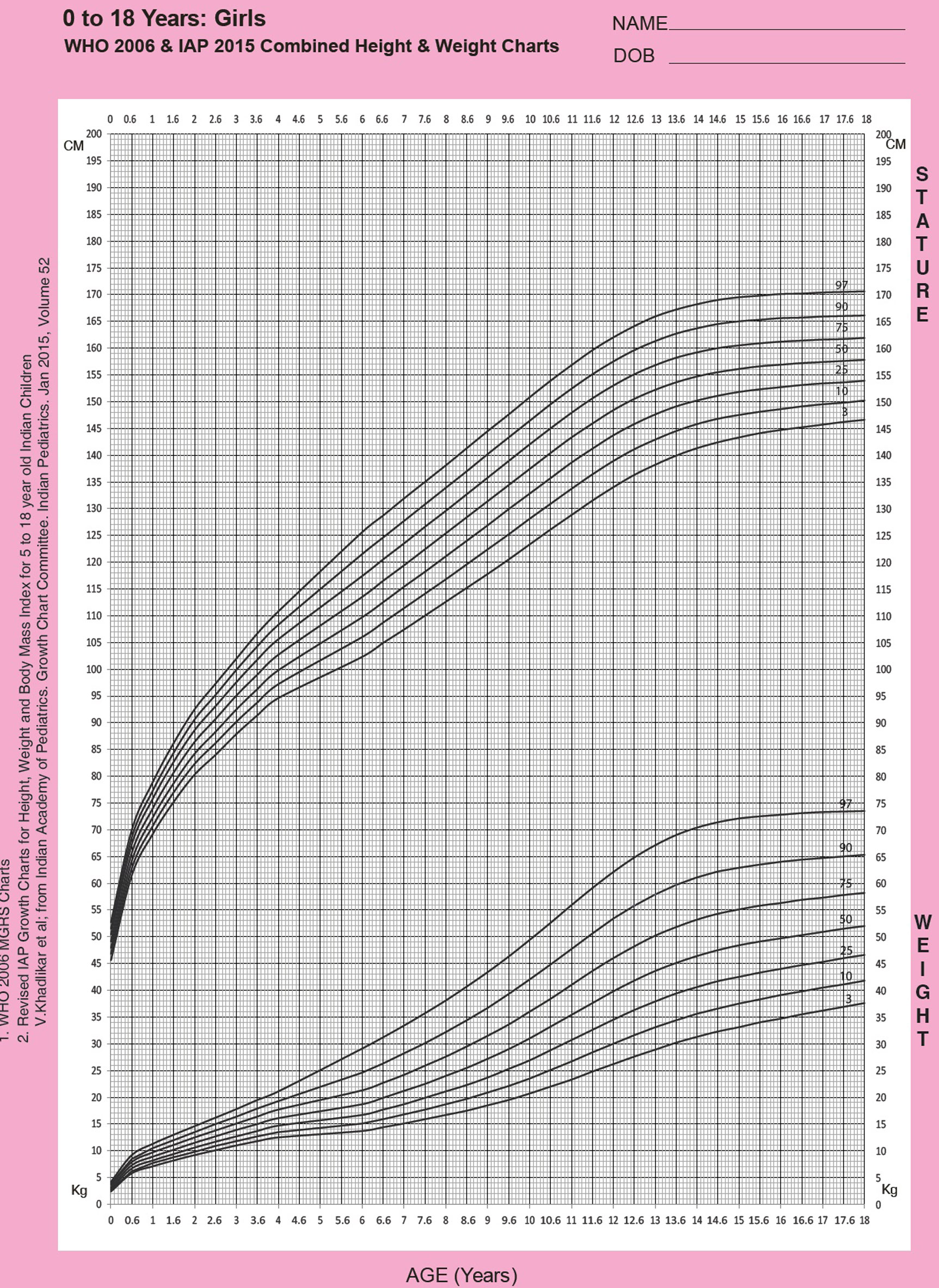
The Weight And Height Chart For Girls typically includes a range of heights and corresponding weights for different age groups. This chart is structured to help you easily identify where your child falls within the average range. These charts are often divided by age, usually starting from infancy up to around 18 years old.
When you look at a chart, the vertical axis usually represents height, while the horizontal axis indicates weight. Each point on the chart corresponds to a specific age, allowing you to visualize your child’s growth trend over the years. Understanding how to read this chart is essential in identifying any potential growth concerns.
How to Use the Chart Effectively
To get started with your Weight And Height Chart For Girls, follow these steps:
- Gather Information: You’ll need your child’s current height and weight. Use a measuring tape for height and a scale for weight. Make sure to measure them while they are standing straight and barefoot for accurate results.
- Locate the Age: Find your child’s age on the chart. This could be their exact age or the closest age range represented.
- Plot the Measurements: Once you locate their age, plot their height and weight on the chart. This will allow you to see whether they fall within the average range or if they are above or below it.
- Track Progress: Regularly update the chart as your child grows. This could be done monthly or quarterly, depending on how quickly you want to track their growth.
- Consult with Healthcare Providers: If you notice your child consistently falls outside the average range, consider discussing this with a healthcare provider. They can provide insights into whether this is a cause for concern or if it’s just part of your child’s unique growth pattern.
Practical Tips for Parents
When using the Weight And Height Chart For Girls, here are some additional tips to enhance your experience:
- Frequency of Updates: Regularly updating the chart can help you notice trends over time. Aim for every few months, especially during growth spurts.
- Use a Digital Version: If available, consider using an online or app-based version of the chart. This can make it easier to track and can often provide additional insights based on your inputs.
- Incorporate into Health Checkups: Bring the chart to your child’s health checkups. This way, you can discuss their growth with your pediatrician and get professional advice.
- Celebrate Milestones: Use the chart to celebrate milestones in your child’s growth. Recognizing these moments can encourage a positive attitude towards health and wellness.
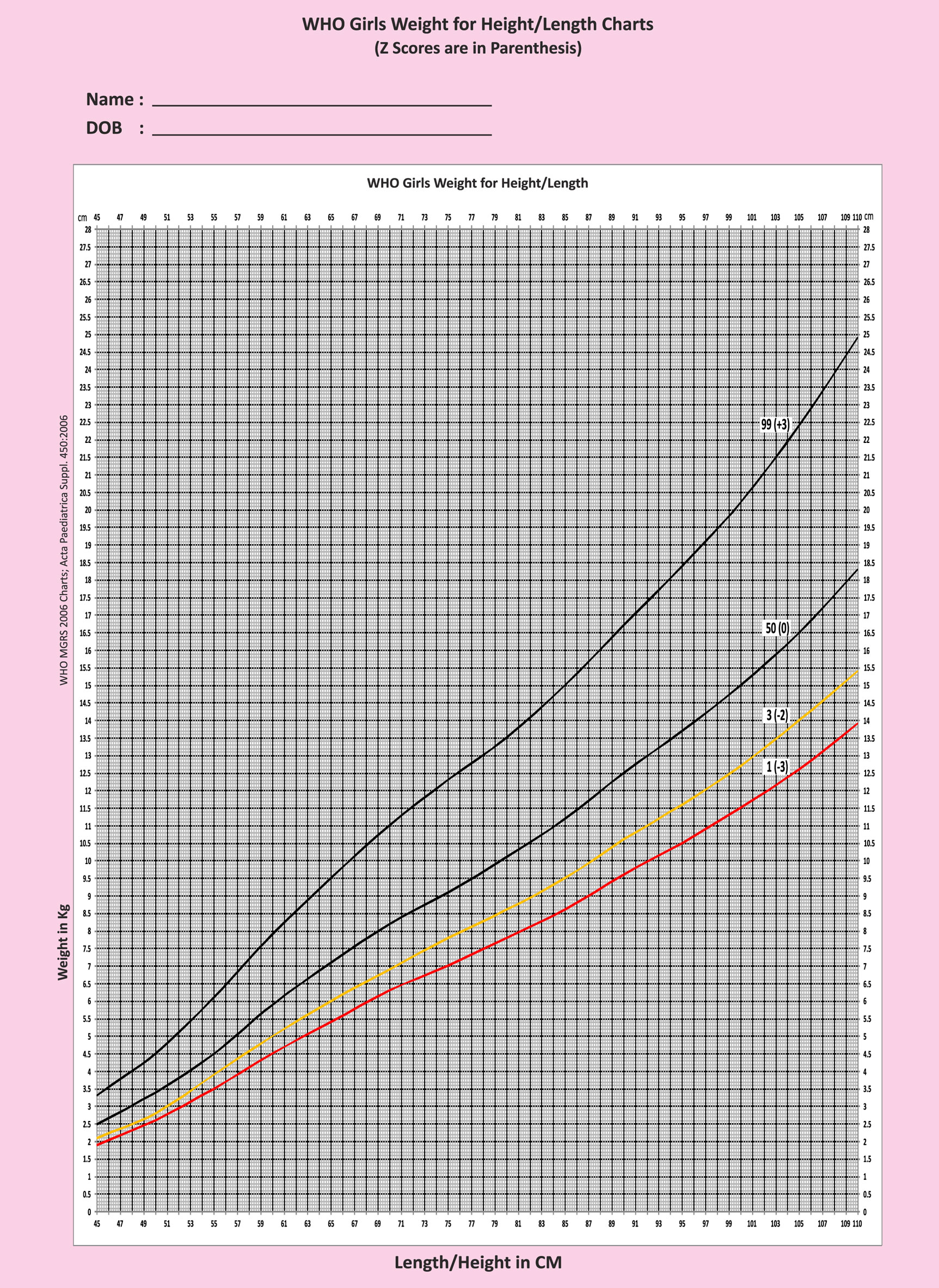
Where to Find Your Weight And Height Chart For Girls
You can find printable versions of the Weight And Height Chart For Girls online. Many health organizations and parenting websites offer free downloads. When selecting a chart, ensure it’s up-to-date and based on the latest growth standards. A PDF format is often preferred because it maintains the original layout when printed, making it easier to read and use.
Ensure that the chart you choose is suitable for your region, as growth patterns can vary based on geographic and ethnic factors. If you’re unsure, consult with your local healthcare provider for recommendations on the best resources.
