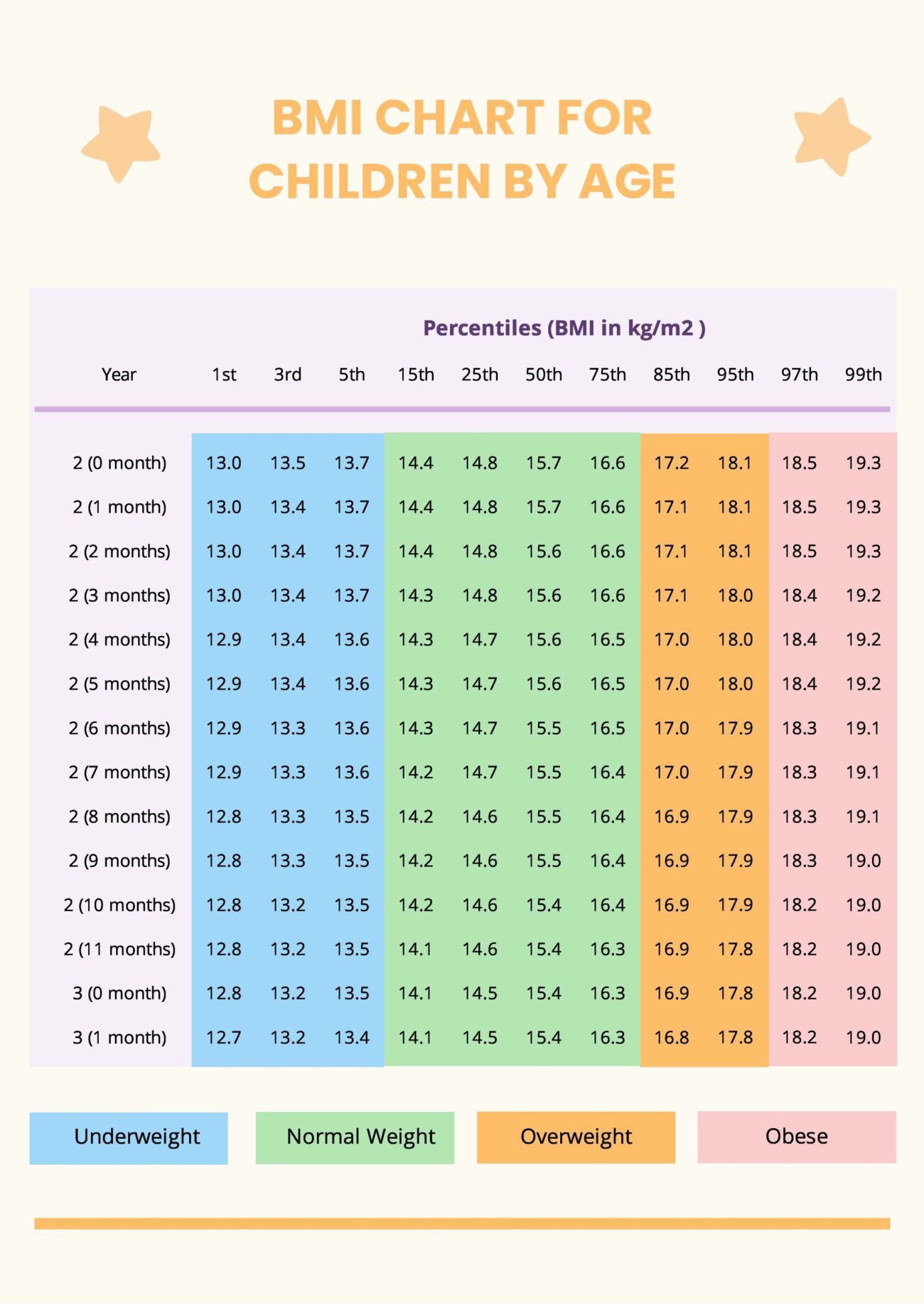
[Bmi Chart With Age Height And Weight]
Tracking your family’s health can sometimes feel overwhelming. One useful tool is a BMI chart with age, height, and weight. This chart allows you to see how your child’s body mass index compares to others in their age group. Understanding where they stand can help you make informed decisions about nutrition and activity levels.
What is a BMI Chart?
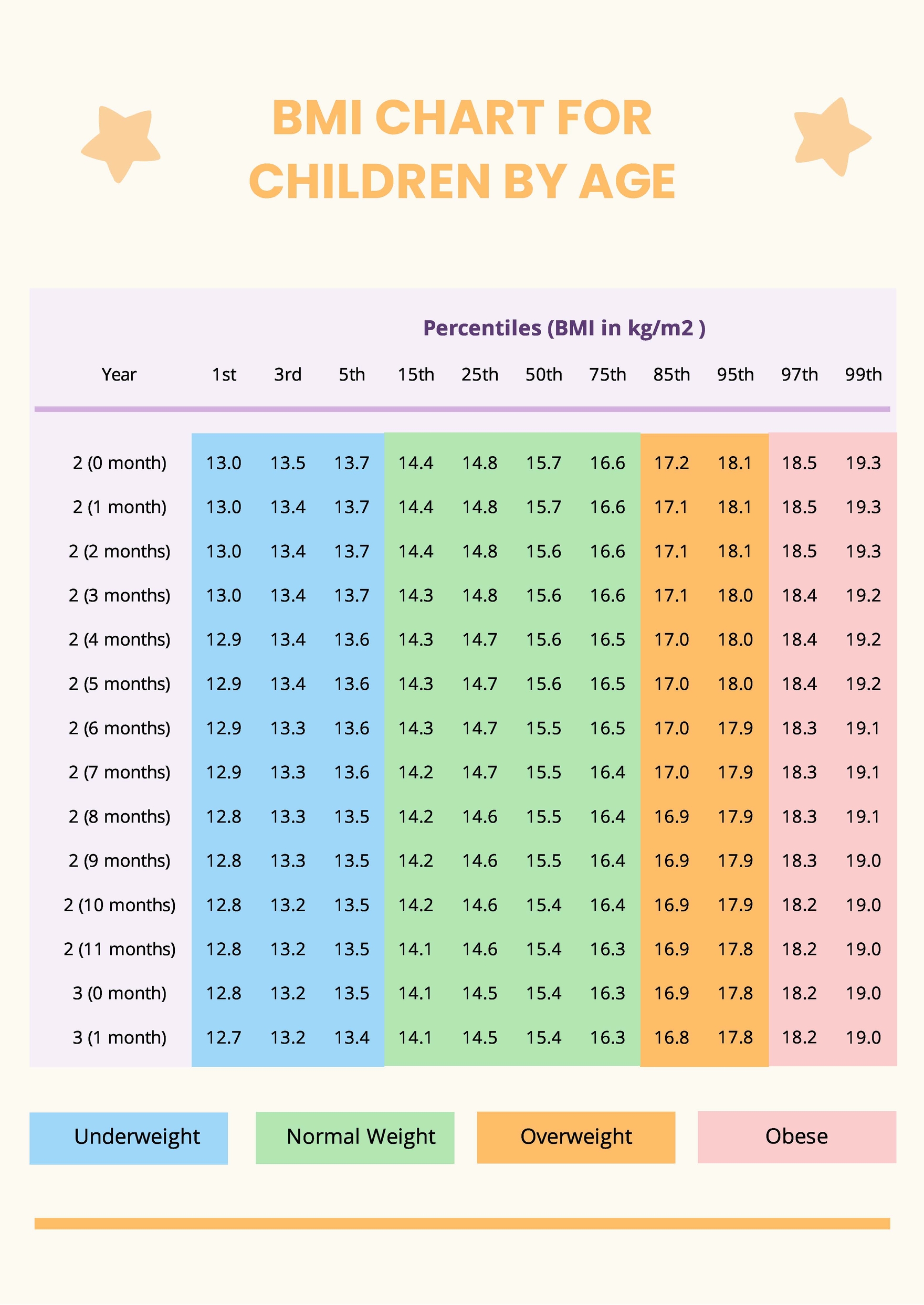
A BMI chart is a visual representation that helps you understand your child’s body mass index (BMI). BMI is a calculation that uses height and weight to estimate body fat. For kids, it’s especially important to consider age and sex when interpreting the results. The BMI chart provides a straightforward way to visualize this information, making it easier for parents to keep track of their children’s growth and health.
How to Read the BMI Chart
Reading a BMI chart might seem daunting at first, but it’s quite simple. Here’s how you can effectively use it:
- Locate the Age: Start by finding your child’s age on the left side of the chart. The BMI chart is typically segmented into age groups.
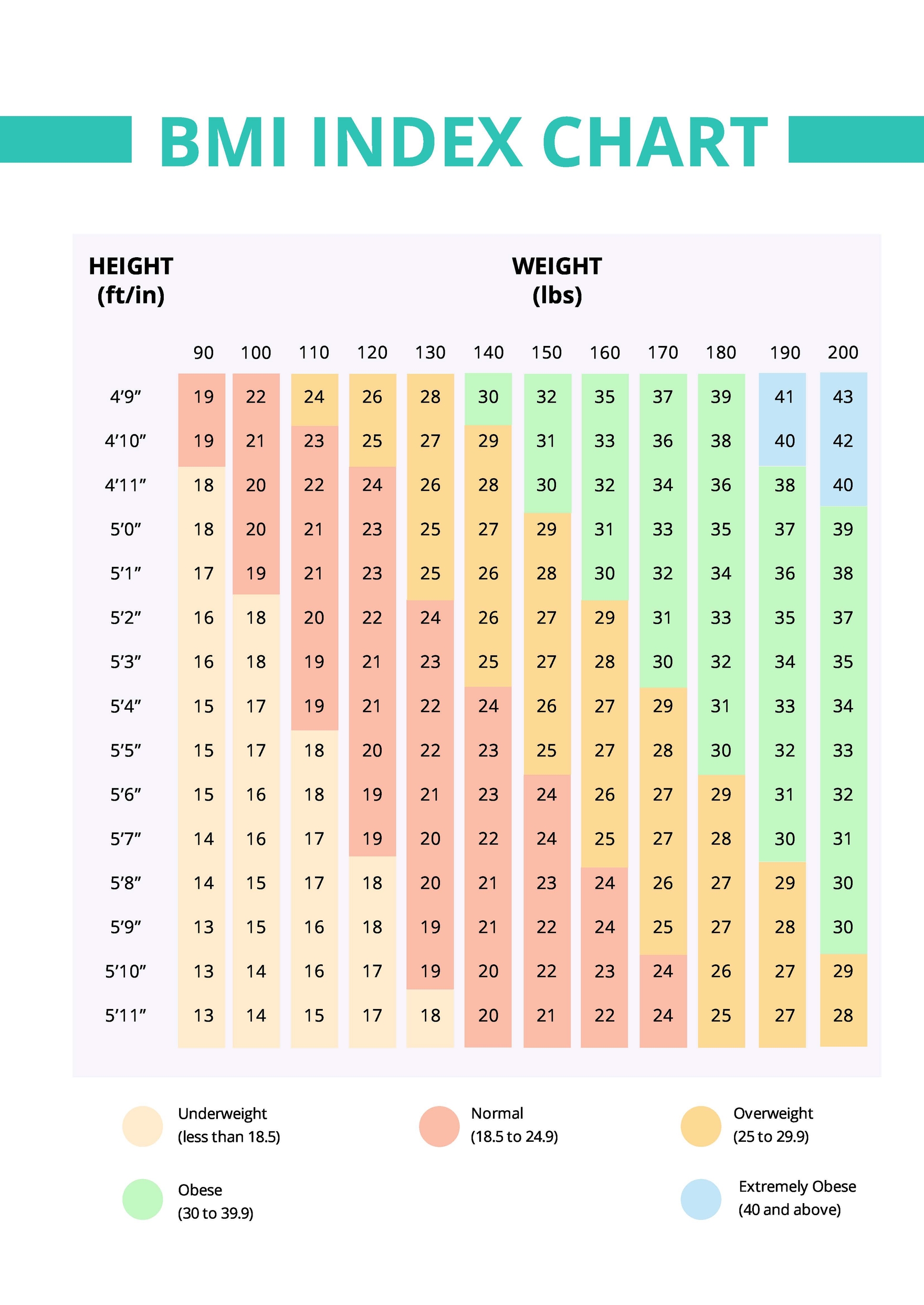
- Find Height and Weight: Next, look across to find your child’s height and weight. The intersections of these points will give you a BMI value.
- Interpret the Results: The chart will have colored zones indicating underweight, healthy, overweight, and obese ranges. It’s essential to look at where your child’s BMI falls within these categories to assess their health.
- Consider Other Factors: Remember, BMI is just one measure of health. Genetics, muscle mass, and overall fitness also play a significant role. Always consult with a healthcare provider for a comprehensive evaluation.
Filling Out the BMI Chart
You can easily fill out a BMI chart with your child’s details. Here’s a step-by-step guide:
- Gather Information: Measure your child’s height and weight accurately. Make sure they stand straight against a wall, and use a precise scale for weight.
- Use a Printable Chart: Download a printable BMI chart suitable for your child’s age. You can find templates online that are easy to print.
- Record Data: Write down your child’s height and weight on the chart. This will help you track changes over time.
- Regular Updates: Update the chart regularly, especially during growth spurts or significant lifestyle changes. This keeps you informed about their health trajectory.
When to Use a BMI Chart
Using a BMI chart can be beneficial at various stages of your child’s life:
- Annual Check-ups: Bring the chart to your child’s yearly health check-up. It can help your pediatrician assess growth and development.
- During Growth Spurts: Kids often experience growth spurts, especially during puberty. Monitoring their BMI during these times can help you ensure they’re on the right track.
- For Lifestyle Changes: If you’re making changes to your family’s diet or activity levels, track your child’s BMI to see how these adjustments impact their health.
Printing and Using Your BMI Chart
When you’re ready to print your BMI chart, here are some tips:
- Paper Choice: Use standard A4 or letter-sized paper for easy handling. If you plan to keep it for a long time, consider using cardstock for durability.
- Printer Settings: Adjust your printer settings to ensure the chart prints at the correct size. Avoid scaling options that might distort the chart.
- Display It: Once printed, find a visible spot in your home to display the chart. This will serve as a reminder to regularly check and update your child’s BMI.
- Laminating: If you’re using the chart frequently, laminating it can protect it from wear and tear. You can use dry-erase markers to make temporary notes.
Adapting the Chart for Family Use
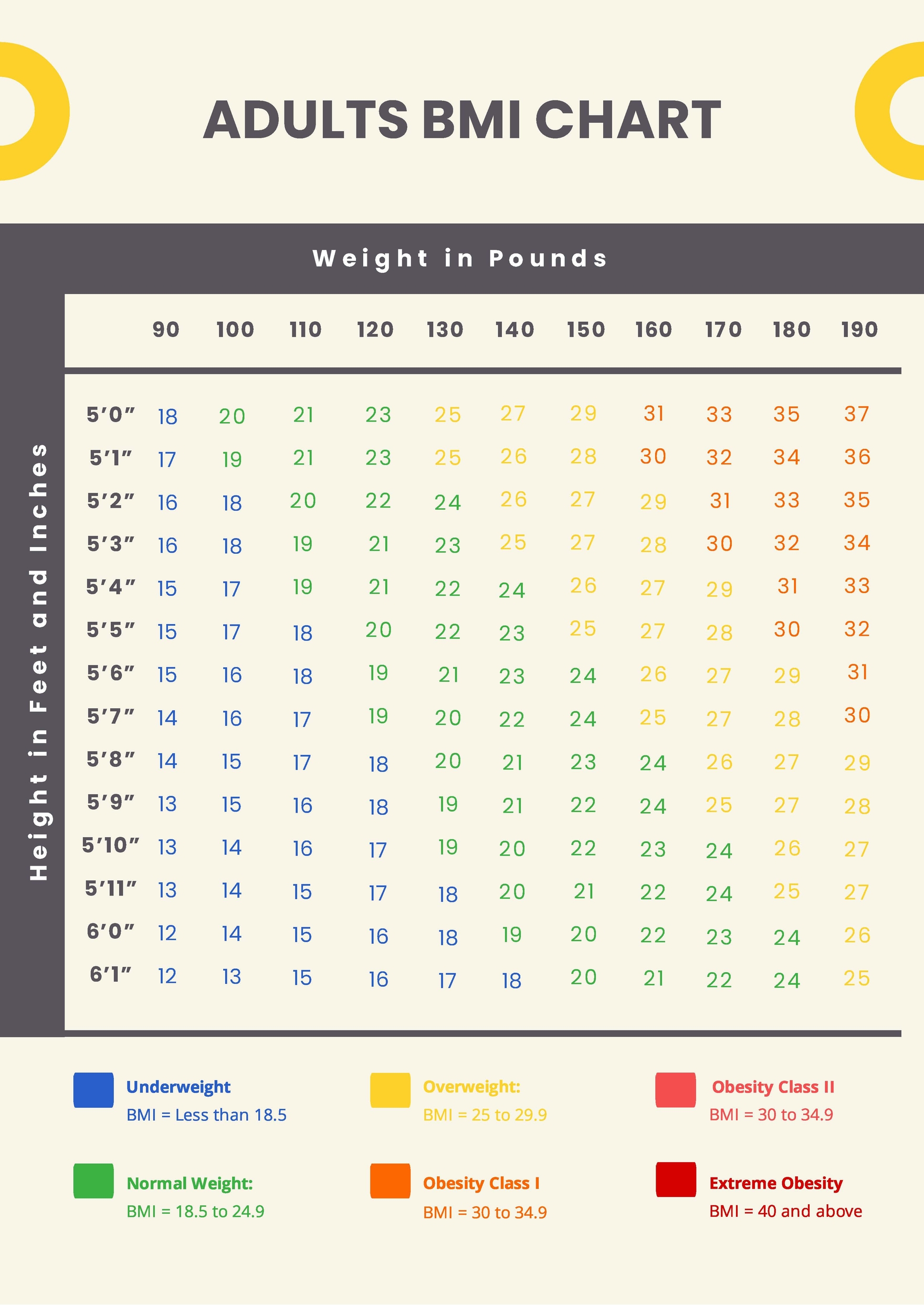
You might find that a BMI chart is useful not just for your children but for the entire family. Here are some ideas:
- Family Health Days: Set aside a day to review everyone’s BMI and discuss health goals. This can promote a healthy lifestyle for everyone.
- Create a Family Challenge: Use the BMI chart to track progress towards family fitness goals. This can foster motivation and accountability among family members.
- Educational Tool: Teach your kids about healthy habits and the importance of maintaining a healthy weight. Discuss what the BMI numbers mean and how they relate to overall health.
By utilizing a BMI chart with age, height, and weight, you can play an active role in your family’s health. It’s an easy-to-use tool that can help you make informed decisions about nutrition and fitness. Regularly updating and reviewing this chart can lead to better health outcomes for your loved ones. So go ahead, download your BMI chart today and start tracking!
