Creating a Nutrition Diet Chart for Weight Loss can be a useful option in your journey to a healthier lifestyle. Unlike generic meal plans, this printable resource is designed specifically to help you track your food intake while aiming for weight loss. It provides a clear, organized layout that makes it easy to see what you’re eating and how it fits into your daily calorie goals.
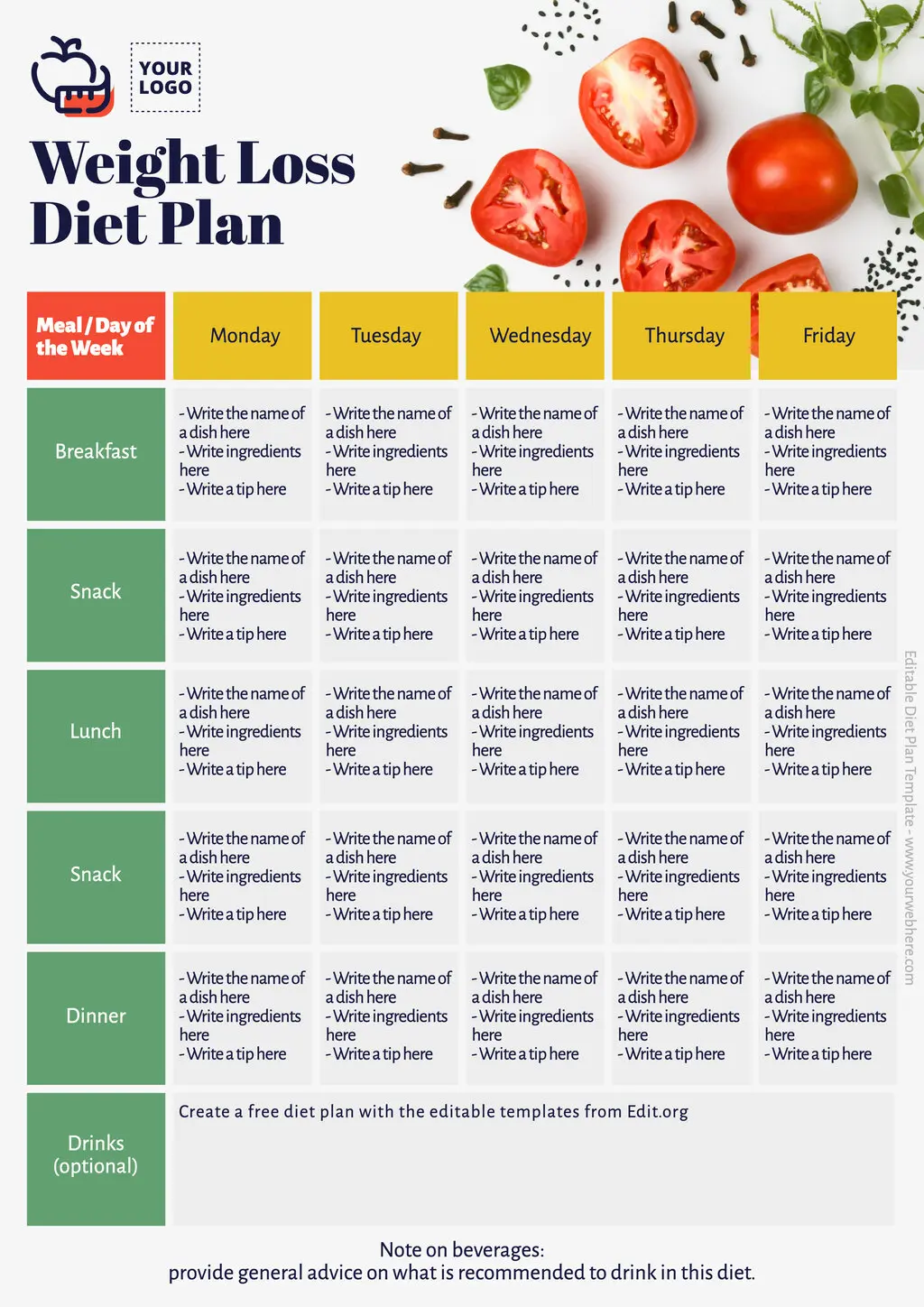
Understanding the Layout of the Nutrition Diet Chart
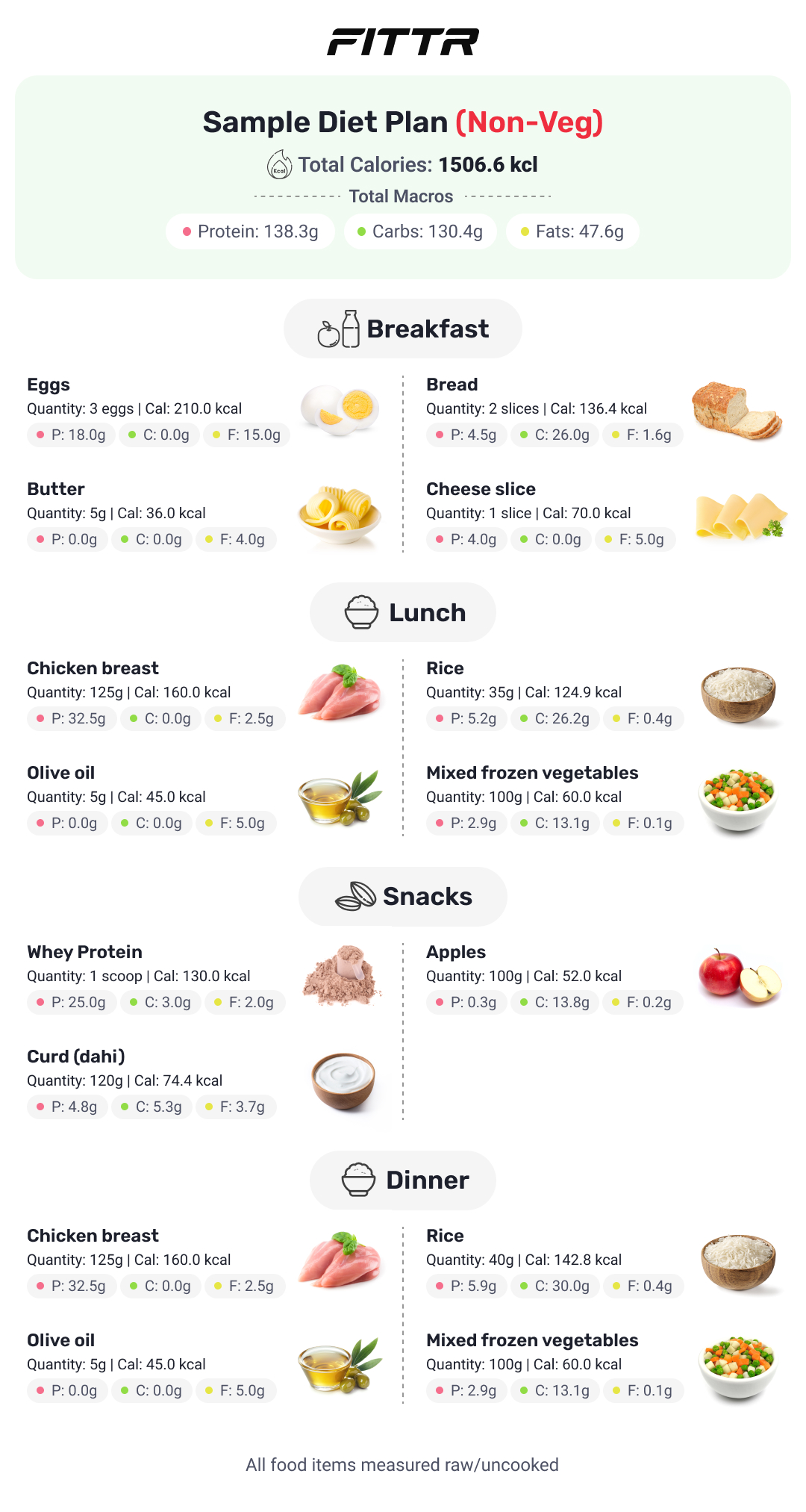
The first thing you’ll notice about the Nutrition Diet Chart is its user-friendly design. Each section is carefully organized to help you track various aspects of your diet. Typically, you’ll see columns for meals (breakfast, lunch, dinner, and snacks), food items, portion sizes, and calorie counts. This layout allows you to fill in your details easily, whether you choose to complete it digitally or print it out.
When filling out the chart, you can start by planning your meals for the week. The structured format helps you visualize your daily nutrition, making it easier to make healthier choices. If you prefer writing by hand, printing the chart on sturdy paper can make it more durable, especially if you plan to use it regularly.
Benefits of Using a Printable Nutrition Diet Chart
One of the major benefits of a Nutrition Diet Chart for Weight Loss is that it helps you stay accountable. By logging what you eat, you become more aware of your eating habits. This awareness can motivate you to make healthier choices.
Additionally, having a printable chart means you can customize it to fit your specific dietary needs. For example, if you’re following a low-carb or vegetarian diet, you can adjust the food items listed accordingly. This flexibility is particularly useful for those who may have food allergies or specific nutritional goals.
Filling Out Your Nutrition Diet Chart
Filling out your Nutrition Diet Chart is straightforward. Begin by deciding on your daily caloric intake based on your weight loss goals. Then, look at the different meals and list your planned food items. It can be helpful to include a variety of foods to ensure you’re getting a balanced diet, incorporating proteins, carbohydrates, fats, and plenty of fruits and vegetables.
If you opt for the digital version, you can easily adjust portion sizes and food items without needing to reprint the chart. This might be particularly handy during busy weeks when meal planning feels overwhelming. However, writing by hand can enhance your connection to the information, helping you remember what you’ve eaten and how it affects your body.
Tips for Effective Meal Planning
To make the most of your Nutrition Diet Chart for Weight Loss, consider these practical tips:
- Plan Ahead: Dedicate a specific time each week to plan your meals and fill in your chart. This habit can save you time during the week and reduce the likelihood of unhealthy choices.
- Keep It Visible: Place your chart somewhere prominent, like on your fridge or workspace. This constant reminder can help you stay focused on your goals.
- Be Realistic: It’s important to set achievable goals. If you know you have a busy week ahead, plan simpler meals that require less preparation.
- Track Progress: Use additional sections to note down how you feel after meals or your energy levels throughout the day. This can be a helpful guide in adjusting your diet for better results.
By using these strategies, you can enhance the effectiveness of your Nutrition Diet Chart and make it a vital part of your weight loss journey.
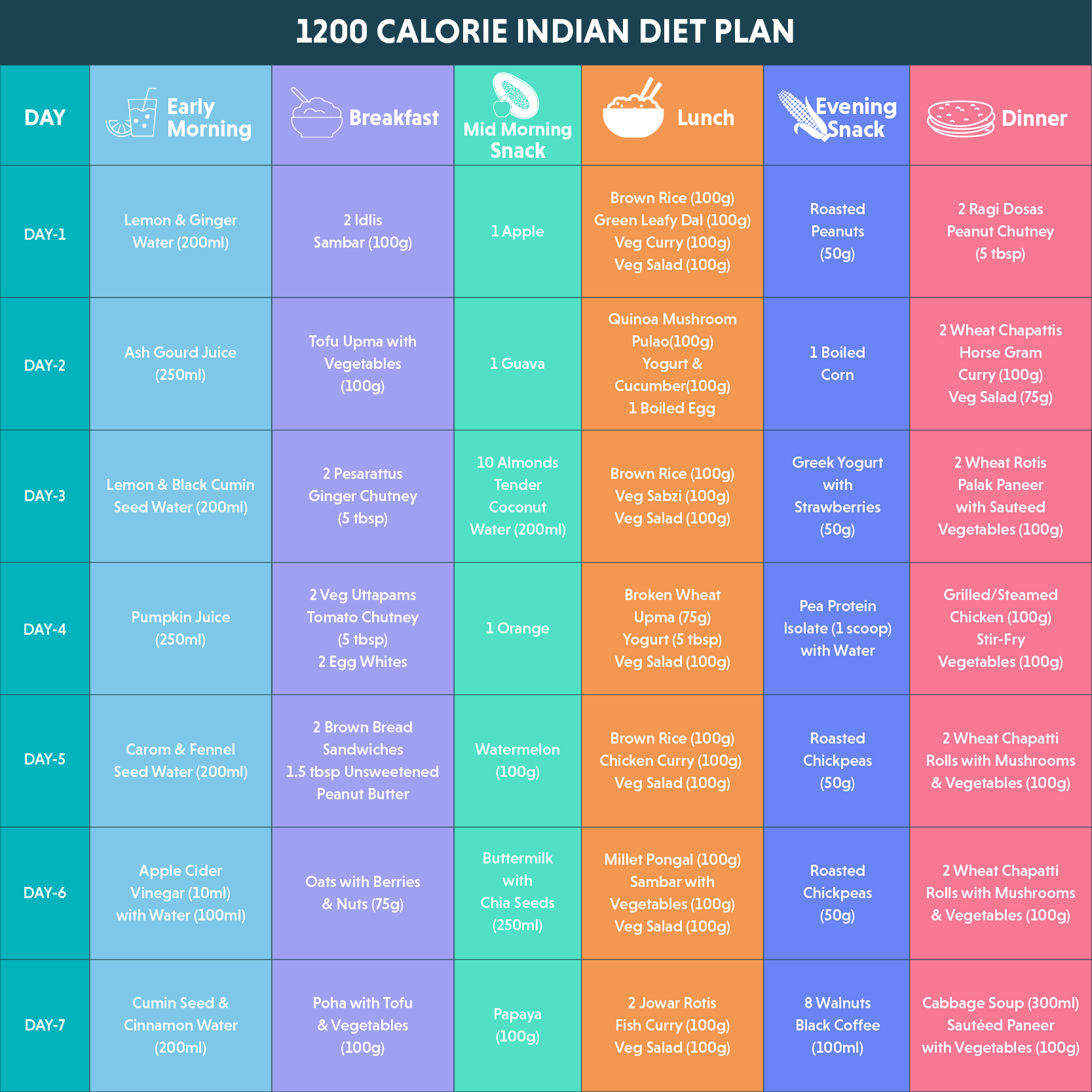
Common Mistakes to Avoid
When using a Nutrition Diet Chart, be mindful of common pitfalls that can derail your progress:
- Ignoring Portion Sizes: It’s easy to underestimate how much you’re eating. Make sure to measure your food portions accurately.
- Skipping Meals: Some people believe that skipping meals will help with weight loss, but this can lead to overeating later. Make sure to include all meals in your chart.
- Not Being Honest with Yourself: It’s crucial to fill out your chart truthfully. If you indulge in a treat, write it down. This honesty can help you identify patterns in your eating habits.
