Monitoring your baby’s growth is a key part of parenting, and understanding what constitutes a healthy weight is crucial. The Normal Weight Chart For Infants serves as a helpful reference for parents to track their infant’s weight against established standards. Using this chart can help you identify whether your baby is growing as expected, which is important for their overall health and development.
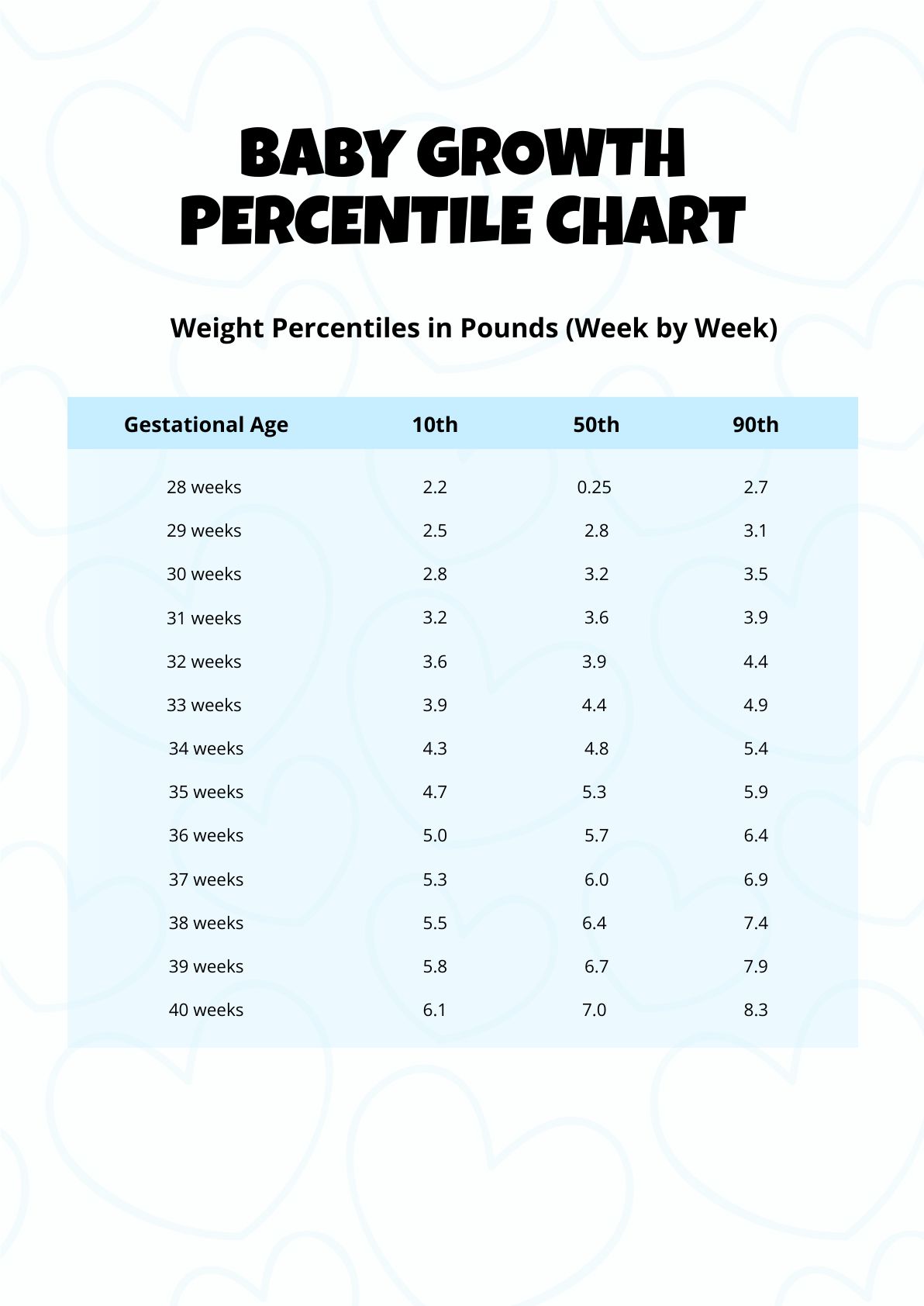
Understanding the Normal Weight Chart For Infants
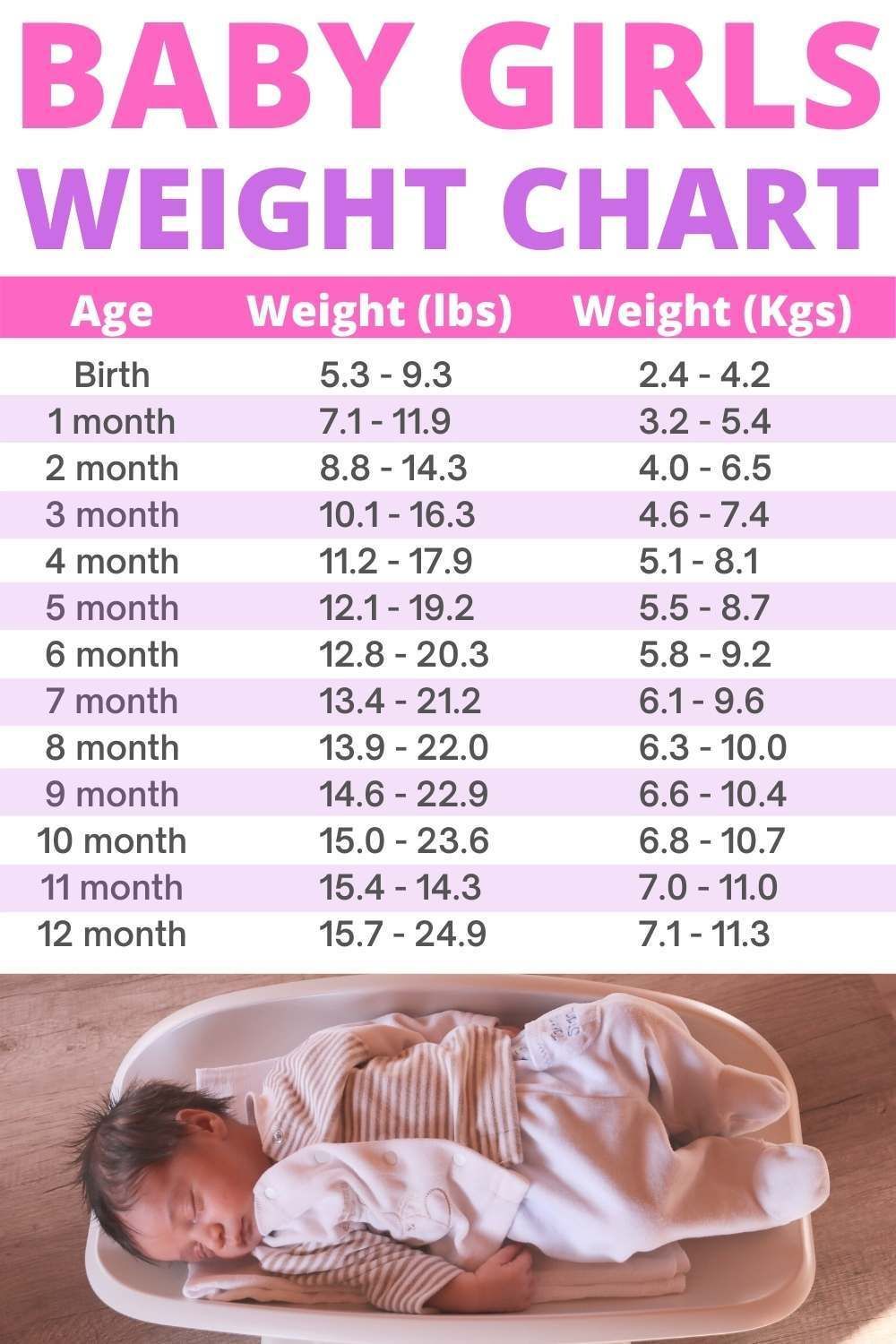
The Normal Weight Chart For Infants typically displays weight percentiles based on age and sex. Most charts are divided into months, starting from birth up to 24 months. These percentiles show where your baby stands in comparison to other infants. For example, if your baby is in the 50th percentile, they weigh more than 50% of infants their age but less than the other half.
You can usually find these charts in pediatric offices or download them from health organization websites. They are easy to read and provide a clear visual representation of growth patterns.
How to Use the Normal Weight Chart
Using the Normal Weight Chart effectively involves a few simple steps:
- Download and Print: Start by downloading a high-quality PDF version of the weight chart. Print it on standard letter-sized paper (8.5 x 11 inches) for easy handling.
- Record Your Baby’s Weight: Weigh your baby regularly and record their weight on the chart. It’s best to do this during routine pediatric visits or at home using a reliable baby scale.
- Locate the Age: Find your baby’s age on the horizontal axis of the chart. This will usually be listed in months.
- Mark the Weight: Move vertically to find the corresponding weight on the vertical axis. Mark this point clearly.
- Connect the Dots: If you have multiple entries, connect the dots to visualize growth trends over time. This can help you spot any significant changes quickly.
- Consult Your Pediatrician: If you notice that your baby’s weight falls outside the normal range, it’s essential to discuss this with your pediatrician. They can provide insight and advice tailored to your child’s specific needs.
Digital Vs. Print: Which is Better for Tracking?
When it comes to using the Normal Weight Chart For Infants, you have the option to fill in a digital PDF or print it and write by hand. Both methods have their advantages:
- Digital PDF: Filling in weight digitally can be more convenient if you prefer to keep everything organized on your device. You can easily update the chart without needing to reprint it. Additionally, some PDF editors allow you to save and share the document with your pediatrician.
- Printed Version: However, printing the chart allows for a tactile experience. Many parents find it easier to visualize their baby’s growth on paper. Plus, you can keep a physical copy in your baby book or health records, which can be comforting when looking back.
Ultimately, the choice depends on your personal preference and how you best manage your baby’s records.
When to Seek Professional Advice
While the Normal Weight Chart For Infants is an excellent resource, there are times when you should consult a healthcare professional. If your baby’s weight is consistently below the 5th percentile or above the 95th percentile, it may indicate underlying health issues. Additionally, if you notice sudden weight gain or loss, it’s essential to reach out to your pediatrician.
Regular check-ups are also a good opportunity to discuss any concerns regarding your baby’s growth, feeding, and overall health. Your healthcare provider can offer tailored advice and support based on your baby’s unique situation.
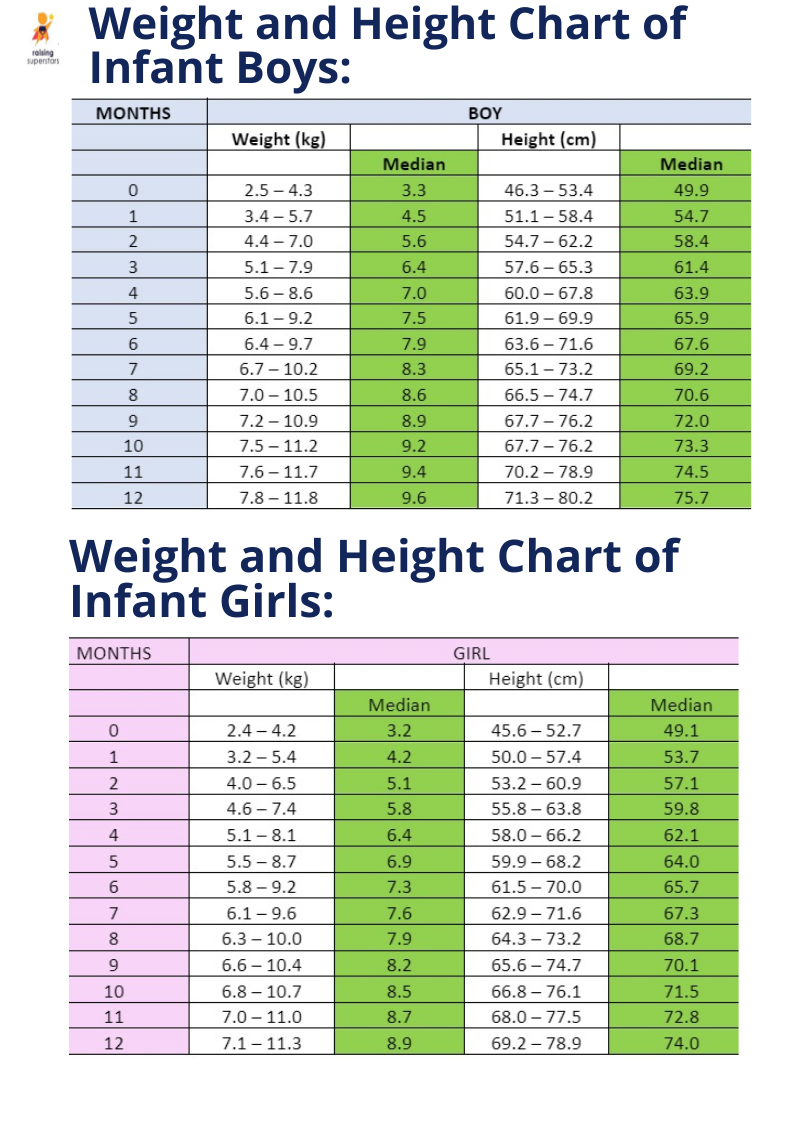
Additional Resources for Tracking Growth
Alongside the Normal Weight Chart For Infants, consider using other resources to track your baby’s development. Here are a few suggestions:
- Growth Tracker Sheets: These sheets can help you log not just weight, but also height and head circumference, giving a fuller picture of your baby’s growth.
- Milestone Checklists: These checklists can help you track developmental milestones alongside physical growth, ensuring that your baby is developing holistically.
- Parenting Apps: Many apps allow you to input growth data and monitor trends over time. They often provide reminders for pediatric appointments and vaccinations as well.
By utilizing these resources, you can create a comprehensive view of your baby’s development and ensure that they are on the right path.
Understanding and using the Normal Weight Chart For Infants can empower you as a parent to monitor your baby’s growth effectively. Taking the time to weigh and record your infant’s weight can provide peace of mind and help you foster a healthy environment for your little one.
