Planning meals can be a daunting task, especially when your goal is weight loss. A Meal Chart For Weight Loss can simplify this process, helping you organize your meals and stay on track. By using a meal chart, you can visualize your weekly meals, ensuring you maintain a balanced diet while working towards your weight loss goals.
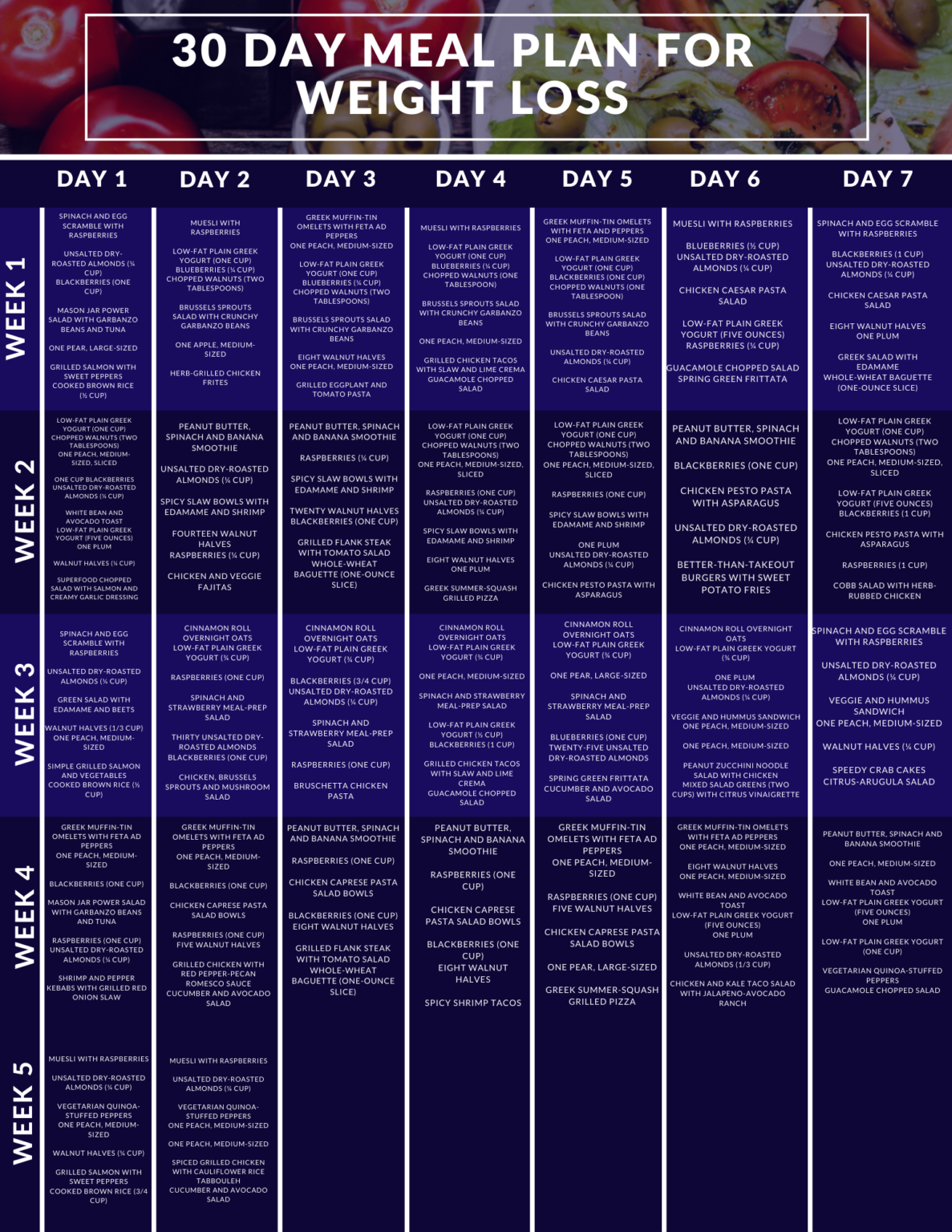
What is a Meal Chart For Weight Loss?
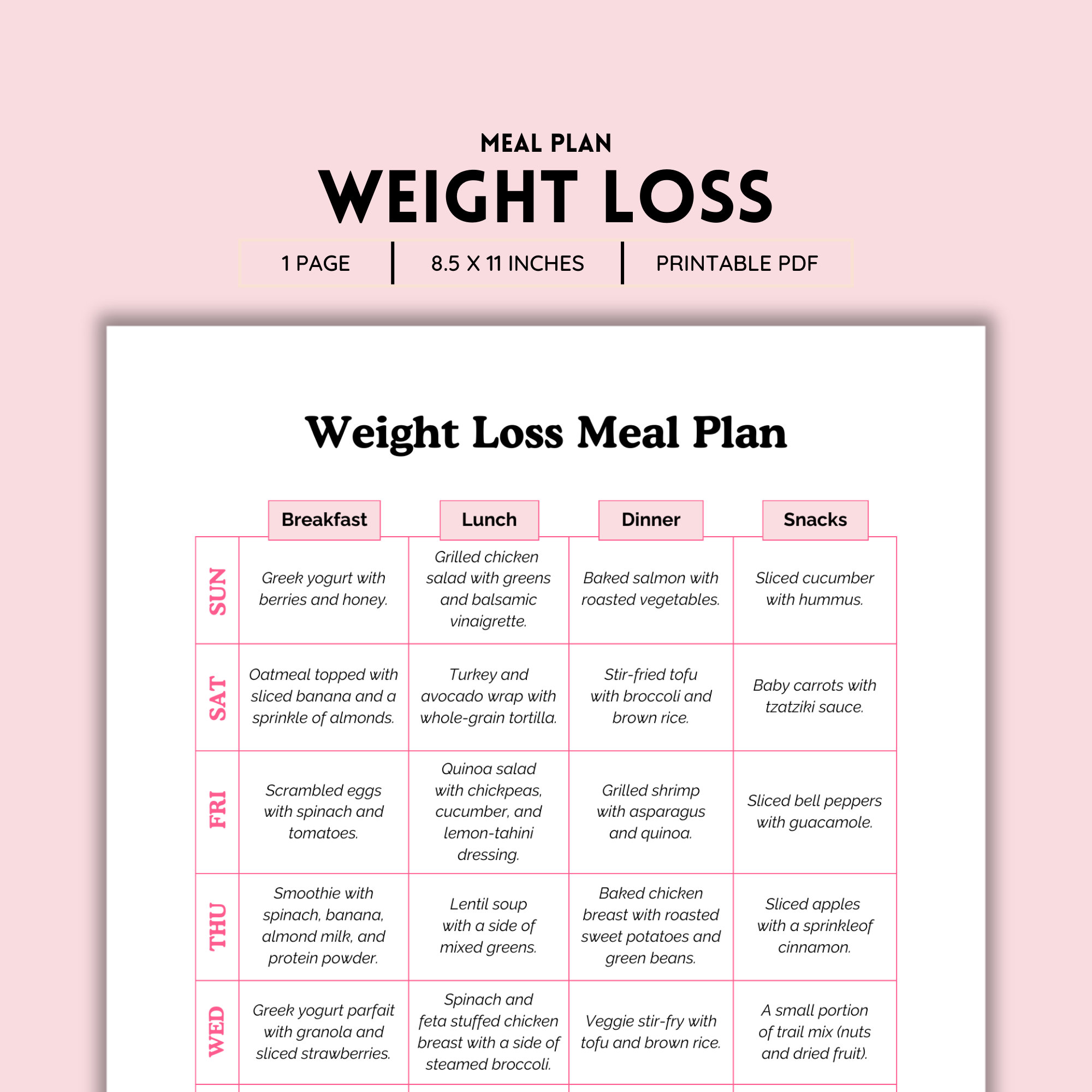
A Meal Chart For Weight Loss is a structured template where you can plan your meals for the week. It typically includes sections for breakfast, lunch, dinner, and snacks, along with columns to note calorie counts and nutritional information. This chart serves as a guide to help you make healthier food choices and keep your portions in check.
Creating a meal chart not only helps you plan but also allows you to shop more efficiently. By listing the ingredients you need for each meal, you can avoid impulse purchases and reduce food waste. Plus, having a clear plan can save you time during busy weekdays.
How to Use the Meal Chart Effectively
Using your meal chart effectively involves a few simple steps. Here’s how to make the most of it:
- Set Your Goals: Determine how many meals you need for the week and what your calorie goals are. This will help you select appropriate meals.
- Plan Your Meals: Choose recipes that fit your calorie and nutritional needs. Include a variety of foods to ensure you get all the necessary nutrients. Think about including lean proteins, whole grains, fruits, and vegetables.
- Fill in the Chart: Write down your planned meals for each day in the chart. Be specific about portion sizes and ingredients. For example, instead of writing “chicken,” specify “grilled chicken breast (4 oz).”
- Track Your Progress: Use the chart to monitor how well you stick to your meal plan. Note any deviations and reflect on them. This can help you adjust your plan for the following week.
- Make Adjustments: Don’t hesitate to tweak your meal chart based on your progress and how you feel. Flexibility is key to long-term success.
Tips for Filling Out Your Meal Chart
Here are some practical tips to keep in mind while filling out your meal chart:
- Use Printable Templates: Look for printable templates that suit your style. A clean layout makes it easier to fill in and read. You can find many downloadable Meal Chart For Weight Loss options online.
- Incorporate Leftovers: Plan meals that can utilize leftovers. For instance, if you roast a chicken for dinner, consider using the leftovers for a salad or sandwich the next day.
- Include Snacks: Don’t forget to plan for snacks. Healthy options like fruits, nuts, or yogurt can help curb hunger between meals.
- Stay Hydrated: Consider adding a section for tracking water intake. Staying hydrated is crucial for weight loss and overall health.
- Be Realistic: Choose meals that fit your cooking skill level and schedule. If you know you’ll be busy, opt for quicker recipes or pre-prepared meals.
Presentation and Printing Tips
When it comes to printing your Meal Chart For Weight Loss, presentation matters. Here are some tips to ensure it looks great and is functional:
- Paper Quality: Use good quality paper, preferably heavier cardstock, if you plan to laminate your chart for durability. This will help it withstand daily use in your kitchen.
- Orientation: A portrait layout typically works best for most home printers. It allows you to see all the meals at a glance without needing to scroll or turn the page.
- Color Coding: If you’re a visual person, consider color coding your meals or categories. For example, use green for vegetables, red for proteins, and yellow for grains. This can make your chart more engaging and easier to read.
- Lamination: If you want to reuse your meal chart, consider laminating it. You can then write on it with dry-erase markers, making it easy to wipe clean and adjust as needed.
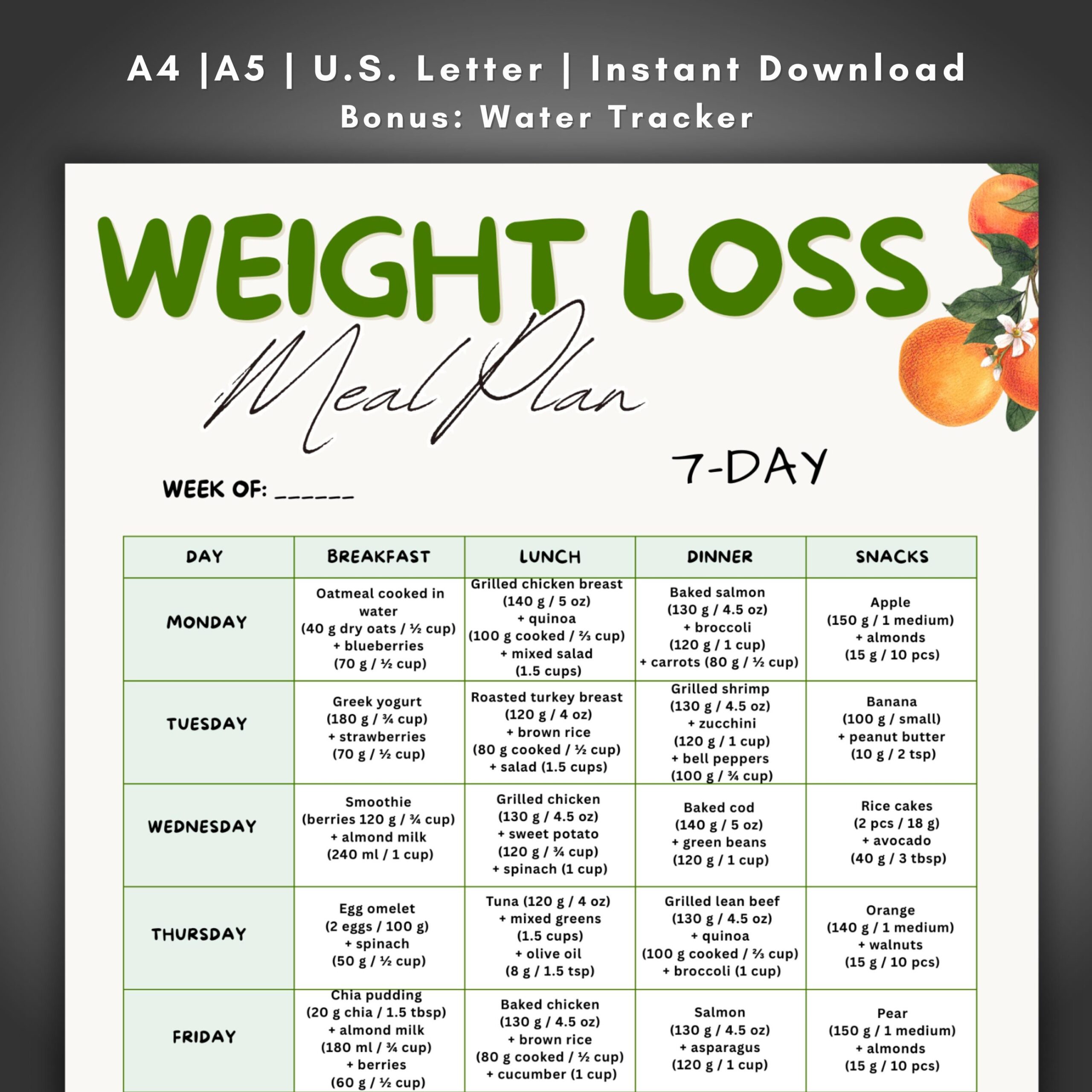
Next Steps After Downloading Your Meal Chart
Once you have your Meal Chart For Weight Loss ready, it’s time to put it into action. Start by reviewing your pantry and fridge to see what you already have. This will help you avoid unnecessary purchases and stick to your budget.
Prepare a shopping list based on your meal chart and head to the grocery store. When you return, take a moment to prep your meals if possible. Chop vegetables, marinate proteins, or even cook some meals in advance. This preparation will make it easier to stick to your plan throughout the week.
As you use your meal chart, stay mindful of how your body feels. Adjust your meals based on your hunger levels and energy needs. The goal is not only to lose weight but also to feel good and enjoy your meals.
By effectively utilizing a Meal Chart For Weight Loss, you can take control of your eating habits, make healthier choices, and see real progress toward your weight loss goals. Happy meal planning!
