When it comes to keeping an eye on your child’s growth, a Child’s Height Weight Chart is an invaluable tool. Unlike other charts you might find, this one is specifically designed to help you track your child’s growth patterns accurately over time. It visually represents weight and height data, making it easier for parents and guardians to understand how their child’s growth compares to standard percentiles. This clarity can be essential when discussing your child’s health with a pediatrician.
Understanding the Layout of a Child’s Height Weight Chart
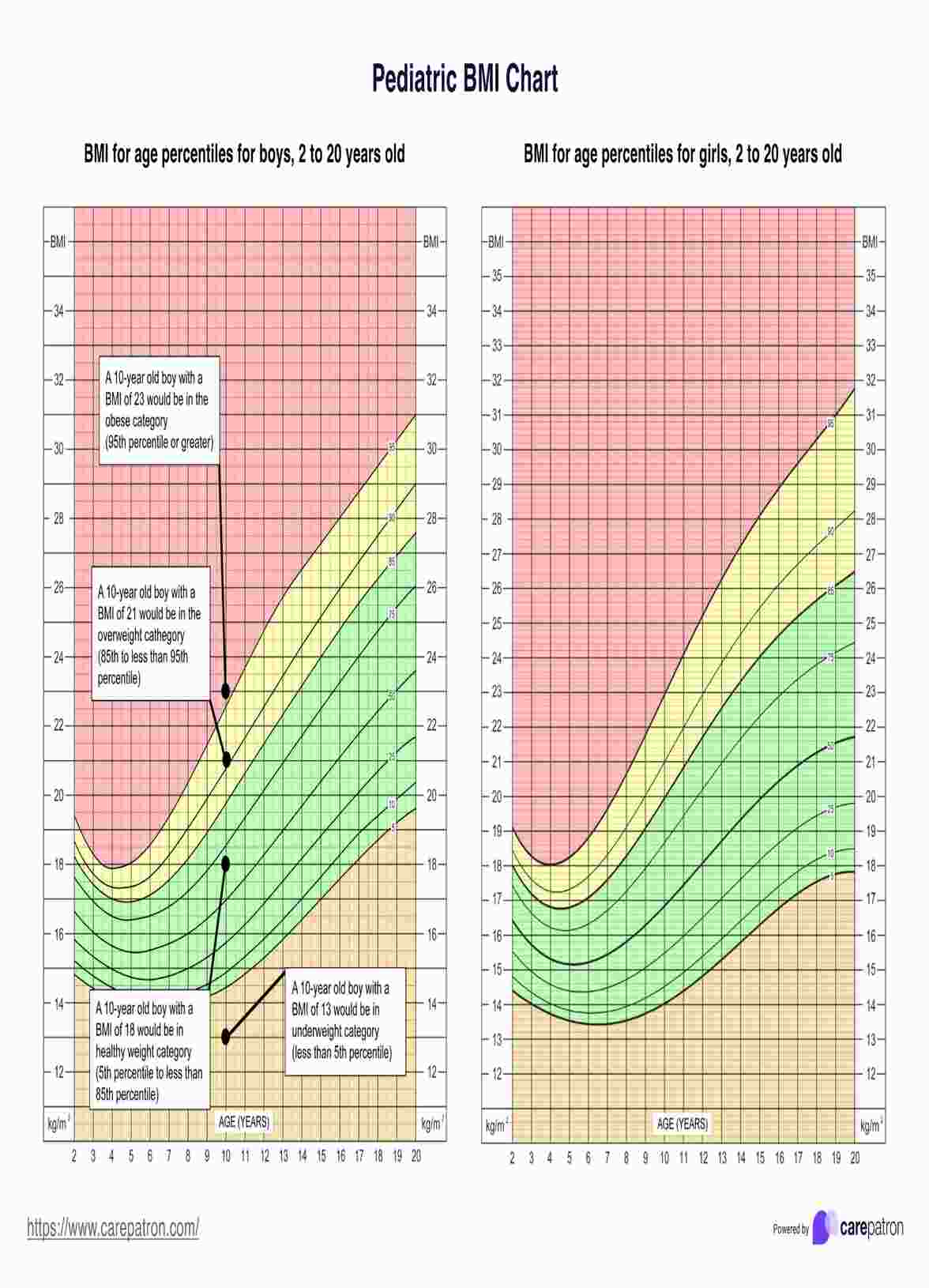
At first glance, a Child’s Height Weight Chart might look like a simple grid, but there’s a lot of useful information packed into its layout. Typically, the chart features a vertical axis representing height and a horizontal axis representing weight. Each section of the chart is divided into percentile lines, which indicate the range of growth that is considered normal for children of a specific age and sex.
For instance, if your child is 4 years old and falls on the 50th percentile for height, they are taller than 50% of the children in their age group. This kind of information is essential not just for tracking growth but also for identifying potential health issues early on.
How to Fill Out the Chart
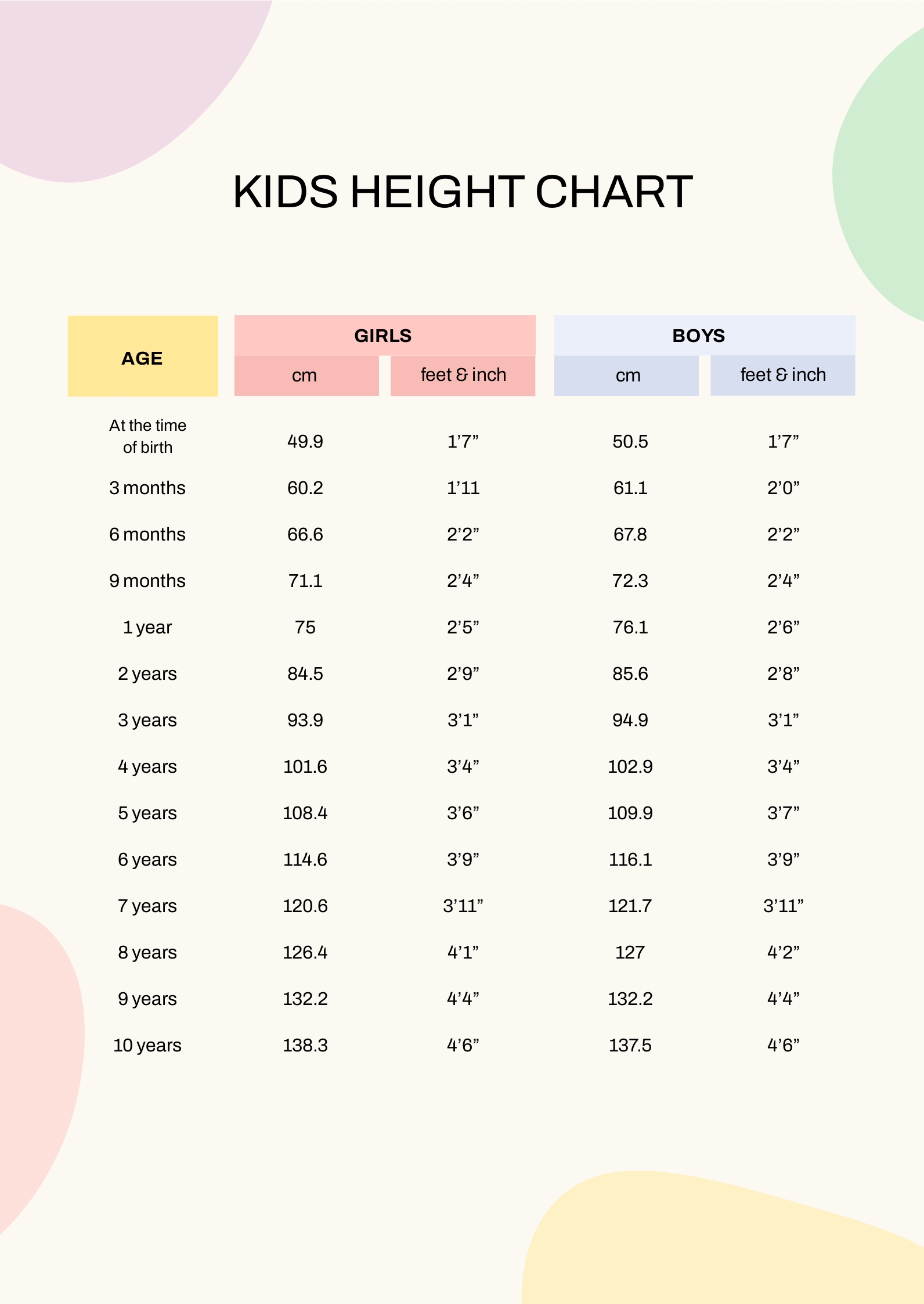
Filling out a Child’s Height Weight Chart can be done digitally or manually. If you’re going the digital route, using a fillable PDF can be a breeze. You can easily input your child’s height and weight measurements at their well-child visits, which are typically scheduled annually.
If you prefer the traditional method, printing out the chart allows you to jot down measurements by hand. This method can be particularly satisfying and creates a tangible record that you can display on the fridge or in a scrapbook.
When filling out the chart, make sure to use accurate measurements. For height, it’s best to measure your child standing straight against a wall. For weight, use a scale that provides a digital readout for the most accurate results. Record these measurements in a consistent manner, such as once every few months, to monitor growth effectively.
The Importance of Regular Monitoring
Monitoring your child’s growth with a Child’s Height Weight Chart isn’t just about keeping track; it’s about understanding their overall health. Regularly updating the chart allows you to spot trends over time. Is your child consistently falling below the 10th percentile? Or are they suddenly spiking in height? These trends can be indicators of underlying issues that may require further investigation from a healthcare professional.
It’s also a great way to engage your child in their health journey. As they grow older, you can explain what the chart means and have them participate in measuring their height and weight. This involvement can foster a sense of responsibility and awareness about their health.
Digital Vs. Print: Which is Better?
Whether you choose to use a digital or printed Child’s Height Weight Chart will depend on your personal preference. Digital charts are convenient and can easily be stored on your devices, allowing you to access them anytime. They often come with features like automatic calculations and the ability to track multiple children at once.
On the other hand, printed charts can provide a tactile experience that some parents prefer. They can be displayed prominently in your home, serving as a visual reminder of your child’s growth journey. Plus, there’s something special about writing things down by hand that can make the experience feel more personal.
If you do opt for a printed version, consider using high-quality paper or cardstock to ensure durability, especially if you plan to keep it for years to come.
Making Sense of Growth Percentiles
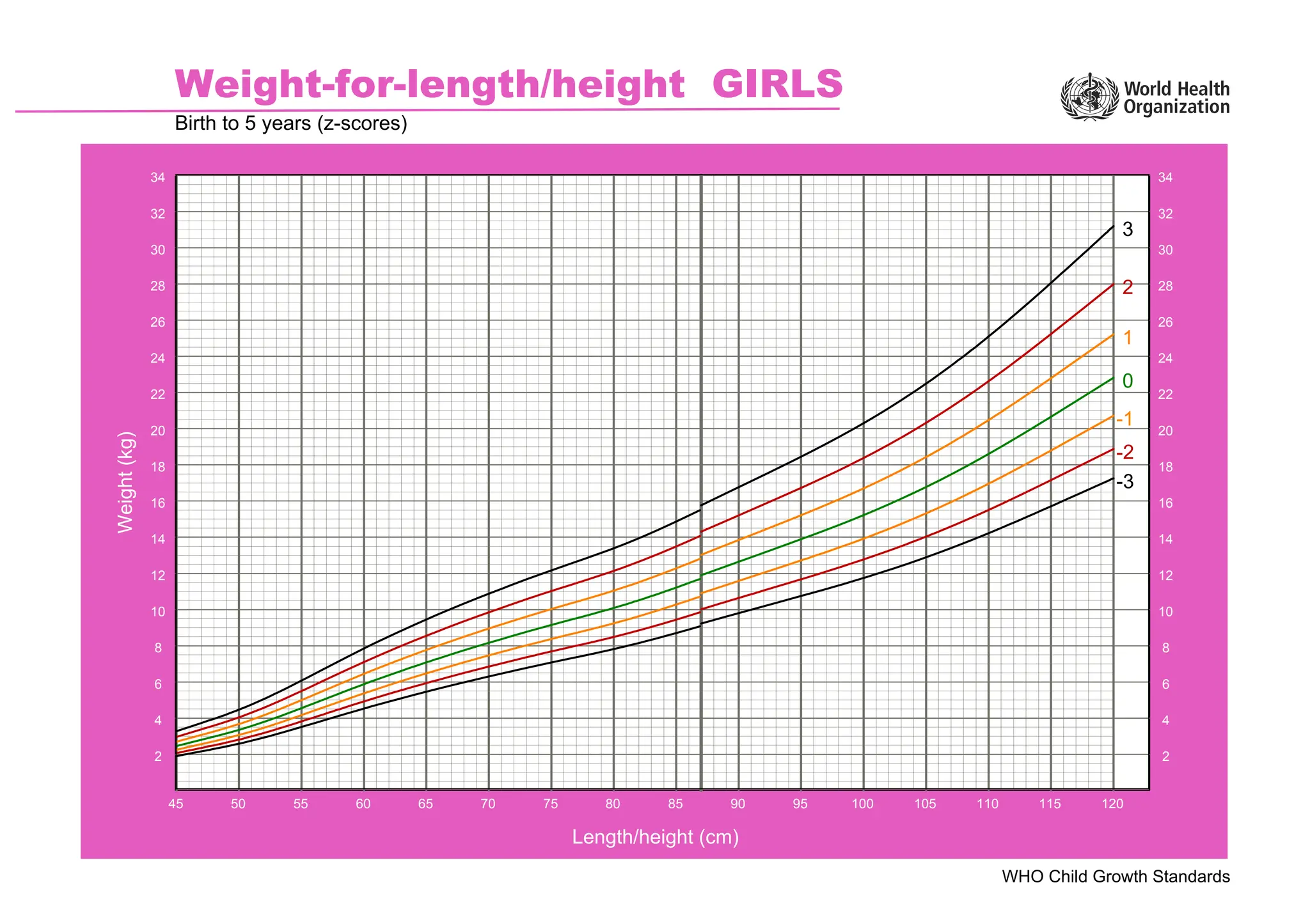
Understanding growth percentiles can sometimes feel daunting, but it’s simpler than it seems. The percentiles on the chart represent the distribution of height and weight among children. For example, if your child is in the 75th percentile for weight, that means they weigh more than 75% of their peers.
These percentiles can help you gauge whether your child is growing at a healthy rate. However, it’s essential to remember that all children grow at their own pace. A child may hover between the 25th and 50th percentiles for years without cause for concern.
Always consult with your pediatrician if you notice significant changes in your child’s growth pattern. They can provide guidance and insights specific to your child’s health needs.
Using a Child’s Height Weight Chart can be a simple yet effective way to stay on top of your child’s development. By keeping accurate records, engaging your child in their health journey, and understanding the significance of the data, you create a supportive environment that encourages healthy growth.
One practical tip: make it a routine to measure your child’s height and weight at the same time each year, such as during their birthday, to maintain consistency in your records.
