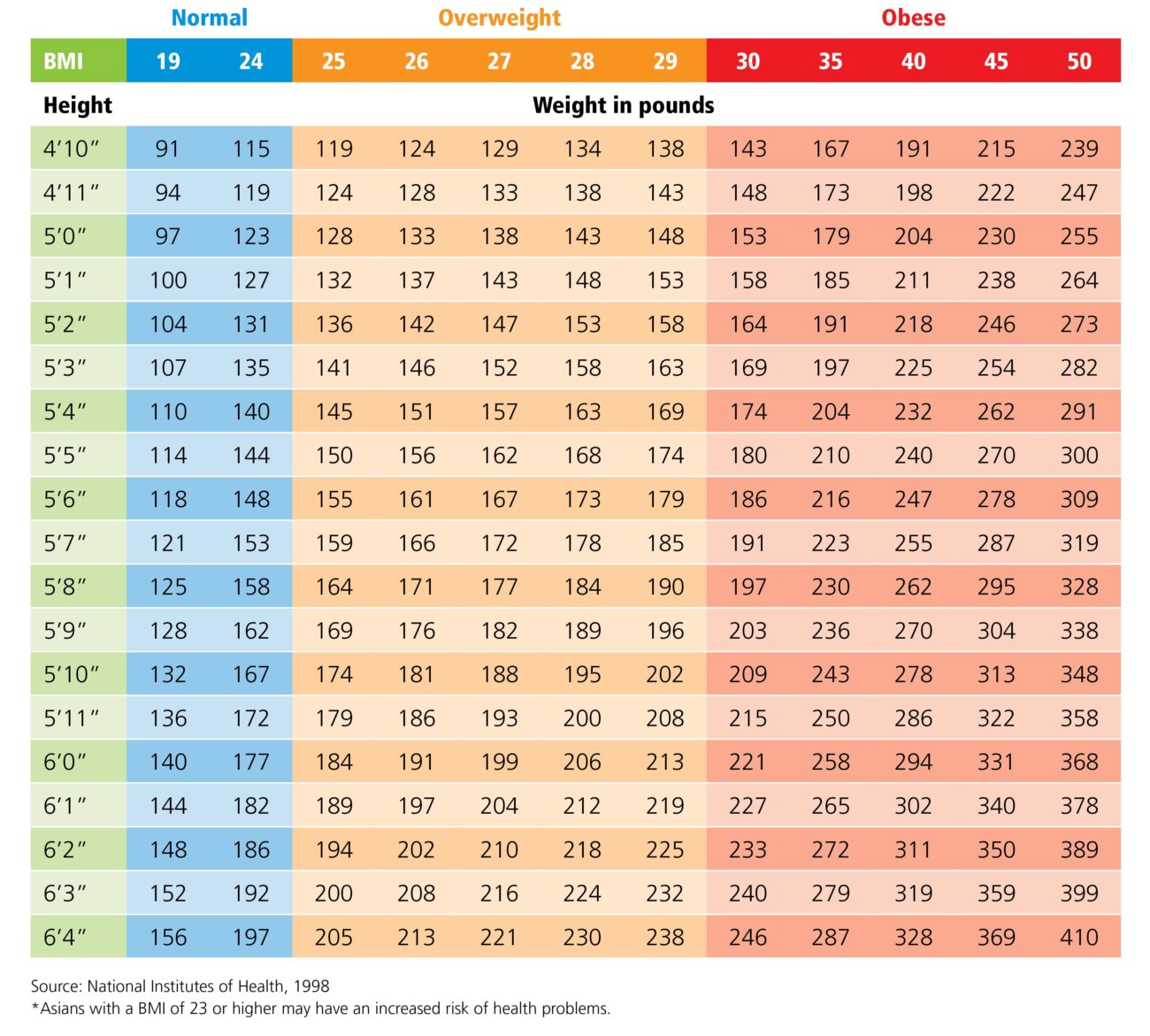
When you want to track your child’s growth, a Male Weight Chart By Height And Age can be an invaluable resource. This chart helps you understand if your child is within the healthy weight range for their height and age, giving you peace of mind as a parent. Knowing how to use this chart effectively can empower you to make informed decisions about your child’s health and well-being.
Understanding the Male Weight Chart
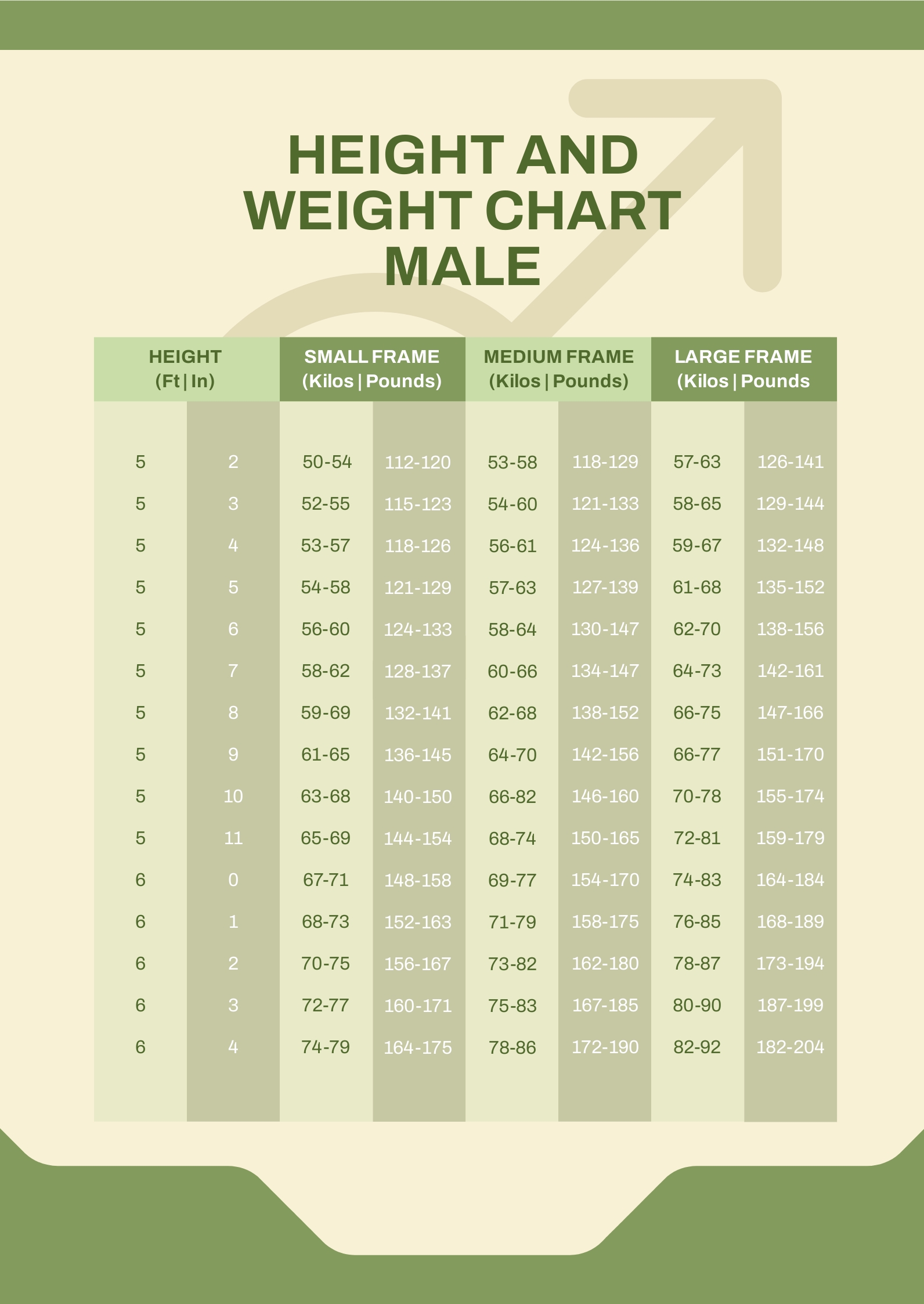
The Male Weight Chart is designed to provide a visual representation of the average weight range for boys at various heights and ages. Generally, these charts are segmented by age groups, typically ranging from 2 years to 18 years. Each height has an associated weight range that indicates whether a child is underweight, healthy weight, overweight, or obese.
To read the chart, find your child’s age on the horizontal axis and their height on the vertical axis. The intersection will give you a weight range. It’s important to remember that these figures are averages. Each child is unique, and factors like muscle mass and body composition can influence weight.
How to Use the Chart Effectively
- Download and Print the Chart: The first step is to download a printable version of the Male Weight Chart By Height And Age. Look for a PDF format that is easy to print. You can find these resources on various health or educational websites. Make sure to use a standard paper size like A4 or letter size for best results.
- Gather Your Child’s Measurements: Before you can use the chart, measure your child’s height accurately using a stadiometer or a wall-mounted measuring tape. For weight, a standard bathroom scale will suffice. Ensure your child is standing straight and barefoot for the most accurate measurements.
- Locate Your Child’s Data on the Chart: Once you have your child’s height and age, refer to the chart. For example, if your child is 10 years old and 4 feet 8 inches tall, find the 10-year mark along the bottom and move up to their height. The intersecting point will show you the healthy weight range.
- Assess and Interpret the Results: If your child falls within the healthy weight range indicated on the chart, that’s great! If they are below or above the range, it might be worth discussing with a pediatrician. They can provide insights tailored to your child’s specific needs.
- Regular Monitoring: It’s a good idea to regularly update the chart as your child grows. Measuring their height and weight every few months can give you a clearer picture of their growth trajectory. You might consider creating a dedicated folder for these charts to track changes over time.
Digital Vs. Printable Charts
While a printed chart is handy to keep on the refrigerator or in your child’s room, a digital version has its perks too. Fillable PDF versions allow you to enter your child’s data directly on the screen. This can be particularly useful for easy updates and sharing with healthcare providers.
However, printing can sometimes be more effective for quick reference. You can easily jot down notes or highlight specific areas of concern. Depending on your preference, you might find one method works better than the other.
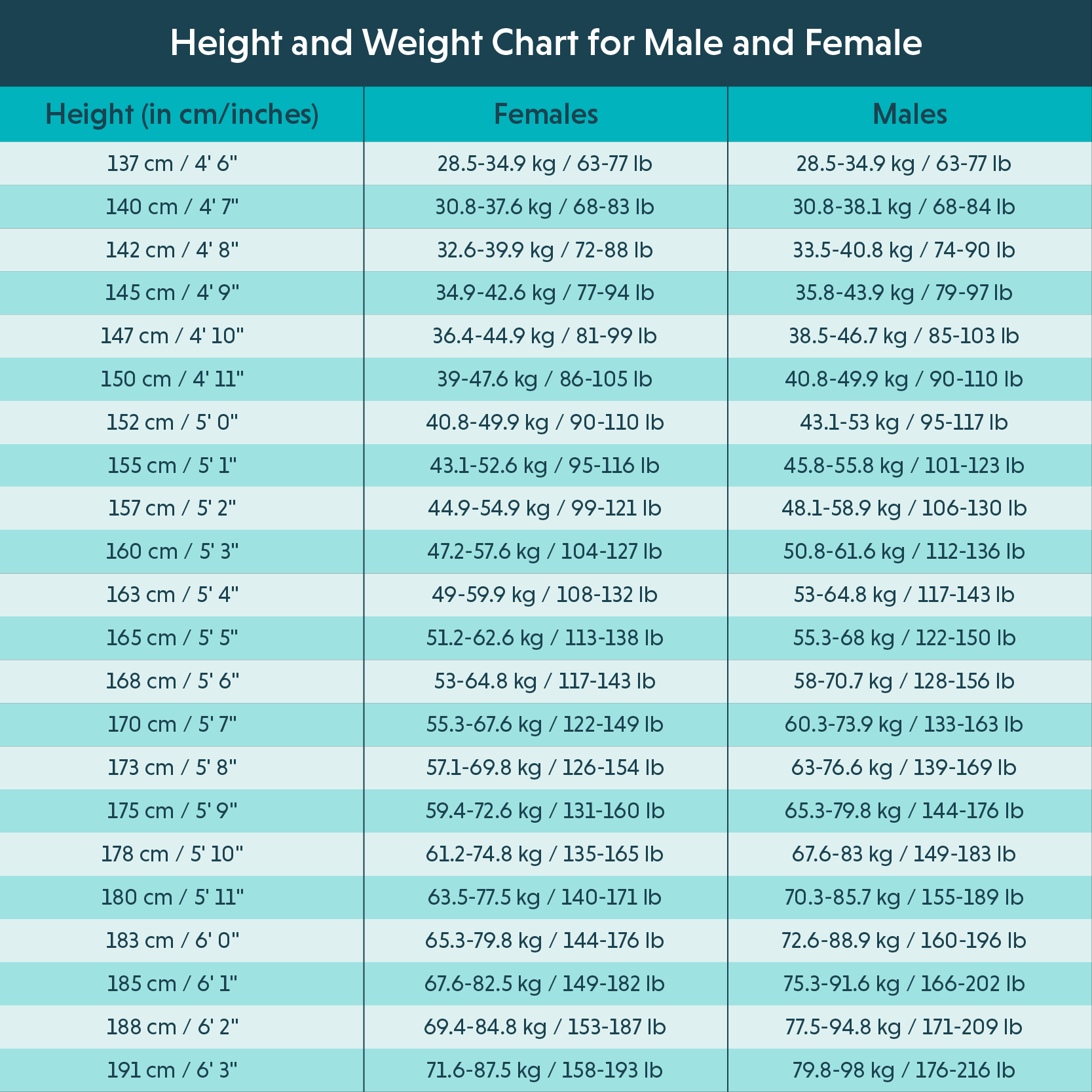
Tips for Healthy Growth
Using the Male Weight Chart By Height And Age is just one part of ensuring your child is healthy. Here are some additional tips to support healthy growth:
- Balanced Diet: Encourage your child to eat a variety of fruits, vegetables, whole grains, and lean proteins. A well-rounded diet supports overall health and development.
- Regular Physical Activity: Ensure your child gets regular exercise. Activities like playing sports, riding a bike, or simply playing outside can help maintain a healthy weight.
- Routine Check-Ups: Schedule regular pediatric visits to monitor growth and development. Your child’s doctor can provide valuable feedback based on their unique health profile.
- Limit Screen Time: Encourage active play rather than prolonged screen time, which can lead to sedentary behavior. Setting limits can help promote a more active lifestyle.
- Encouragement and Support: As a parent, it’s essential to provide encouragement and support. Focus on healthy habits rather than weight numbers, helping your child develop a positive relationship with food and exercise.
The Male Weight Chart By Height And Age is more than just numbers—it’s a tool that can help you support your child’s growth and development. Understanding how to use it effectively, combined with healthy lifestyle habits, can set the foundation for a healthy future. Remember, growth patterns vary, and it’s always a good idea to consult a healthcare professional if you have any concerns.
