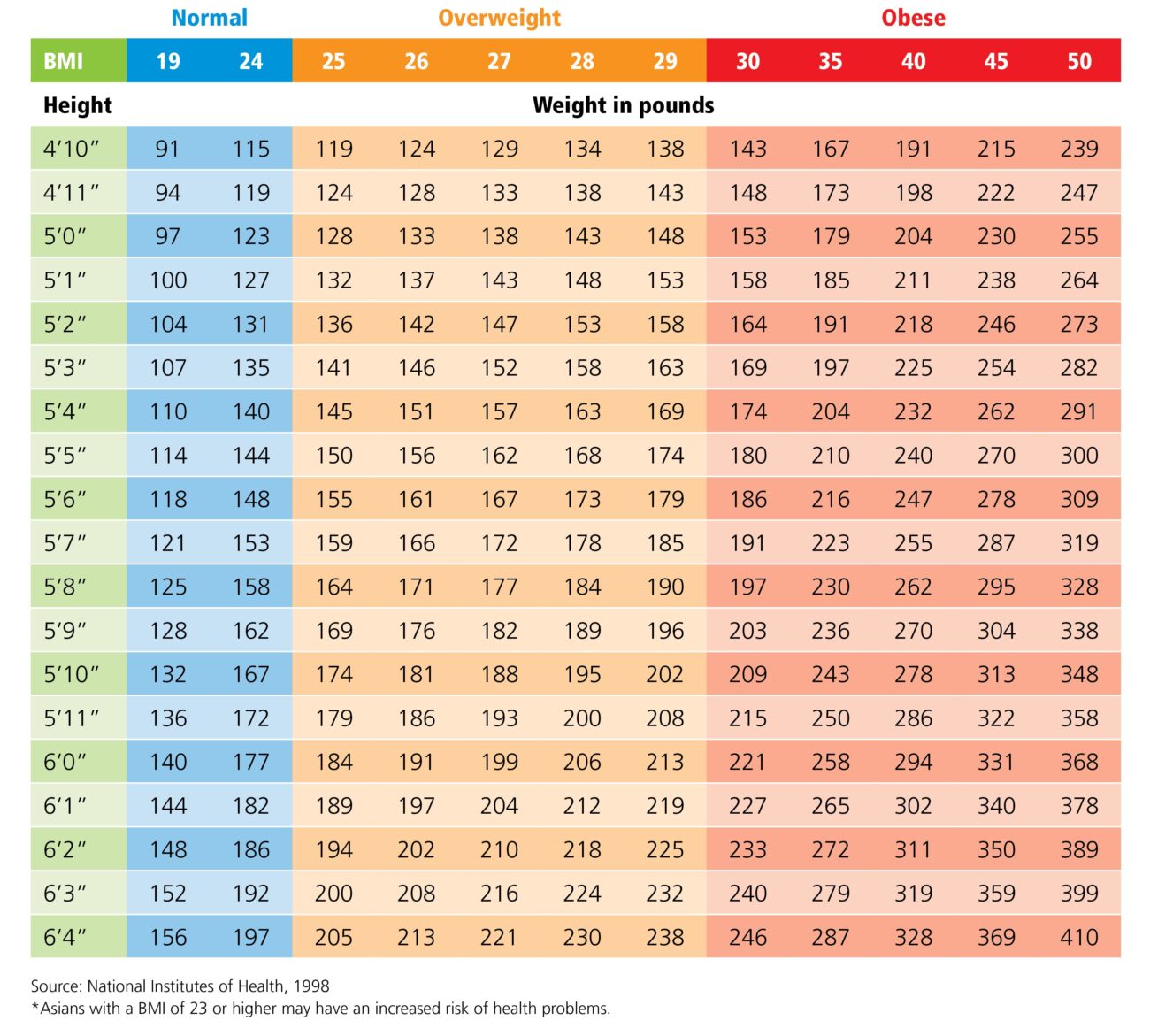
Keeping track of your child’s growth can feel overwhelming at times, but using a Male Height Weight Chart By Age can simplify the process significantly. These charts provide a clear visual representation of how your child’s height and weight compare to standard growth percentiles for their age group. Having this information on hand can help you monitor their development and address any concerns with your pediatrician.
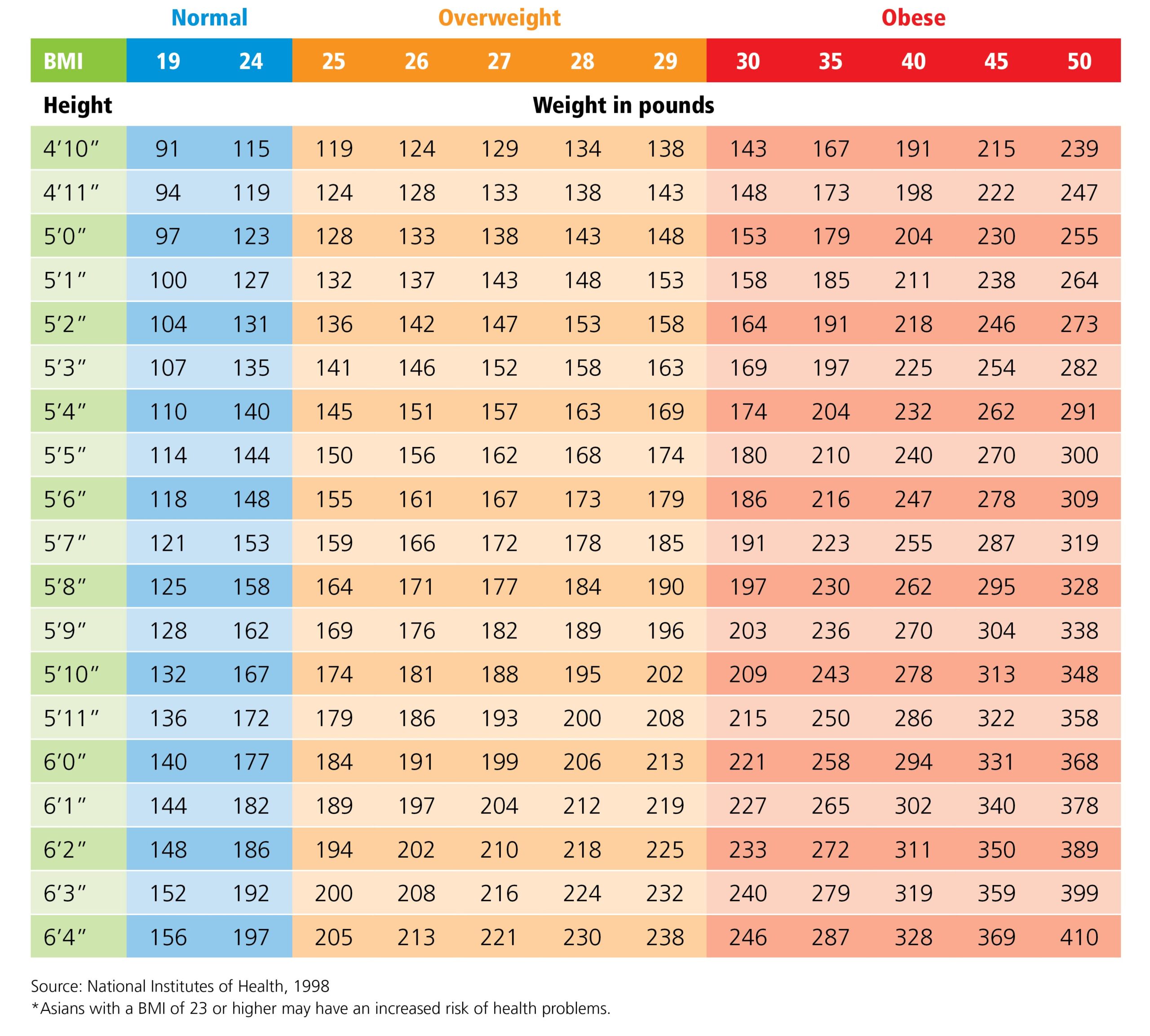
Understanding the Layout of the Chart
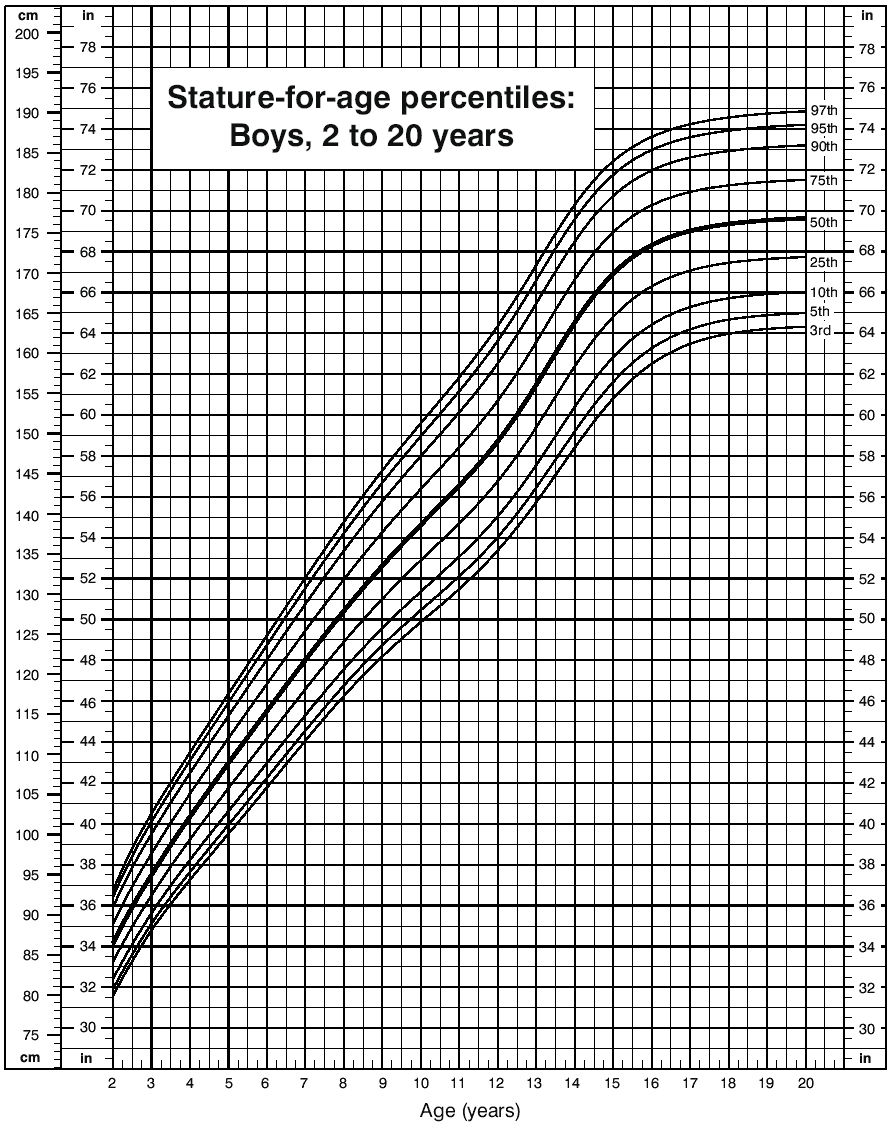
When you first look at a Male Height Weight Chart By Age, you’ll notice it typically has a grid layout. The vertical axis represents height, usually measured in inches or centimeters, while the horizontal axis represents weight in pounds or kilograms. Each point on the chart indicates a specific height and weight combination for boys at various ages, ranging from infancy to late adolescence.
To read the chart effectively, you’ll want to find your child’s age along the horizontal axis. From there, you can trace vertically to see the corresponding height and weight percentiles. Most charts include lines that indicate the 5th, 50th, and 95th percentiles, giving you a quick way to assess where your child falls within the expected growth range.
Filling Out the Chart
Before you start filling out the Male Height Weight Chart By Age, it’s important to have accurate measurements ready. Here’s what you’ll typically need:
- Child’s Age: This is usually in years and months. Ensure you have the exact age, as growth rates can vary significantly even within a few months.
- Height: Measure your child using a stadiometer or a measuring tape. Make sure they stand straight with their heels together, and head level with the ground for an accurate reading.
- Weight: Weigh your child on a digital scale. For the most accurate results, do this at the same time of day and under similar conditions, such as after breakfast.
Once you have these details, you can fill them into the chart. Some parents prefer to print a blank chart and fill it out by hand, while others may choose to use a digital version that can be filled out on a tablet or computer. If you opt for a digital version, ensure it’s formatted correctly to avoid any issues when printing.
How to Use the Chart in Your Routine
Incorporating the Male Height Weight Chart By Age into your regular routine can be very beneficial. Here are a few practical ways to do this:
- Regular Check-Ins: Consider measuring your child every few months. This not only keeps the chart up to date but also allows you to observe any significant changes in their growth.
- Discuss with Healthcare Providers: Bring the chart to your pediatric appointments. It can serve as a useful visual aid when discussing your child’s growth patterns with your doctor.
- Set Goals Together: If your child is slightly below or above the average percentiles, use the chart as a conversation starter. Help them understand the importance of maintaining a healthy lifestyle, including proper nutrition and physical activity.
Benefits of Using a Height Weight Chart
Using a Male Height Weight Chart By Age has several advantages. First, it provides a clear visual representation of your child’s growth over time. This can help you quickly identify trends, such as whether they are consistently gaining weight and height.
Additionally, these charts can help alleviate concerns about growth. If your child’s measurements are within the normal range, it can provide peace of mind. Conversely, if they fall significantly below or above the expected percentiles, it can prompt you to seek further advice from a healthcare professional.
Choosing the Right Format for Your Needs
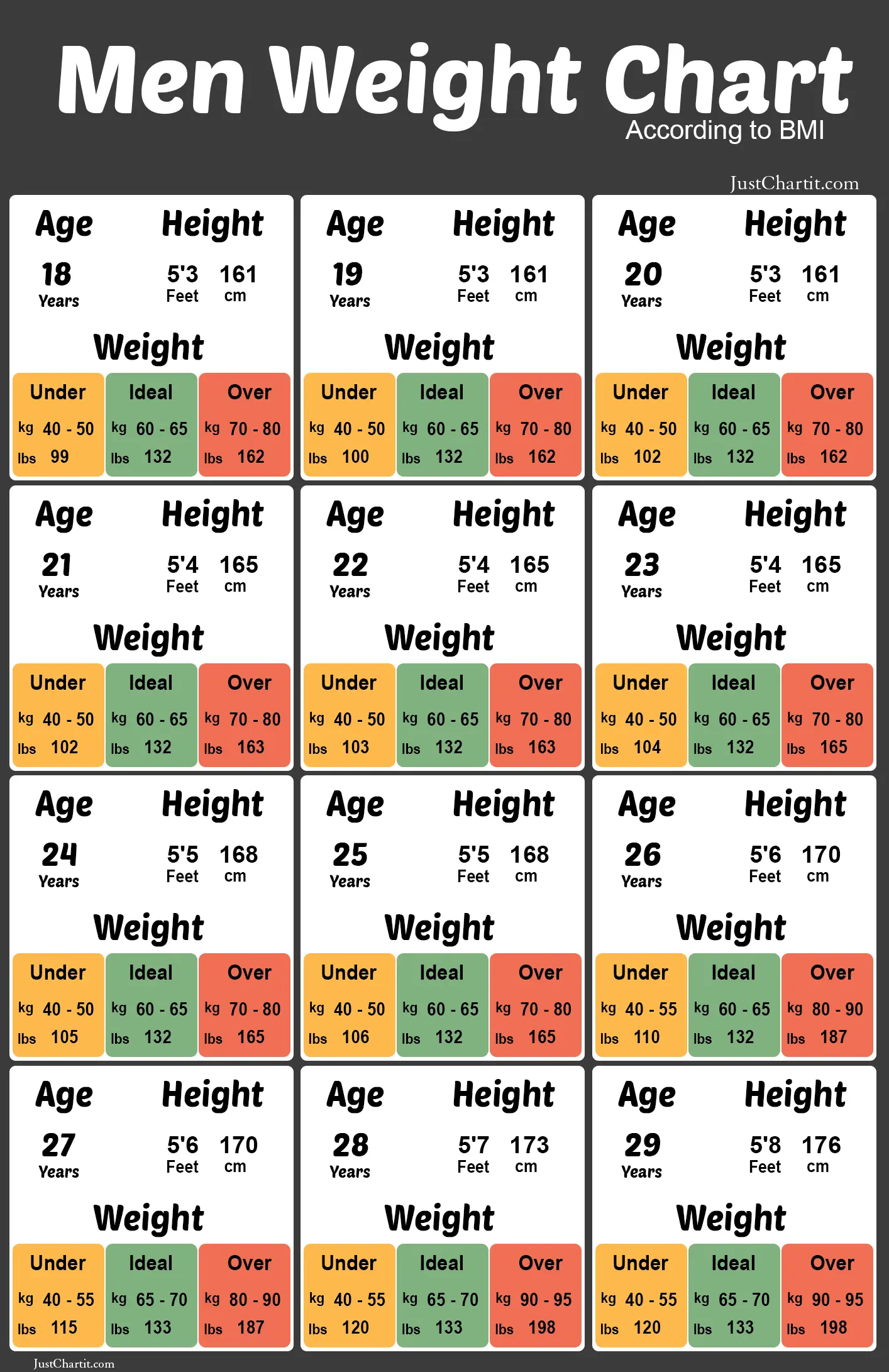
You might come across various formats of the Male Height Weight Chart By Age, including printable versions or online tools. Here are a couple of options to consider:
- Printable Charts: These are great for keeping a physical record. You can pin them up on the fridge or store them in a growth milestone binder. A standard letter-sized (8.5 x 11 inches) chart usually works well for home printing.
- Digital Tools: Some parents prefer using apps or online tools that can track growth over time. These often come with additional features, like reminders for regular check-ups or personalized health tips.
Choosing the right format depends on your lifestyle and preferences. If you enjoy having physical copies, a printable chart is likely the best choice. However, if you prefer digital organization, look for an app that offers a user-friendly interface.
Using a Male Height Weight Chart By Age can be a simple yet powerful tool in tracking your child’s growth. Whether you choose to fill it out by hand or use a digital version, keeping these measurements handy will not only help you stay informed but also enable you to support your child’s health journey effectively.
