Tracking your baby’s growth is essential for ensuring they are on the right path to healthy development. An Infant Weight Chart By Month is a practical tool that helps you monitor your child’s weight against established growth standards. This chart is particularly useful for new parents who want to keep a close eye on their infant’s progress during those critical early months.
What is an Infant Weight Chart By Month?
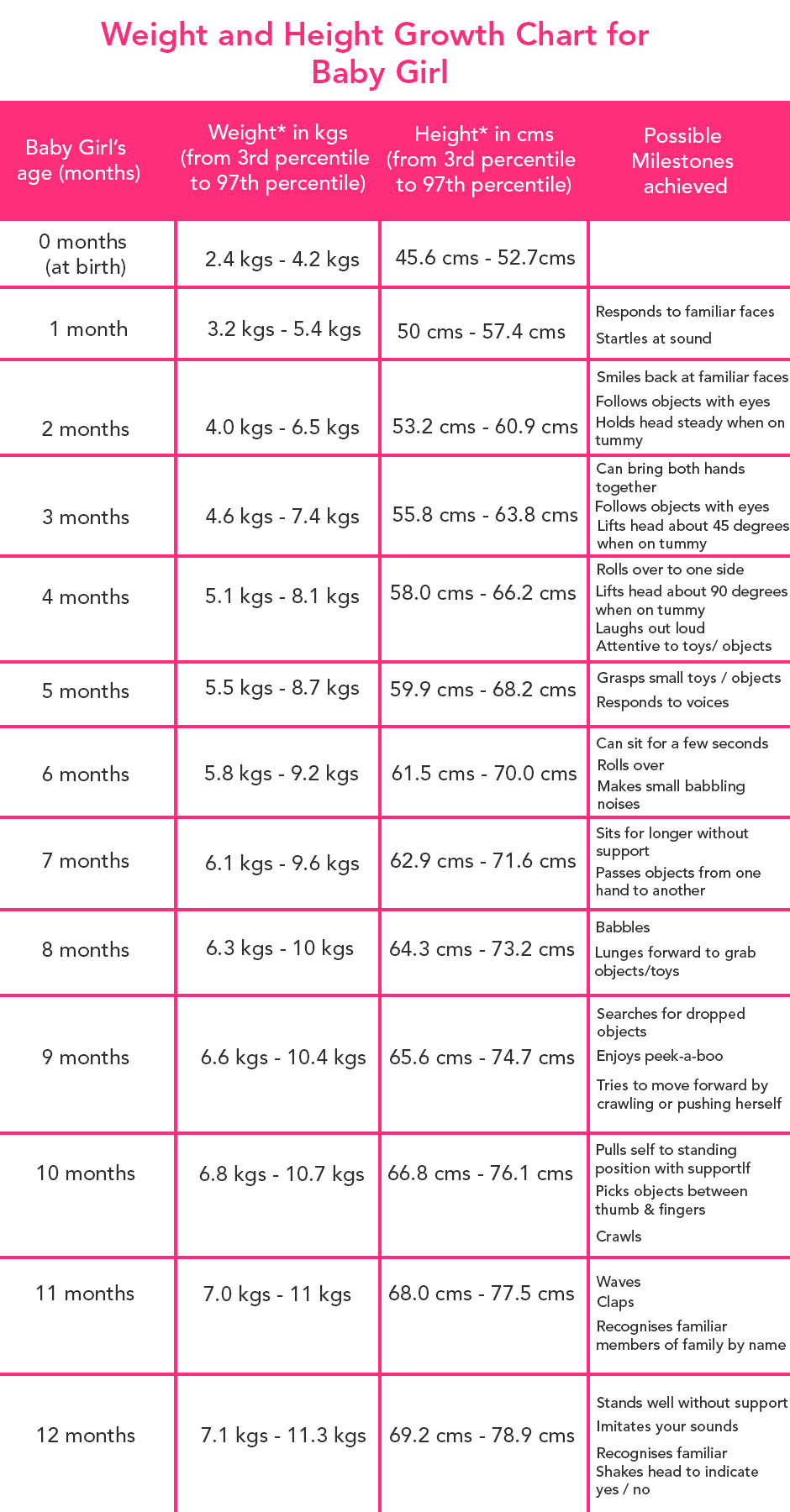
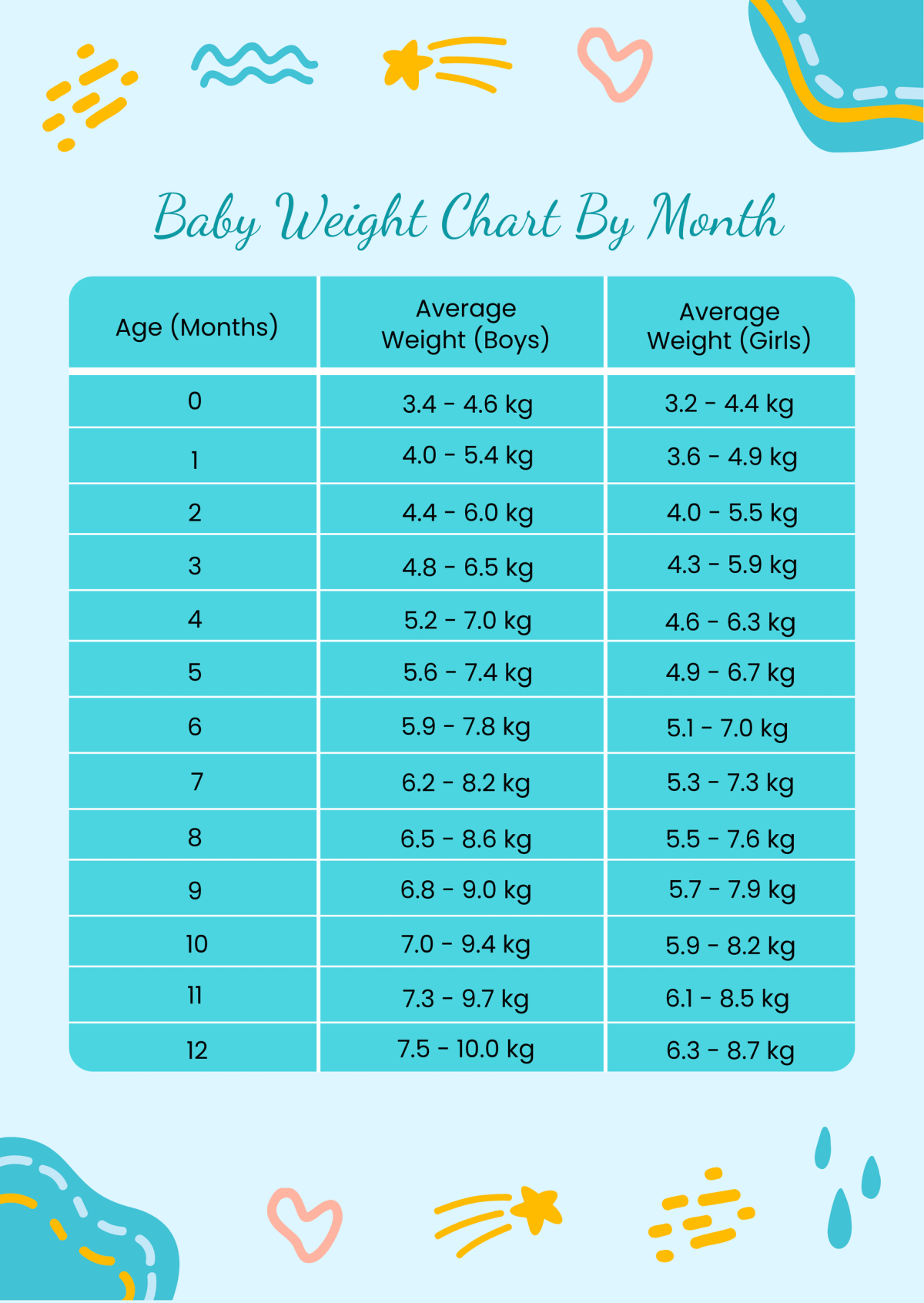
An Infant Weight Chart By Month is a visual representation that displays weight ranges for infants from birth to 12 months. These charts typically include percentiles, showing where your baby’s weight falls compared to other infants of the same age. For example, if your baby is in the 50th percentile, they weigh more than 50% of infants their age.
These charts are not just numbers; they provide reassurance that your baby is growing as they should. Parents can use these charts to track monthly changes, which can help identify any growth issues early on.
How to Use the Infant Weight Chart
Using the Infant Weight Chart By Month is straightforward. Here’s how to make the most of it:
- Download and Print: Start by downloading the chart from a reputable resource. Ensure you print it on standard A4 or letter-sized paper for easy handling.
- Record Your Baby’s Weight: Weigh your baby regularly, ideally during pediatric visits or once a month at home. Use a baby scale for accuracy.
- Mark the Weight on the Chart: Once you have your baby’s weight, locate their age on the chart. Mark the corresponding weight. If you have the weight in pounds or kilograms, make sure to check the chart’s units.
- Monitor Progress: Over time, you can connect the dots to visualize your baby’s growth trajectory. This visual representation will help you see if they are consistently gaining weight in a healthy manner.
Understanding Percentiles
Percentiles are a critical part of the Infant Weight Chart. They indicate how your baby compares to others. Here’s a quick breakdown:
- <5th Percentile: Underweight. Consult your pediatrician.
- 5th-85th Percentile: Average weight range. This is generally considered healthy.
- >85th Percentile: Overweight. Again, a discussion with your pediatrician is advisable.
It’s important to remember that every baby is unique. Some may naturally fall outside these ranges while still being perfectly healthy. The key is to look for consistent growth patterns rather than focusing solely on the numbers.
Common Mistakes When Using the Chart
While using an Infant Weight Chart By Month seems simple, there are a few common pitfalls to avoid:
- Inconsistent Weighing: Weigh your baby under similar conditions each time — ideally in the morning before feedings and diaper changes.
- Ignoring Other Growth Indicators: Weight is just one aspect of your baby’s health. Pay attention to developmental milestones and overall behavior.
- Not Consulting a Pediatrician: If you notice your baby consistently falling below or above the recommended weight range, it’s crucial to discuss this with your doctor. They can provide tailored advice based on your baby’s overall health.
Where to Keep the Chart
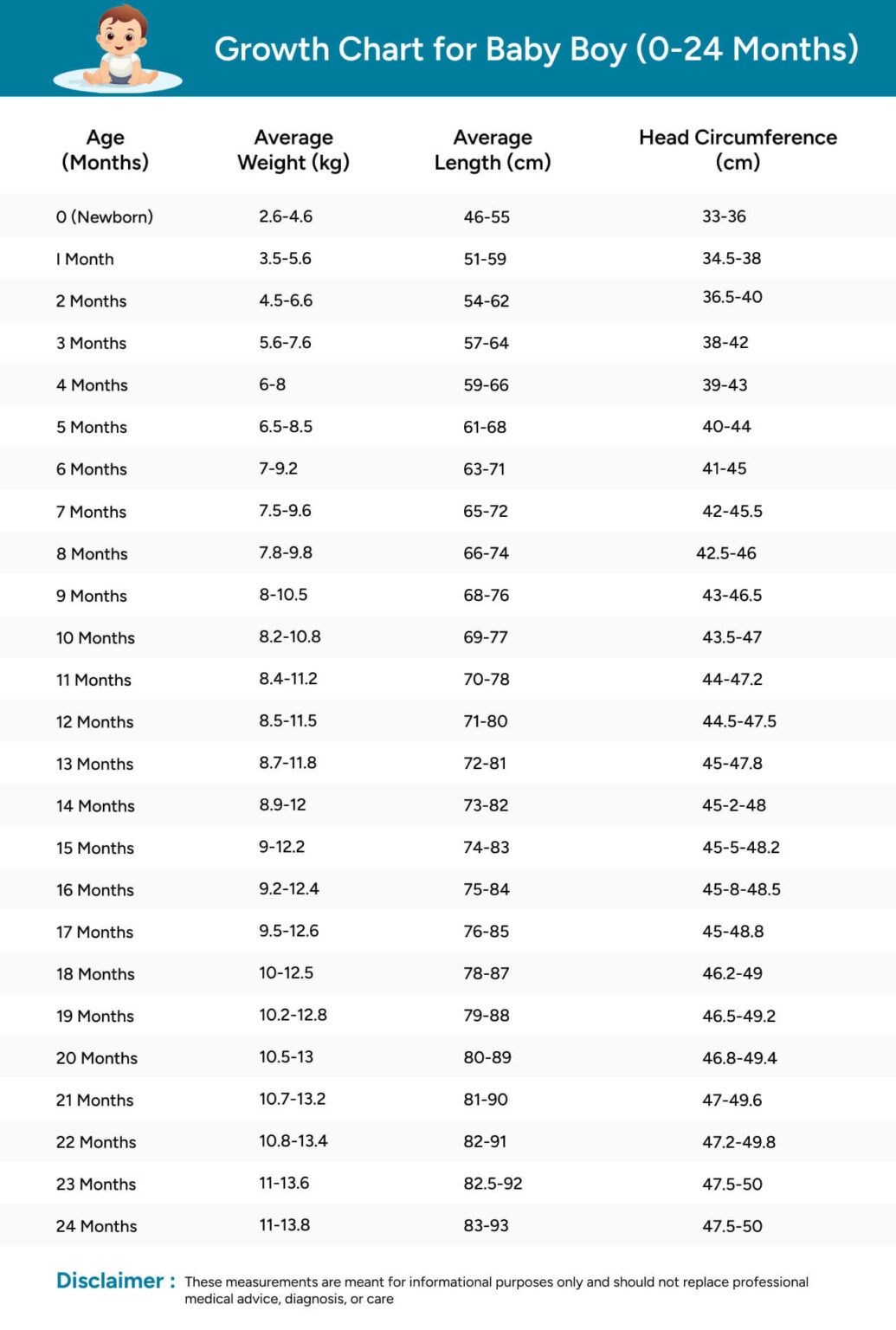
Once you fill out your Infant Weight Chart By Month, where should you keep it? Here are a few suggestions:
- Baby’s Growth Journal: If you’re keeping a growth journal, this chart can be a great addition. It allows you to track not just weight but also milestones, feeding schedules, and more.
- Pediatrician’s Office: Bring the chart to your regular check-ups. Your doctor can use it to assess growth trends and make recommendations.
- On the Fridge: If you’re a visual learner, keeping the chart on your fridge can serve as a constant reminder to monitor your baby’s growth.
Keeping the chart accessible allows for quick updates and easy reference during discussions with healthcare providers.
