Keeping track of your baby’s feeding schedule can be daunting, especially when trying to ensure they are consuming the right amount of food. An Infant Feeding Chart By Weight is a practical tool that helps parents monitor their child’s nutritional intake based on their weight. This chart allows you to reference recommended feeding amounts and schedules, making it easier to plan your baby’s meals effectively.
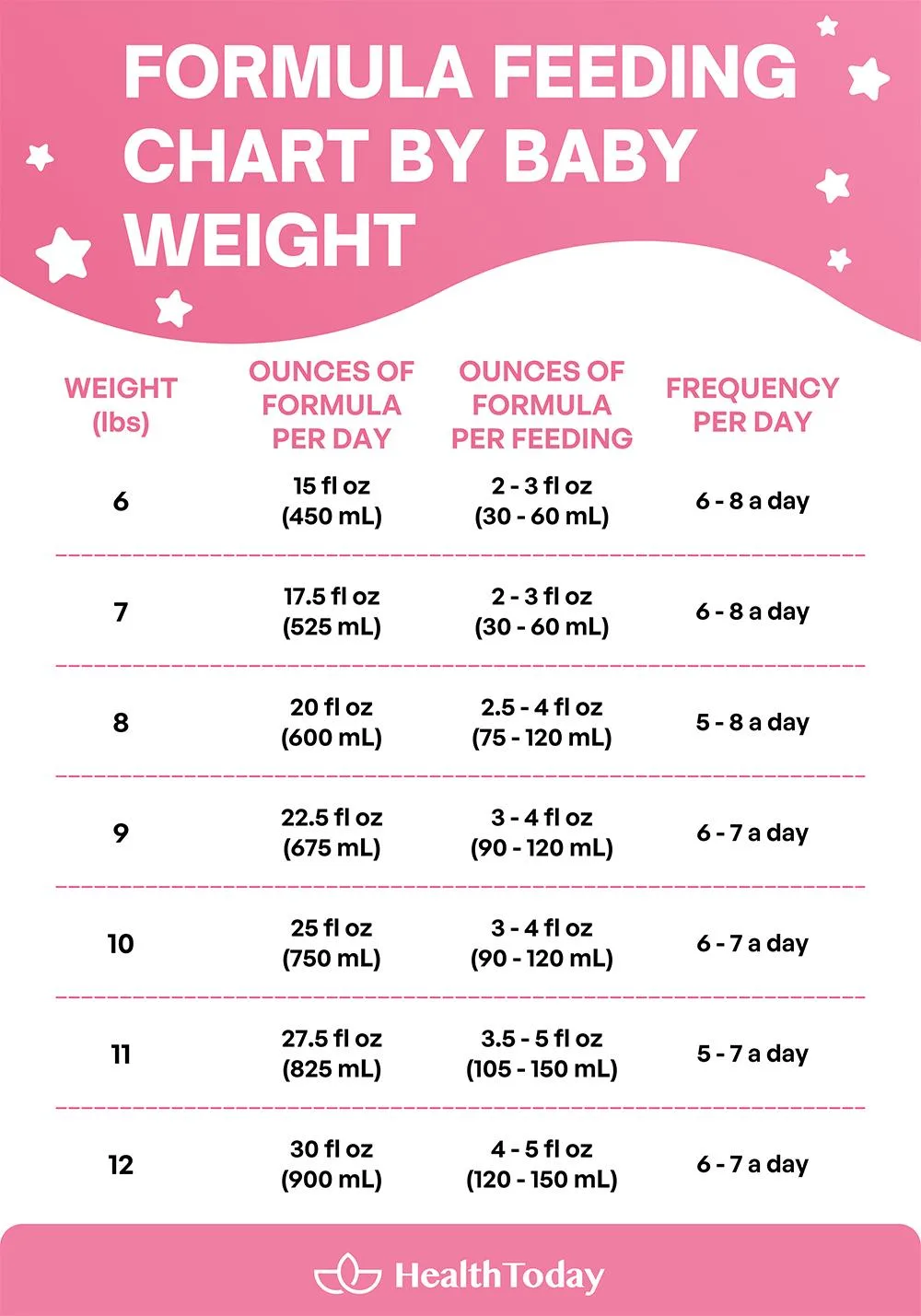
Understanding the Infant Feeding Chart By Weight
The Infant Feeding Chart By Weight provides a clear framework for how much your baby should be eating at various stages of growth. Typically, these charts are based on age and weight, ensuring that you’re meeting your baby’s specific needs. For example, an infant’s feeding requirements differ significantly from those of a toddler.
When using this chart, you’ll want to note the following:
- Weight Ranges: The chart will list weight categories, such as 5-10 lbs, 10-15 lbs, and so on.
- Feeding Amounts: Next to each weight range, you’ll find recommended feeding amounts, usually in ounces or milliliters, tailored to your infant’s age.
- Frequency: Many charts also outline how often to feed your baby, which can vary from every 2 hours to every 4 hours depending on their age and weight.
By using this chart, you can ensure your baby is receiving adequate nutrition tailored to their growth needs.
How to Use the Feeding Chart Effectively
Using an Infant Feeding Chart By Weight can simplify meal planning, but there are a few steps to follow to make the most of it:
- Download and Print: First, find a reliable source to download the chart. A printable PDF format is ideal since it maintains formatting and can be easily printed. Make sure to choose a chart that fits your baby’s age group and weight.
- Fill it Out: If you’re using a fillable PDF, you can enter your baby’s weight and age directly into the document. If you’re printing it out, keep a pen handy to make notes. Regular updates will help you track any changes in your baby’s weight and feeding needs.
- Create a Routine: Incorporate the chart into your daily feeding routine. Refer to it before each feeding session to ensure you’re following the recommended guidelines. This can help you establish a consistent feeding schedule.
- Adjust as Needed: As your baby grows, their feeding requirements will change. Periodically check the chart to adjust the feeding amounts according to their current weight and age.
- Consult with a Pediatrician: Always consult your pediatrician if you’re unsure about the feeding amounts or if your baby has specific nutritional needs.
Digital Vs. Print: Which is Better?
When it comes to using an Infant Feeding Chart By Weight, you might wonder whether a digital or printed version is more practical. Each option has its pros and cons:
- Digital Charts: Using a fillable PDF allows you to save your entries and access the chart from your phone or tablet. This can be convenient for on-the-go parents. Just make sure to have a reliable device, and consider battery life if you’re using it frequently throughout the day.
- Printed Charts: A printed version can be hung on your fridge or kept in your baby’s feeding area. This way, you can quickly reference it during feeding without needing to unlock your device. Additionally, many parents find it easier to jot down notes or adjustments by hand.
Ultimately, the choice between digital and print comes down to personal preference and your daily routine.
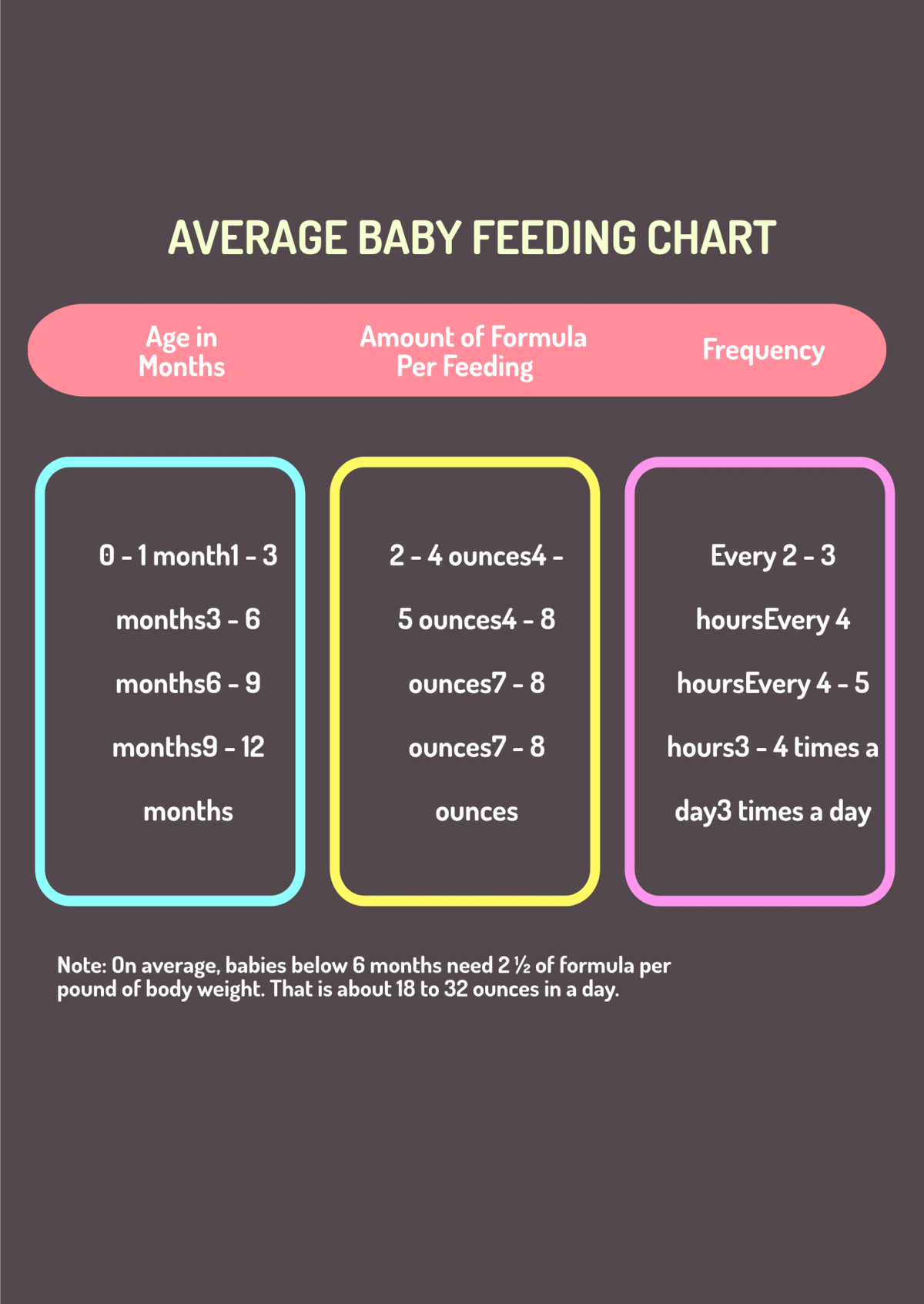
Where to Find Your Infant Feeding Chart By Weight
You can find a variety of Infant Feeding Charts By Weight online. Here are some reliable sources to check out:
- Pediatric Websites: Many reputable pediatric health organizations provide downloadable charts that you can print or save. These charts are often based on the latest nutritional guidelines.
- Printable Resource Websites: Sites dedicated to parenting resources often have a selection of feeding charts available for free download. Look for ones that are easy to read and print.
- Parenting Blogs: Some parenting blogs create customized charts based on their experiences. While these can be helpful, check to see if they cite reliable sources to ensure the information is accurate.
Tips for Choosing the Right Chart
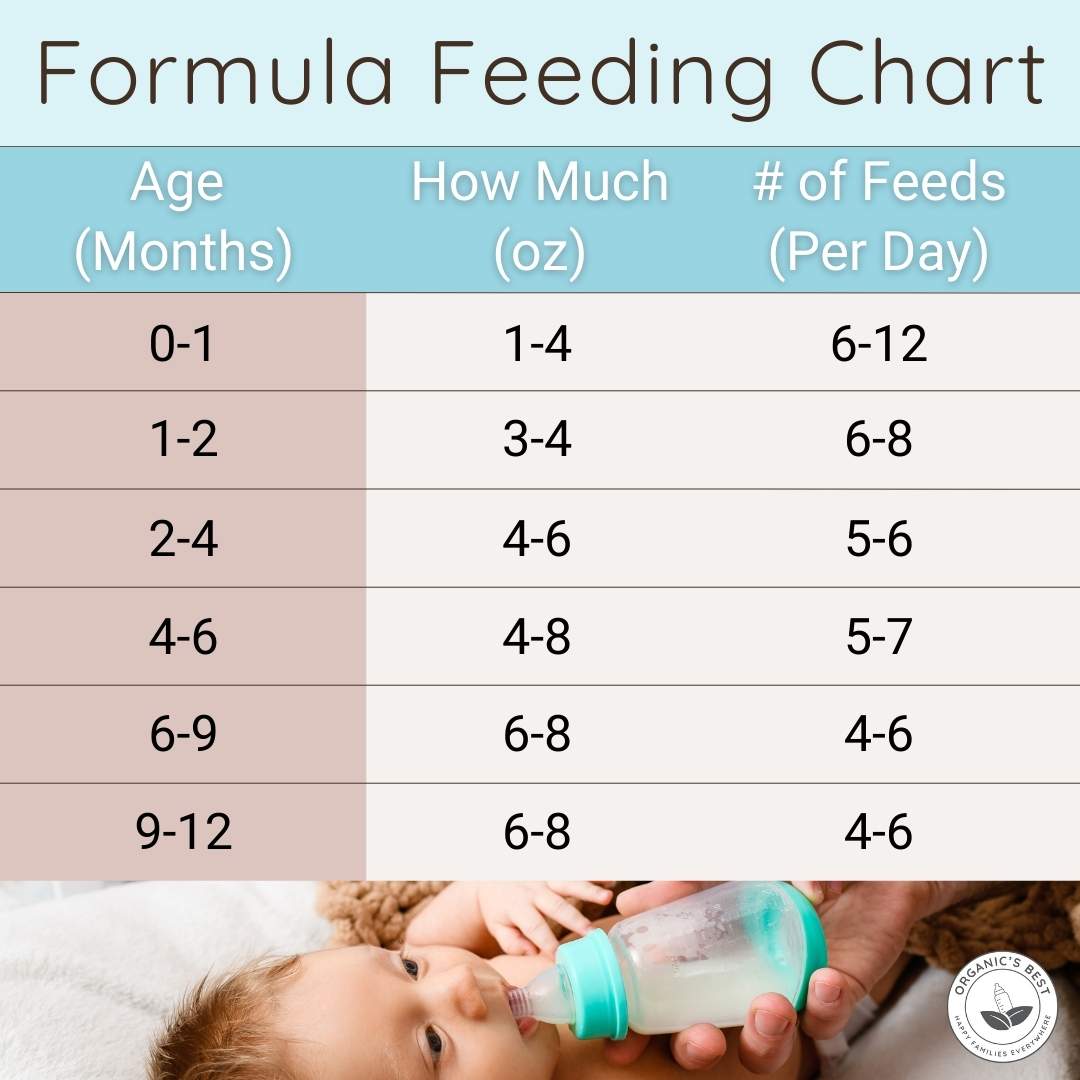
When selecting a chart, consider the following:
- Clarity: Ensure the chart is easy to read. A cluttered design can make it difficult to find the information you need quickly.
- Updates: Choose a chart that reflects current nutritional guidelines. The needs of infants can change, so a chart that is regularly updated is ideal.
- Customization: Some charts allow for personalization, where you can enter your baby’s name, weight, and feeding schedule. This can make tracking more engaging.
By using an Infant Feeding Chart By Weight, you can take the guesswork out of your baby’s feeding needs. This practical tool helps ensure that your little one is well-fed and growing as they should. Whether you choose a digital or printed version, having this resource at your fingertips can make a significant difference in your feeding routine.
