Tracking your weight can be a vital part of managing your health, and having a clear, organized reference helps you stay motivated. An Ideal Women’s Weight Chart serves as a practical tool to track your weight against your height, age, and other factors. This guide will help you understand how to effectively use this chart to monitor progress, set goals, and maintain a healthy lifestyle.
Understanding the Ideal Women’s Weight Chart
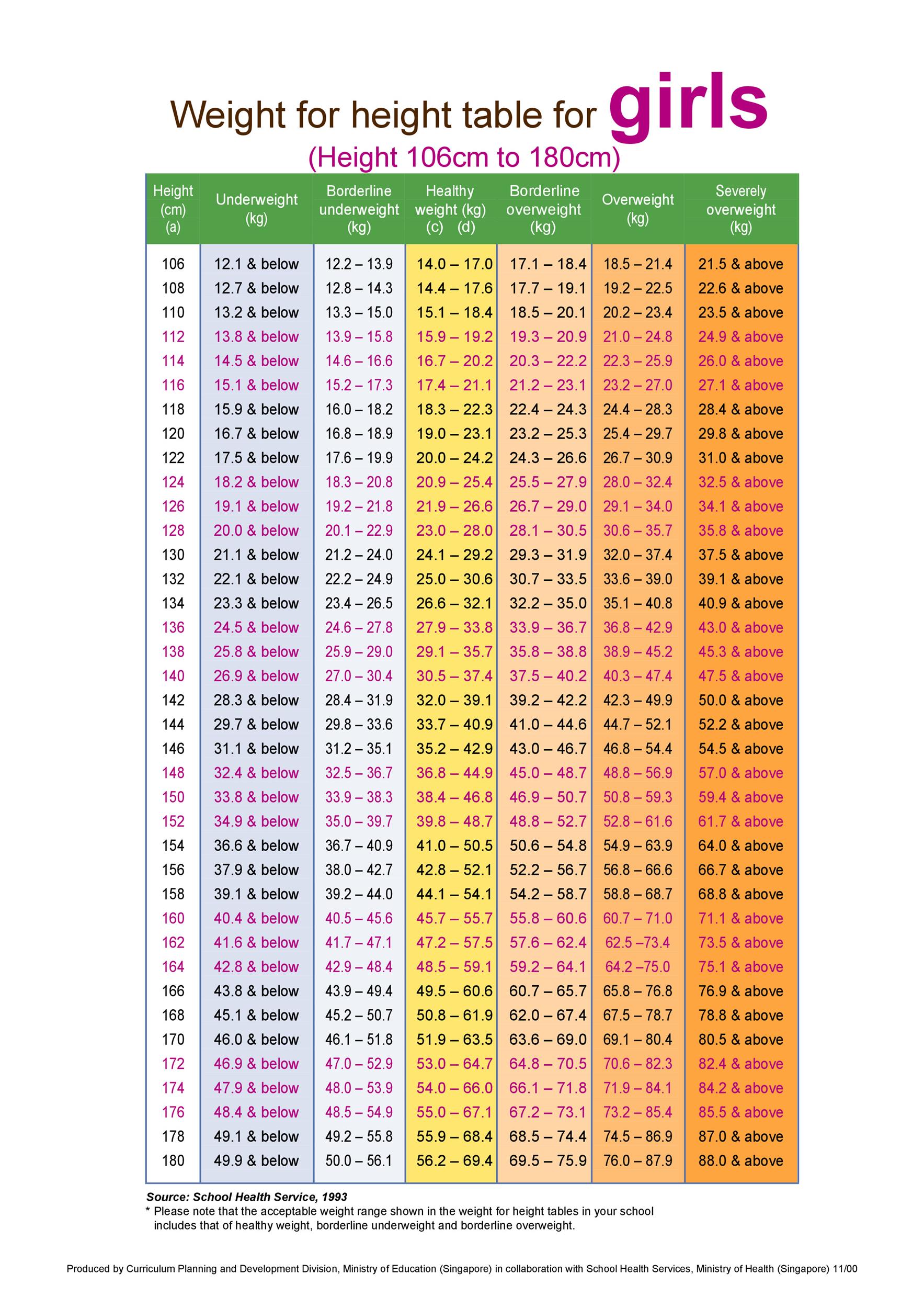
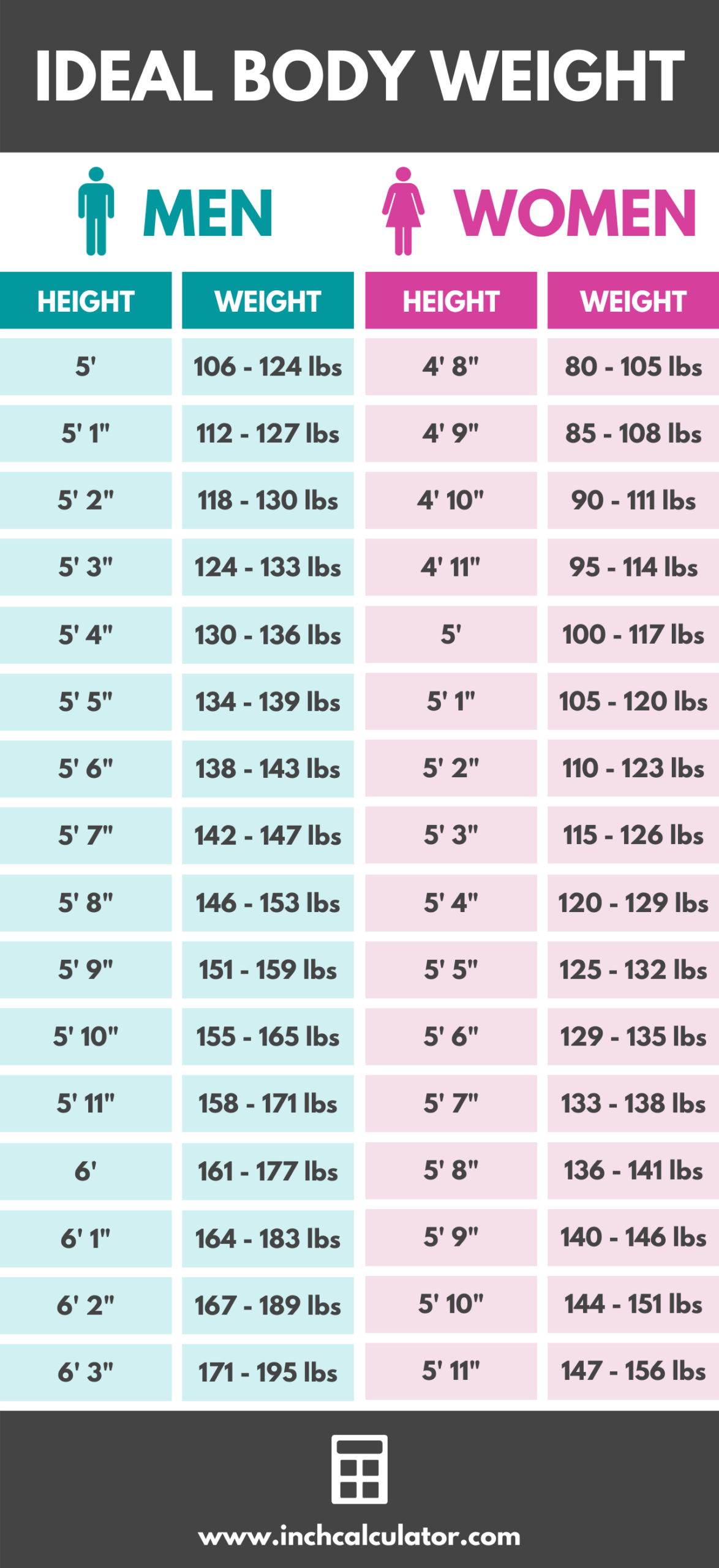
An Ideal Women’s Weight Chart typically lists weight ranges corresponding to various heights. These ranges are informed by health standards and can help you gauge whether your weight falls within a healthy range. The chart usually considers factors like body frame size and muscle mass, which can affect weight.
When you look at the chart, you’ll find your height on one axis and an ideal weight range on the other. This makes it easy to see where you stand. It’s important to remember that these ranges are guidelines and can vary based on individual circumstances.
How to Fill Out Your Ideal Women’s Weight Chart
Filling out your Ideal Women’s Weight Chart is straightforward. Here’s a step-by-step guide to ensure you get the most out of it:
- Measure Your Height: Start by measuring your height accurately. Stand straight against a wall without shoes, and use a tape measure for precision.
- Weigh Yourself: Use a calibrated scale to find your current weight. It’s best to do this at the same time each day, preferably in the morning after using the restroom for consistency.
- Locate Your Height on the Chart: Find your height on the chart. This will guide you to the corresponding weight ranges.
- Record Your Weight: Write down your current weight next to your height. This will help you track your progress over time.
- Set Realistic Goals: Based on the chart, set achievable weight goals. These should be realistic and considerate of your lifestyle and health needs.
- Review Periodically: Revisit the chart regularly (weekly or monthly) to track your progress and adjust your goals as necessary.
Tips for Using Your Ideal Women’s Weight Chart Effectively
While the Ideal Women’s Weight Chart is a valuable tool, using it effectively requires some additional strategies:
- Consider Body Composition: Muscle weighs more than fat, so if you’re building muscle through exercise, you might weigh more but be healthier. Consider tracking body fat percentage alongside weight.
- Account for Other Factors: Hormonal changes, water retention, and other factors can affect weight. Don’t be discouraged by fluctuations; focus on long-term trends instead.
- Use a Digital Tracker: Consider using a digital weight tracker or app where you can input your weight regularly. Many of these tools can also provide insights into your overall health.
- Combine with Healthy Habits: Pair your charting with healthy eating and regular exercise. This holistic approach will support your weight management goals.
Where to Find Printable Ideal Women’s Weight Charts
Finding a printable Ideal Women’s Weight Chart is easy. Many websites offer free downloadable resources that you can print and use right away. Look for charts that are well-designed and easy to read. Here are some tips for finding the right chart:
- Search Reliable Sources: Look for health-related websites, fitness blogs, or resources from medical professionals. These sources often provide accurate and updated charts.
- Choose User-Friendly Formats: PDFs are usually the best format for printing, as they maintain their layout and can be easily filled out by hand.
- Consider Size: Make sure the chart is large enough to read easily. A standard letter size (8.5×11 inches) is usually a good choice for home use.
- Customization Options: Some charts allow for customization, where you can add your personal details or notes. This can make tracking feel more personalized.
Staying Motivated With Your Ideal Women’s Weight Chart
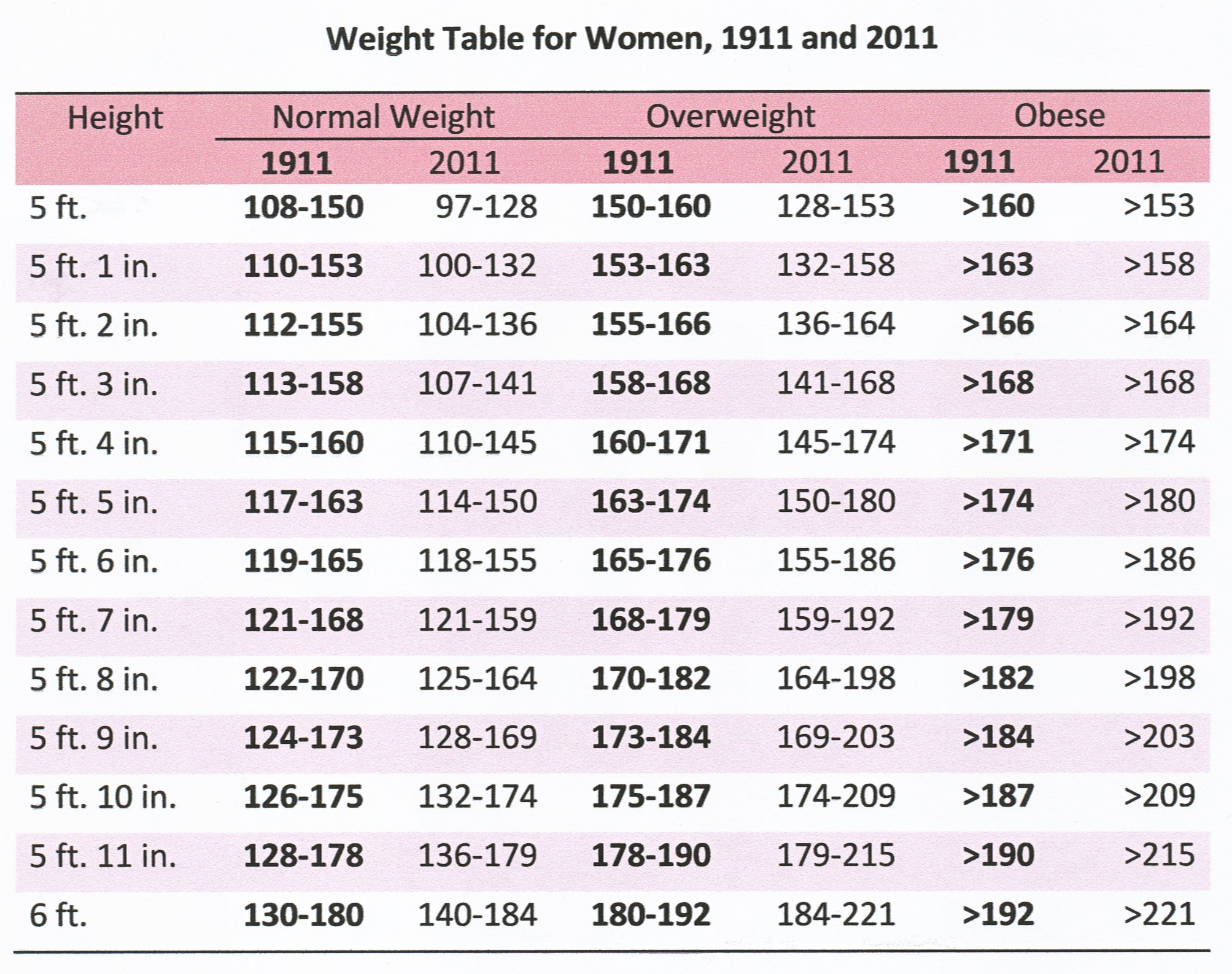
Using the Ideal Women’s Weight Chart is not just about numbers; it’s about understanding your body and staying motivated. Here are some ways to keep your motivation high:
- Celebrate Small Wins: Acknowledge progress, no matter how small. Each step towards your goal is a victory.
- Involve Friends or Family: Share your goals with someone you trust. They can provide support and accountability, making the journey more enjoyable.
- Adjust Goals as Needed: If you find a goal is too challenging or too easy, don’t hesitate to adjust it. Flexibility can keep you engaged and prevent frustration.
- Reflect on Your Journey: Take time to reflect on how far you’ve come. This can help you appreciate your efforts and encourage you to keep going.
Tracking your weight using an Ideal Women’s Weight Chart can be a rewarding experience. By following these steps and tips, you can make informed decisions about your health and stay on the right path toward your weight goals. If you are looking to lose, gain, or maintain weight, this chart can serve as an essential guide in your journey.
