Maintaining a healthy weight is essential for overall well-being, but it can be challenging to know where you stand. The Ideal Body Weight Chart Men is a practical tool that helps you visualize and assess your weight in relation to your height. This resource can guide you toward your health goals and keep you accountable. In this article, we’ll explore how to use the Ideal Body Weight Chart effectively and what information you need to maximize its benefits.
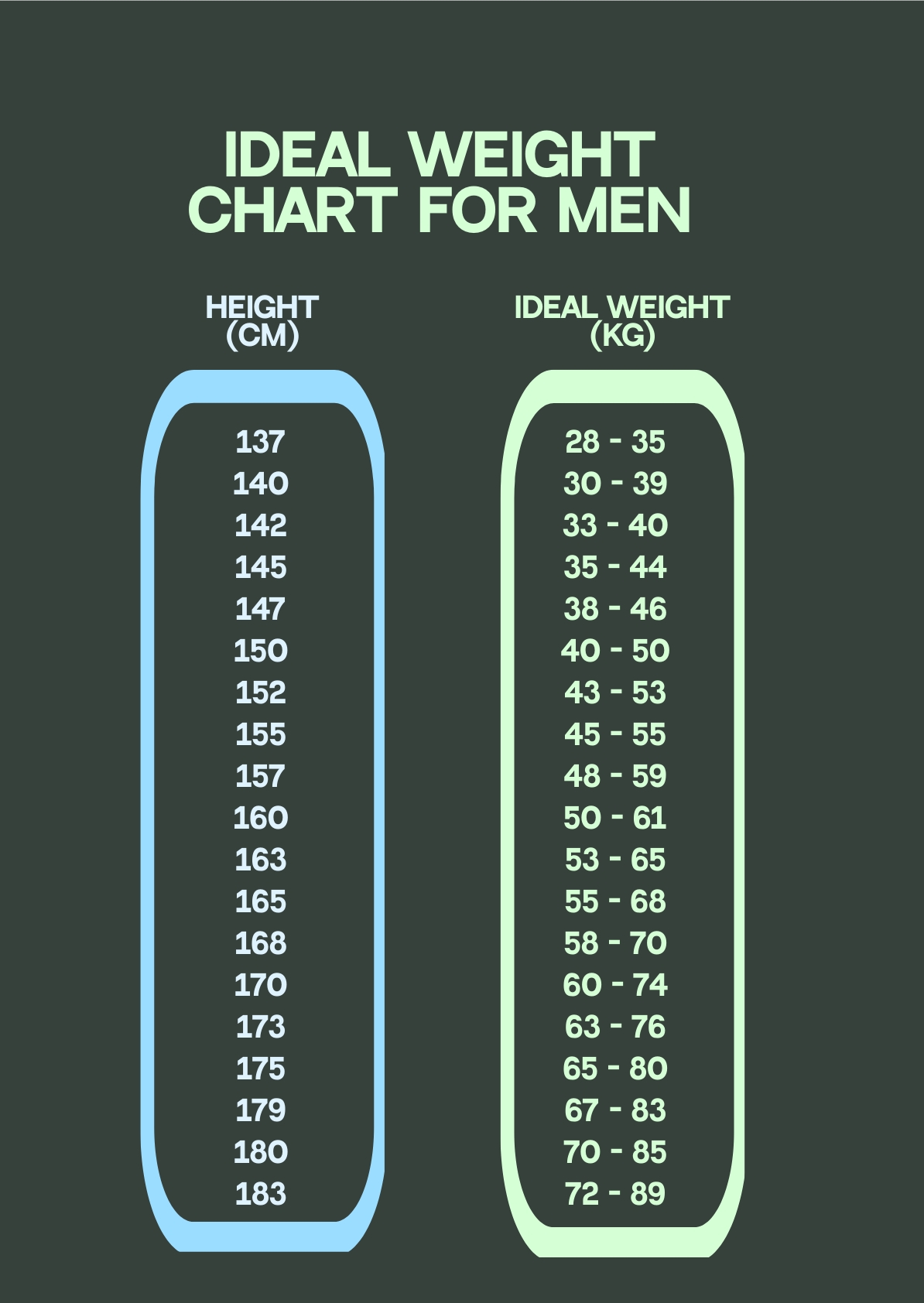
Understanding the Ideal Body Weight Chart
The Ideal Body Weight Chart provides a range of healthy weights based on various heights. This chart is not one-size-fits-all; instead, it offers a guideline to help you find a weight range that suits your body type. Typically, these charts consider a person’s height, which is a crucial factor in determining an ideal weight.
To use the chart, you will need to know your height in either inches or centimeters. Once you have that, you can simply locate your height on the chart to see the corresponding ideal weight range. This helps you set realistic goals for your weight management journey.
How to Use the Ideal Body Weight Chart
Step 1: Gather Your Information
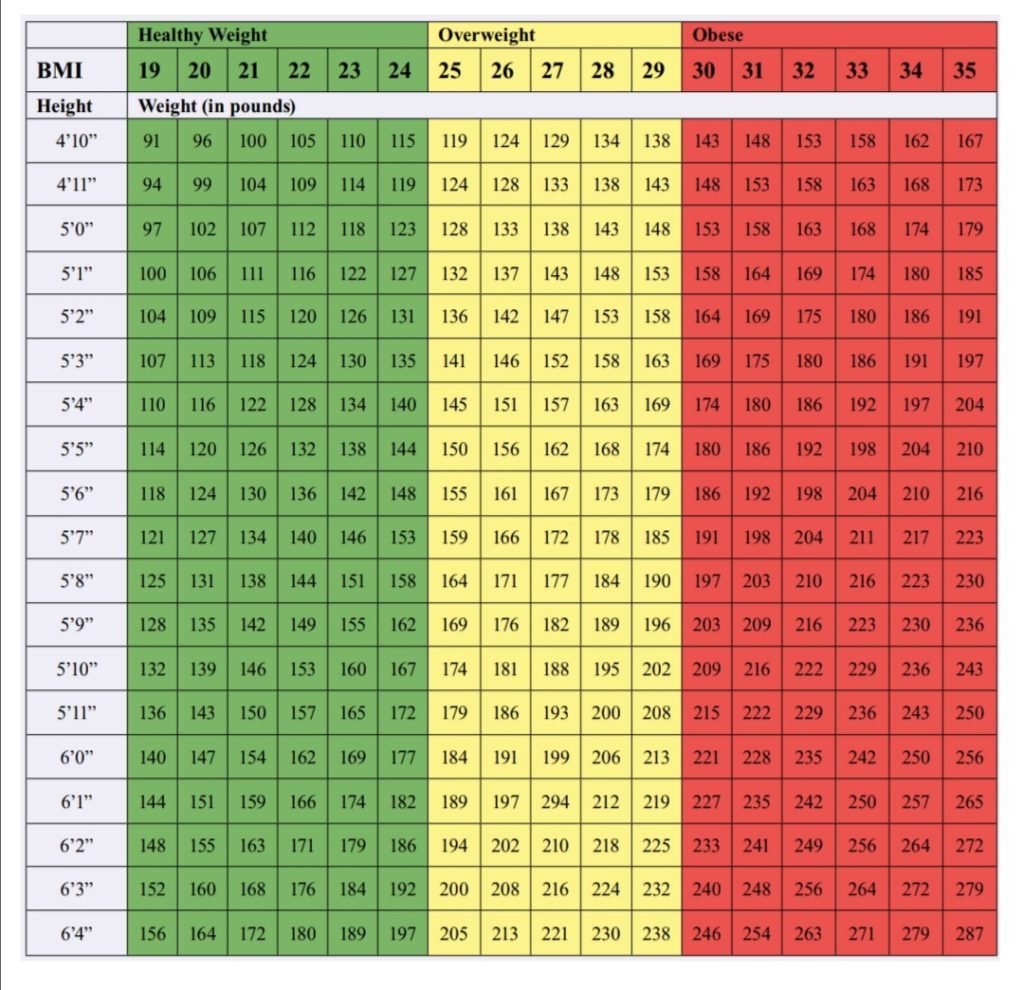
Before you look at using the Ideal Body Weight Chart, gather the following information:
- Your current height (in feet and inches or centimeters)
- Your current weight (in pounds or kilograms)
- Any specific health goals or concerns you have
Having this information handy will make it easier to assess where you currently stand and where you want to go.
Step 2: Locate Your Height on the Chart
Once you have the necessary information, locate your height on the Ideal Body Weight Chart. The chart will typically list heights in ascending order, making it easy to find your specific height.
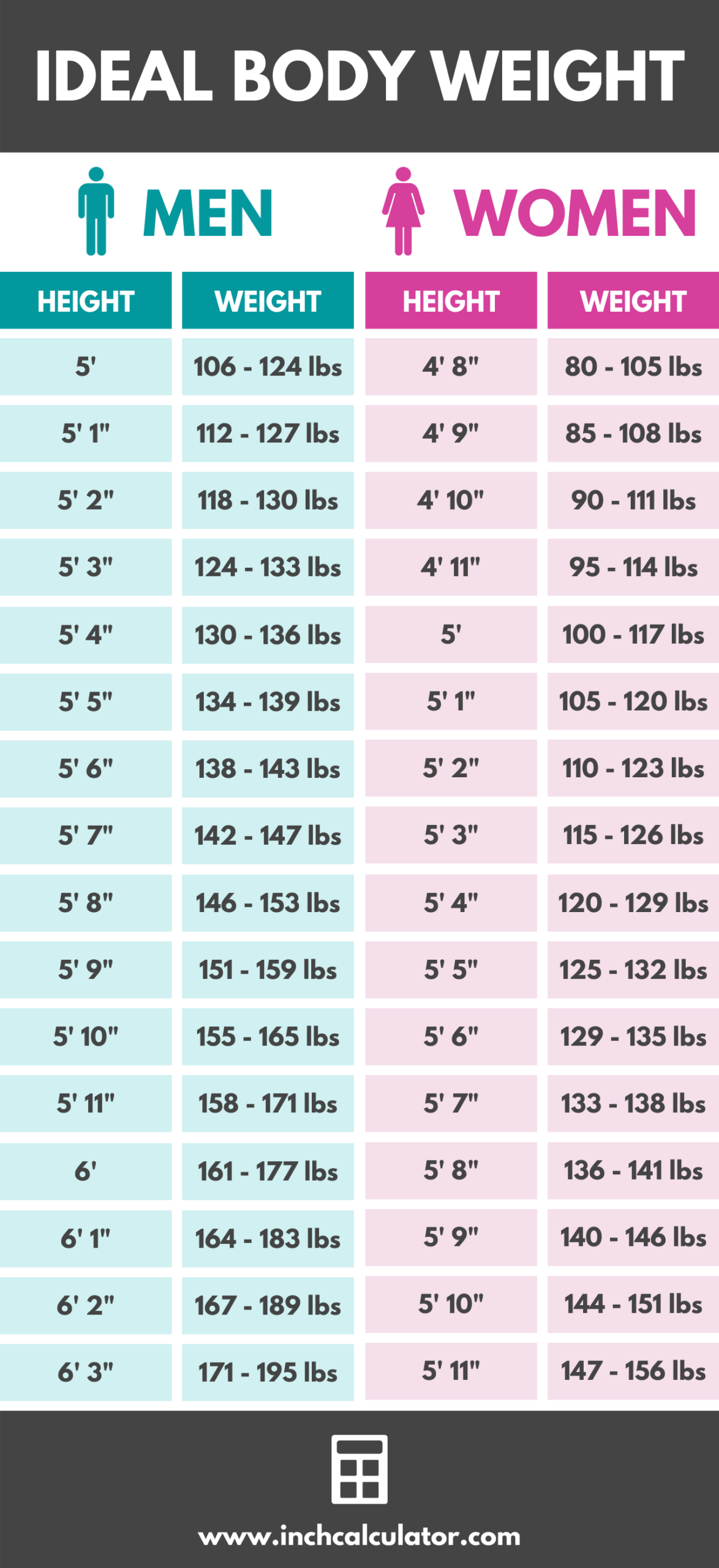
For example, if you are 5’10”, find that height on the chart. Next to it, you will see the ideal weight range. This range often includes both a lower and upper limit, giving you flexibility in your weight goals.
Step 3: Compare Your Current Weight
Now that you have identified your height and the corresponding ideal weight range, compare it to your current weight. Are you within the range? If so, that’s great! If not, take note of how far you are from the ideal range.
This comparison can be a motivating factor. If you’re above your ideal weight range, it may inspire you to adopt healthier habits. Conversely, if you’re below the range, it might prompt you to check in with a healthcare professional to ensure you’re maintaining a healthy lifestyle.
Step 4: Set Realistic Goals
With the information from the Ideal Body Weight Chart, it’s time to set some realistic goals. If you are looking to lose weight, gain muscle, or simply maintain your current weight, having clear objectives will help you stay on track.
Consider breaking down your goals into smaller, manageable steps. Instead of aiming to lose a significant amount of weight all at once, set a goal to lose 1-2 pounds per week. This makes the process less overwhelming and more achievable.
Monitoring Your Progress
Keeping a Weight Journal
To stay accountable, consider keeping a weight journal. Document your weight weekly, along with any notes about your diet and exercise habits. This will help you see patterns and make adjustments as needed.
You can create a simple printable template for your weight journal. Include sections for your weight, date, and any notes on how you felt that week or changes in your routine.
Using the Chart as a Reference
The Ideal Body Weight Chart is a great reference point, but remember that it’s just one tool in your weight management toolkit. Use it alongside other resources, such as fitness trackers, meal planners, and health apps.
Regular Check-Ins
Schedule regular check-ins with yourself, perhaps monthly or quarterly, to reassess your goals and progress. If you’re consistently within your ideal weight range, celebrate those victories! If not, take a moment to evaluate what you might need to adjust in your routine.
Printable Resources for Your Journey
To make your weight management journey smoother, consider downloading and printing additional resources. Here are a few suggestions:
- Printable Ideal Body Weight Chart: Download a PDF version of the chart to keep handy.
- Weight Journal Template: Create a tailored journal to track your weight and habits.
- Meal Planner: A weekly meal planner can help you stay organized and focused on healthy eating.
Using these resources can streamline your efforts and keep you motivated. Plus, having them printed and visible can serve as a constant reminder of your goals.
Final Tips for Success
As you embark on or continue your weight management journey, remember that consistency is key. Don’t be discouraged by minor setbacks; they are part of the process. Focus on making gradual changes that lead to sustainable habits.
One practical tip to implement immediately is to establish a regular routine for weighing yourself. Choose a specific day and time each week, and stick to it. This will help you track your progress more effectively and stay accountable.
Utilizing the Ideal Body Weight Chart Men can be a straightforward yet impactful step toward achieving your health goals. By understanding and applying this resource, you can take charge of your weight management journey with confidence.
