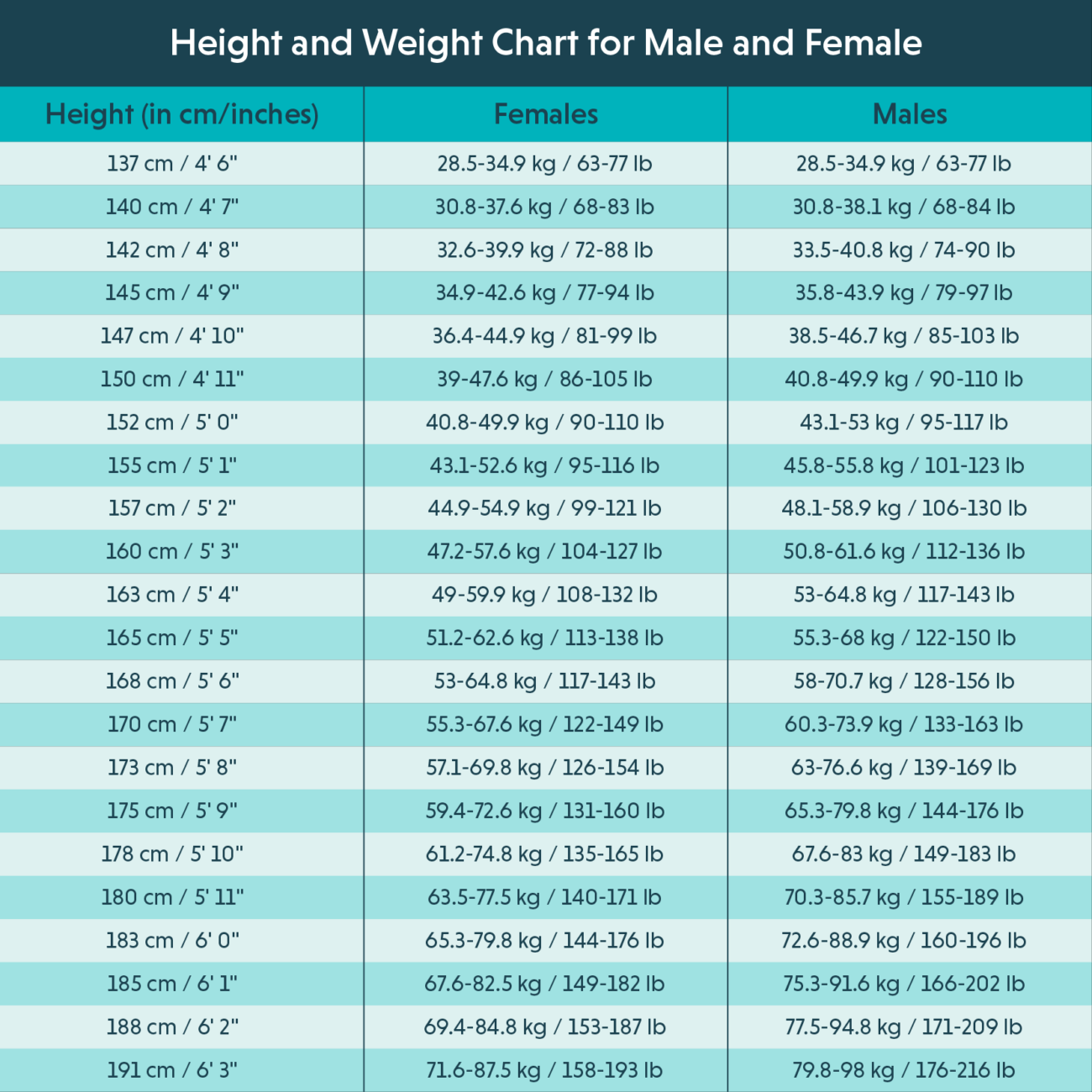
When it comes to tracking your child’s growth, a Height With Weight Chart In Kg is an essential tool. This chart helps you visually compare your child’s height and weight against established standards, making it easier to understand their growth patterns over time. If you are monitoring their development for health check-ups or simply want to keep a record at home, understanding how to use this chart effectively can make a significant difference.
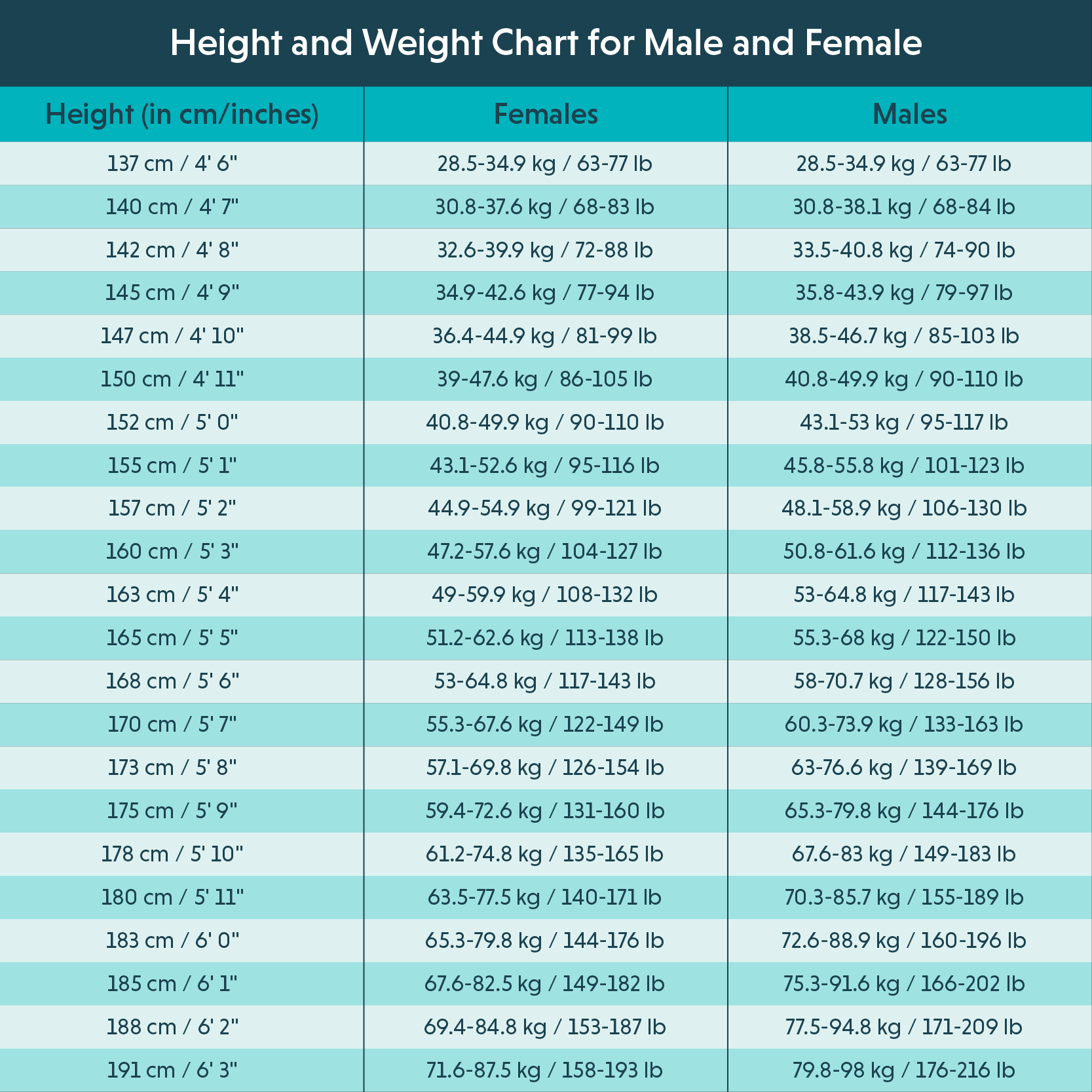
Understanding the Layout of a Height With Weight Chart
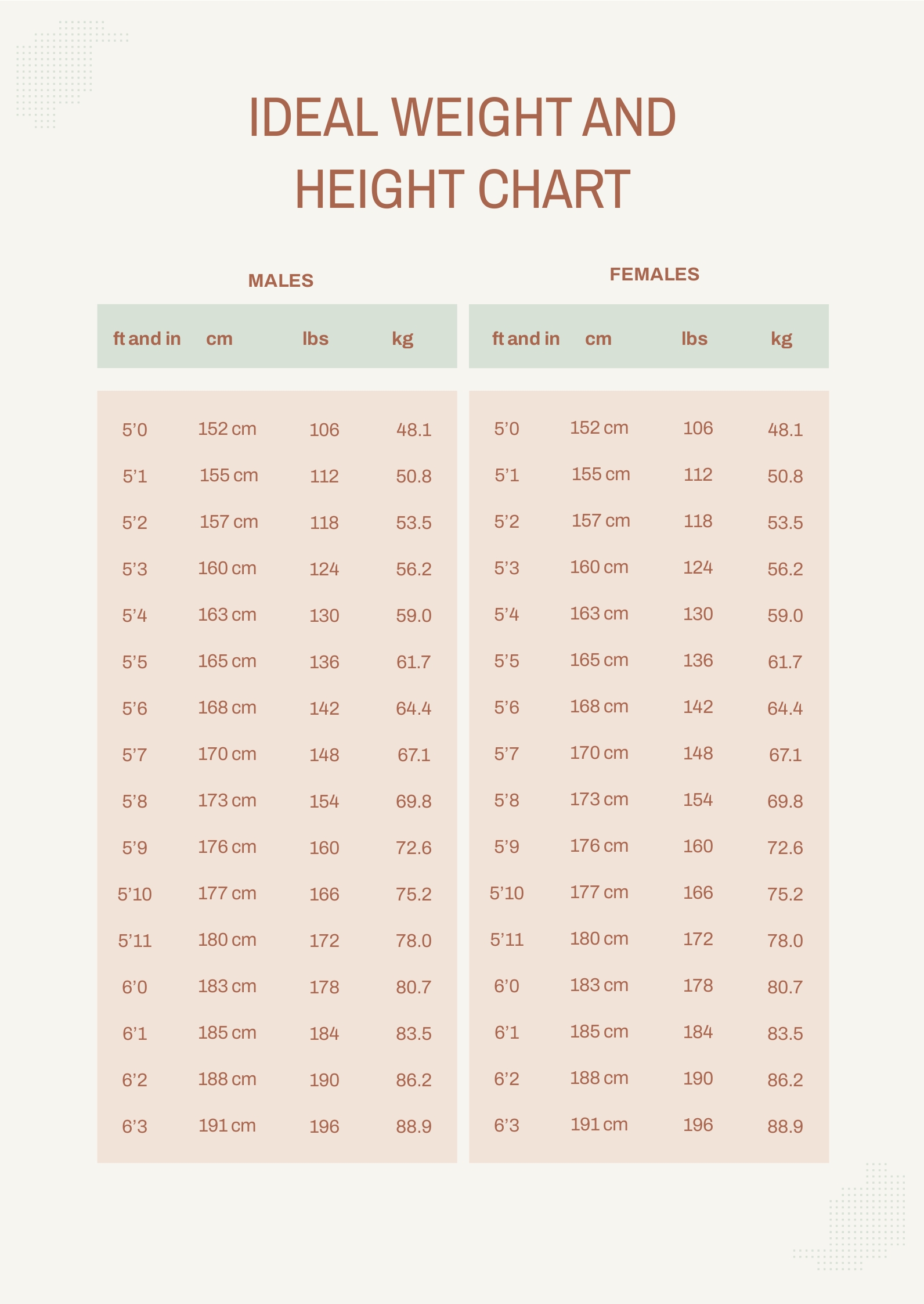
A typical Height With Weight Chart In Kg consists of two main axes: the vertical axis usually represents height, while the horizontal axis represents weight. Each axis is marked with increments that allow you to easily identify the corresponding height and weight measurements.
For instance, you might see height marked in centimeters from 50 cm up to 200 cm and weight in kilograms ranging from 2 kg to 120 kg. Some charts even include percentile lines, which show how your child’s measurements compare to those of their peers. This layout makes it easy to spot trends and assess whether your child’s growth is on track.
How to Read the Chart
Reading a Height With Weight Chart In Kg is straightforward once you know how to locate your child’s measurements. First, measure your child’s height and weight accurately.
- Locate Height: Find your child’s height on the vertical axis.
- Locate Weight: Next, find their weight on the horizontal axis.
- Find the Intersection: Follow the line horizontally from the height and vertically from the weight until they intersect. This point will help you determine if your child is within a healthy range.
If your child’s point falls within the 5th to 85th percentile, they are generally considered to be within a healthy weight range for their height. If the point falls below the 5th percentile or above the 85th, it may be worth discussing with a healthcare provider.
Filling Out the Chart
When it comes to using a Height With Weight Chart In Kg, consistency is key. Here’s how to effectively fill out the chart:
- Date: Write down the date of the measurement. Keeping a log helps you track growth over time.
- Height: Measure your child’s height without shoes, standing straight against a wall, and record it in centimeters.
- Weight: Weigh your child using a reliable scale, ideally at the same time of day for consistency, and record it in kilograms.
Make sure to update the chart regularly, perhaps every few months or during routine health check-ups. This way, you can keep a close eye on growth trends.
Common Mistakes to Avoid
Filling out a Height With Weight Chart In Kg might seem simple, but there are a few common pitfalls that can lead to inaccurate tracking:
- Inconsistent Measurement Times: Weighing your child at different times of the day can result in fluctuations. Try to weigh them at the same time, preferably in the morning.
- Improper Height Measurement: Ensure your child stands straight, with their heels, back, and head touching the wall for an accurate height reading.
- Ignoring Percentiles: Simply recording height and weight without considering the percentiles can be misleading. Always check where your child’s measurements fall on the chart.
By avoiding these mistakes, you can ensure that your growth tracking is as accurate as possible.
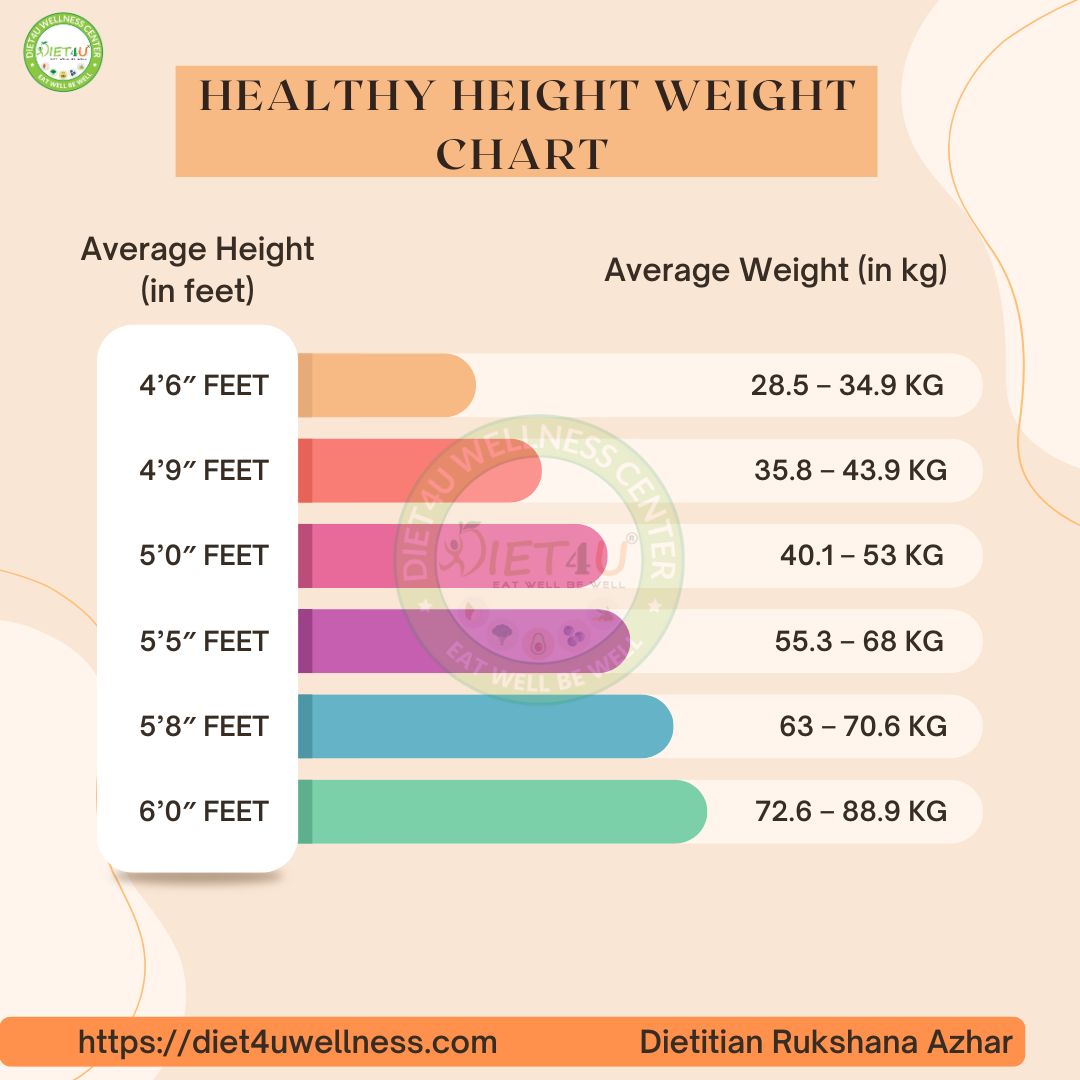
Where to Use the Chart in Your Routine
Incorporating a Height With Weight Chart In Kg into your family’s routine can be incredibly beneficial. Here are some practical ways to use it:
- Health Appointments: Bring the chart to your child’s pediatrician visits. It can serve as a useful reference when discussing growth and health.
- At Home: Keep the chart visible, perhaps on the fridge or in a family planner, so you can easily update it after each measurement.
- School Health Programs: Many schools conduct regular health assessments. You can use the chart to discuss your child’s growth with teachers or school health staff.
Tracking your child’s growth doesn’t have to be a daunting task. The Height With Weight Chart In Kg is a simple yet effective tool to help you stay informed about your child’s development. By understanding how to read, fill out, and utilize this chart, you can take an active role in your child’s health and well-being. Consider using high-quality paper or cardstock for durability, especially if you plan to laminate it for long-term use.
