Creating and following a diet chart for weight loss can be a useful option in your journey towards better health. This resource helps you track what you eat, understand portion sizes, and ensure you’re getting the right nutrients. If you are looking to lose a few pounds or make a significant lifestyle change, having a structured approach can lead to better results.
Understanding Your Diet Chart
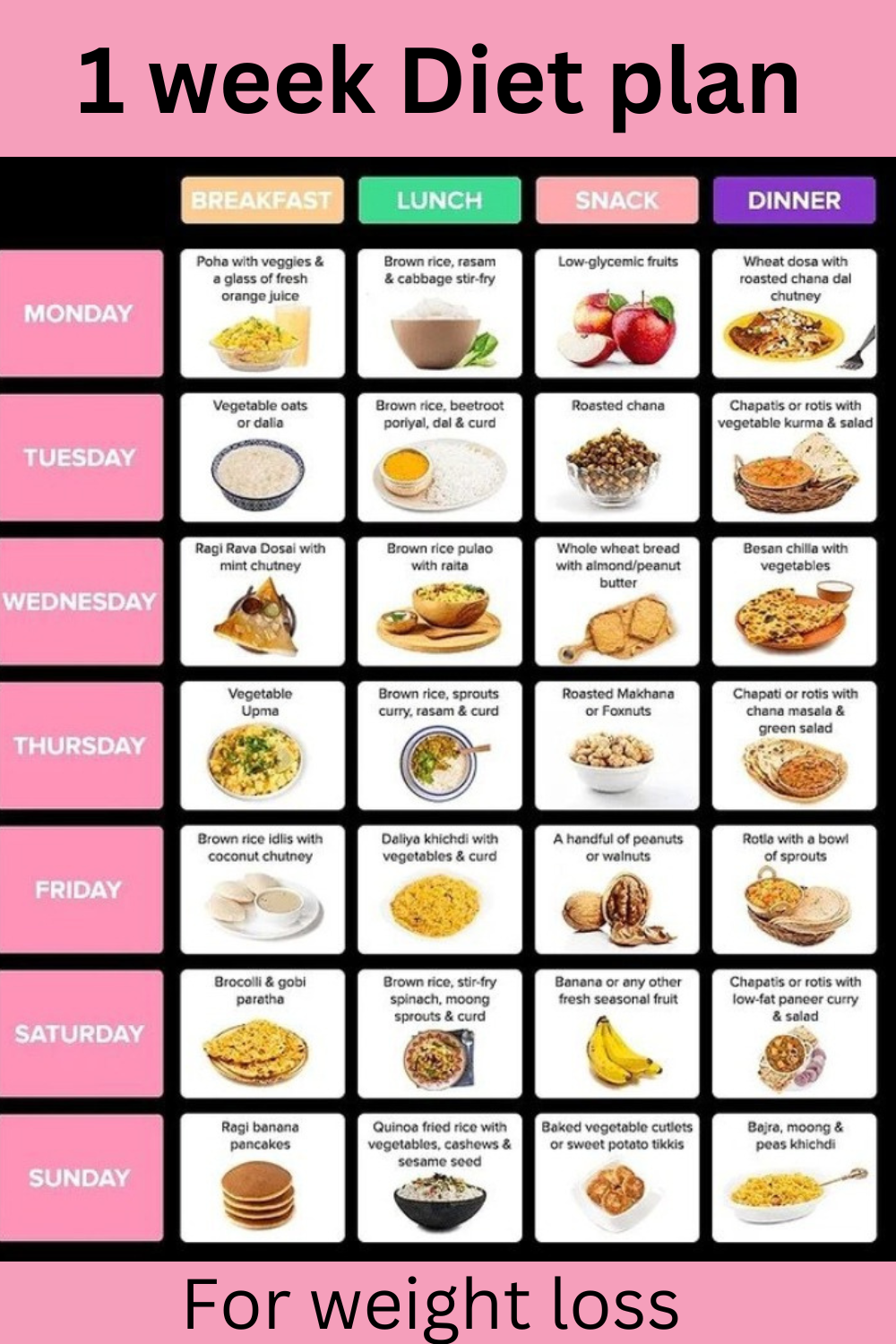
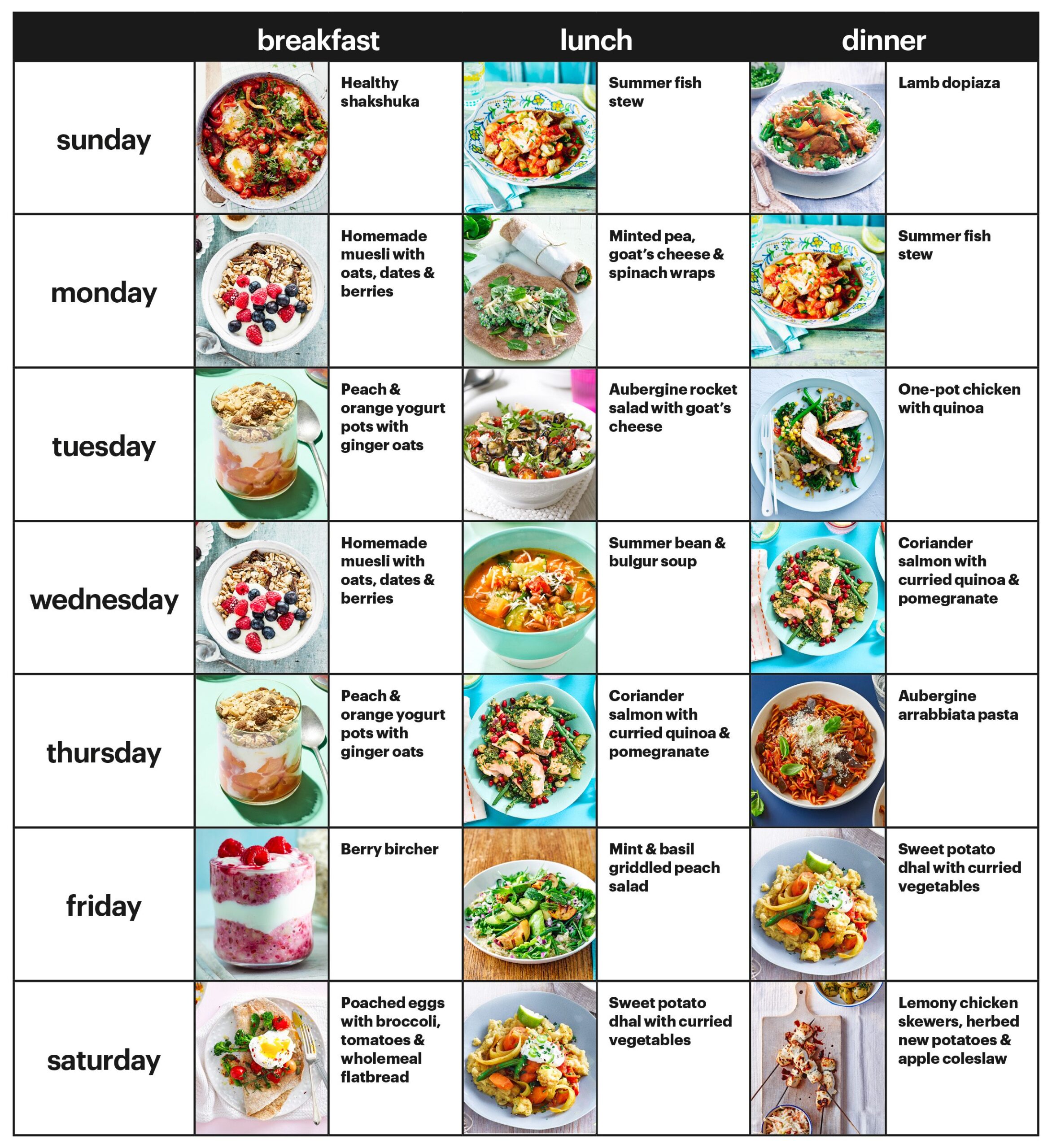
A diet chart for weight loss is essentially a structured plan that outlines the meals and snacks you should consume throughout the day. It typically includes:
- Meal types: Breakfast, lunch, dinner, and snacks.
- Food categories: Proteins, carbohydrates, fats, and fiber.
- Portion sizes: Guidelines on how much to eat at each meal.
This chart not only helps you keep track of your daily intake but also aids in meal planning, making grocery shopping easier and more efficient.
How to Fill Out Your Diet Chart
When you’re ready to start filling out your diet chart for weight loss, consider the following steps:
- Set Your Goals: Determine your weight loss target. This will guide your calorie intake and portion sizes.
- Choose Your Foods: Select foods based on their nutritional value. Include a variety of fruits, vegetables, whole grains, lean proteins, and healthy fats.
- Plan Your Meals: Allocate specific foods to each meal. For instance, you might have oatmeal and fruit for breakfast, a salad with grilled chicken for lunch, and steamed vegetables with fish for dinner.
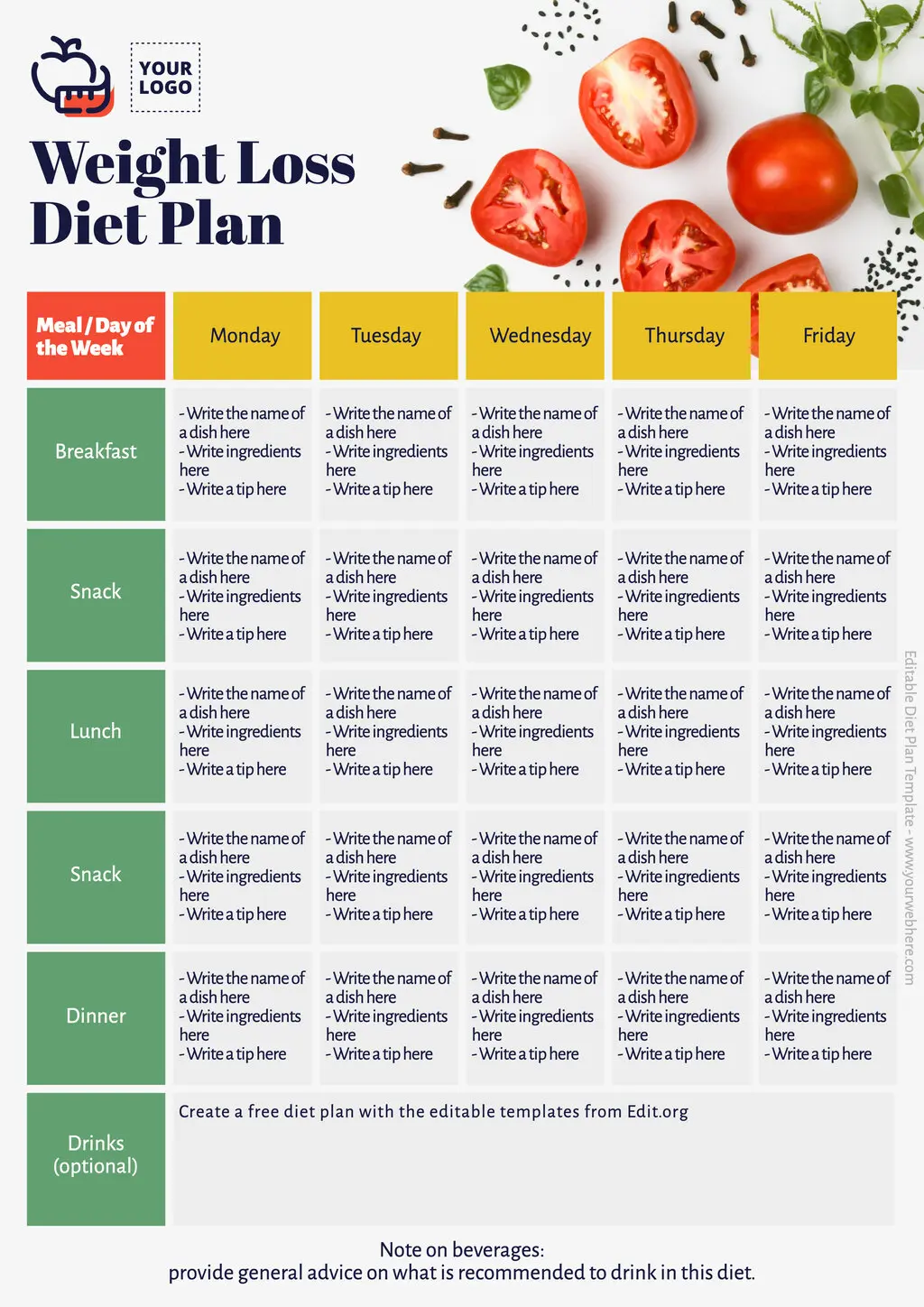
- Track Your Progress: As you go through each day, mark off what you’ve eaten. This will help you stay accountable and adjust your plan as needed.
Portion Control
Understanding portion sizes is crucial for weight loss. Here are some common serving sizes to keep in mind:
- Protein: Aim for about 3 ounces (the size of a deck of cards).
- Carbohydrates: A serving of cooked pasta or rice should be about half a cup.
- Fruits and Vegetables: Strive for 1 cup of raw vegetables or 1 medium piece of fruit.
- Fats: Limit to about 1 tablespoon of oil or a small handful of nuts.
Using measuring cups or a food scale can help ensure you’re sticking to these recommendations.
Sample Diet Chart for Weight Loss
Here’s a simple example of what a day might look like on your diet chart:
- Breakfast:
- 1 serving of oatmeal with ½ banana
- 1 tablespoon of almond butter
- Mid-Morning Snack:
- 1 medium apple
- 10 almonds
- Lunch:
- Mixed greens with 3 ounces of grilled chicken
- ½ avocado
- 1 tablespoon of vinaigrette
- Afternoon Snack:
- 1 cup of carrot sticks
- 2 tablespoons of hummus
- Dinner:
- 3 ounces of salmon
- 1 cup of steamed broccoli
- ½ cup of quinoa
- Evening Snack (if needed):
- 1 small Greek yogurt
Adjust this chart according to your preferences, dietary restrictions, and nutritional needs.
Tips for Sticking to Your Diet Chart
Staying committed to your diet chart for weight loss can be challenging. Here are some practical tips to help you stay on track:
- Meal Prep: Dedicate a day each week to prepare your meals. This makes it easier to stick to your chart and avoid impulse eating.
- Stay Hydrated: Drink plenty of water throughout the day. Sometimes hunger can be mistaken for thirst.
- Keep a Food Journal: Write down everything you eat, including snacks. This will help you remain accountable.
- Be Flexible: If you have a day where things don’t go as planned, don’t get discouraged. Just adjust your chart and keep moving forward.
Tracking Your Progress
Lastly, tracking your progress is vital. Regularly assess how you’re feeling, any changes in your weight, and how well you’re sticking to your diet chart. You might also want to track your energy levels and mood, as these can be indicators of how well your diet is working for you.
Many people find that keeping a weekly check-in helps them stay motivated. You could set aside a specific day each week to review your chart and make any necessary adjustments. This will not only keep you accountable but also allow you to celebrate your successes, no matter how small.
By using a diet chart for weight loss, you can create a sustainable plan that fits your lifestyle and helps you achieve your goals. With organization and dedication, you’ll be well on your way to a healthier you.
