When it comes to tracking health and fitness, many people find themselves searching for reliable tools to assess their progress. One such resource that can be incredibly helpful is a Height Weight Chart For Men And Women. This chart not only provides a quick reference for determining the appropriate weight range for a given height but also serves as a motivational tool for individuals aiming to maintain or achieve a healthy weight. If you’re looking to organize your health goals or help your family stay on track, understanding how to effectively use this resource is key.
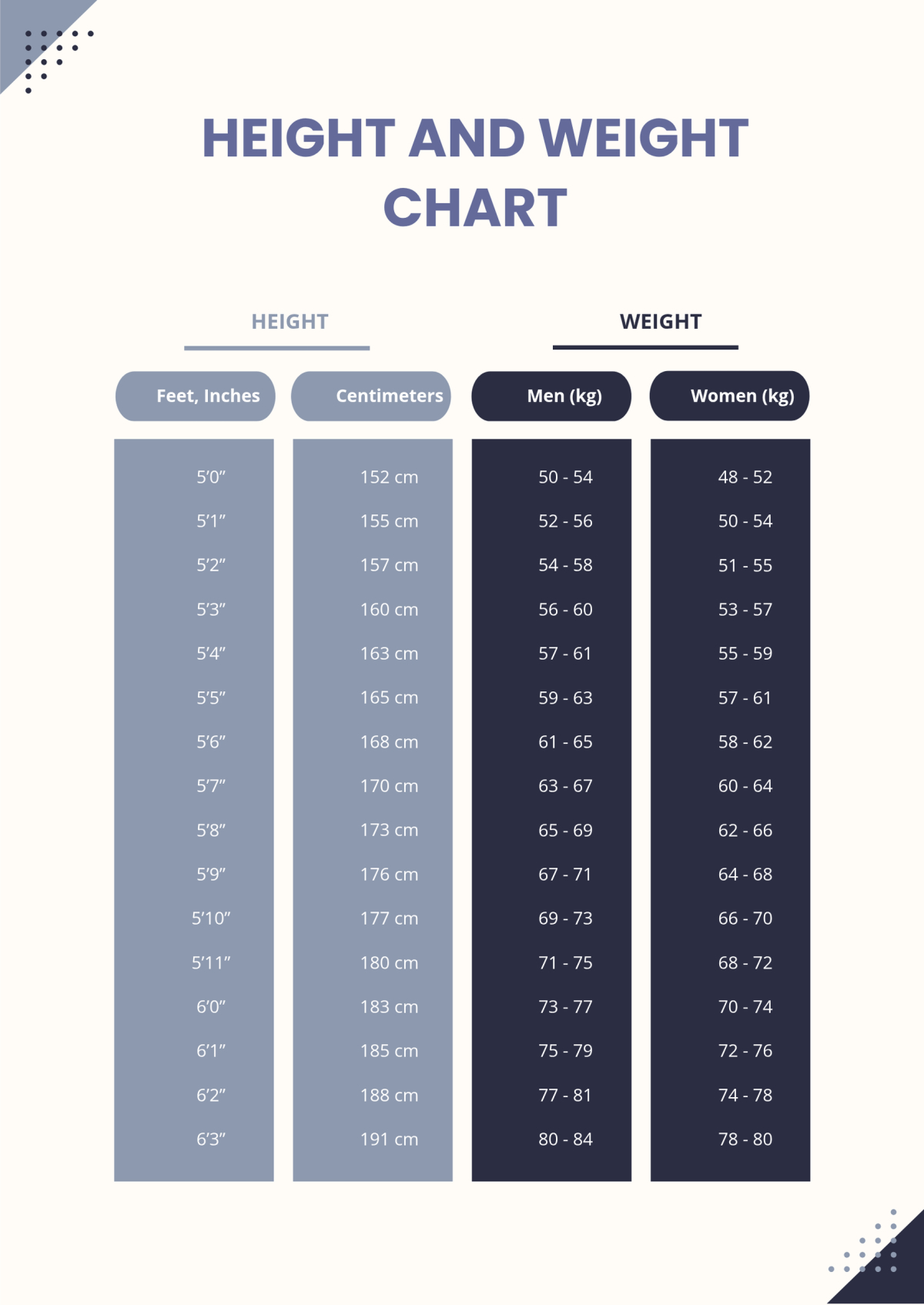
Understanding the Layout of the Height Weight Chart
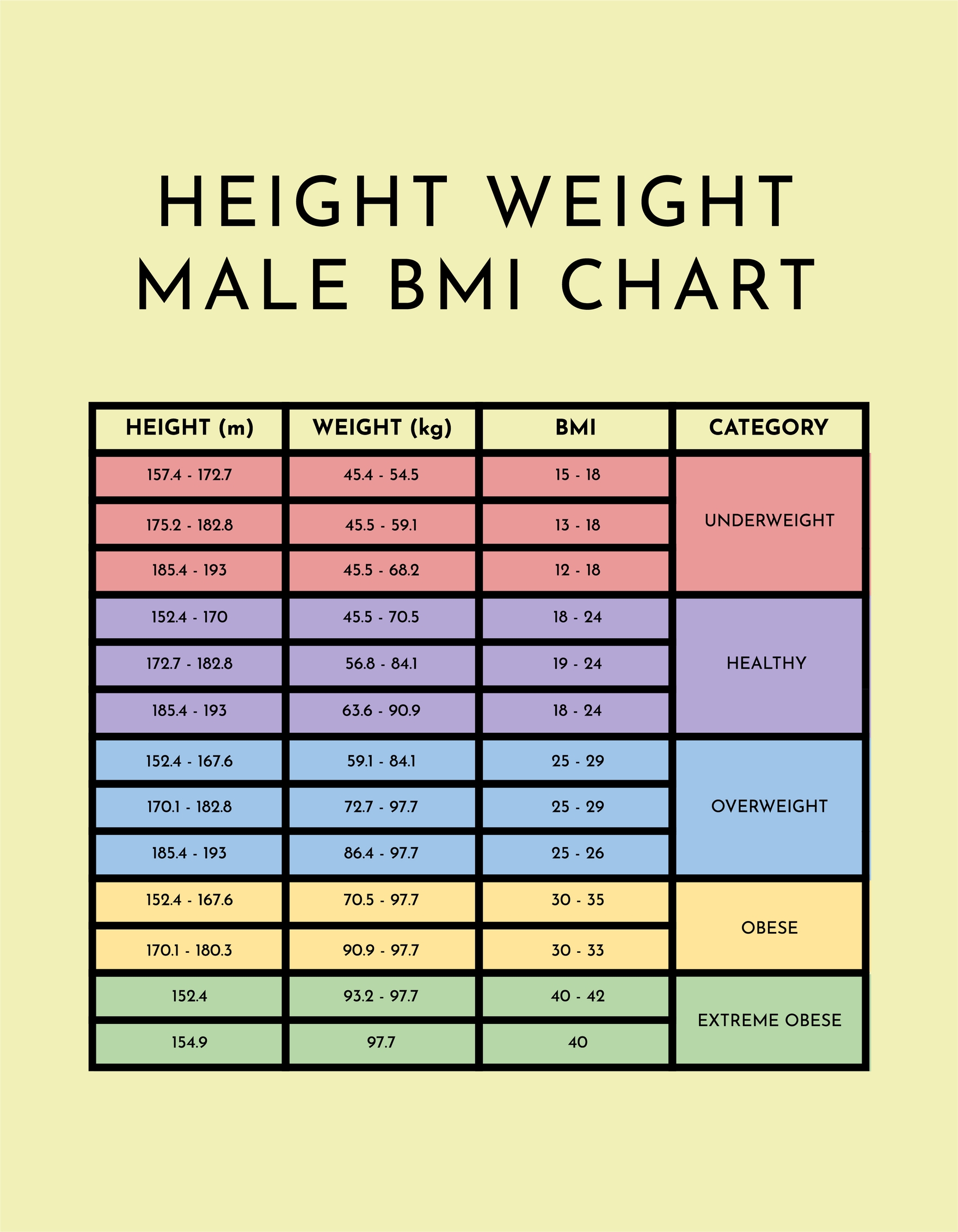
A typical Height Weight Chart is designed with two primary columns: one for height and one for weight. The height is usually listed in inches or centimeters, while the weight is represented in pounds or kilograms. Some charts also include BMI (Body Mass Index) categories, which can provide additional context regarding whether an individual falls within a healthy range, underweight, overweight, or obese.
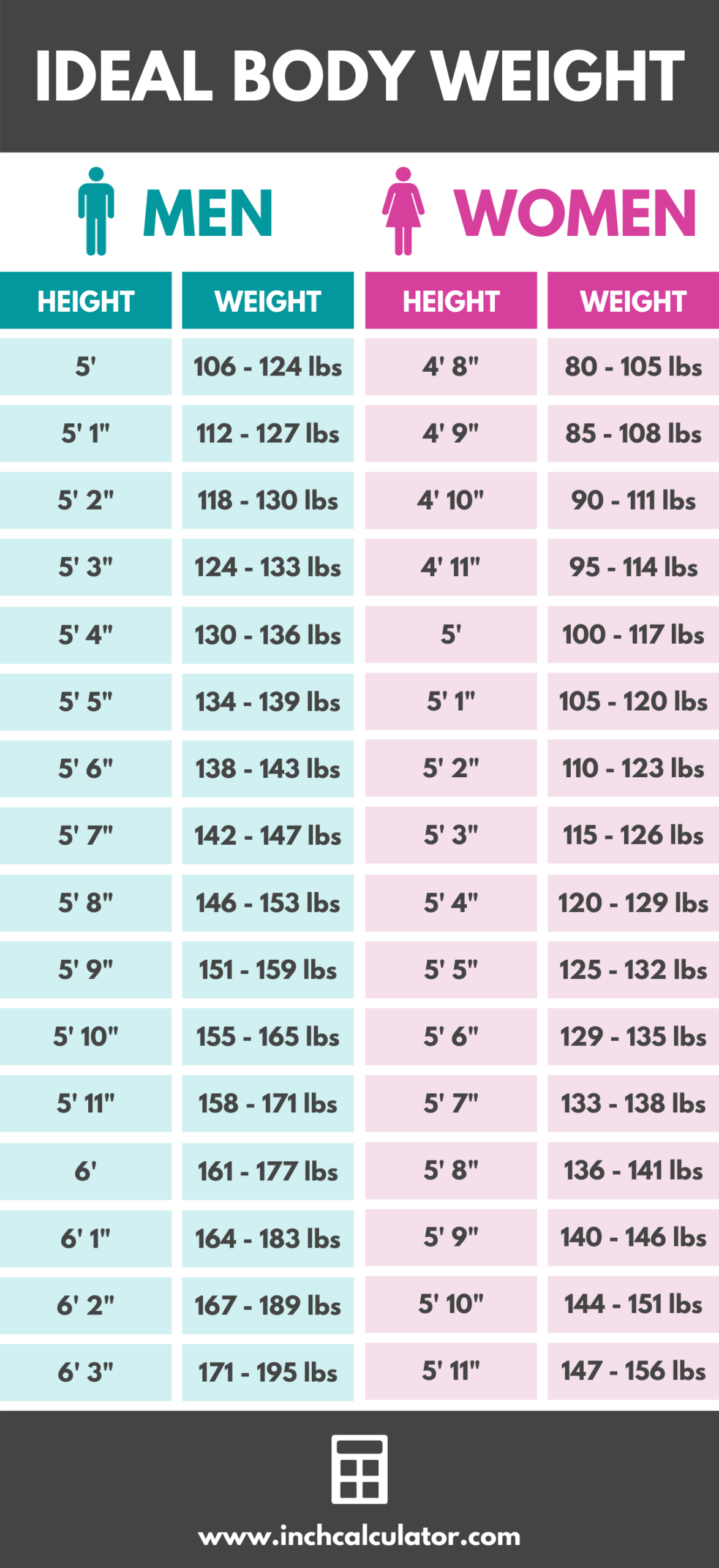
This layout allows for quick comparisons. You can easily find your height on the chart and see the corresponding weight range. For example, if you’re 5 feet 8 inches tall, you can pinpoint the weight range that is typically considered healthy for that height. This can be particularly useful for parents who want to keep tabs on their children’s growth or for individuals looking to set fitness goals.
How to Fill in the Chart
Filling out the Height Weight Chart is straightforward. First, measure your height accurately—standing straight against a wall with your heels together is usually best. When you have your height, locate it on the chart. Next, look across the row to find the corresponding weight range.
For example, if you measure 70 inches (5 feet 10 inches), you might find that the healthy weight range runs from about 140 to 180 pounds. It’s important to remember that these ranges can vary based on factors like muscle mass, bone density, and overall body composition.
If you’re using this chart for your children, it’s also worth mentioning that growth patterns can vary widely. Children and teenagers often go through growth spurts, and their weight can fluctuate as they develop. It’s best to consult with a healthcare provider for personalized assessments.
Integrating the Chart Into Your Routine
Using the Height Weight Chart For Men And Women can be seamlessly integrated into your daily routine. Here are a few practical tips:
- Weekly Check-Ins: Designate a specific day each week to check your weight and height if needed. Record these measurements in a planner or journal alongside the chart to track your progress over time.
- Family Health Goals: If you’re a parent, consider using the chart as a visual aid during family discussions about health and fitness. This can help reinforce healthy habits and set achievable goals together.
- Fitness Planning: Use the chart to complement your fitness plans. If you’re starting a new exercise routine or diet, refer back to the chart periodically to gauge whether you’re on the right track toward your healthy weight range.
Remember, this chart is a tool—not a strict rule. Everyone’s body is different. Factors like muscle mass, body type, and even genetics can influence what a healthy weight looks like for you.
Quality Matters: Choosing the Right Format
When printing your Height Weight Chart, consider the quality of the paper and the format. Here are some tips:
- Paper Type: If you plan to laminate the chart for durability, cardstock is a great choice. It holds up well and is less prone to tearing than standard printer paper.
- Size and Layout: A portrait layout tends to fit better on most home printers. If you want to keep it handy, printing it in a smaller size, like A4 or letter size, can make it easier to store in a planner or binder.
- Color vs. Black and White: While color printing can enhance visibility, black and white is perfectly acceptable and often more cost-effective. Just ensure that the text and numbers are clear and legible.
Where to Use the Height Weight Chart
The Height Weight Chart can be a versatile resource in various settings. Here are a few practical uses:
- At Home: Keep a printed version in a common area where family members can easily refer to it. This promotes awareness and accountability regarding personal health goals.
- In the Classroom: Teachers can use the chart to educate students about healthy living and body image, reinforcing the importance of understanding personal health metrics.
- At the Doctor’s Office: Bring a copy of your chart to appointments. It can help facilitate discussions regarding your health and any necessary lifestyle changes.
Incorporating this chart into your life can empower you and your family to make informed decisions about health and wellness.
One detail worth remembering is that while the Height Weight Chart For Men And Women is a valuable tool, it should be used alongside other health assessments for a complete picture of well-being. Always consult with a healthcare professional for personalized advice tailored to your specific needs.
