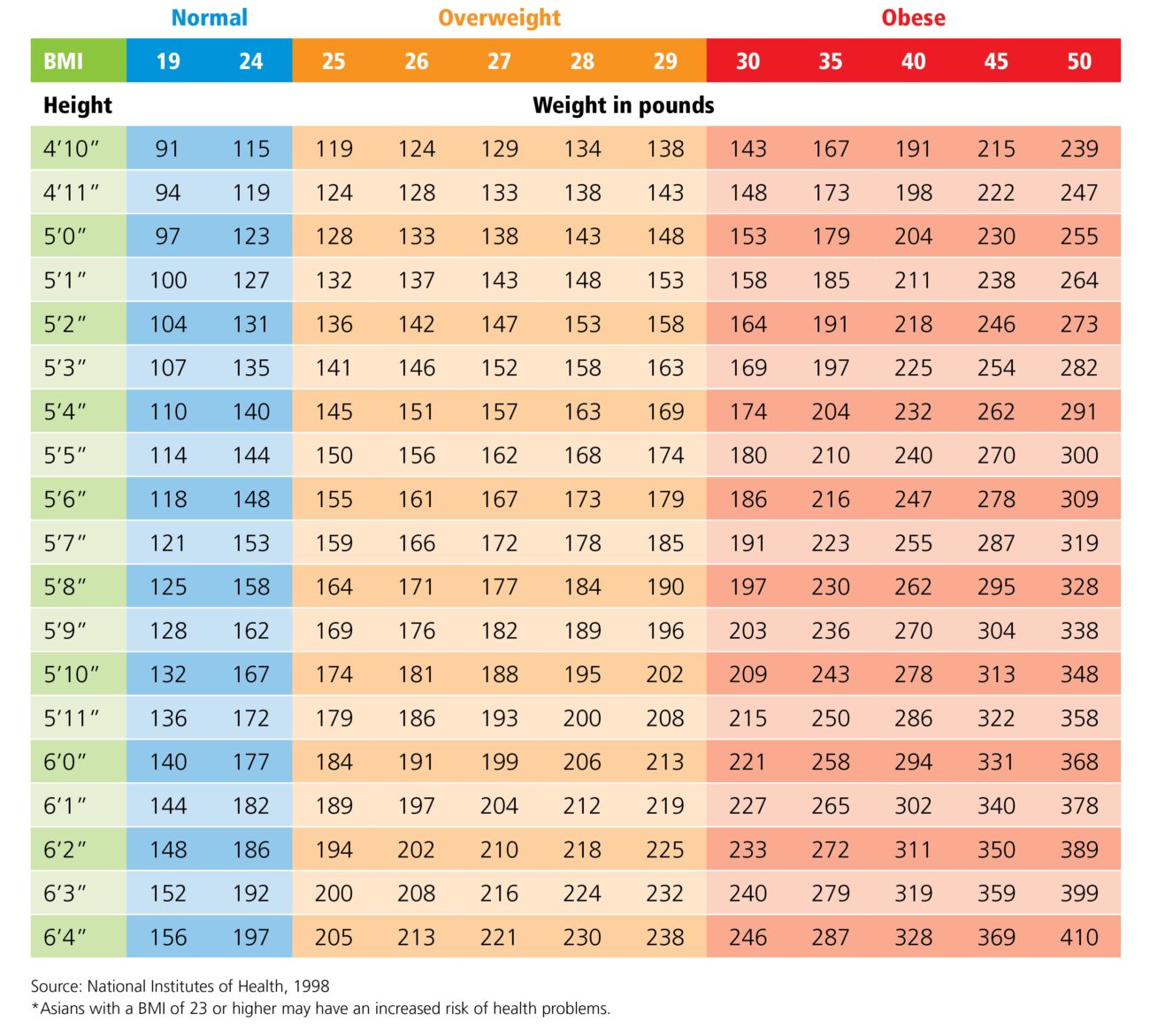
The Height Weight Age Chart For Male is a practical tool designed to help you monitor and assess health metrics easily. This chart allows you to see the relationship between height, weight, and age, helping you establish goals and track your progress over time. If you are aiming to maintain a healthy weight, plan a fitness regime, or just stay informed about your health, this chart is an essential resource.
Understanding the Chart Layout
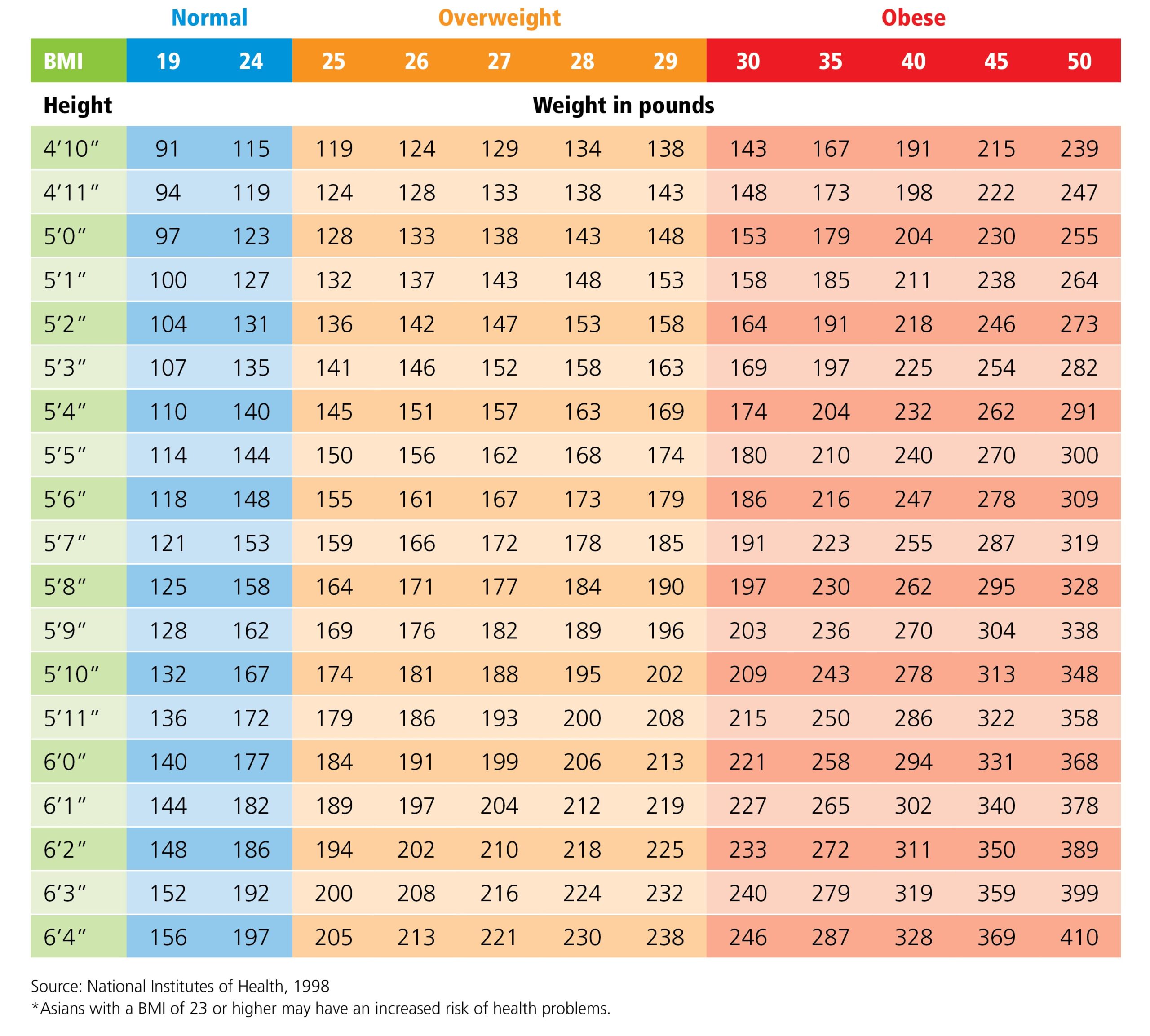
The Height Weight Age Chart typically features a grid layout where height is listed on one axis and weight on the other. This layout allows you to pinpoint your ideal weight range based on your height and age. Most charts include a variety of age groups, making it easy to find the right information for your specific needs.
How to Read the Chart
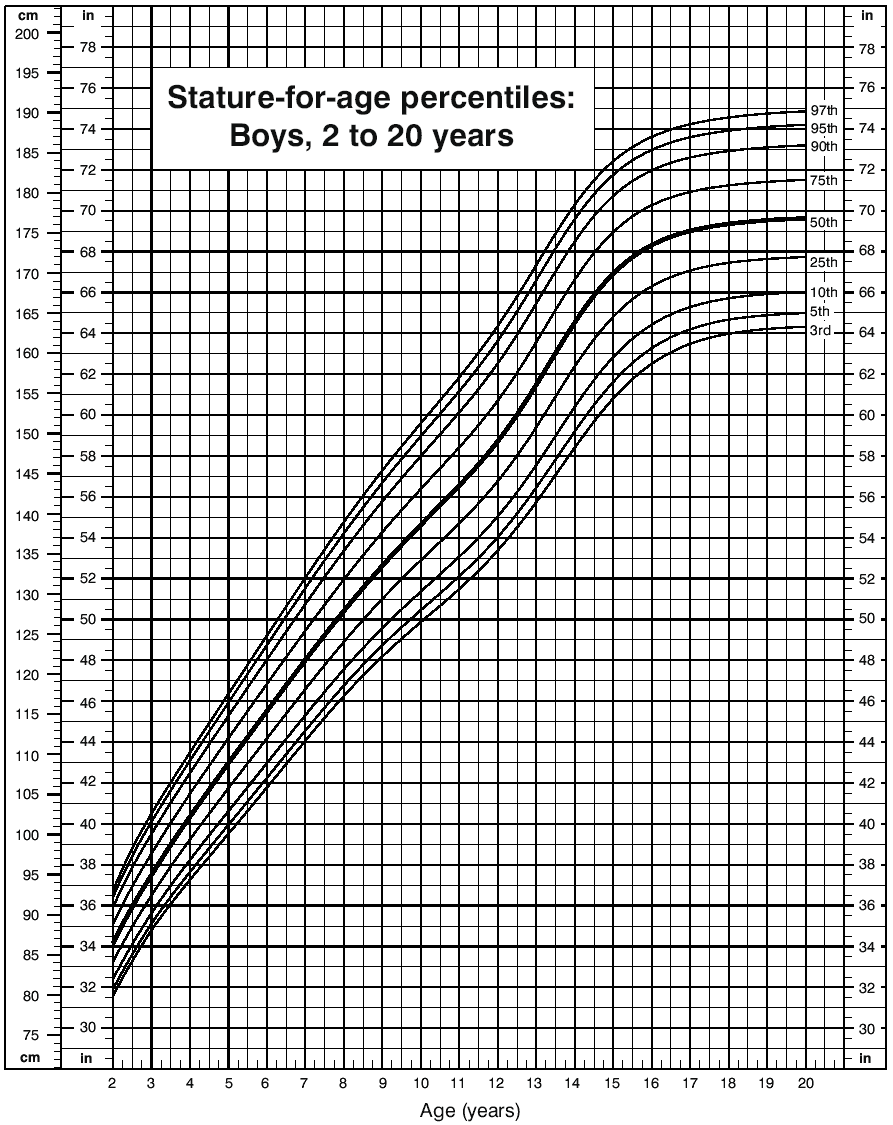
To use the chart effectively, locate your height on the vertical axis. Then, move horizontally to find your weight. The intersection point will indicate If you are within a healthy range based on standard body mass index (BMI) guidelines. Here’s a simple step-by-step on how to read it:
- Find Your Height: Locate your height in feet and inches on the left side of the chart.
- Match Your Weight: Move across the row to find your current weight in pounds.
- Check the Age Group: Ensure you’re looking at the correct age category, as weight recommendations can vary with age.
- Assess Your Range: Determine if you fall within the healthy range marked on the chart. This will typically be shaded or highlighted for easy identification.
When to Use the Height Weight Age Chart
The Height Weight Age Chart is particularly useful in several scenarios:
- Health Check-ups: Use it during routine health check-ups to discuss your weight and height with your doctor.
- Fitness Goals: If you’re starting a new exercise program, this chart can help you set realistic and healthy weight goals.
- Nutritional Planning: If you’re working with a nutritionist or dietitian, this chart will be an essential reference point for your discussions.
This chart isn’t just for healthcare professionals; it’s a handy tool for anyone looking to understand their body better and make informed health choices.
How to Fill in Your Information
If you’re using a printable version of the Height Weight Age Chart For Male, consider the following steps to fill it in effectively:
- Print the Chart: Use a standard letter-sized paper (8.5 x 11 inches) for easy handling.
- Use a Pencil: Fill in your height, weight, and age using a pencil. This way, you can easily update your information as your circumstances change.
- Highlight Your Data: Once filled in, highlight your specific metrics for quick reference. This can be especially useful if you’re tracking changes over time.
Tips for Optimal Use of the Chart
To maximize the benefits of your Height Weight Age Chart, keep these tips in mind:
- Choose the Right Paper: For durability, consider printing on cardstock. This will help the chart withstand frequent handling or even be laminated for longevity.
- Use a Clear, Readable Font: If you’re customizing or printing a version, choose a font size that’s easy to read at a glance.
- Update Regularly: Make it a habit to review and update your chart monthly or quarterly to reflect any changes in your health or weight.
Additional Considerations
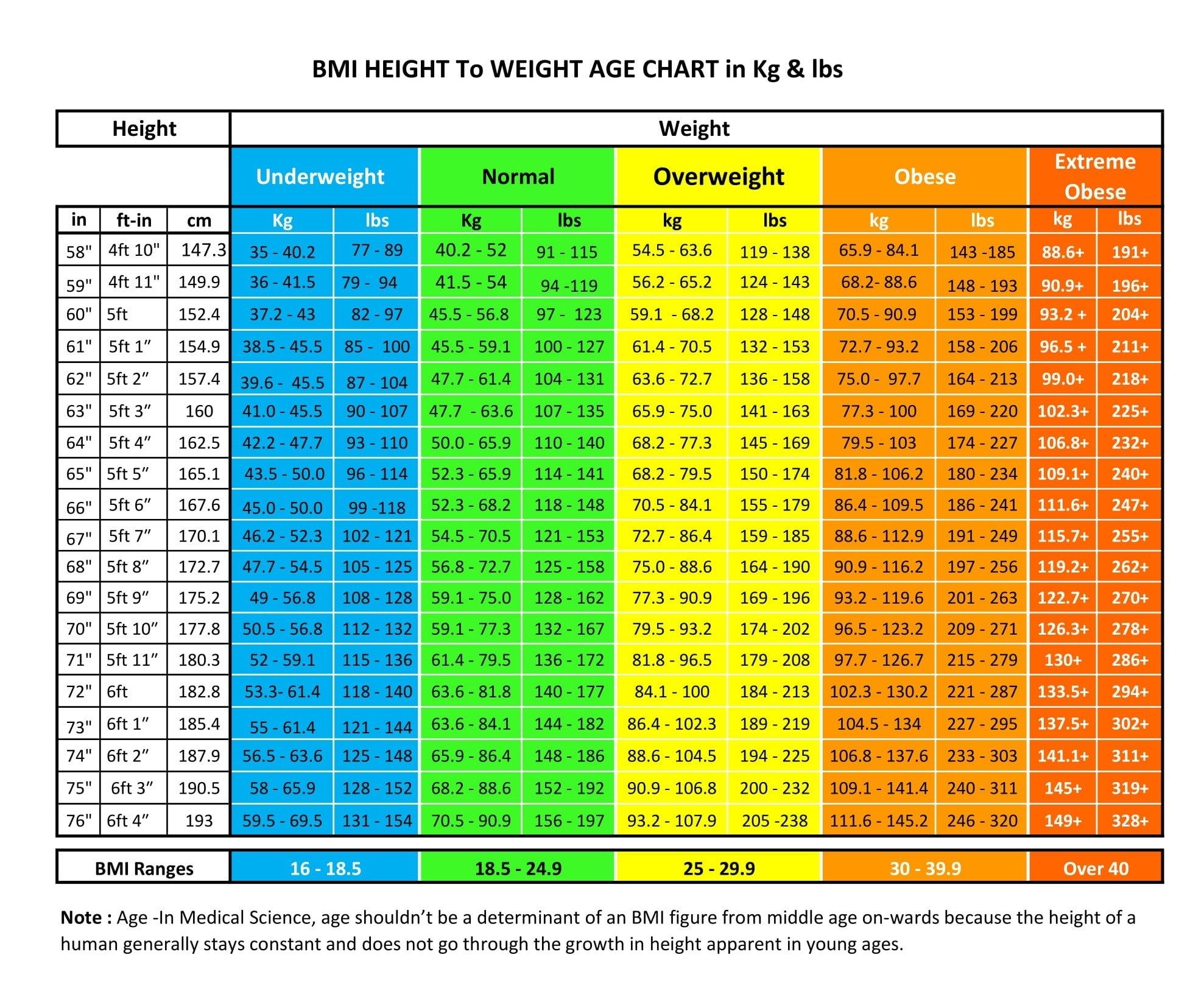
While the Height Weight Age Chart is a valuable resource, it’s essential to remember that it’s just one aspect of health. Factors like body composition, muscle mass, and overall fitness also play crucial roles in your well-being. Consider incorporating other resources, such as body fat percentage charts or fitness trackers, for a more comprehensive view of your health.
One last detail to keep in mind is that while the chart provides guidelines, individual health circumstances can vary significantly. Always consult with a healthcare provider for personalized advice tailored to your unique health needs.
