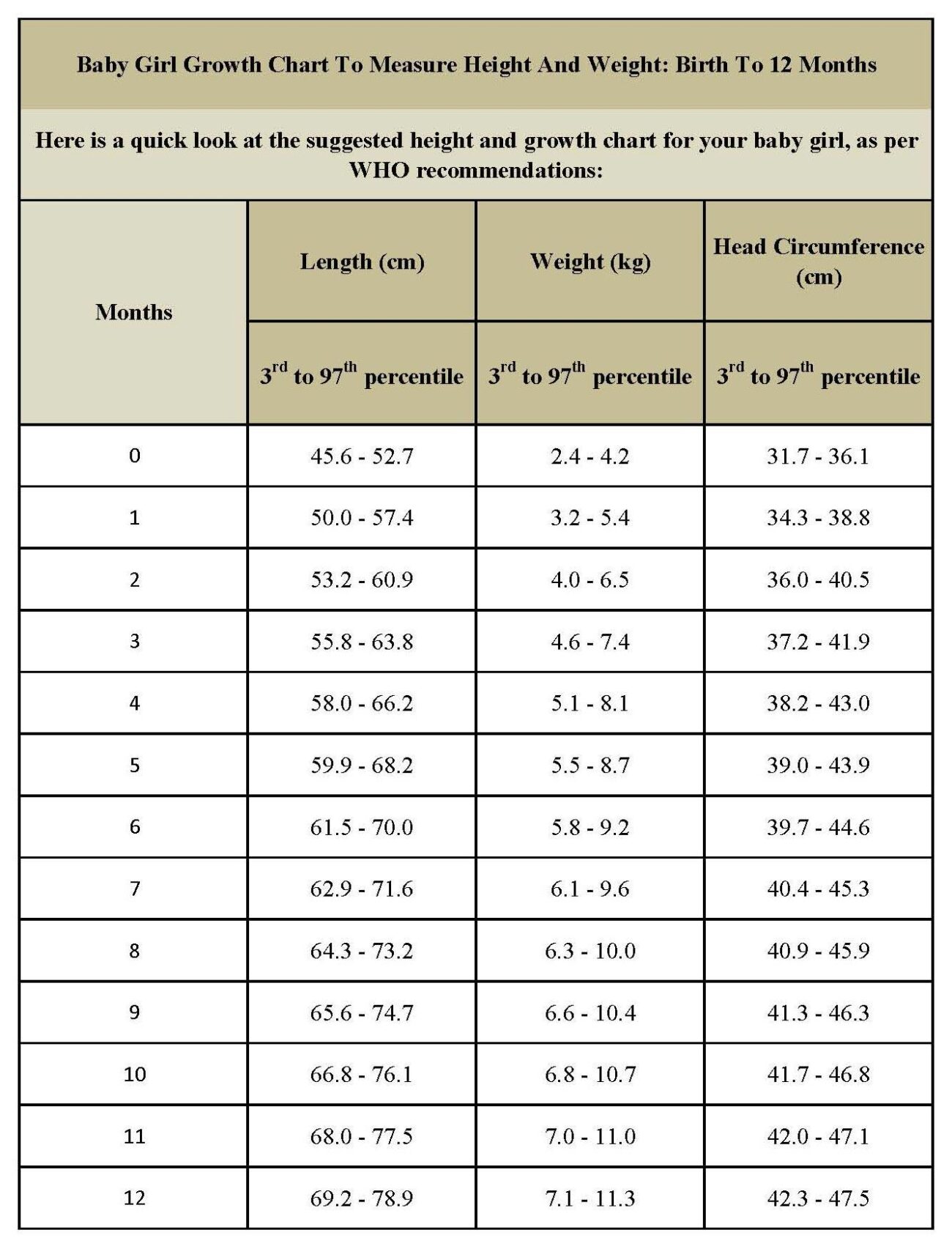
Tracking your child’s growth is crucial for understanding their health and development. A Height For Weight Growth Chart is a valuable tool that helps you visualize where your child falls within healthy growth standards. This chart not only provides a snapshot of their growth but can also indicate if they are on the right track. Understanding how to effectively use this resource can make a significant difference in your child’s health journey.
Understanding the Height For Weight Growth Chart
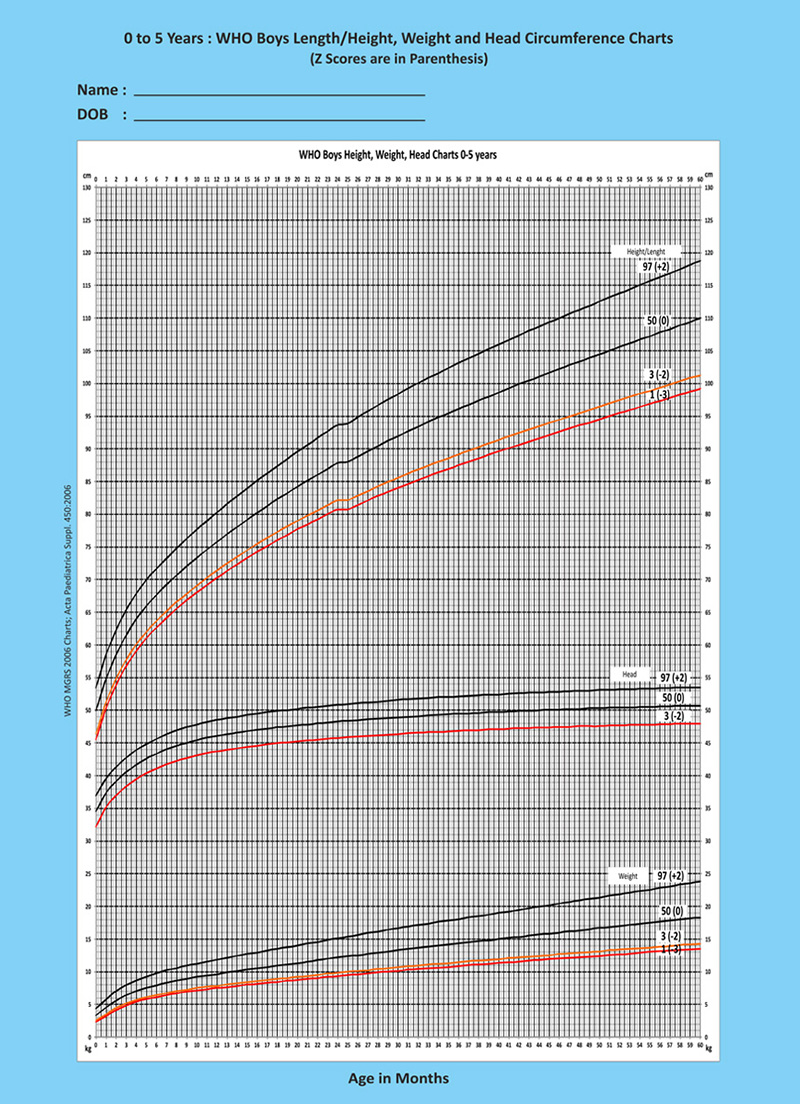
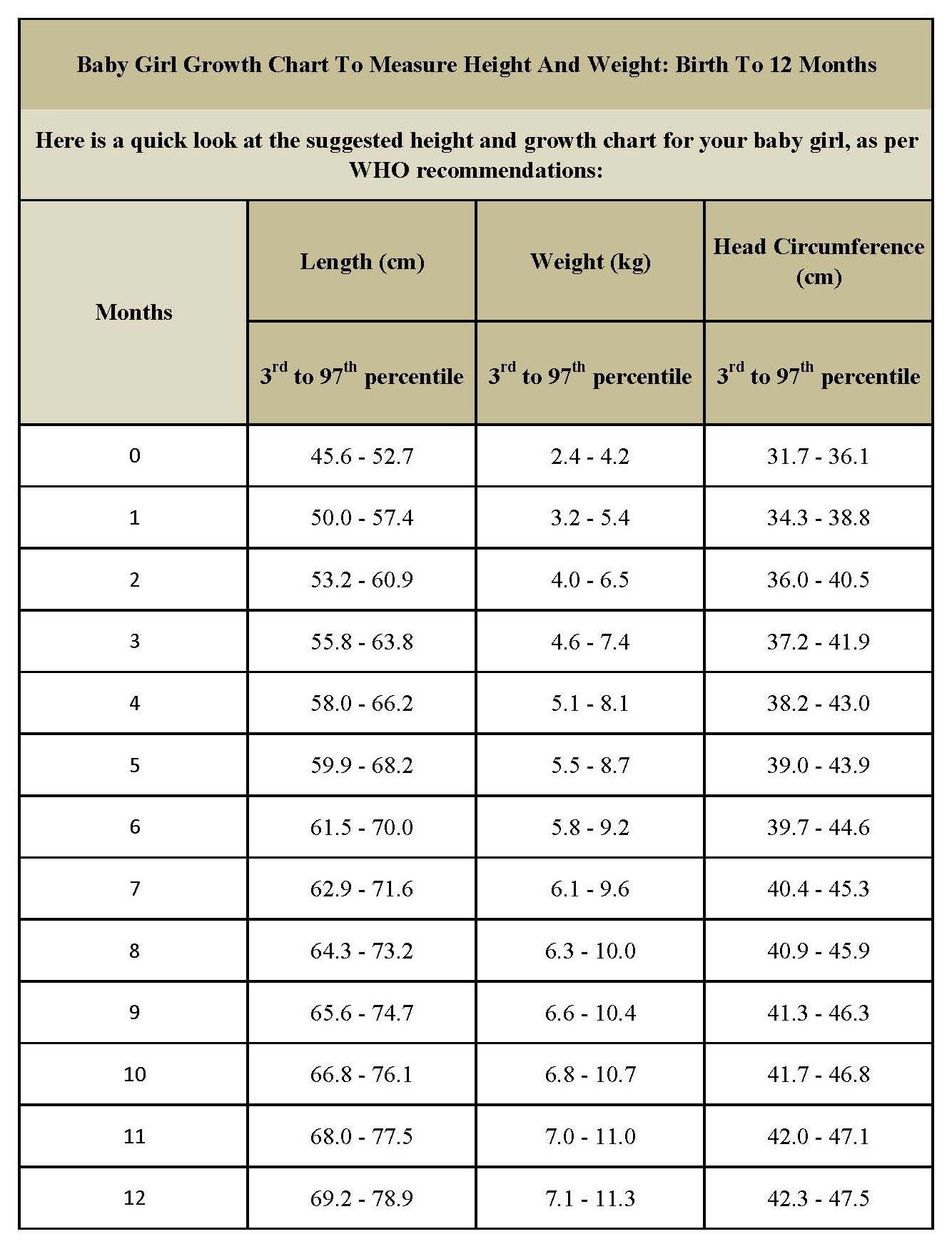
Before jumping into using the Height For Weight Growth Chart, it’s important to understand what it represents. This chart plots your child’s height against their weight, allowing you to see if they are growing at a healthy rate. Typically, the growth charts are divided by age and gender, as growth patterns can differ significantly between boys and girls.
When using the chart, you’ll often see percentile lines. These lines indicate how your child’s measurements compare to others in the same age group. For example, if your child is in the 75th percentile for weight, they weigh more than 75% of children their age. This information can help you and your pediatrician make informed decisions about your child’s nutrition and health needs.
How to Use the Height For Weight Growth Chart
Using the Height For Weight Growth Chart is straightforward, but it does require some preparation. Here’s how to get started:
- Gather Your Tools: You’ll need a measuring tape and a scale. Make sure the scale is calibrated and that you measure your child at the same time of day for consistency.
- Measure Your Child’s Height: Have your child stand straight against a wall without shoes. Measure from the floor to the top of their head. Write this measurement down.
- Weigh Your Child: Next, weigh your child using the scale. Make sure they’re wearing minimal clothing for the most accurate reading.
- Plot the Measurements: Locate your child’s age on the chart. Find the corresponding height and weight, and plot these points on the graph. Where they intersect will indicate their growth percentile.
- Review Regularly: It’s important to track these measurements over time. Monthly or quarterly updates can help you see trends in growth and address any concerns early on.
What Information You Need to Fill Out the Chart
When filling out the Height For Weight Growth Chart, you’ll typically need to input the following information:
- Child’s Name: This helps keep track of who the chart belongs to, especially if you have multiple children.
- Date of Measurement: Always note when you took the measurements. This will help you track growth over time.
- Height: Measure in inches or centimeters, depending on the chart’s format.
- Weight: Again, measure in pounds or kilograms as specified.
Having this information readily available before you start filling out the chart will streamline the process. It’s also a good idea to keep a consistent file or binder for these documents so you can refer back to them when needed.
Where the Chart Fits in Your Routine
Incorporating the Height For Weight Growth Chart into your routine can be an easy and beneficial habit. Here are a few ways to make it part of your parenting practice:
- Regular Check-Ups: Use the chart during regular pediatric visits. Your doctor will likely assess your child’s growth and can provide insights based on the data.
- Home Health Monitoring: Make it a family activity to measure and record your child’s height and weight monthly. This not only keeps you informed but also engages your child in their health journey.
- Discuss with Healthcare Providers: If you notice any concerning trends—like sudden drops or spikes in percentiles—bring the chart to your next doctor’s appointment for discussion.
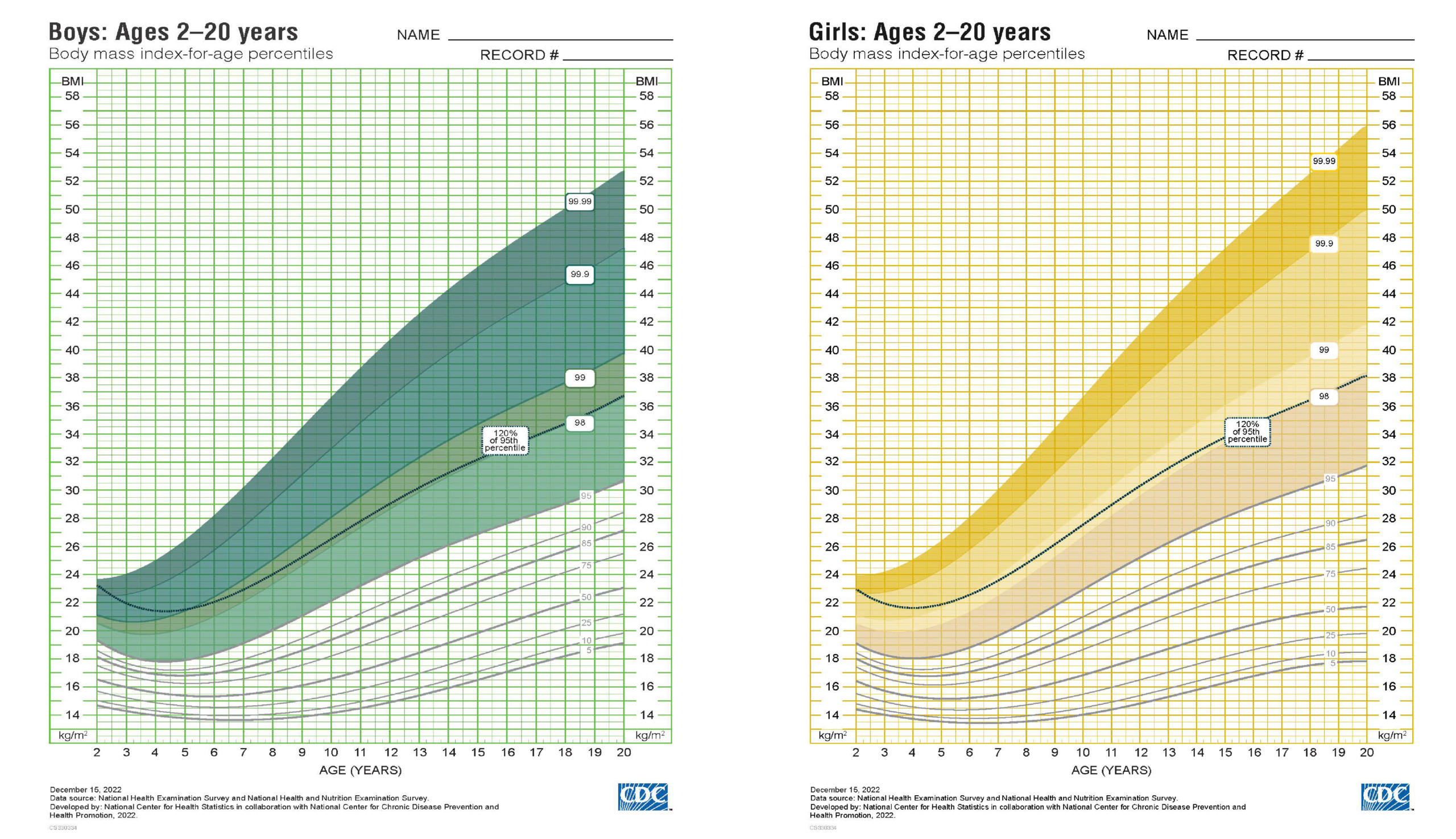
Tips for Using the Height For Weight Growth Chart Effectively
To get the most out of your Height For Weight Growth Chart, consider these tips:
- Consistency is Key: Always measure your child under the same conditions. For example, weigh them in the morning before breakfast for the most reliable results.
- Stay Informed: Keep updated on the growth charts as they can change based on new research. Pediatricians often have the latest versions.
- Be Aware of Growth Spurts: Children grow in spurts, so fluctuations in percentiles can be normal. If you notice significant changes, consult your pediatrician.
By utilizing the Height For Weight Growth Chart effectively, you can play a proactive role in your child’s health. Keep these tips in mind, and make sure to engage with your child about their growth journey. This involvement can foster a positive attitude towards health and wellness that lasts a lifetime.
