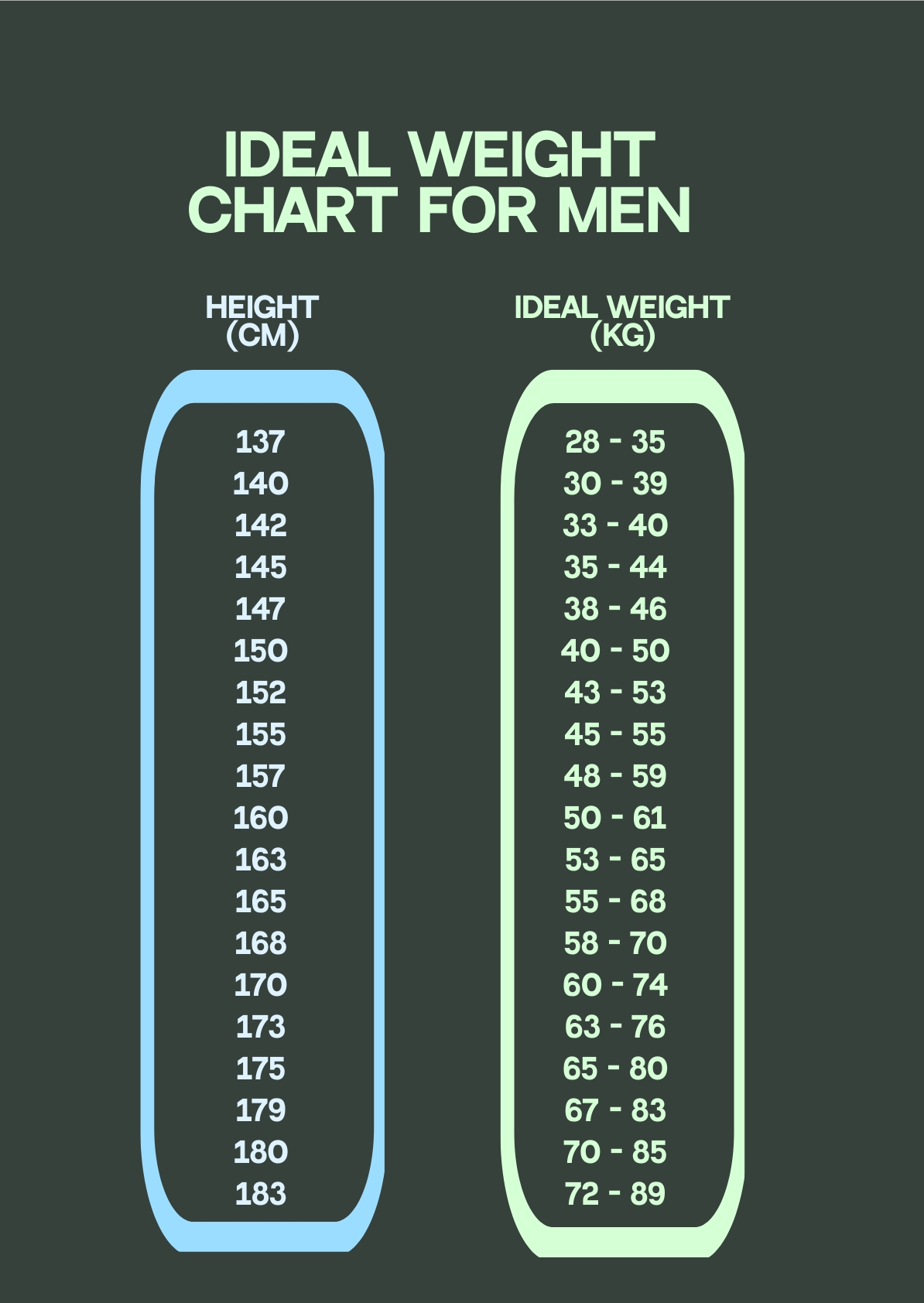
When it comes to monitoring your child’s growth and health, understanding the Height Vs Weight Chart Male is crucial. This chart provides a visual representation of how height and weight correlate for boys at different ages. By using this chart, you can assess whether your child is within a healthy weight range for their height, which is important for their overall well-being.
Understanding the Height Vs Weight Chart Male
The Height Vs Weight Chart Male is typically presented in a simple table format. It lists various heights along one axis and corresponding weights along the other. The intersection of these two values gives you a clear indication of whether a child is considered underweight, healthy, overweight, or obese.
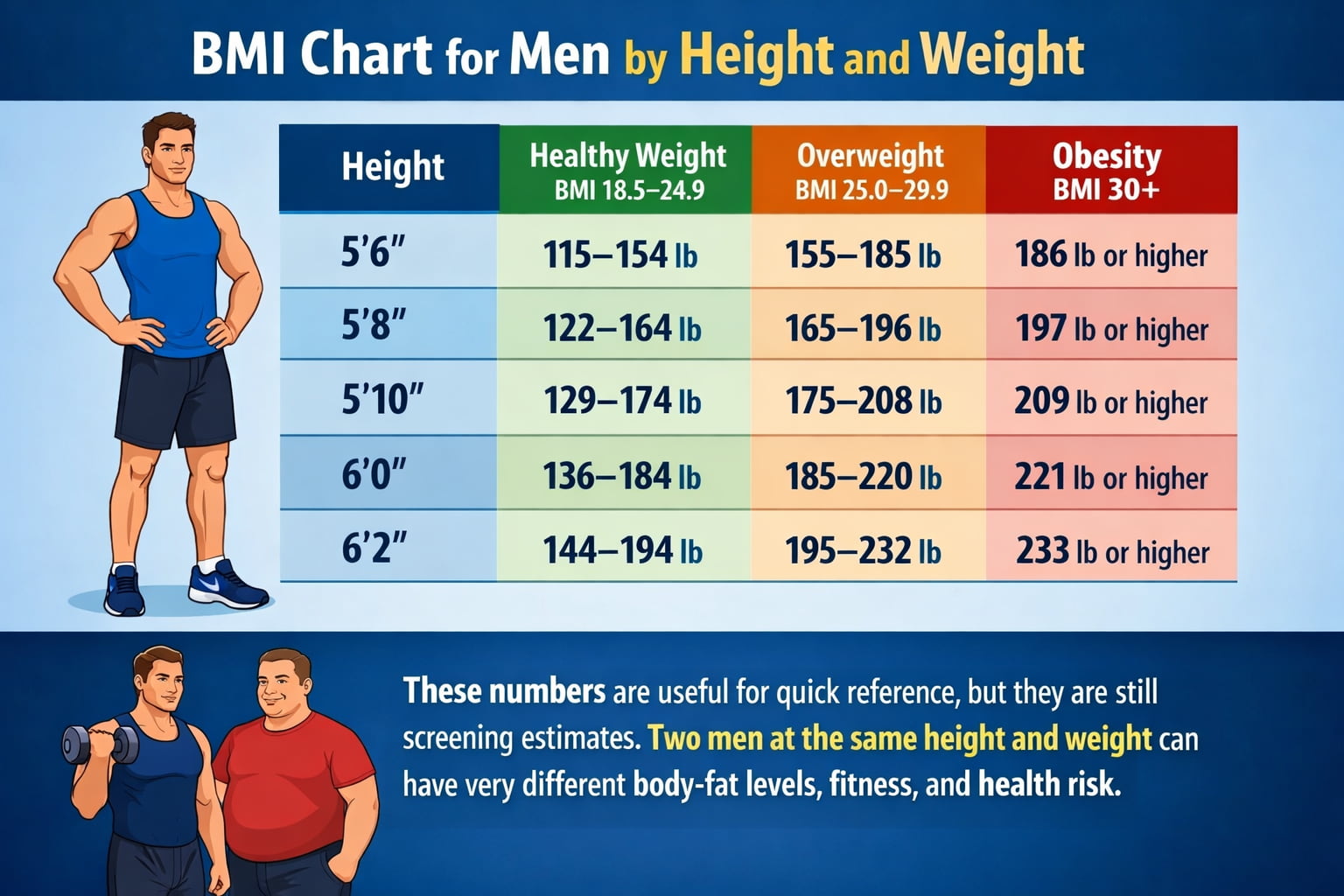
For example, if your son is 5 feet 4 inches tall, you can look across that row to see the healthy weight range, which is typically around 125 to 155 pounds. Knowing this range can help you make informed decisions about nutrition and physical activity.
How to Use the Chart Effectively
To effectively use the Height Vs Weight Chart Male, start by measuring your child’s height and weight accurately. Make sure to use a reliable scale and a stadiometer for height. It’s best to do this when your child is standing straight, without shoes, and in light clothing. Once you have these numbers, follow these steps:
- Locate Height: Find your child’s height on the chart. This is usually listed in inches or centimeters.
- Cross Reference Weight: Move across the row until you find the corresponding weight that falls within the healthy range.
- Evaluate: If your child’s weight falls within this range, they are likely in good health. If not, it may be worth discussing with a healthcare provider.
Importance of Regular Monitoring
Regularly monitoring your child’s height and weight is essential, especially during their growth spurts. Children grow at different rates, and staying updated on these measurements helps you identify any potential health issues early on. For parents, this can mean the difference between a simple dietary adjustment and a more serious health concern.
Growth Patterns and Expectations
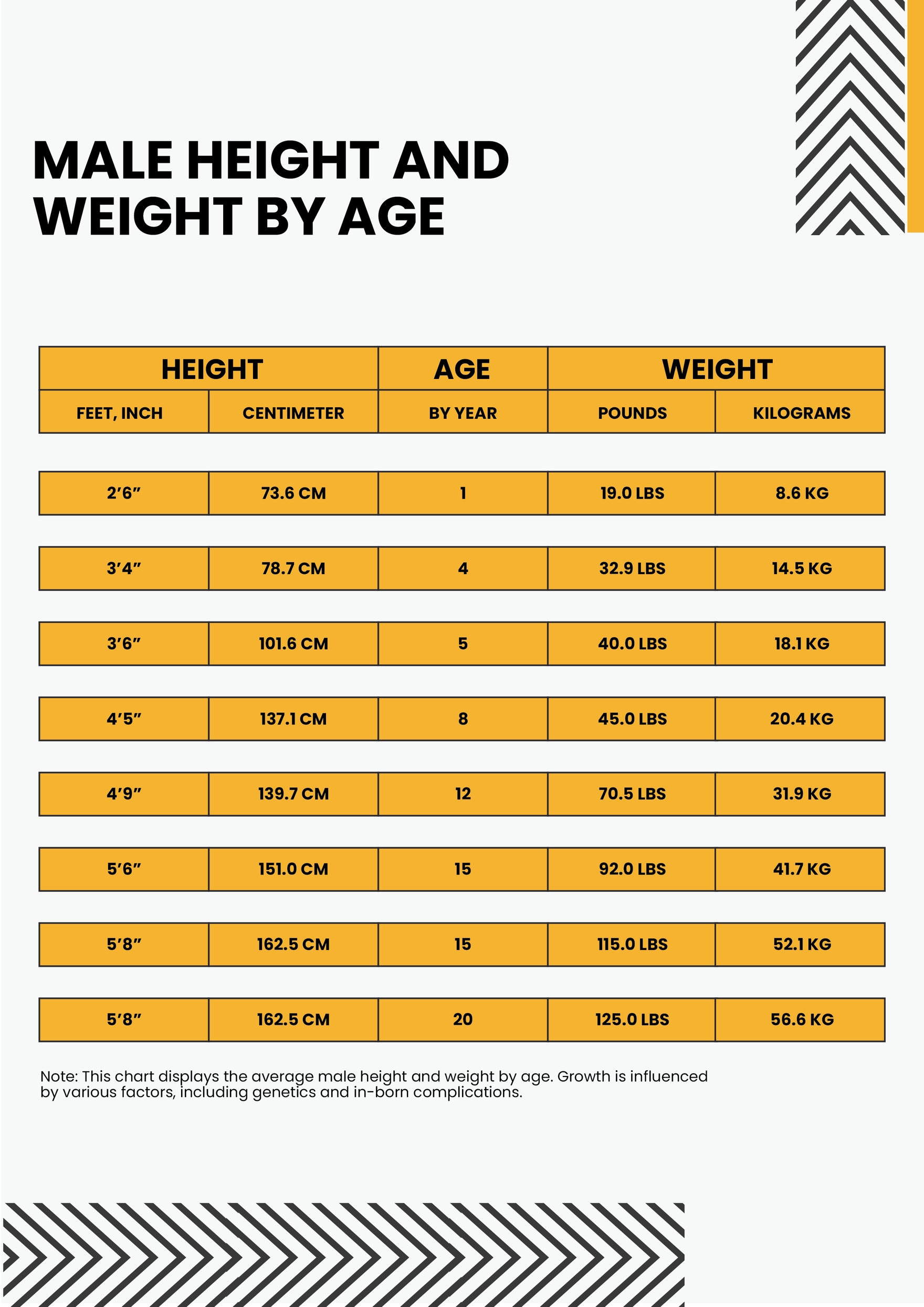
Boys typically have different growth patterns compared to girls. Generally, boys may experience a growth spurt between ages 12 and 15. During this time, their weight may increase significantly. This is where the Height Vs Weight Chart Male becomes particularly important. It allows you to track these changes and ensure that your child maintains a healthy weight as they grow.
Customizing the Chart for Your Needs
While the Height Vs Weight Chart Male provides a general guideline, remember that individual health can vary widely. Factors such as genetics, muscle mass, and overall health can influence what is considered a healthy weight for your child. If you have specific concerns, consider customizing the chart to fit your child’s unique situation. Here are a few tips:
- Consult a Pediatrician: Always consider discussing your child’s growth with a healthcare professional who can provide personalized recommendations based on their health history.
- Consider Activity Levels: If your child is very active in sports, their weight may be higher due to increased muscle mass. In such cases, the chart may need to be interpreted with this context in mind.
- Use Additional Resources: Combine the Height Vs Weight Chart Male with other resources, like dietary guidelines or fitness trackers, to get a more comprehensive view of your child’s health.
Printable Resources for Tracking
To make tracking your child’s growth easier, consider downloading a printable version of the Height Vs Weight Chart Male. Many websites offer free, downloadable charts that you can print and keep handy. This allows for quick reference during routine check-ups or while discussing health with your child.
When printing, ensure that you select the appropriate paper size. A standard letter size (8.5” x 11”) works best for most home printers. If you plan to use the chart frequently, consider printing it on cardstock for durability. This way, it can withstand the wear and tear of being pulled out often.
Additional Considerations
As you use the Height Vs Weight Chart Male, keep in mind that this is just one aspect of health. Encourage healthy eating habits and regular physical activity. Here are some tips to promote a healthy lifestyle for your child:
- Balanced Diet: Focus on a diet rich in fruits, vegetables, whole grains, and lean proteins.
- Regular Exercise: Encourage at least 60 minutes of physical activity each day, whether it’s through sports, outdoor play, or family activities.
- Limit Screen Time: Reducing screen time can help promote more active play and healthier eating habits.
By combining insights from the Height Vs Weight Chart Male with these lifestyle choices, you can help your child develop healthy habits that last a lifetime.
Remember, maintaining open communication about health and body image is vital. Encourage your child to share their feelings about their growth and health, and support them in making healthy choices.
Start tracking your child’s growth today by printing out the Height Vs Weight Chart Male and keeping it in a place where you can easily refer to it during your family’s health discussions.
