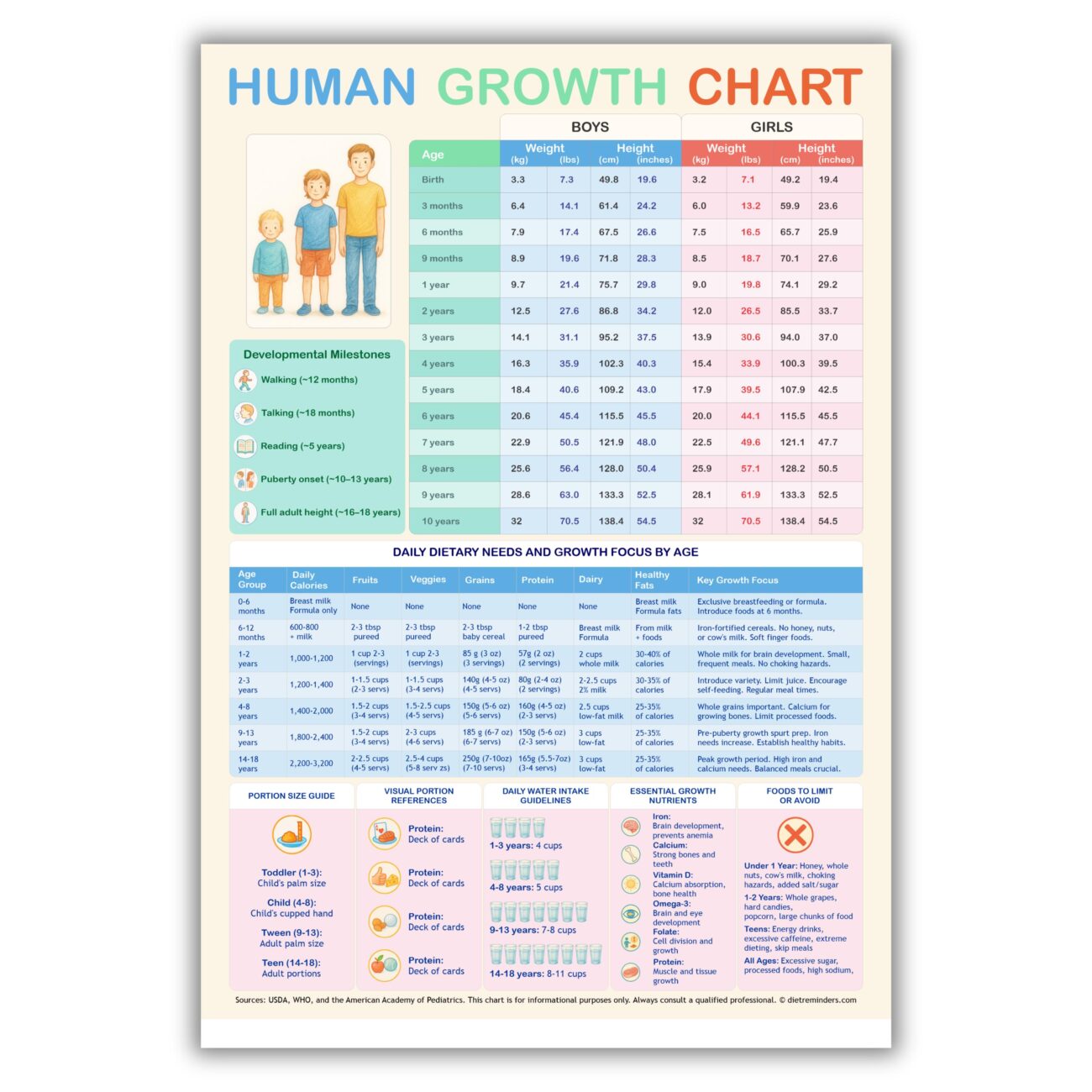
Tracking your baby’s growth and weight is crucial for their overall development. A Growth And Weight Chart For Infants is a valuable tool that allows you to monitor your child’s progress against standard growth patterns. This guide will explain how to effectively use this chart to ensure your little one is on track.
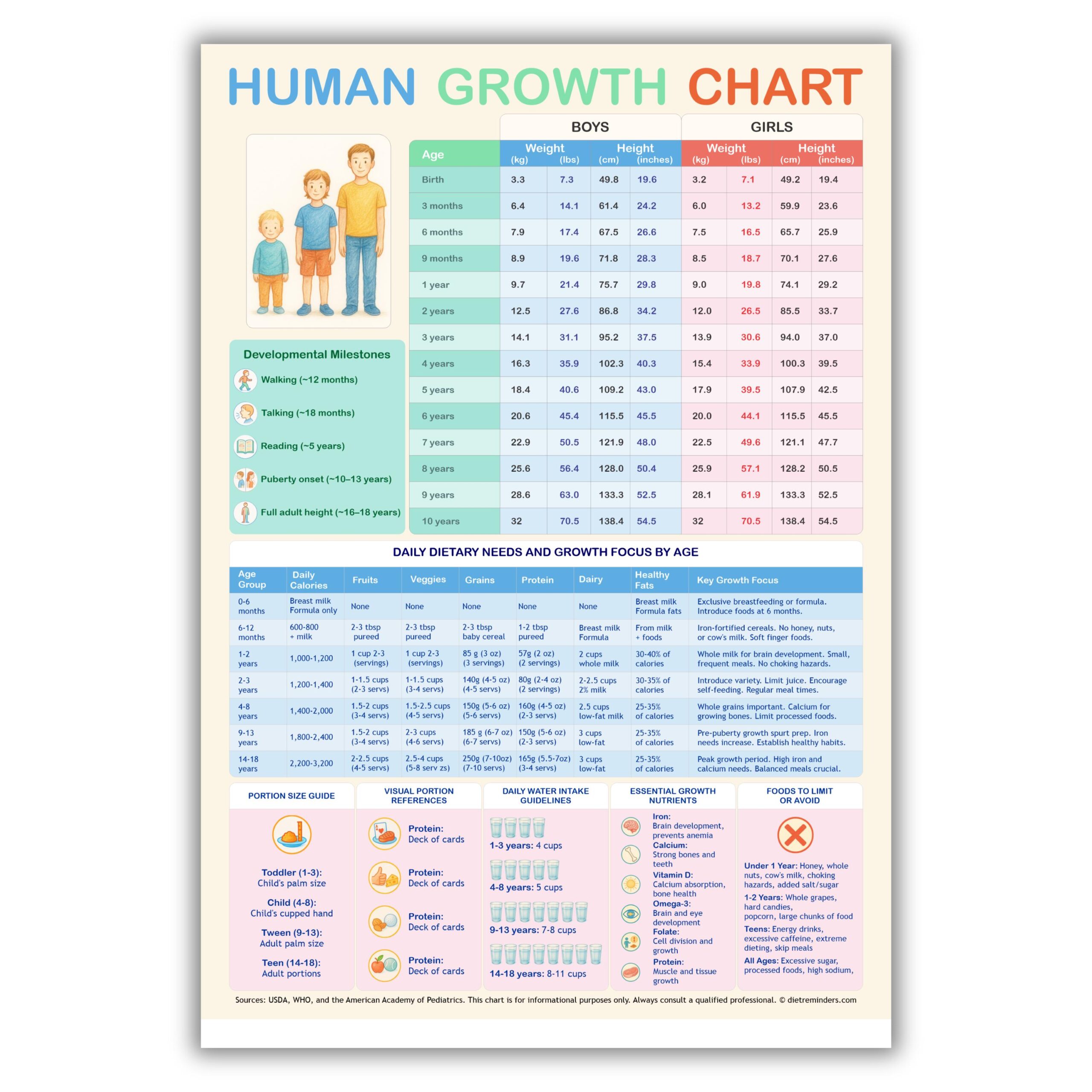
Understanding the Growth And Weight Chart
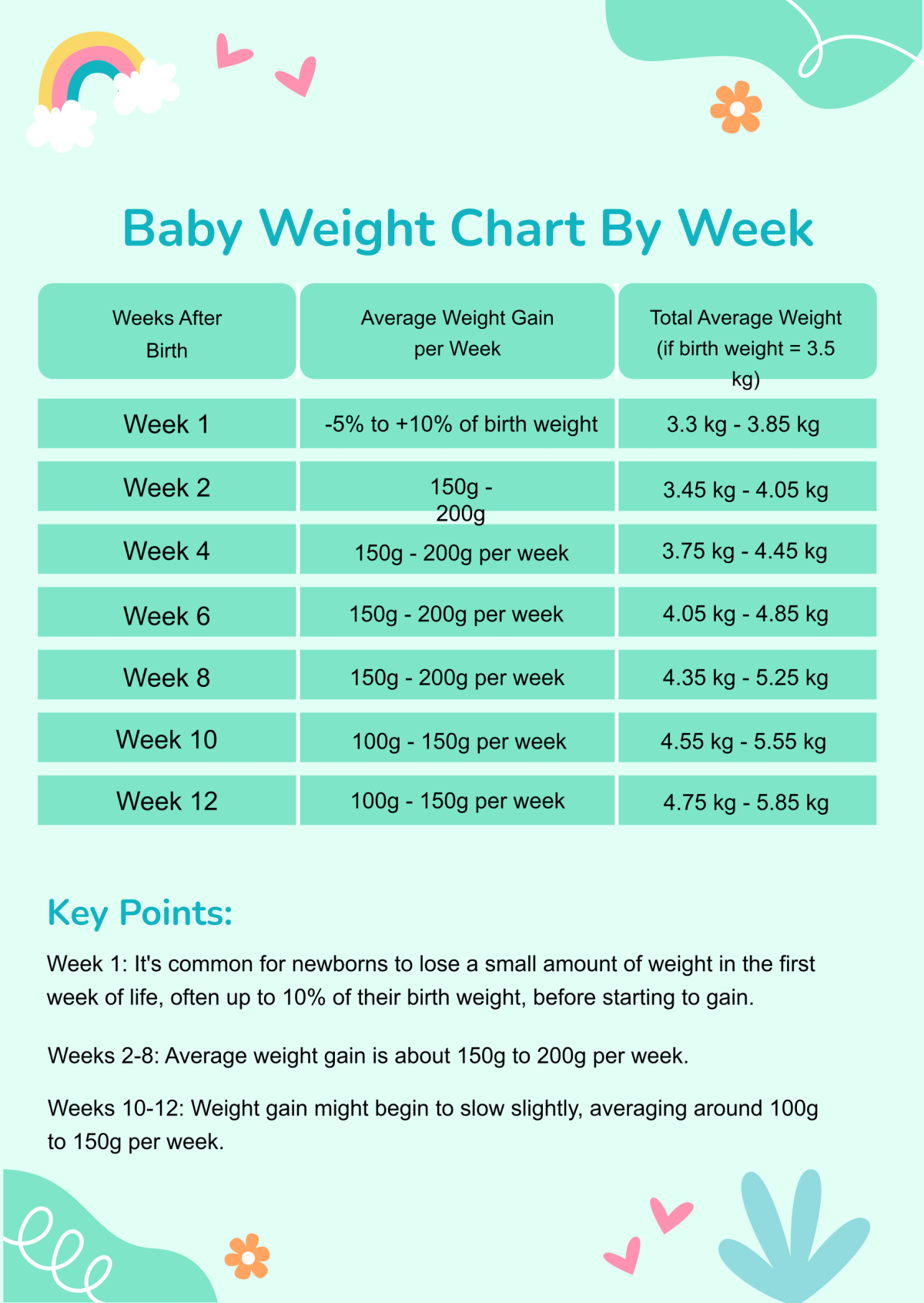
A Growth And Weight Chart For Infants is designed to help parents and caregivers track the physical development of babies from birth to 24 months. These charts typically display percentiles for weight, length, and head circumference based on age and gender. By plotting your child’s measurements, you can see how they compare to a population of peers, which can help identify any potential health concerns.
To use the chart effectively, you’ll need to gather specific information:
- Weight: Measured in pounds or kilograms.
- Length: Measured from the top of the head to the heel while the baby is lying down.
- Head circumference: Measured around the largest part of the head, just above the eyebrows and ears.
How to Fill Out the Chart
Filling out a Growth And Weight Chart For Infants is straightforward. Here’s how you can do it step-by-step:
- Gather Your Data: Make sure you have the most recent measurements. It’s best to weigh and measure your baby during routine pediatric visits.
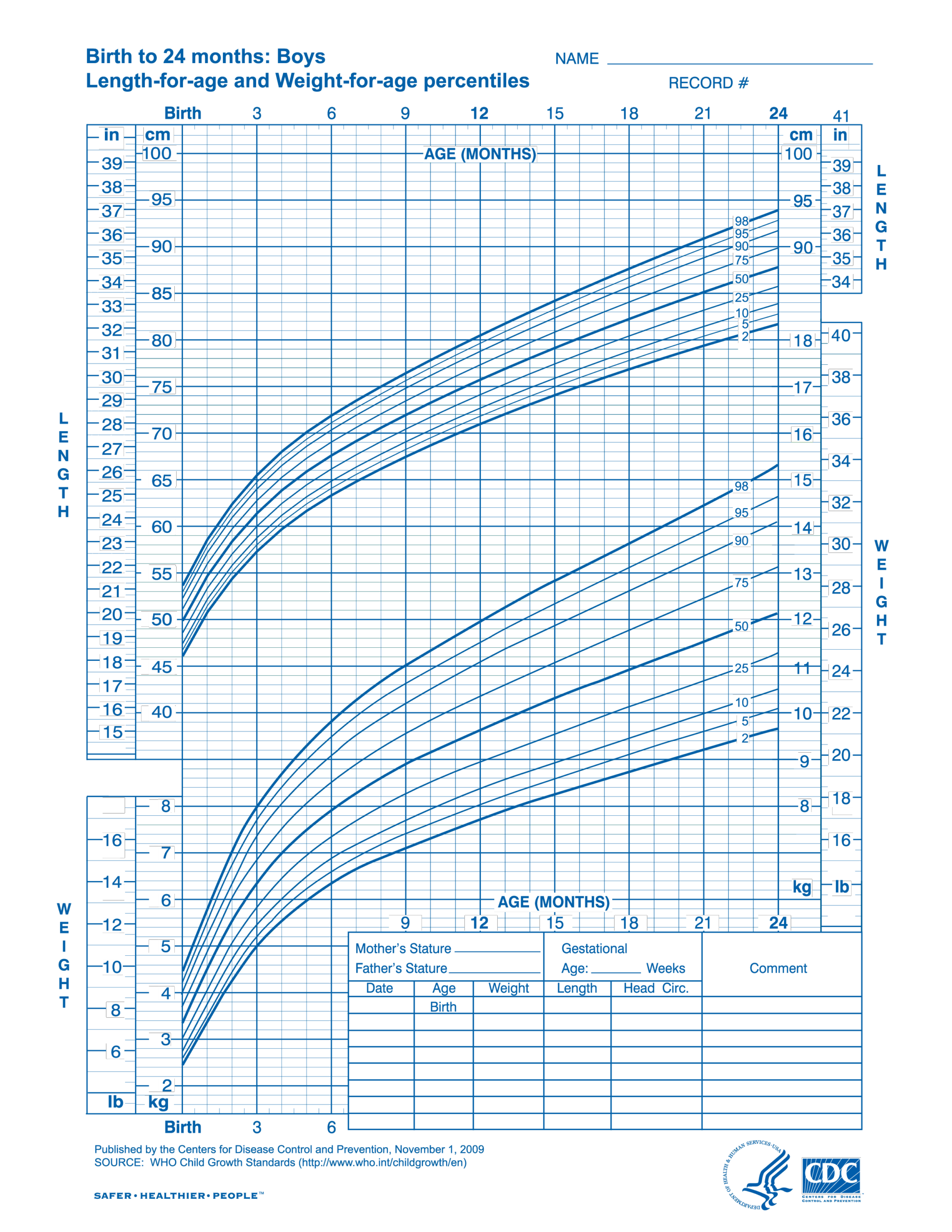
- Locate the Correct Age: Find your child’s age on the horizontal axis of the chart. Most charts will have age markers ranging from birth to 24 months.
- Plot the Measurements: For each measurement (weight, length, head circumference), find the corresponding percentile on the vertical axis and mark where your child’s measurement intersects with their age.
- Connect the Dots: If you’re tracking multiple visits, connect the points with a line to visualize growth trends over time.
Interpreting the Results
Once you have plotted the measurements on the Growth And Weight Chart For Infants, understanding the results is key:
- Percentiles: Most charts use percentiles to indicate how your child compares to others. For example, if your baby is in the 50th percentile for weight, it means they weigh more than 50% of babies their age.
- Healthy Range: Generally, a healthy range for weight and height is between the 5th and 85th percentiles. If your child falls outside this range, it might be worth consulting with a pediatrician.
- Trends Over Time: Look for consistent growth patterns. A steady upward trend is typically a good sign, while sharp drops or increases may warrant further evaluation.
When to Consult a Pediatrician
Using a Growth And Weight Chart For Infants can provide peace of mind, but there are times when you should reach out to your healthcare provider. Consider making an appointment if you notice:
- Your baby isn’t gaining weight consistently.
- They have a sudden drop in percentiles for weight or height.
- There are other concerning symptoms, such as lethargy or feeding issues.
Regular check-ups will also help ensure that your baby’s development is on track, and your pediatrician can provide guidance tailored to your child’s specific needs.
Benefits of Using a Growth And Weight Chart
There are several benefits to using a Growth And Weight Chart For Infants:
- Visual Tracking: It provides a clear visual representation of your child’s growth trajectory.
- Encourages Regular Monitoring: Keeping track of growth encourages regular weigh-ins and measurements, fostering healthy habits.
- Identifies Health Issues Early: Early identification of potential growth problems can lead to timely interventions.
Making the Most of Your Chart
To get the best results from your Growth And Weight Chart For Infants, consider incorporating it into your regular parenting routine. Here are some practical tips:
- Print and Display: Keep a printed copy of the chart in your baby’s nursery or on the fridge for easy access.
- Track Milestones: Along with weight and height, you might want to note other milestones like when your baby starts sitting up or crawling.
- Use a Digital Version: If you prefer tech, many apps allow you to enter your baby’s growth data and track it digitally.
Having a Growth And Weight Chart For Infants is an essential part of ensuring your baby’s healthy development. By understanding how to use it effectively, you can feel more confident about your child’s growth journey and make informed decisions about their health.
