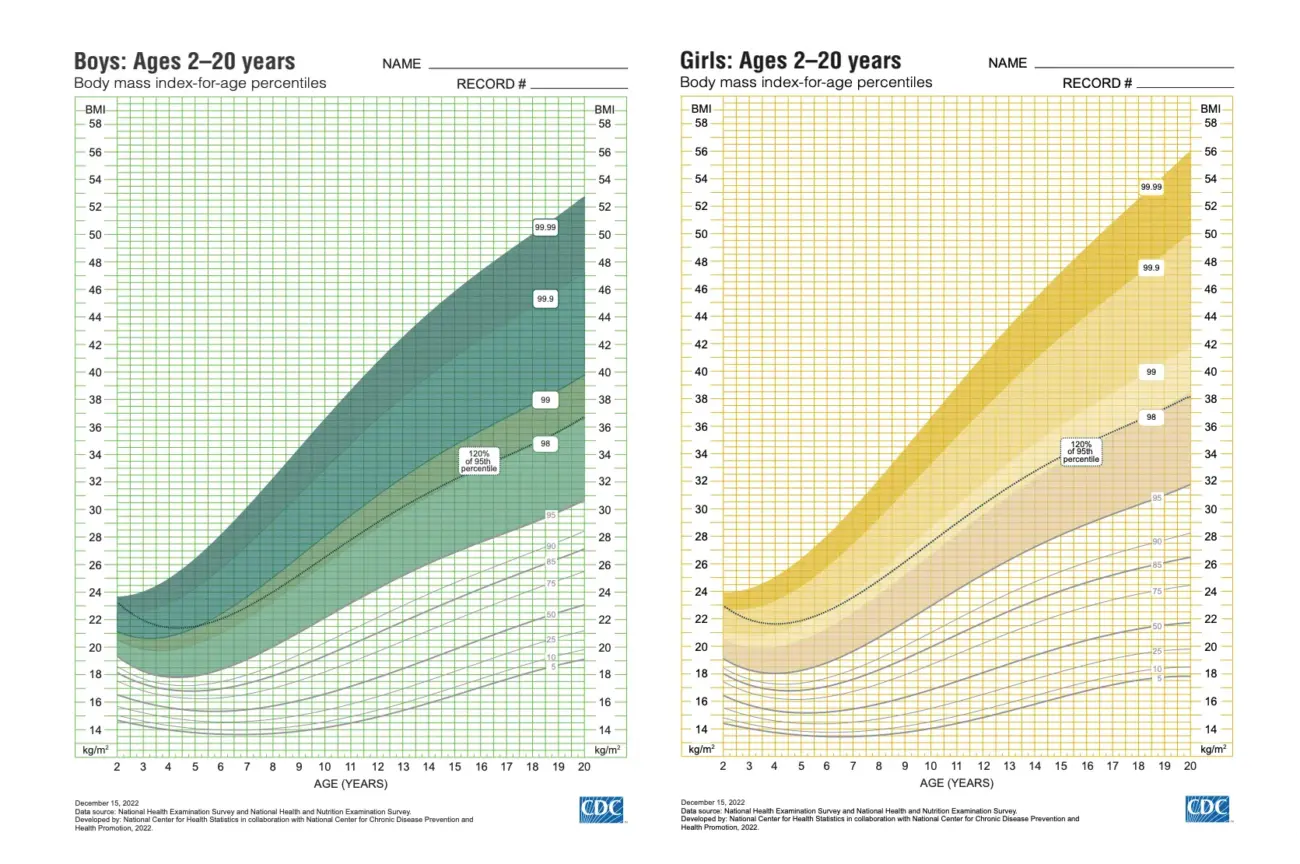
Tracking your teenager’s growth can be a rewarding yet challenging experience. As they transition through their teenage years, it’s essential to monitor their height and weight to ensure they are developing healthily. A Height And Weight Chart For Teens serves as a valuable tool in this regard, allowing you to visualize and track changes over time. In this article, I’ll guide you through how to effectively use this resource, from downloading it to integrating it into your teen’s health routine.
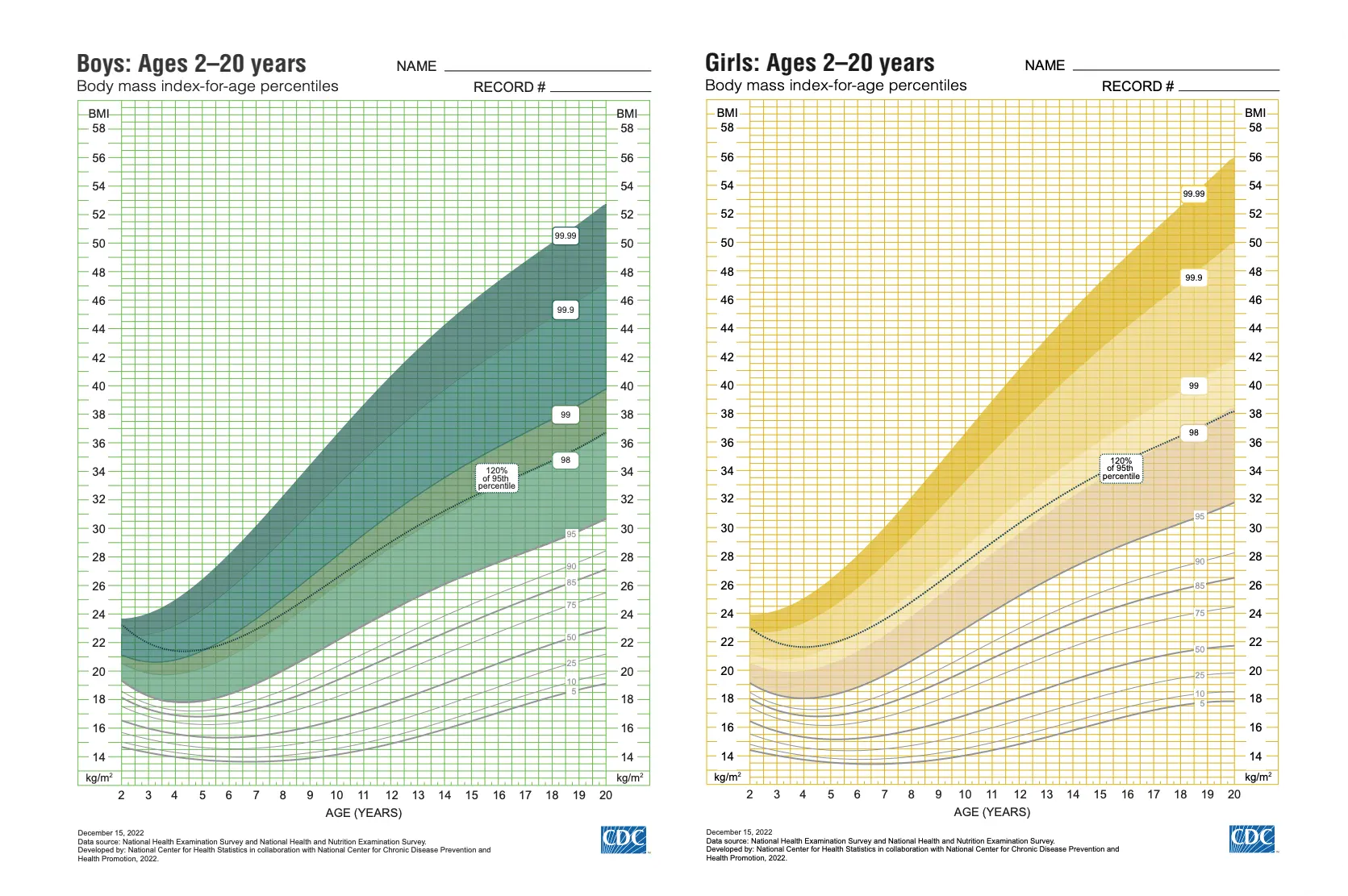
Understanding the Importance of Height and Weight Charts
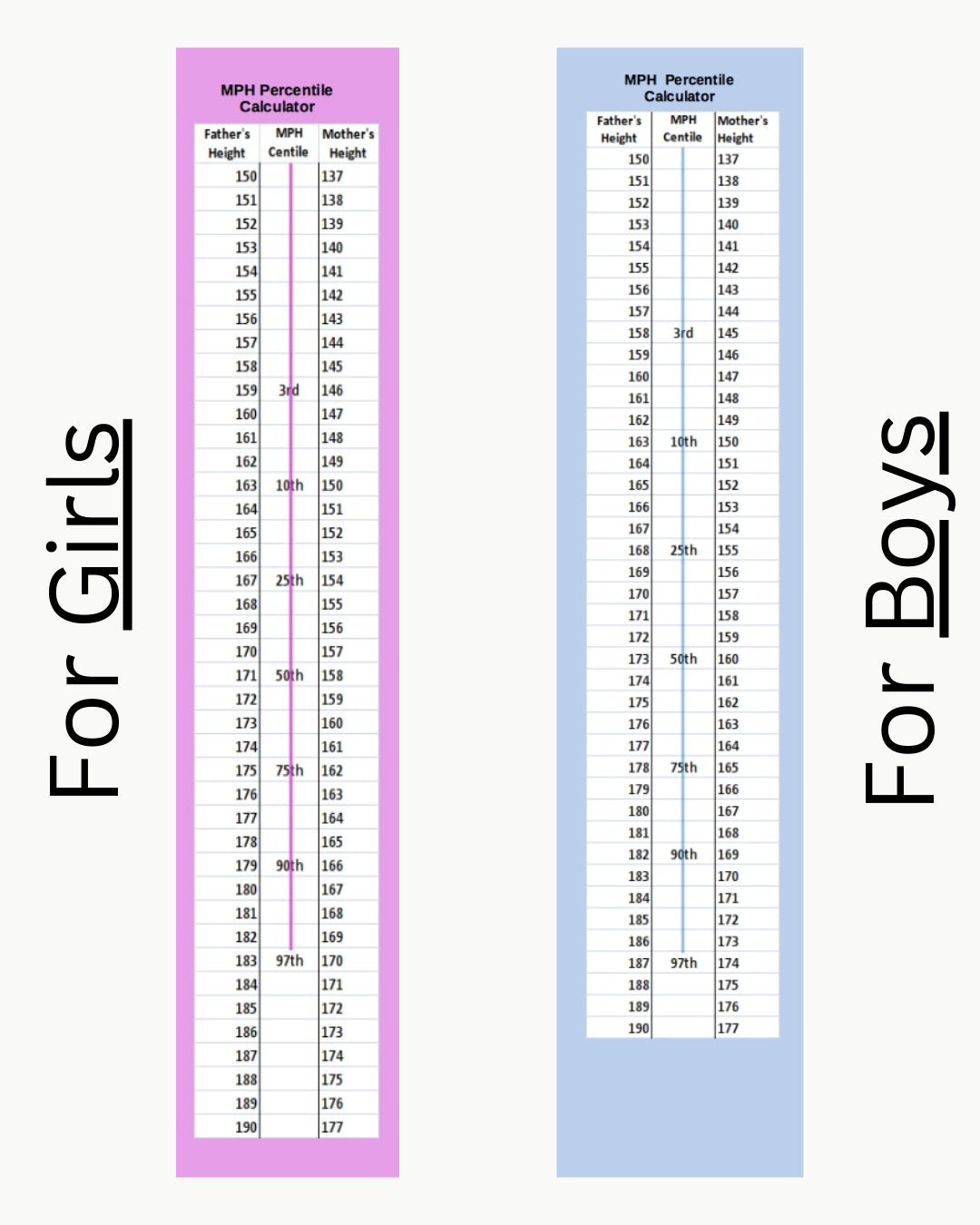
Height and weight charts are more than just numbers; they provide a visual representation of your teen’s growth in relation to age and gender. These charts can help you identify whether your teen is within a healthy range, which is crucial for their physical and emotional well-being. Understanding these metrics can also assist in discussions with healthcare providers, ensuring that you are well-informed about your teen’s health.
How to Choose the Right Chart
When selecting a Height And Weight Chart For Teens, consider the following factors:
- Age Range: Ensure that the chart is designed specifically for teenagers, as growth patterns vary significantly between children and teens.
- Gender-Specific: Look for charts that differentiate between boys and girls, as they grow at different rates.
- Printable Format: Choose a chart that is easy to download and print. PDF formats typically work best for preserving the layout.
Once you have chosen a suitable chart, you’ll be ready to move forward.
Downloading and Printing the Chart
To get started, follow these steps:
- Find a Reliable Source: Look for reputable websites that offer a Height And Weight Chart For Teens. Ensure the site allows for easy downloads.
- Download the Chart: Click on the download link. Most charts will be available in PDF format, which is ideal for printing.
- Print Settings: Use standard printer settings, and consider printing on cardstock for durability. If you want to keep it portable, a standard letter size (8.5 x 11 inches) is usually best.
- Orientation: Portrait layout often works better for charts, making it easier to read the information.
Filling Out the Chart
Once you have printed the chart, it’s time to fill it out. Here’s how you can do it effectively:
- Gather Measurements: Use a stadiometer or a tape measure to accurately measure your teen’s height. For weight, a digital scale provides the most accurate reading.
- Frequency of Measurements: I recommend measuring your teen’s height and weight every few months. This frequency allows you to track growth patterns without overwhelming them.
- Record Data: Write down the measurements in the designated areas on the chart. For a more digital approach, consider using a fillable PDF if available, as this can simplify record-keeping.
Using the Chart as a Monitoring Tool
The true value of a Height And Weight Chart For Teens lies in its ability to help you monitor growth over time. Here’s how to make the most of it:
- Visual Tracking: Regularly update the chart with new measurements. This visual representation helps you quickly assess whether your teen is growing at a healthy rate.
- Discuss with Healthcare Providers: Bring the completed chart to doctor’s appointments. It can provide valuable insights into your teen’s growth trends, making discussions with healthcare professionals more productive.
- Encourage Healthy Habits: Use the information from the chart to motivate your teen to maintain a healthy lifestyle. Discuss the importance of balanced nutrition and regular physical activity.
Addressing Concerns
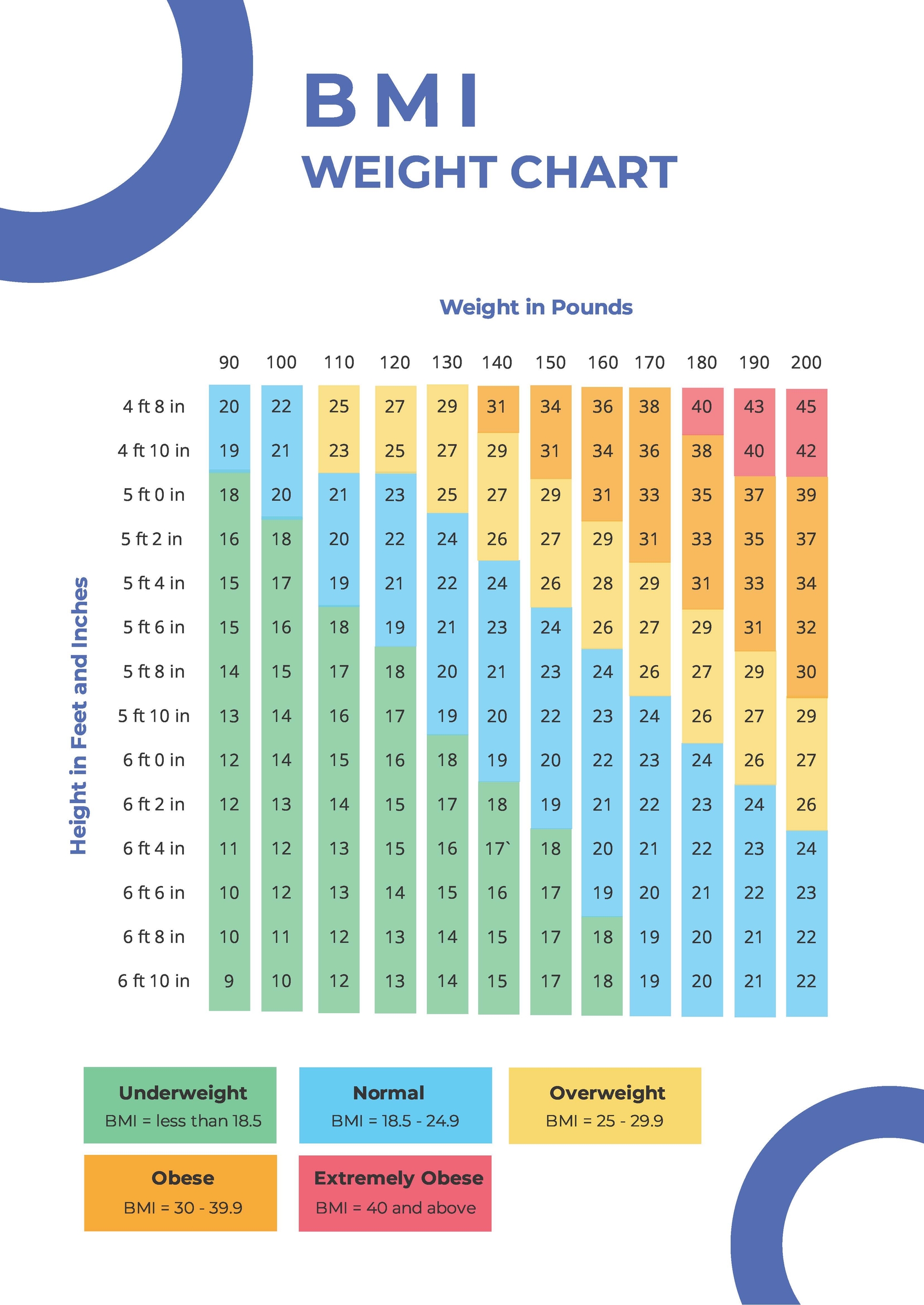
If you notice that your teen is consistently below or above the recommended ranges on the chart, it’s important to address these concerns. Here are some steps you can take:
- Consult a Doctor: Schedule an appointment with your healthcare provider to discuss any potential issues. They can provide guidance tailored to your teen’s unique needs.
- Nutrition and Exercise: Consider evaluating your teen’s diet and activity levels. Encouraging a balanced diet rich in nutrients and regular exercise can help support healthy growth.
- Emotional Support: Be mindful of your teen’s feelings regarding their body image. Open discussions about growth and health can foster a supportive environment.
Tracking your teen’s growth with a Height And Weight Chart For Teens is not just about numbers; it’s about ensuring they are healthy and happy. This resource can empower both you and your teen to make informed health choices, leading to a more positive outlook during these formative years.
Using a printable chart is a straightforward way to stay on top of your teen’s growth, and it can be an engaging activity to share together. By regularly measuring and discussing growth, you foster an open line of communication about health and wellness that can last a lifetime. One specific detail to remember is that maintaining an accurate record of your teen’s growth can also help in monitoring any significant changes that may require professional attention.
