Tracking your newborn’s growth is essential for their health and development. The Height And Weight Chart For Newborn is a practical tool that allows parents to monitor their baby’s growth patterns over time. This chart not only helps you understand if your baby is within the healthy growth range but also aids in identifying any potential issues early on.
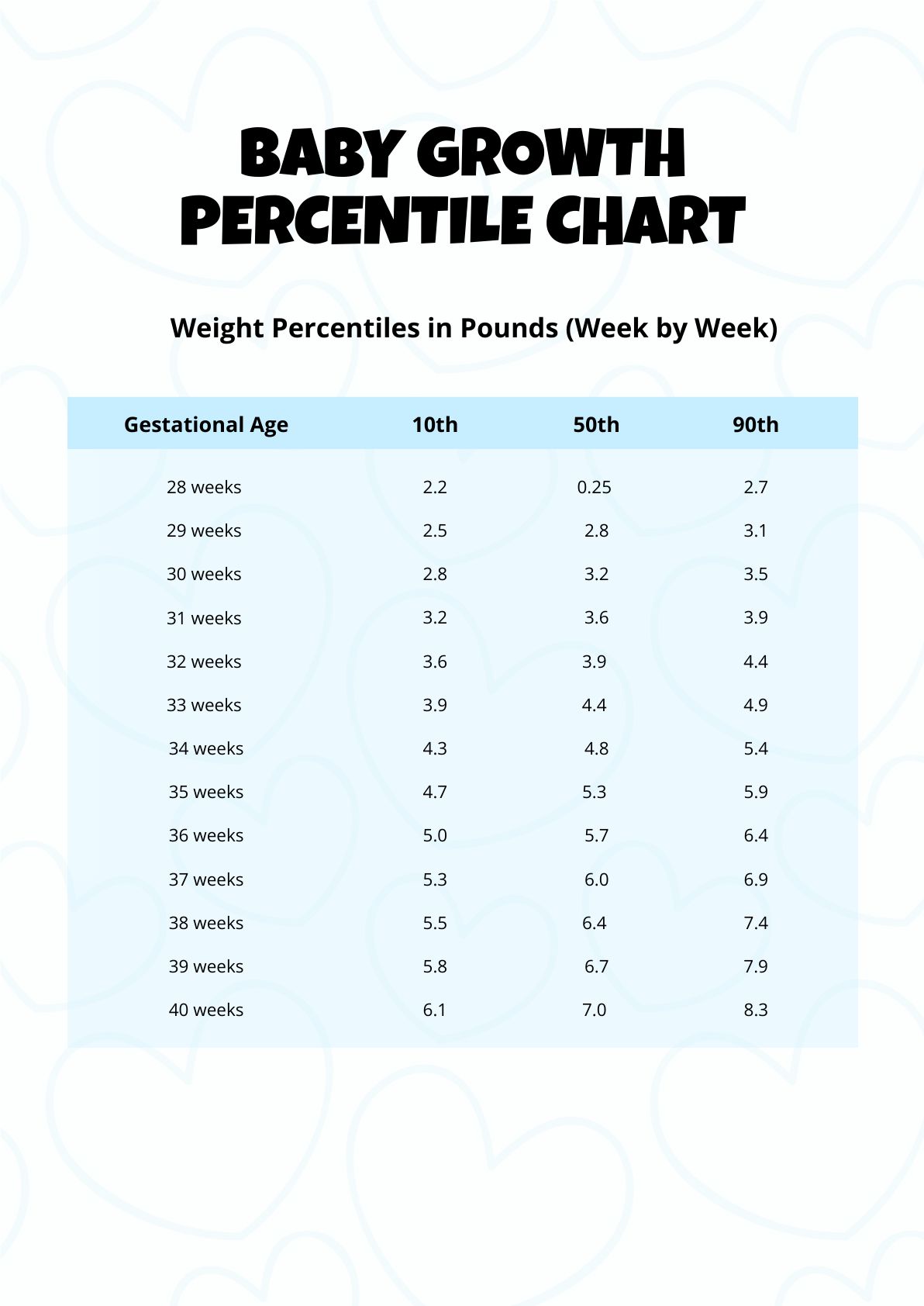
Understanding the Height And Weight Chart
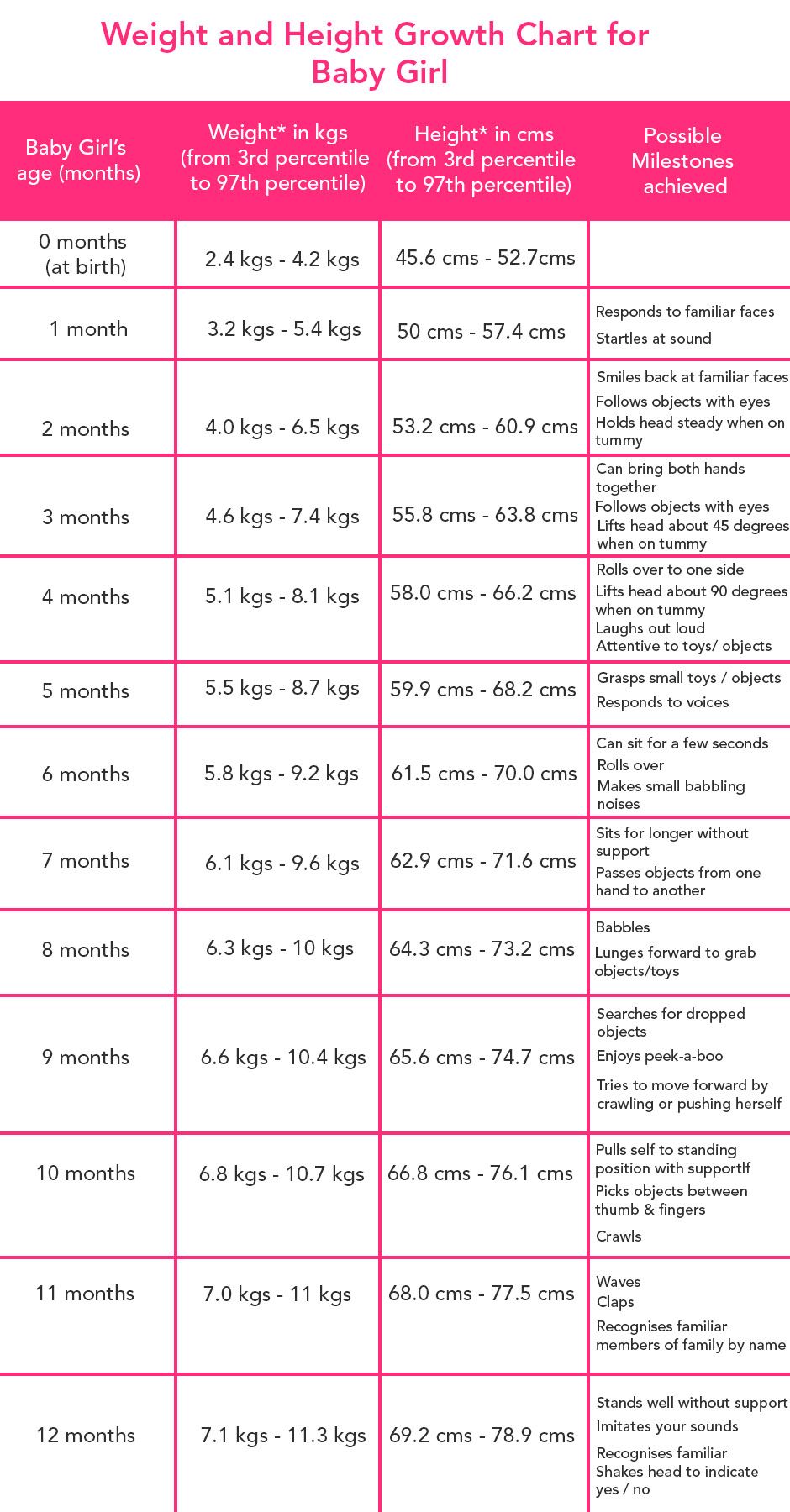
A Height And Weight Chart for newborns typically includes age ranges, corresponding heights, and weights that are considered average for boys and girls. You’ll often see two separate lines for boys and girls, as their growth patterns can differ.
The chart is usually organized by age in months, allowing you to quickly find where your baby falls on the growth curve. This layout is intentional; it helps you visualize how your child’s growth compares to the average, making it easier to identify trends.
When filling out the chart, you can record your baby’s measurements during routine pediatrician visits. Just make sure to use a consistent method for measuring height (lying down for infants) and weight (using the same scale each time).
How to Use the Chart Effectively
Using the Height And Weight Chart for Newborn is straightforward. Begin by measuring your baby’s weight and height accurately. Most pediatricians will provide these measurements during well-child visits.
- Record the Measurements: Write down your baby’s weight and length in the appropriate month column on the chart.
- Compare with Averages: Look at the average height and weight for your baby’s age. This will help you see how your child is growing compared to their peers.
- Track Over Time: Make it a habit to update the chart regularly, ideally during each pediatric appointment. This will help you notice any significant changes in growth patterns.
This method not only keeps you organized but also provides a visual representation of your baby’s growth trajectory.
Digital Vs. Printable Charts
When deciding how to use the Height And Weight Chart for Newborn, consider whether you prefer a digital or printable format.
Digital Charts: These often come in PDF formats that are fillable. This means you can type in your baby’s measurements directly on your computer or tablet. Digital charts are convenient for those who prefer to keep everything on their devices and can easily be stored or shared with healthcare providers.
Printable Charts: On the other hand, a physical chart can be more accessible for some parents. You can print it out and keep it in your baby book or on the fridge for easy reference. Plus, writing down measurements by hand can make the process feel more personal and engaging.
Both formats have their advantages, so choose the one that best fits your lifestyle.
Common Growth Milestones
While every baby grows at their own pace, there are some common milestones you can expect to see on the Height And Weight Chart for Newborn.
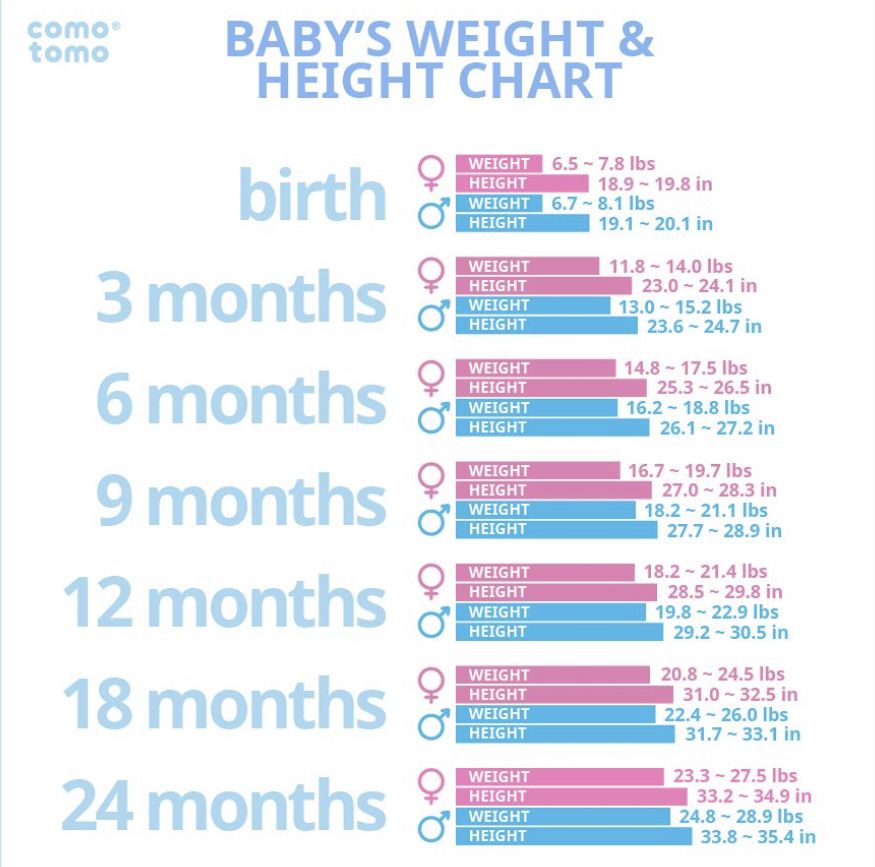
- At Birth: Most newborns weigh between 5.5 to 8.8 pounds and measure 18 to 22 inches long.
- 1 Month: Babies typically gain about 1-2 pounds and grow about 1-2 inches.
- 3 Months: By this age, most babies double their birth weight and increase their length by about 3-4 inches.
- 6 Months: A healthy baby will weigh about 1.5 times their birth weight and continue to grow steadily.
Regularly referencing the chart can help you keep track of these milestones and reassure you that your baby is developing as expected.
Making Adjustments and Seeking Help
If you notice that your baby’s measurements consistently fall below or above the average lines on the Height And Weight Chart for Newborn, it might be worth discussing with your pediatrician.
Some common reasons for growth discrepancies include:
- Nutritional Factors: Ensure your baby is receiving adequate nutrition, whether through breastfeeding or formula feeding.
- Health Conditions: Some medical conditions can affect growth. Your doctor can help evaluate if any underlying issues need addressing.
By keeping an open line of communication with your healthcare provider, you can ensure your baby is on the right path.
The Height And Weight Chart for Newborn is not just a tool; it’s a way to engage with your baby’s health journey. Remember, every baby is unique, and growth patterns can vary widely. Regular tracking and consultations with your pediatrician will help you ensure your little one stays healthy and happy.
If you’re printing the chart, consider using high-quality paper for durability, especially if you’re storing it in a baby book or binder. Cardstock can hold up better if you plan to laminate it for long-term use.
