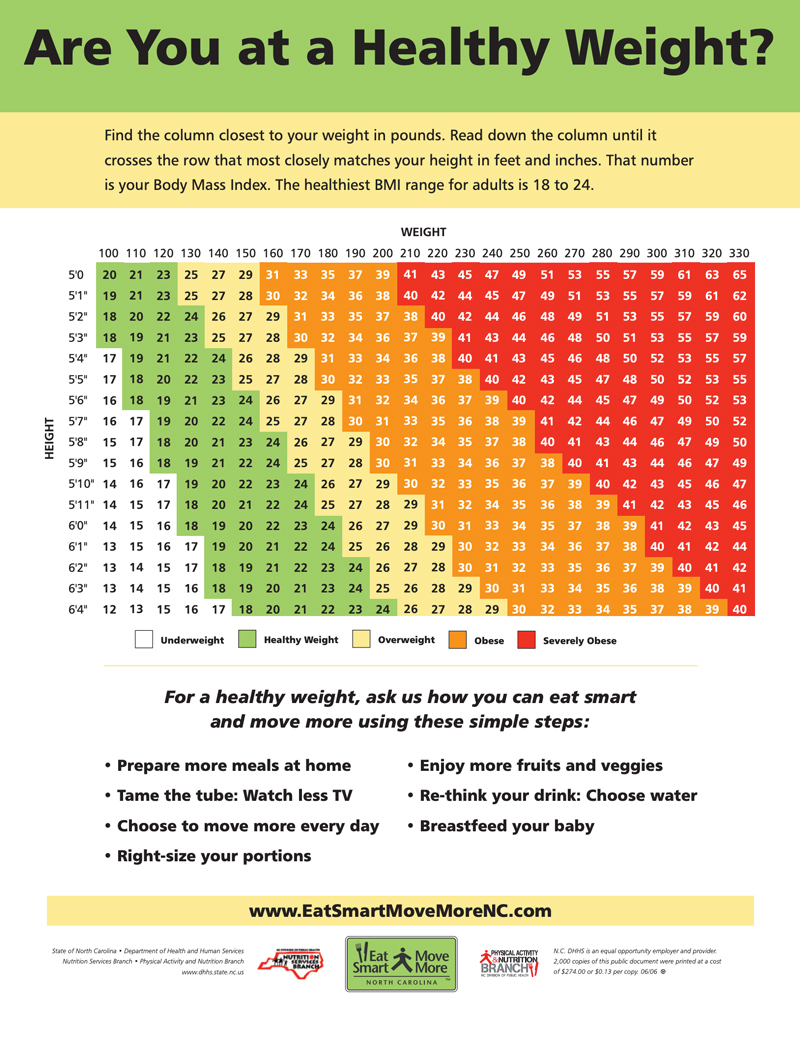
The Healthy Weight BMI Height Weight Chart is an invaluable tool for parents looking to monitor their children’s growth and overall health. This chart provides a visual representation of body mass index (BMI) based on height and weight, helping you determine if your child is in a healthy weight range. By using this resource, you can track your child’s progress and make informed decisions about their nutrition and activity levels.
Understanding BMI and Its Importance
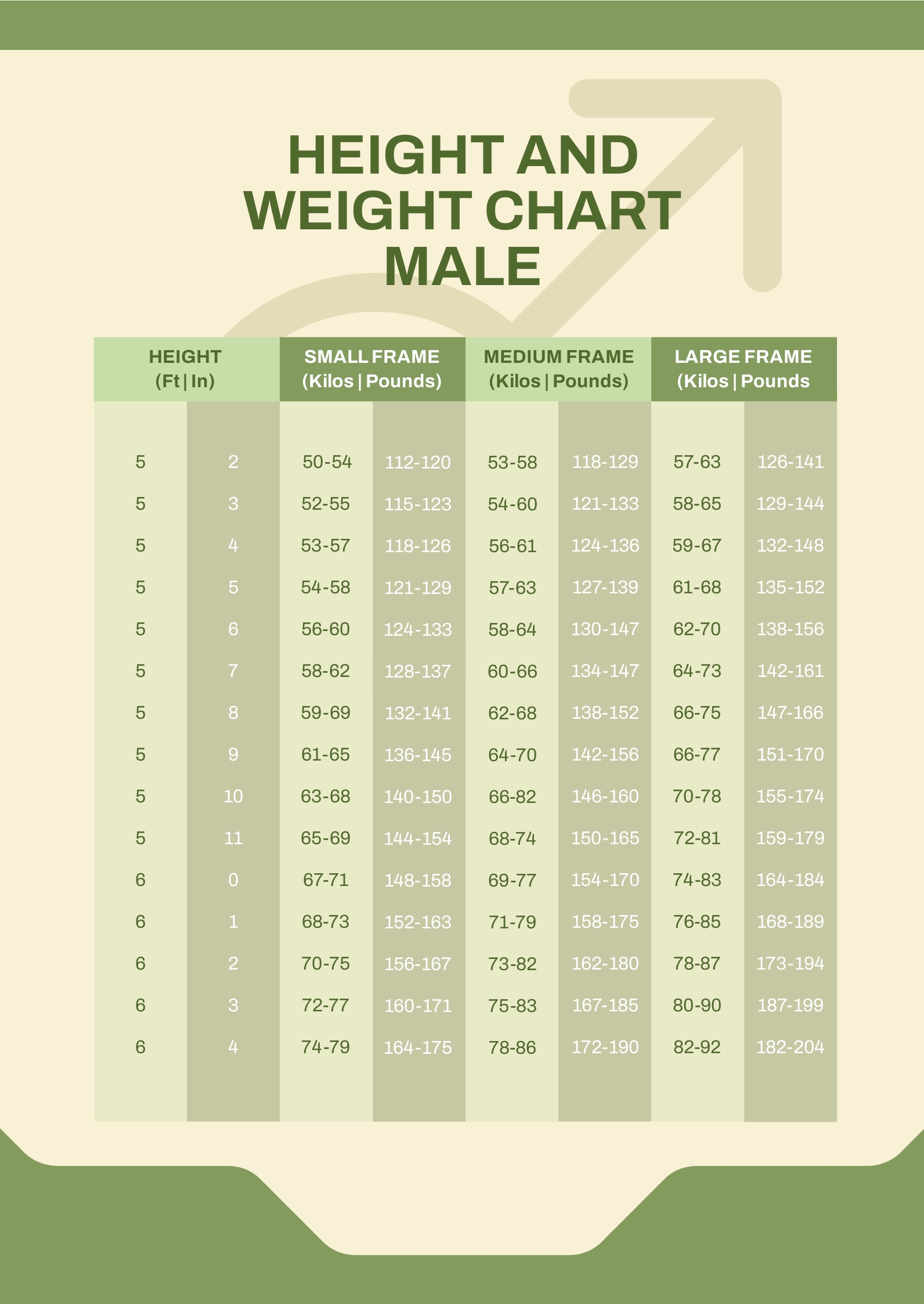
BMI, or body mass index, is a number calculated from a person’s height and weight. It’s a useful measure to assess whether someone is underweight, normal weight, overweight, or obese. As a parent, knowing your child’s BMI can help you understand their health status and identify any potential concerns early on. The Healthy Weight BMI Height Weight Chart allows you to easily find your child’s BMI by matching their height and weight against standardized values.
This chart is particularly helpful during childhood and adolescence when growth patterns can vary significantly. Regularly checking your child’s BMI can help you ensure they are growing appropriately for their age and height. Remember, it’s not just about the number; it’s about promoting a healthy lifestyle that includes balanced nutrition and regular physical activity.
How to Use the Healthy Weight BMI Height Weight Chart
Using the Healthy Weight BMI Height Weight Chart is straightforward and can be done in just a few steps:
- Gather Information: Before you start, make sure you have your child’s accurate height and weight. It’s best to measure height without shoes and weight in light clothing for the most accurate results.
- Locate Height on the Chart: Find your child’s height on the vertical axis of the chart. This is typically measured in inches or centimeters.
- Locate Weight on the Chart: Move horizontally along the chart to find your child’s weight on the horizontal axis.
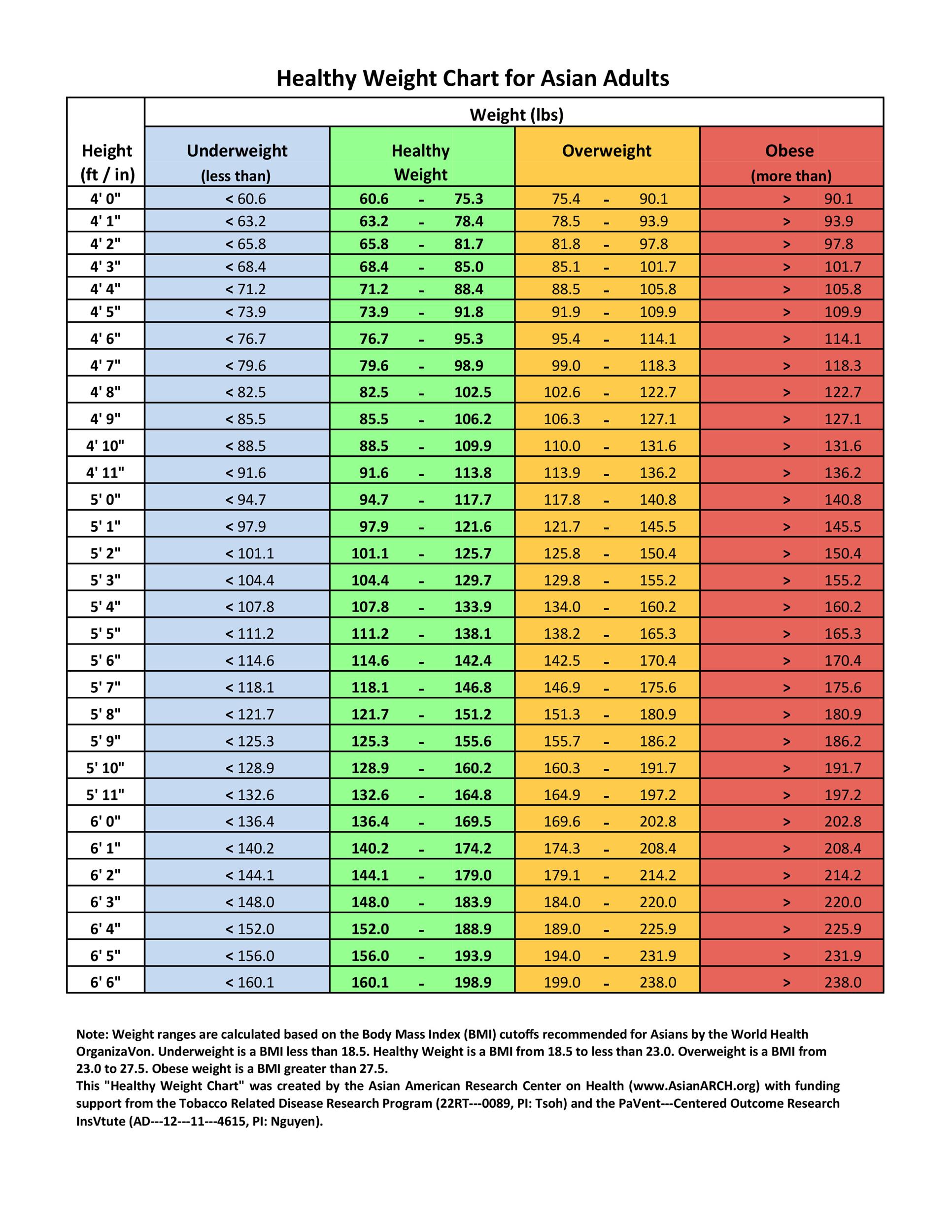
- Identify BMI Category: Where your child’s height and weight intersect on the chart indicates their BMI category. The chart typically includes color-coded sections to easily identify whether they fall into underweight, healthy weight, overweight, or obese categories.
- Track Changes Over Time: To monitor your child’s growth, it’s helpful to keep a record of their BMI readings over time. This can show trends and help you make adjustments to their diet or activity level if needed.
When to Seek Professional Guidance
While the Healthy Weight BMI Height Weight Chart is an excellent starting point, it’s essential to remember that it’s just one tool in assessing your child’s health. If you notice that your child’s BMI falls outside the healthy range, it may be time to consult with a healthcare professional. They can provide personalized advice and recommendations tailored to your child’s unique needs.
Additionally, it’s vital to approach discussions about weight and health sensitively. Focus on promoting a healthy lifestyle rather than solely concentrating on weight. Encourage your child to engage in physical activities they enjoy and offer nutritious food options at home. This approach fosters a positive relationship with food and body image.
Printable Resources and Where to Find Them
You can easily find printable versions of the Healthy Weight BMI Height Weight Chart online. Many health organizations and educational websites offer free downloads that you can print at home. Look for charts that are clear and easy to read, ideally with color-coded sections for quick reference.
When printing, consider using cardstock for durability, especially if you plan to use it frequently. Keep the chart in a place where you can easily access it, such as on the fridge or in your child’s health records folder. This way, you’ll have it handy for regular check-ins on your child’s growth.
Maintaining a Healthy Lifestyle
Beyond using the Healthy Weight BMI Height Weight Chart, it’s essential to foster healthy habits within your family. Here are some practical tips to promote wellness:
- Encourage Physical Activity: Aim for at least 60 minutes of moderate to vigorous activity each day. Find activities that your child enjoys, whether it’s riding a bike, swimming, or playing sports.
- Promote Balanced Eating: Offer a variety of foods from all food groups. Involve your child in meal planning and preparation to teach them about nutrition.
- Limit Screen Time: Encourage outdoor play and limit sedentary activities, including excessive screen time. Set a good example by engaging in physical activities as a family.
- Regular Health Check-ups: Schedule regular visits to the pediatrician, where growth can be monitored, and any concerns can be addressed promptly.
By using the Healthy Weight BMI Height Weight Chart along with these lifestyle habits, you can help your child achieve and maintain a healthy weight. It’s all about fostering a supportive environment that encourages growth, health, and well-being.
