Understanding your family’s health can be a challenge, especially when it comes to maintaining a healthy weight. A Healthy Bmi And Weight Chart is an essential tool that can help you track growth, understand weight categories, and promote healthier habits. This resource offers a clear visual representation of Body Mass Index (BMI) ranges and weight categories, making it easier for parents to monitor their children’s health.
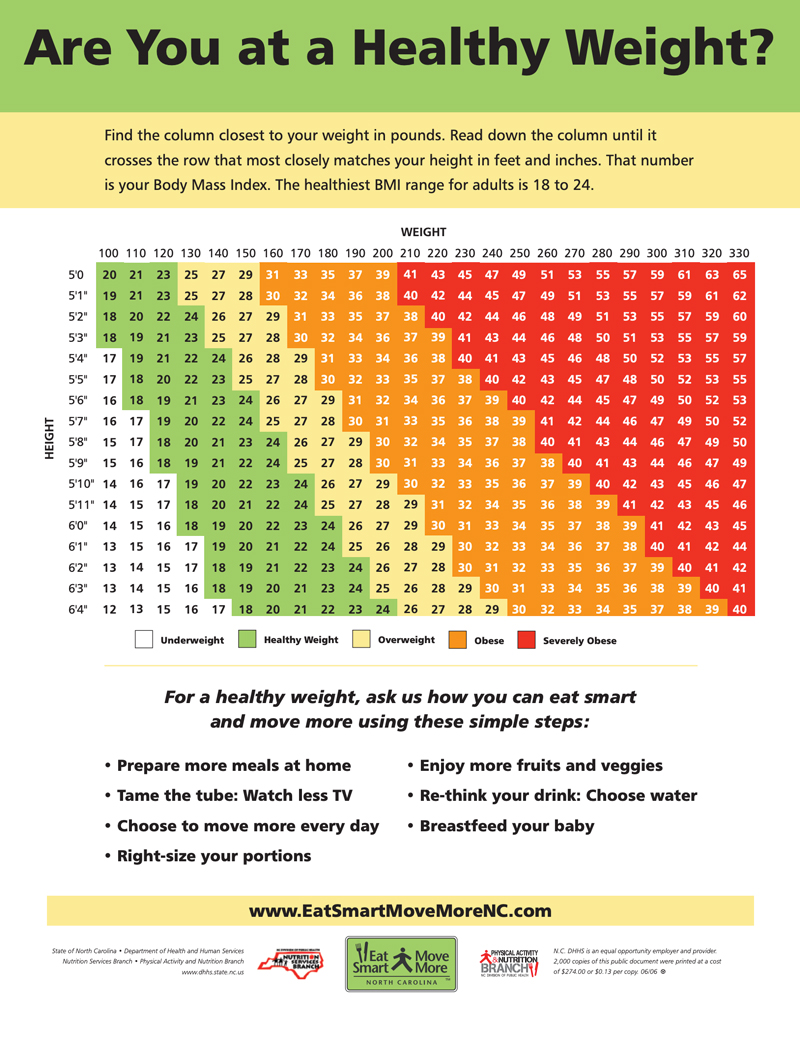
What Is a Healthy BMI and Weight Chart?
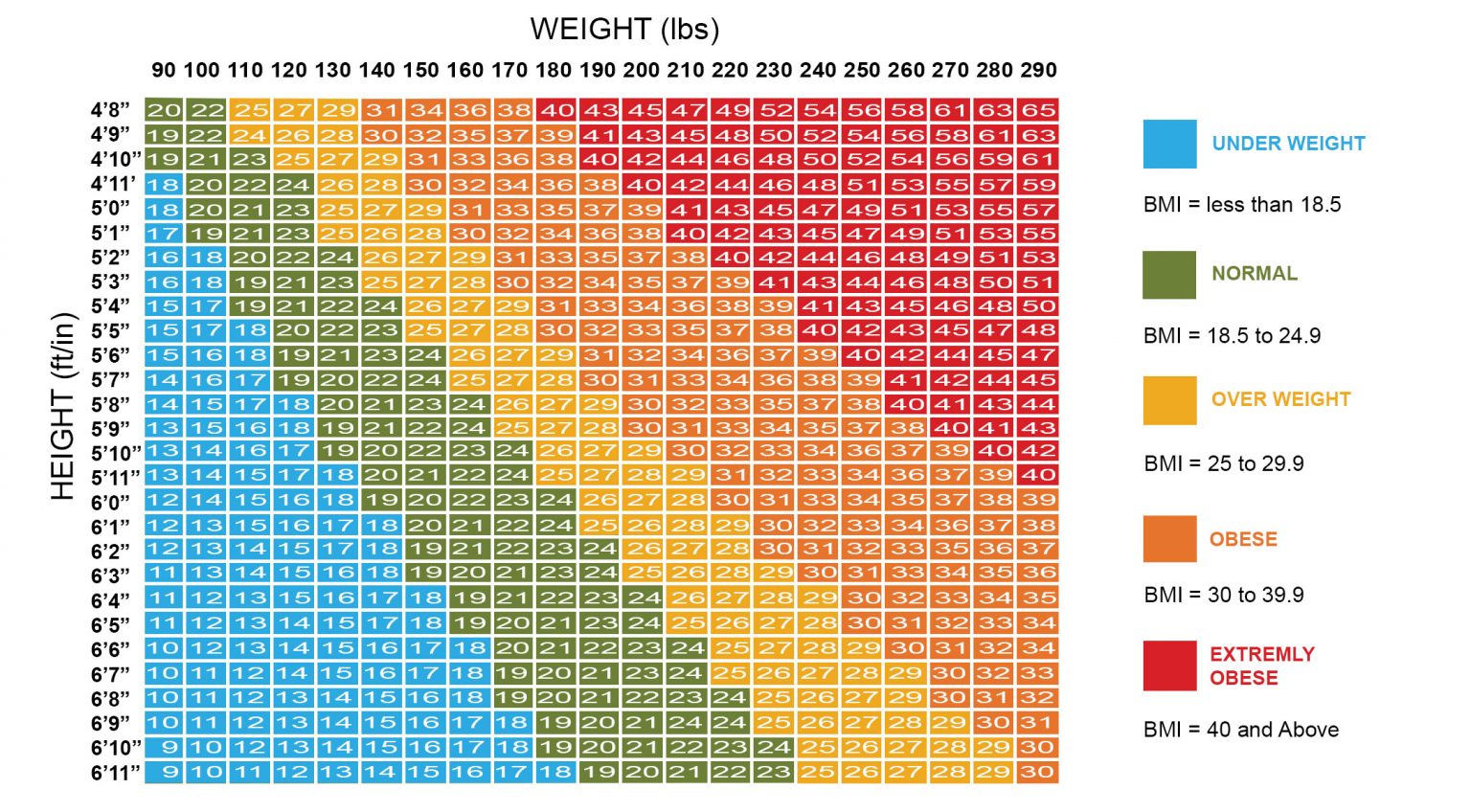
A Healthy BMI and Weight Chart is a table that provides a quick reference for determining whether an individual is at a healthy weight based on their height and weight. It typically lists BMI categories, including underweight, normal weight, overweight, and obesity. Understanding these categories helps families make informed decisions about nutrition and physical activity.
To use the chart effectively, you first need to know your child’s weight and height. The BMI is calculated by dividing weight in kilograms by height in meters squared. However, the chart simplifies this process by allowing you to find the appropriate weight range for a given height without needing calculations.
How to Use the Healthy BMI and Weight Chart
Using the Healthy BMI and Weight Chart can be straightforward. Here’s a step-by-step guide to ensure you get the most out of this resource:
- Gather Information: Before using the chart, measure your child’s height and weight accurately. Use a reliable scale for weight and a measuring tape or wall-mounted height chart for height. Having these numbers ready will streamline the process.
- Locate the Correct Height: Find your child’s height on the left side of the chart. The chart will typically be organized by height in either inches or centimeters.
- Identify the Corresponding Weights: Once you’ve located the height, look to the right to find the corresponding weight ranges. Each range will be labeled according to BMI categories.
- Determine the BMI Category: Check where your child’s weight falls within these ranges to identify their BMI category. This will help you understand whether they are in a healthy range, underweight, or overweight.
- Make Informed Choices: Based on the results, consider discussing dietary and activity choices with your child. If they fall outside the healthy weight range, think about practical changes to encourage healthier habits.
Where to Find Your Healthy BMI and Weight Chart
Many printable resources are available online, including several free PDF downloads. When searching, look for charts that are easy to read and suitable for your child’s age group. You may find charts designed specifically for children and teenagers, which take into account their growth patterns.
Once you’ve downloaded the chart, print it out for easy access. Make sure to keep it in a place where you can refer to it regularly, like on the refrigerator or inside a family planner. This way, it becomes part of your routine to check in on your family’s health.
Tips for Maintaining a Healthy Weight
Monitoring your child’s weight is just one part of a broader health strategy. Here are some practical tips to help maintain a healthy weight:
- Encourage Physical Activity: Aim for at least 60 minutes of physical activity each day. This could be playing outside, sports, or even family walks.
- Promote Balanced Eating: Focus on providing a variety of fruits, vegetables, whole grains, and lean proteins. Make mealtime a family affair to encourage good eating habits.
- Limit Sugary Drinks: Encourage water as the primary beverage. Limit sodas and juices, which can contribute to excess calorie intake.
- Monitor Portions: Teach your children about portion sizes. Using smaller plates can help manage portions and prevent overeating.
- Set Realistic Goals: If your child needs to lose or gain weight, set achievable goals together. Small, gradual changes are often more sustainable than drastic shifts.
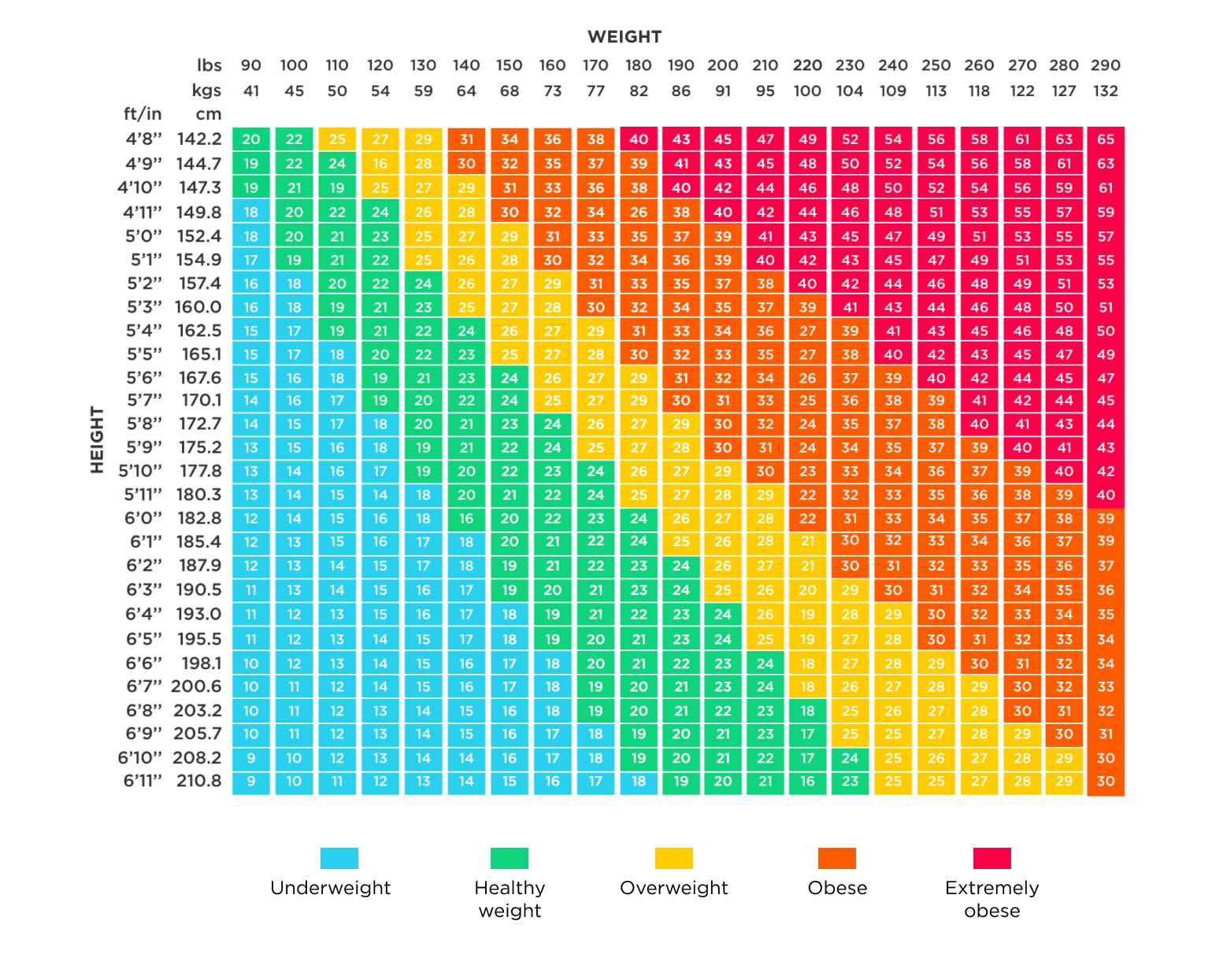
Tracking Progress With the Healthy BMI and Weight Chart
Regularly using the Healthy BMI and Weight Chart can help you track your child’s progress over time. Make it a habit to check in on their weight and height every few months. This will not only help you assess their growth but also reinforce the importance of maintaining a healthy lifestyle.
You can also create a simple log to note down these measurements and any changes in habits or activities. This can be a fun activity for your child, as they can see their progress visually over time.
For added motivation, consider setting family health challenges, where everyone can participate in physical activities or healthy cooking sessions together. This helps create a supportive environment that encourages healthy living.
By utilizing the Healthy BMI and Weight Chart effectively and integrating it into your family’s routine, you’re taking an essential step towards promoting a healthier lifestyle for your children. Remember, it’s not just about numbers; it’s about fostering a positive relationship with health and well-being that will last a lifetime.
Take a moment today to download your Healthy BMI and Weight Chart and start making informed health decisions for your family!
