Tracking your health can sometimes feel overwhelming, especially when it comes to understanding what a healthy weight and height ratio looks like. That’s where a Healthy Height And Weight Chart comes in handy. This practical resource provides a clear and organized layout to help you evaluate your body composition and set realistic goals. In this article, I’ll guide you through the layout, features, and best practices for using this chart effectively in your health journey.
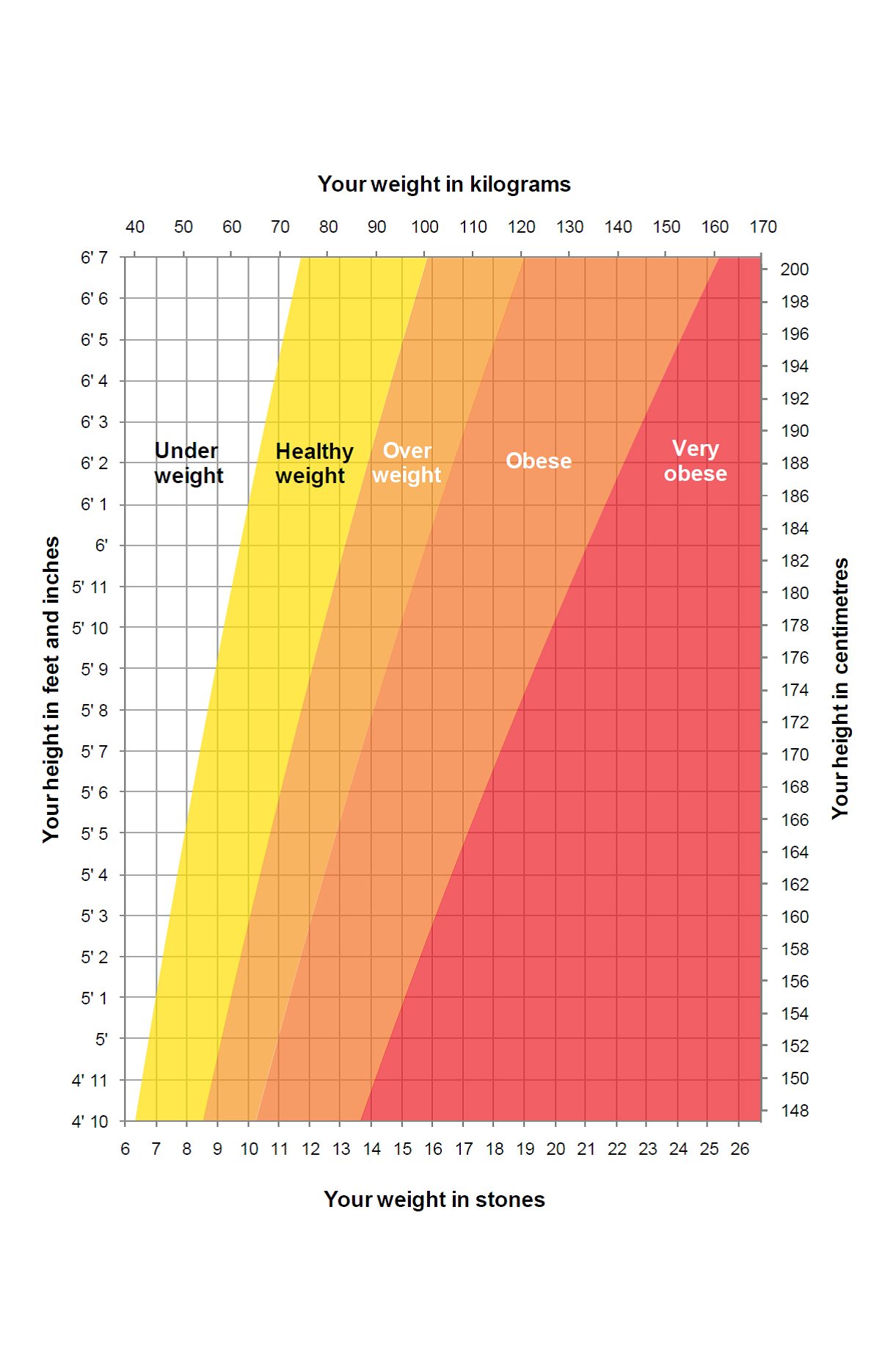
Understanding the Layout of the Healthy Height And Weight Chart
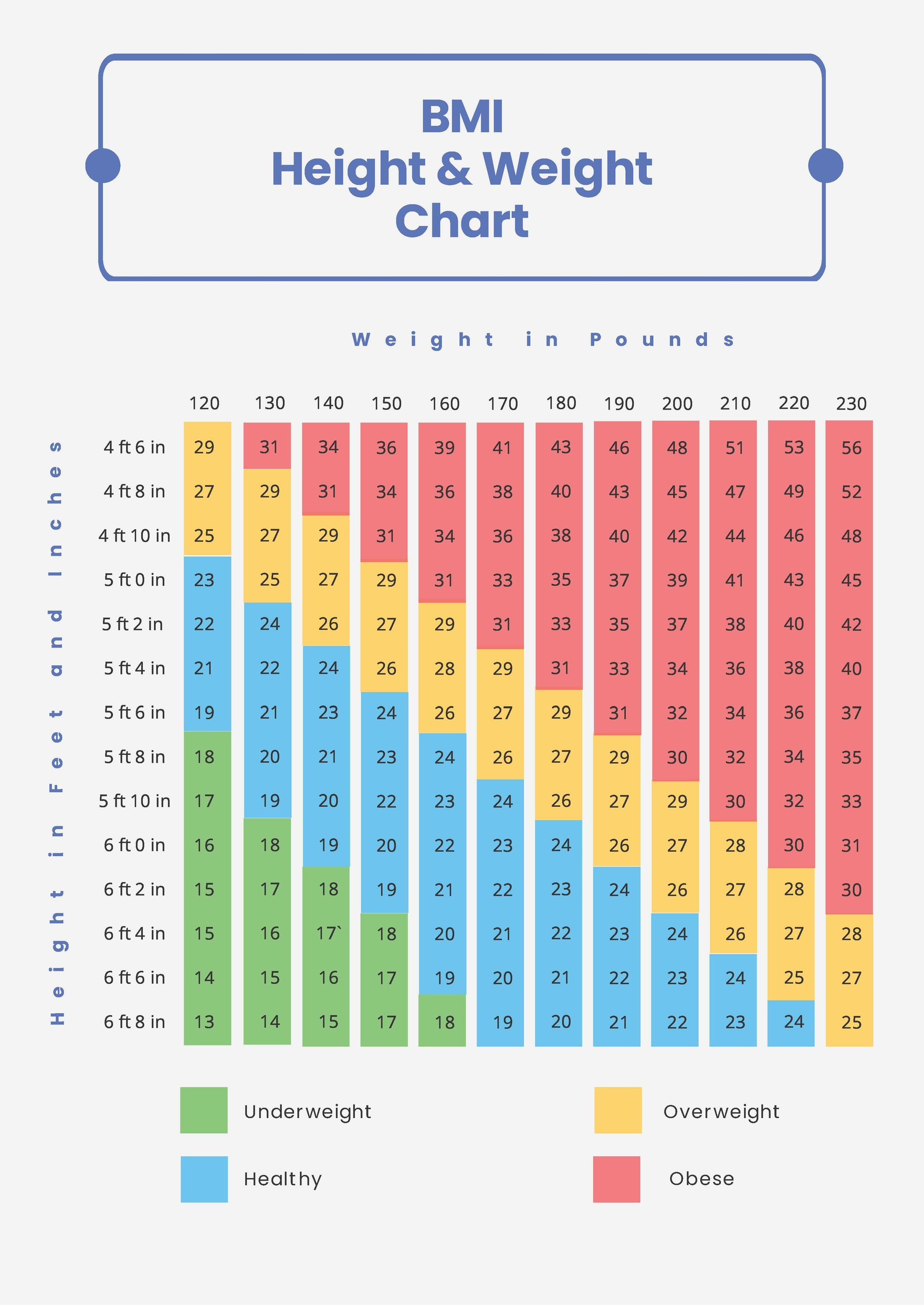
The Healthy Height And Weight Chart typically includes a straightforward grid format. You’ll find height measurements listed vertically, usually in inches or centimeters, and corresponding weight ranges listed horizontally. This makes it easy to locate your ideal weight range based on your height.
When you first look at the chart, you might notice that it often includes different categories, such as underweight, normal weight, overweight, and obese. This classification helps you understand where you fit within the spectrum of healthy body weights.
You’ll also see that some charts provide Body Mass Index (BMI) calculations alongside the height and weight data. This additional information can help you grasp whether you fall within a healthy BMI range, which is calculated using your weight and height.
Filling in the Chart: Digital Vs. Print
You might wonder whether to fill out the Healthy Height And Weight Chart digitally or by hand. If you opt for a printable version, which is often available as a PDF, printing it out allows you to jot down your measurements easily. It’s a great option if you enjoy a tactile experience. You can hang it on your fridge or keep it in a planner where you can regularly check your progress.
On the other hand, fillable PDFs are also a popular option. They allow you to enter your information directly on your device, which can be more convenient if you prefer to keep digital records. This method also eliminates any risk of your handwritten notes becoming smudged or illegible over time. If you go this route, ensure your device has the necessary software to save your entries.
Regardless of your choice, using a consistent and organized approach to filling in the chart can significantly improve your tracking experience.
Incorporating the Chart Into Your Routine
To make the most out of the Healthy Height And Weight Chart, consider integrating it into your regular health routine. Start by measuring your height and weight on a consistent schedule, such as once a month. This will help you monitor changes over time, giving you a clearer picture of your health journey.
It’s also helpful to compare your findings against the chart periodically. If you notice fluctuations, take note of any lifestyle changes that may have contributed. Perhaps you’ve started a new exercise routine or changed your diet. Identifying these patterns can provide insight into what works for you and what doesn’t.
Another useful practice is to set specific goals based on your readings from the chart. For example, if you find that you’re at the higher end of the normal weight range, you might set a goal to decrease your weight gradually while still aiming for a healthy BMI.
Tips for Using the Healthy Height And Weight Chart Effectively
To maximize the benefits of your Healthy Height And Weight Chart, here are some practical tips:
- Be Consistent: Use the chart regularly and stick to the same time of day for measurements for better accuracy.
- Use Accurate Devices: Ensure your measuring tools, like scales and measuring tapes, are calibrated correctly.
- Track Additional Metrics: Consider keeping a separate log for other health indicators, such as waist circumference or fitness levels, to get a comprehensive view of your health.
- Consult Professionals: If you have specific health concerns or questions about your weight, it’s always a good idea to consult a healthcare provider. They can provide personalized advice based on your individual circumstances.
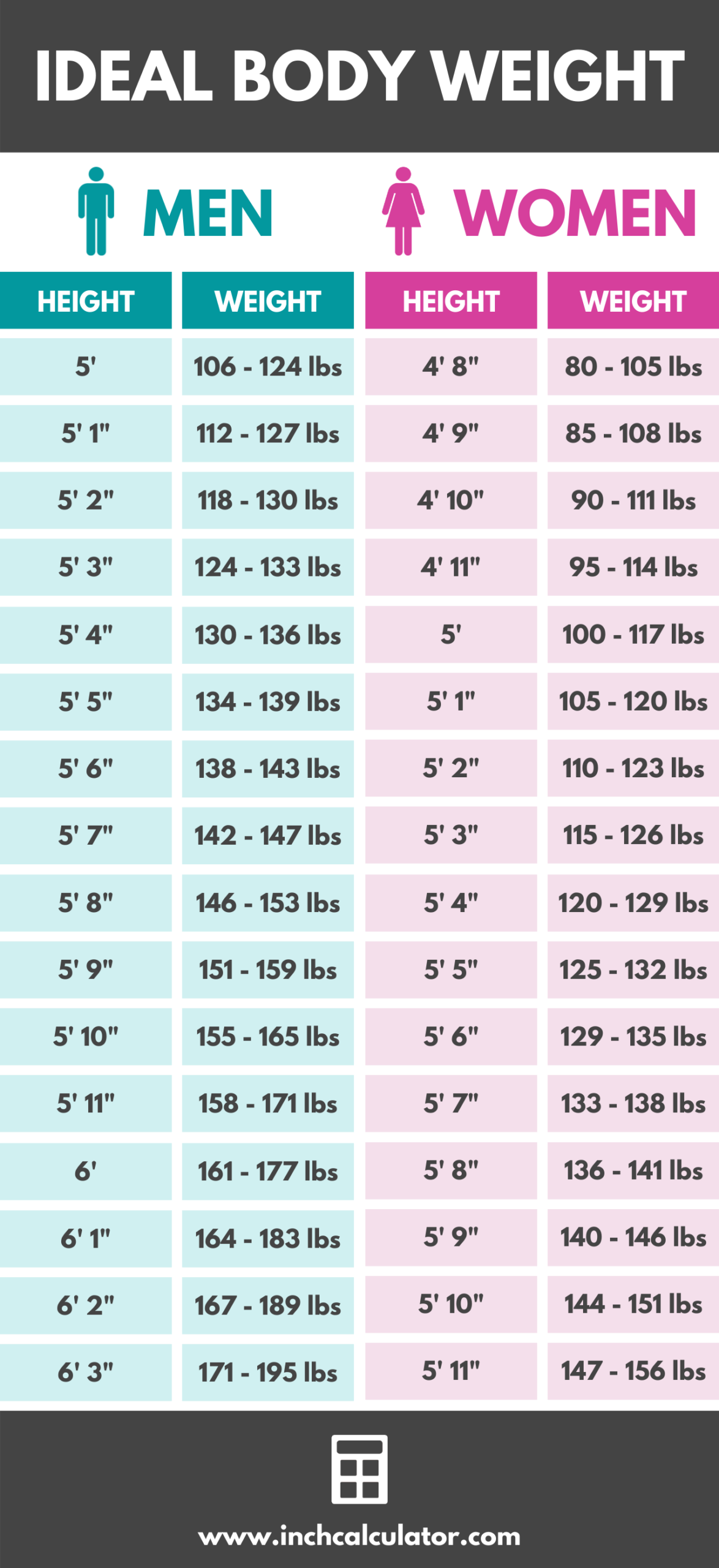
The Importance of Context in Your Measurements
While the Healthy Height And Weight Chart is a valuable resource, it’s essential to remember that it provides a general guideline. Everyone’s body is different, and factors like muscle mass, bone density, and overall health can influence what a healthy weight looks like for you.
It’s also worth noting that the chart doesn’t account for variations across different populations. For instance, athletes might have higher weights due to increased muscle mass but still be in excellent health. Therefore, use the chart as a tool for guidance rather than a strict rulebook.
One last detail to keep in mind is that some charts may include adjustments for age or gender, which can provide a more tailored perspective on healthy weight ranges. Look for these distinctions in the chart you are using.
In summary, the Healthy Height And Weight Chart is a practical tool that can help you track your health goals effectively. Whether you choose to fill it out digitally or by hand, using it regularly will assist you in understanding your body better and making informed decisions about your health.
