When your little one comes down with a cold or allergy symptoms, it can be overwhelming as a parent to figure out the correct dosage of medicine. The Dimetapp Dosage By Weight Chart is a valuable resource that can simplify this process. Knowing how much medication to give based on your child’s weight ensures they receive the right amount, which is crucial for safety and effectiveness.
Understanding Dimetapp
Dimetapp is an over-the-counter medication commonly used to relieve symptoms associated with colds, allergies, and hay fever. It typically contains ingredients that help with nasal congestion, sneezing, and runny noses. While it’s effective, it’s essential to use it correctly, especially with children. That’s where the dosage chart comes in.
The Importance of Dosage by Weight
Why is it so important to dose by weight? Children metabolize medications differently than adults, and their bodies are still developing. Administering the correct dosage helps prevent both under-dosing and overdosing. Under-dosing could lead to ineffective treatment, while overdosing can cause harmful side effects. Therefore, using the Dimetapp Dosage By Weight Chart ensures that you’re providing the safest and most effective care for your child.
Using the Dimetapp Dosage By Weight Chart
To use the Dimetapp Dosage By Weight Chart effectively, you need to follow these steps:
- Find Your Child’s Weight: Weigh your child to get an accurate measurement. It’s best to do this on a scale that can give you a precise reading, preferably in pounds.
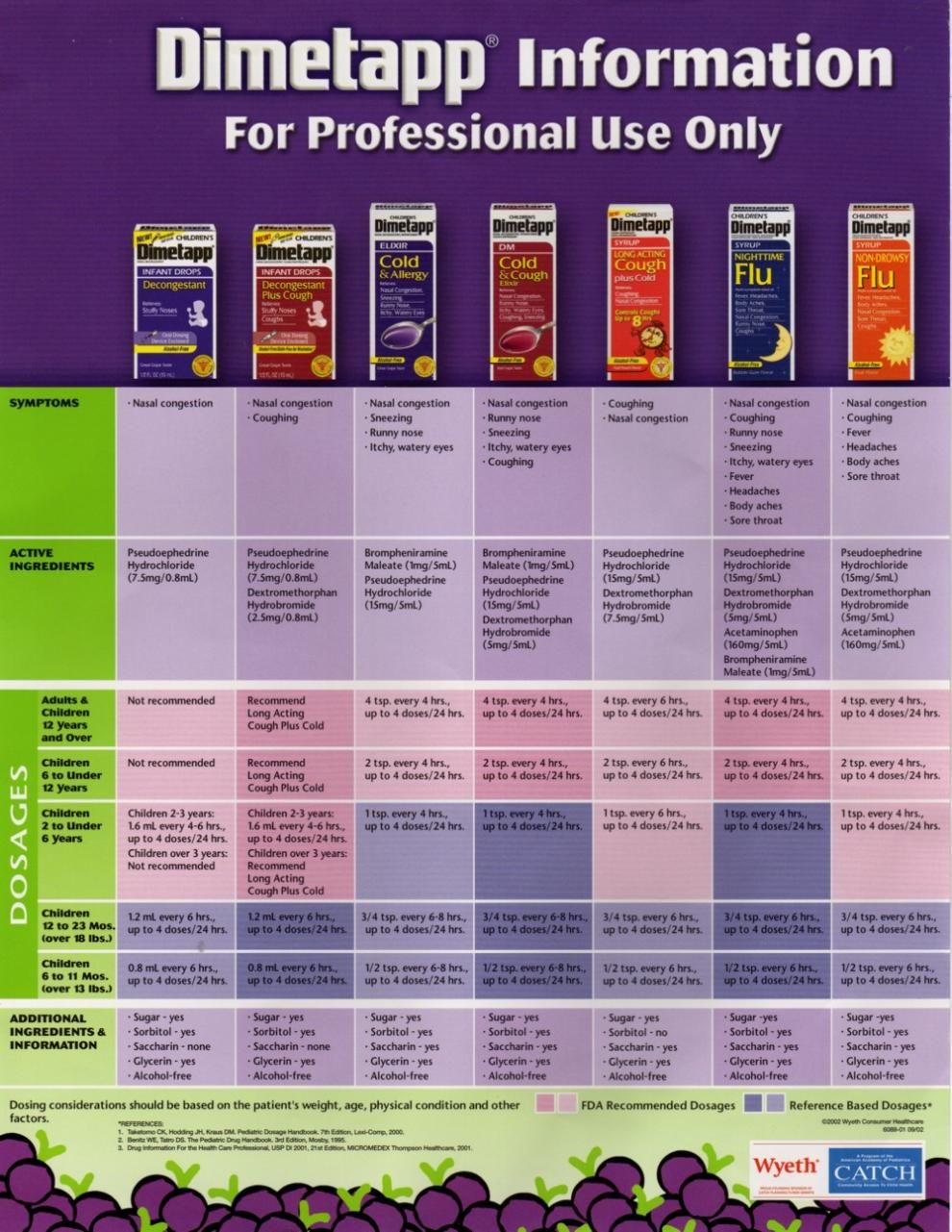
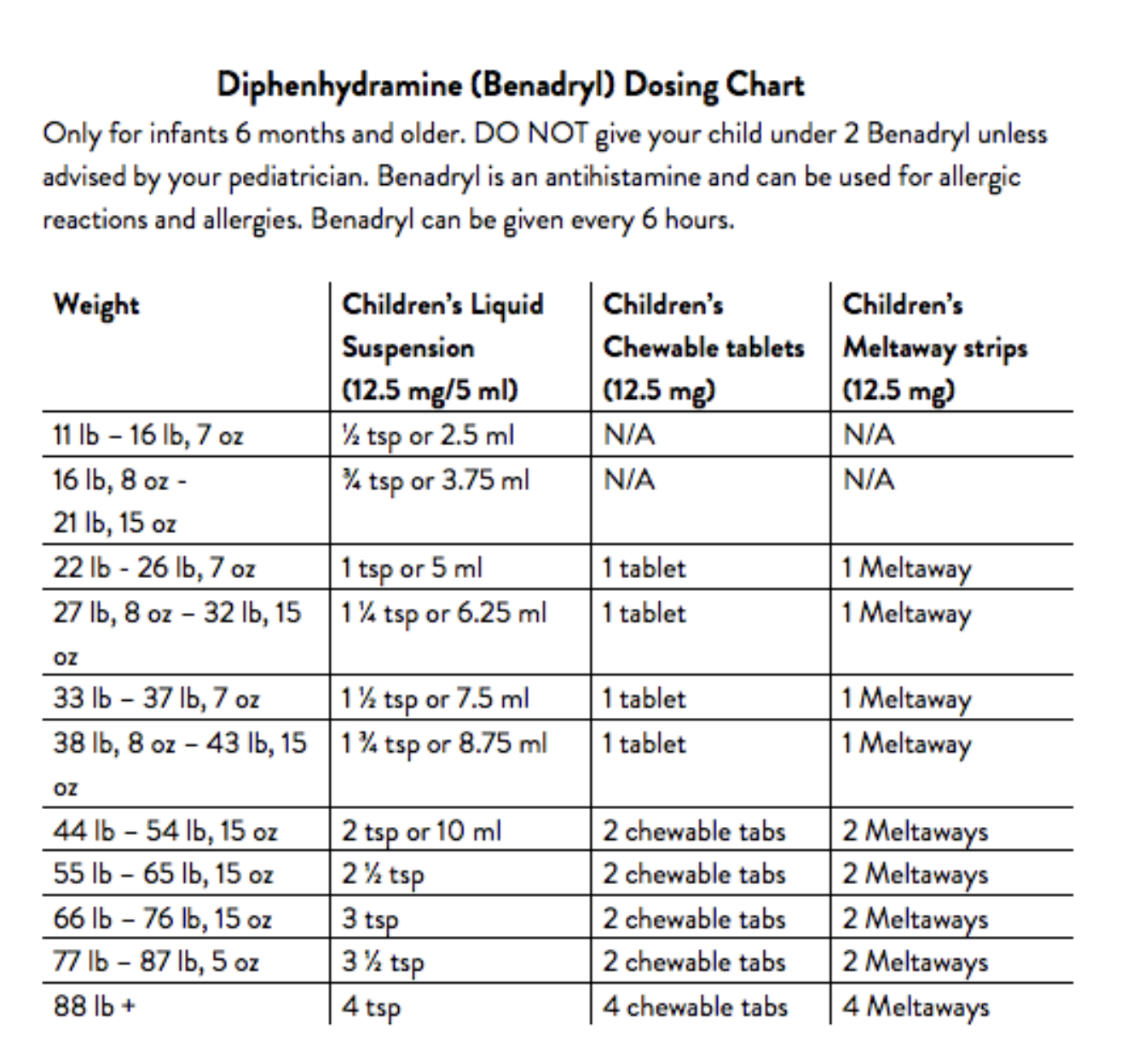
- Locate the Appropriate Dosage: Refer to the dosage chart, which will typically list weights in ranges (e.g., 20-30 lbs, 31-40 lbs). Each range correlates with a specific dosage amount in milliliters (mL).
- Measure Carefully: Use a proper dosing syringe or cup to measure the medication accurately. Household spoons can vary in size, leading to incorrect dosages.
- Administer the Medication: Give the measured dose to your child. It’s often helpful to make this a pleasant experience, perhaps by allowing them to choose a favorite drink to follow the medicine.
- Observe Your Child: After administering the medication, keep an eye on your child for any side effects. If you notice anything unusual, contact your pediatrician.
Sample Dimetapp Dosage By Weight Chart
While I can’t provide an exact chart here, you can typically find a Dimetapp Dosage By Weight Chart in the product packaging or on the manufacturer’s website. Here’s a general idea of what you might see:
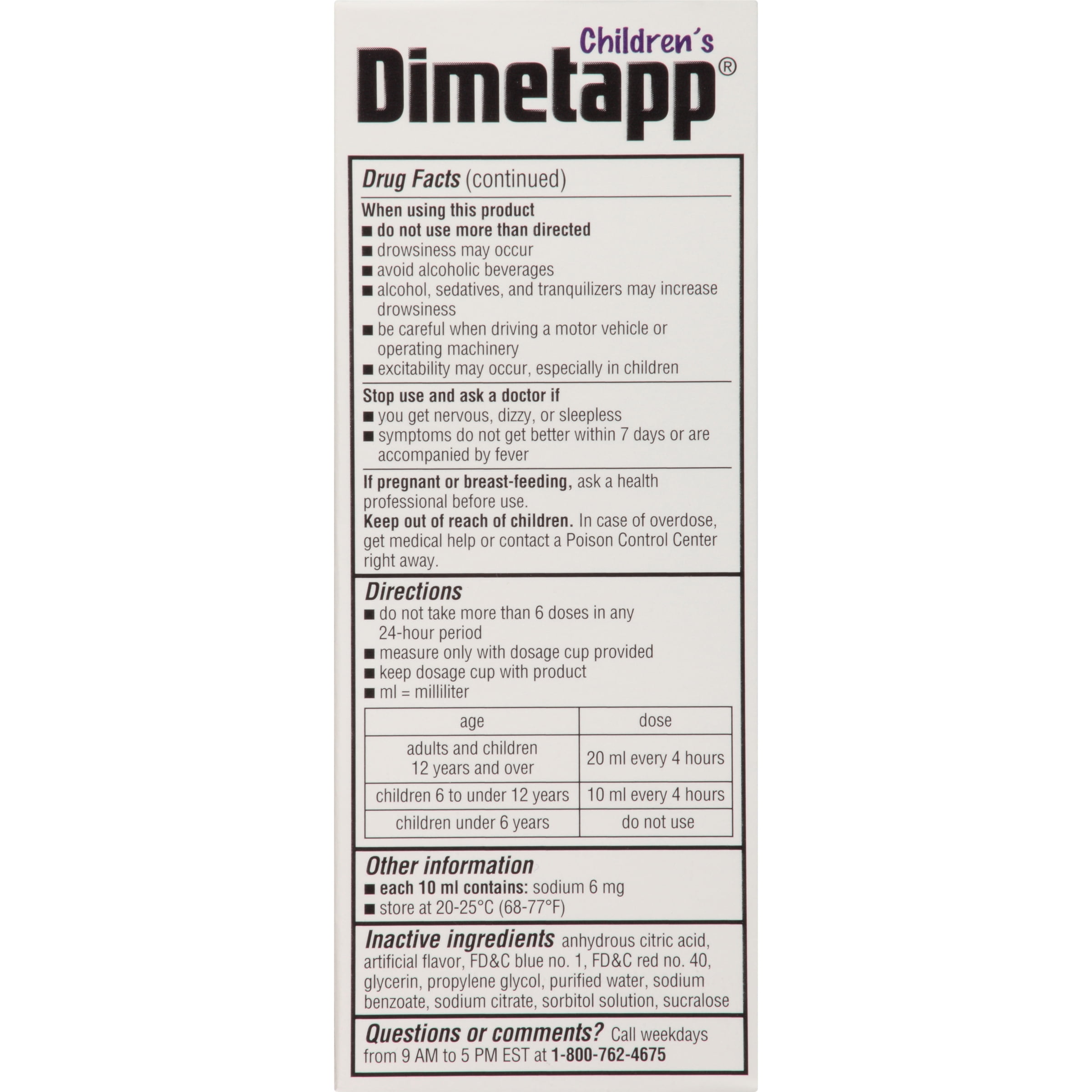
- Children 2-6 years: 1 tsp (5 mL) for 24-35 lbs
- Children 6-12 years: 1-2 tsp (5-10 mL) based on weight
Always confirm with your healthcare provider if you’re unsure about the dosage for your child.
Tips for Safe Administration
Here are some practical tips to ensure safe administration of Dimetapp:
- Check Expiration Dates: Always check the expiration date on the medication. Expired medications can be ineffective or potentially harmful.
- Avoid Mixing with Other Medications: Unless advised by a doctor, avoid giving Dimetapp with other medications that contain antihistamines or decongestants, as this can increase the risk of side effects.
- Stay Informed on Ingredients: Familiarize yourself with the ingredients in Dimetapp to ensure your child isn’t allergic to any components.
- Follow the Instructions: Always follow the specific instructions provided on the label or by your healthcare provider.
When to Seek Medical Advice
If your child is exhibiting severe symptoms or if you have any concerns regarding their health, do not hesitate to reach out to your pediatrician. It’s better to err on the side of caution when it comes to your child’s health.
Additionally, if your child is under 2 years old, consult your doctor before giving them Dimetapp, as safety guidelines can vary for infants and young children.
Tracking Your Child’s Medication
Keeping track of your child’s medication can save you a lot of stress. You might consider using a simple chart or checklist at home to log when and how much medication you’ve administered. This way, you won’t have to second-guess if you’ve already given a dose or if it’s time for the next one.
- Create a Medication Log: Write down the date, time, and dosage given to your child. This will help you keep track and ensure you’re following the dosing schedule.
- Include Symptoms: Note any symptoms before and after giving the medication. This can help you and your healthcare provider assess the effectiveness of the treatment.
- Use Reminders: Set reminders on your phone or use a calendar to keep track of dosing times, especially if multiple medications are involved.
