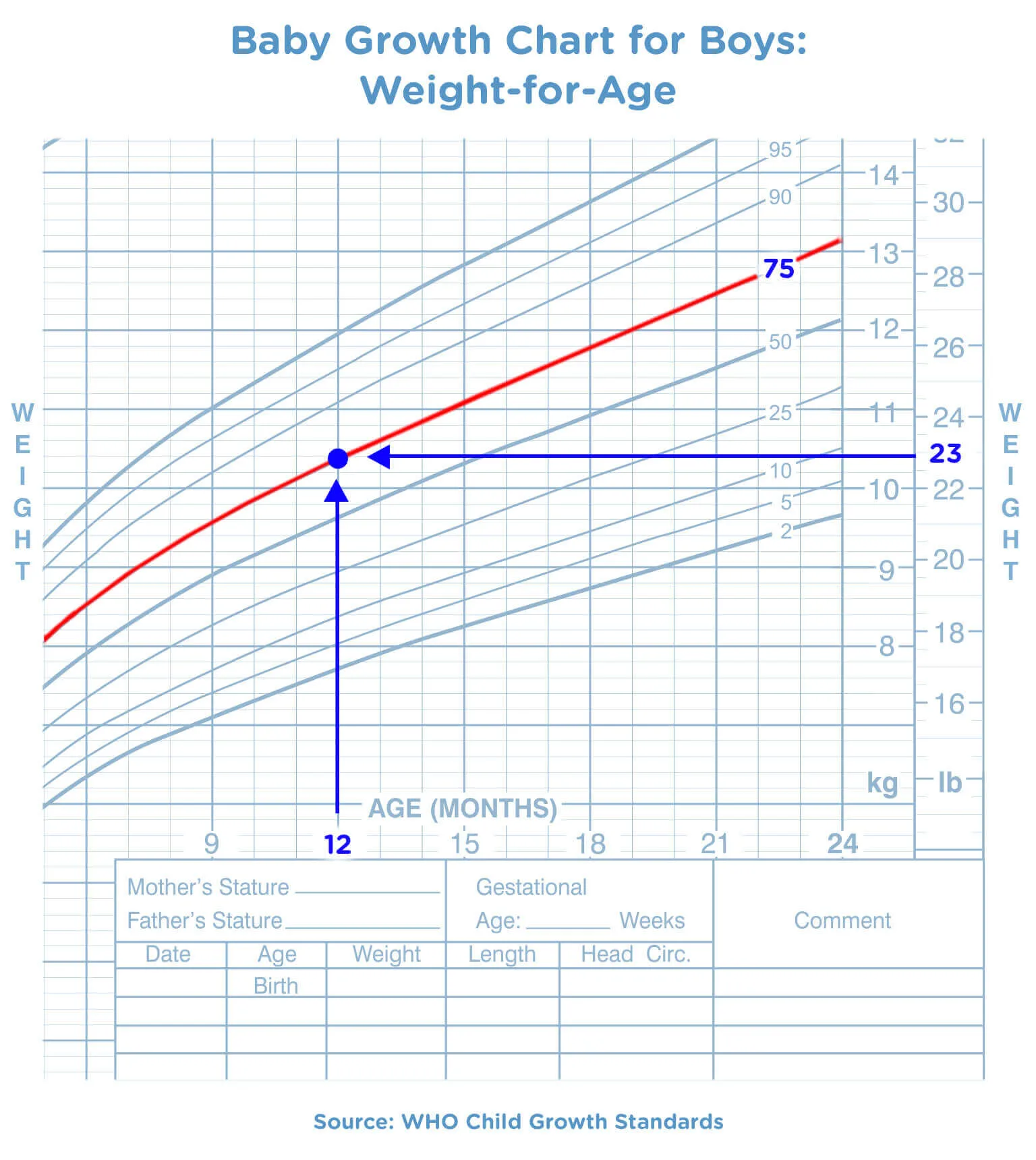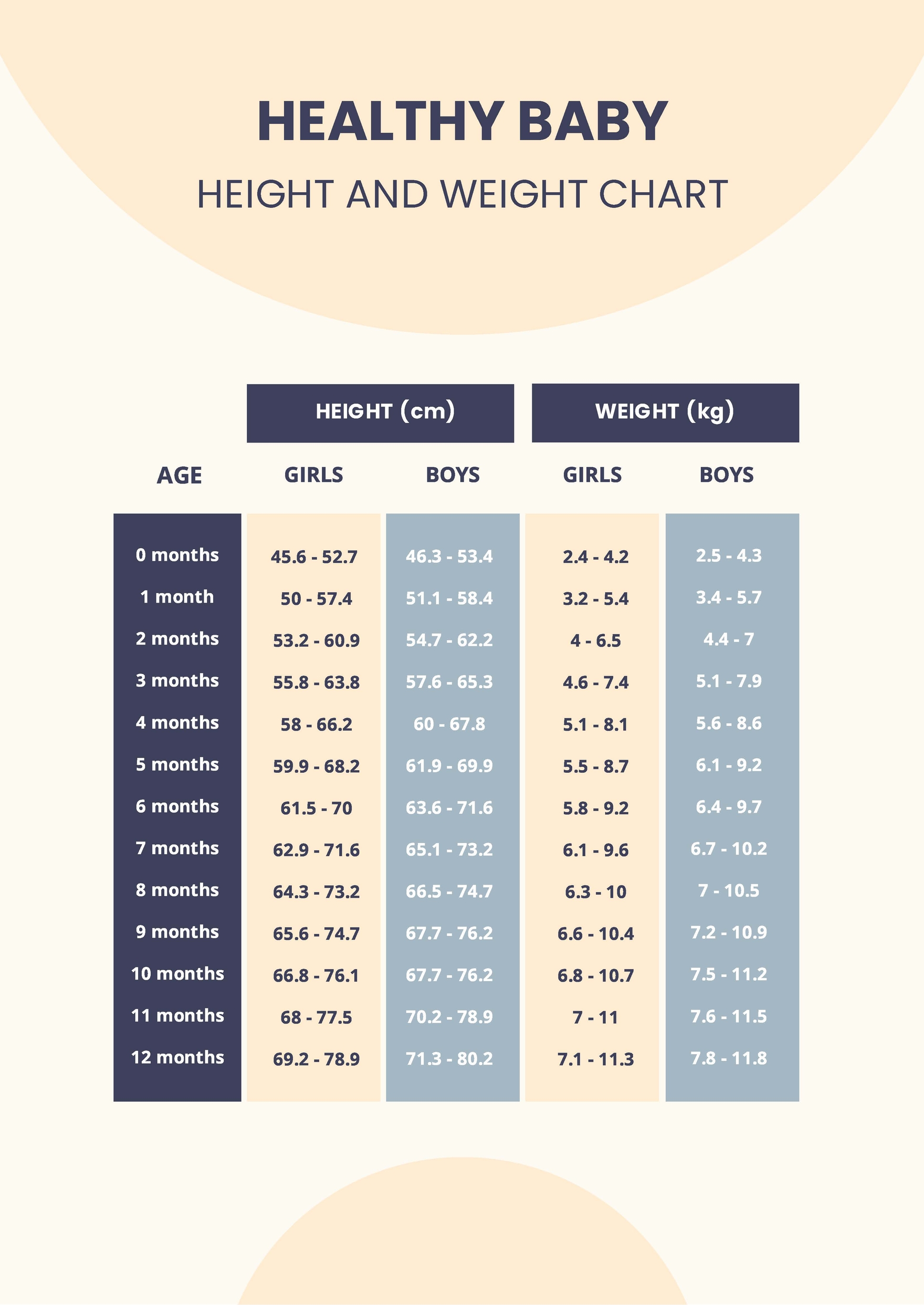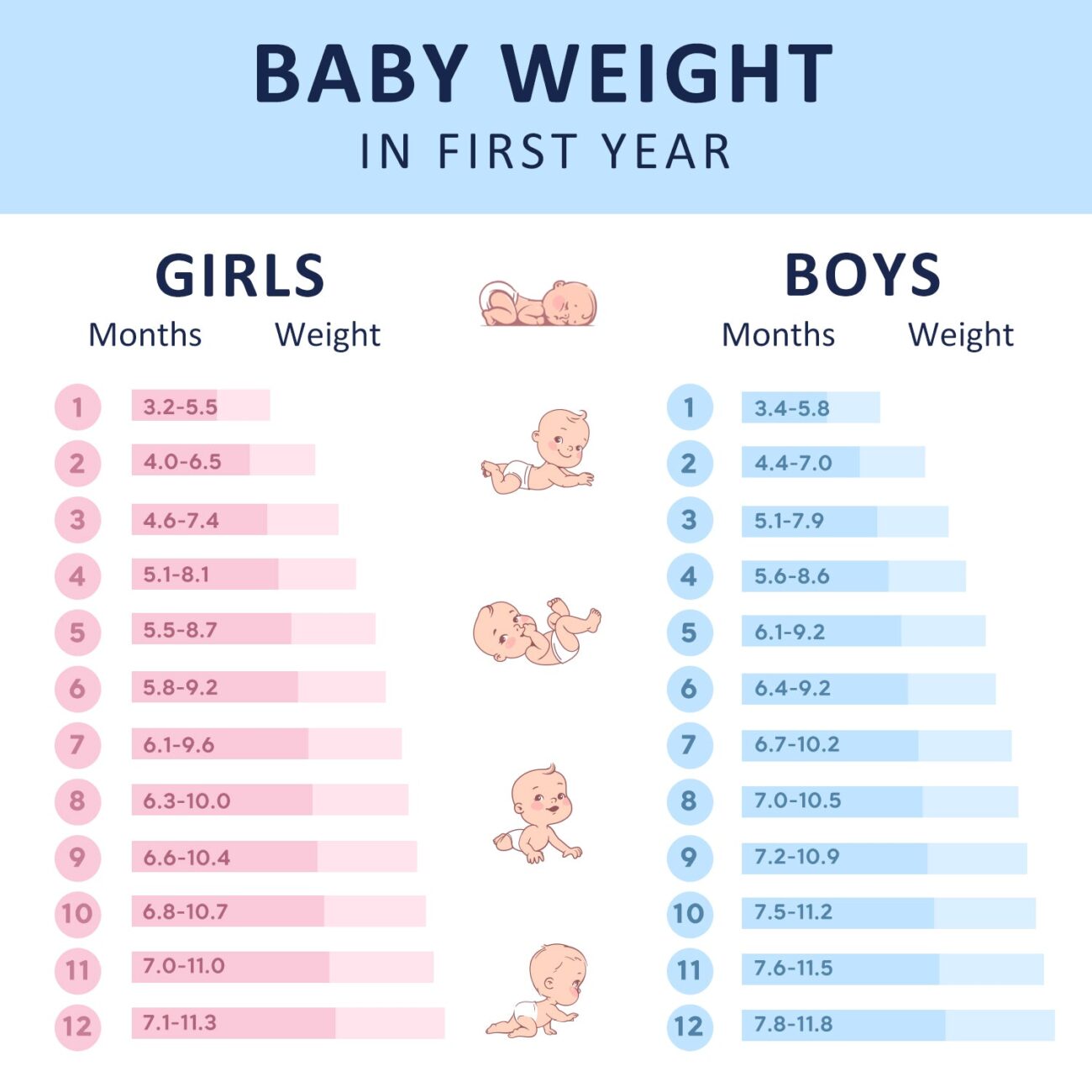
As a parent, tracking your baby’s growth is essential for their health and development. The 10 Month Baby Boy Weight Chart is a handy resource that helps you monitor your little one’s weight, ensuring they are on the right growth trajectory. This chart is particularly useful for parents who want to stay informed about their baby’s development milestones and overall health.
Understanding the 10 Month Baby Boy Weight Chart
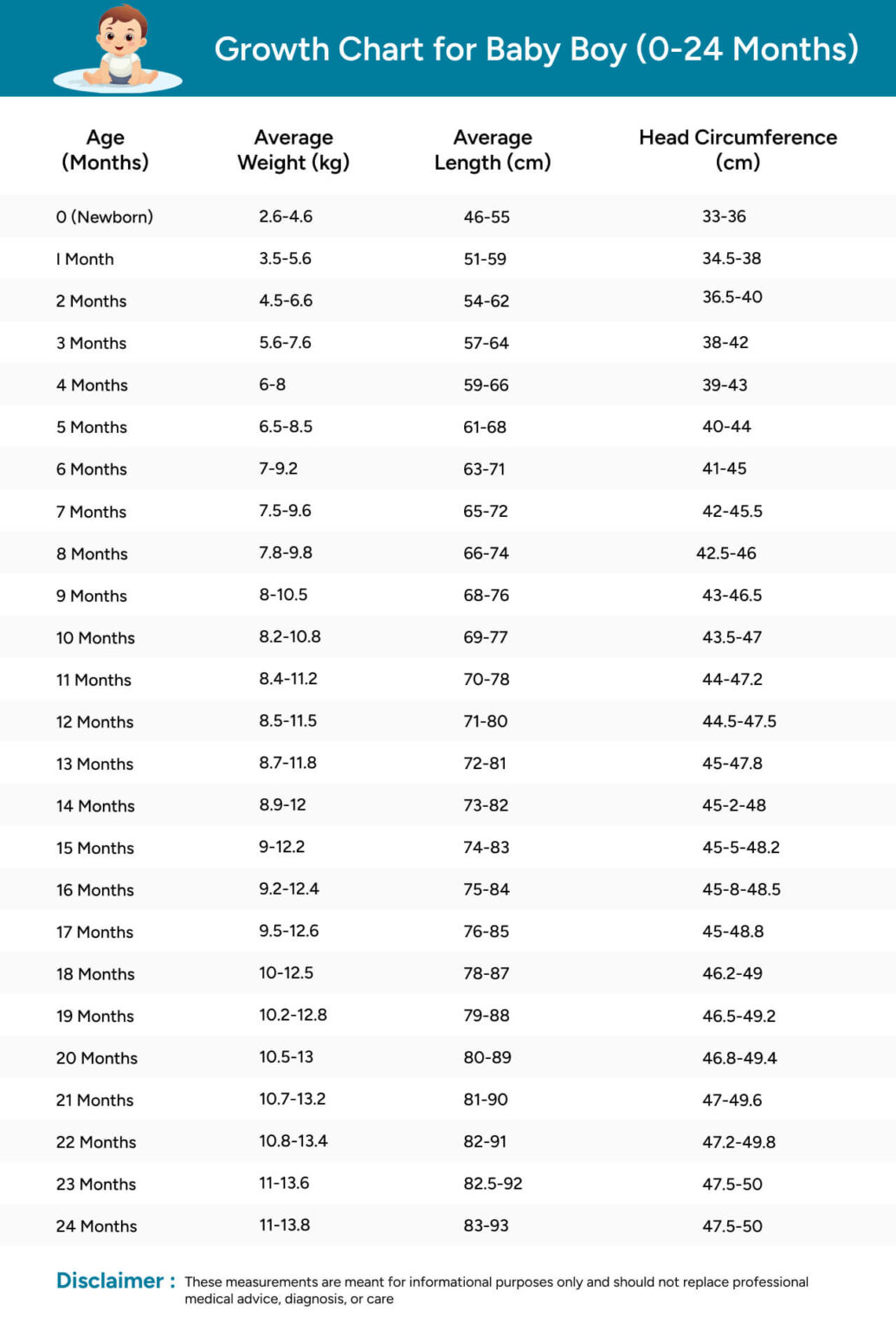
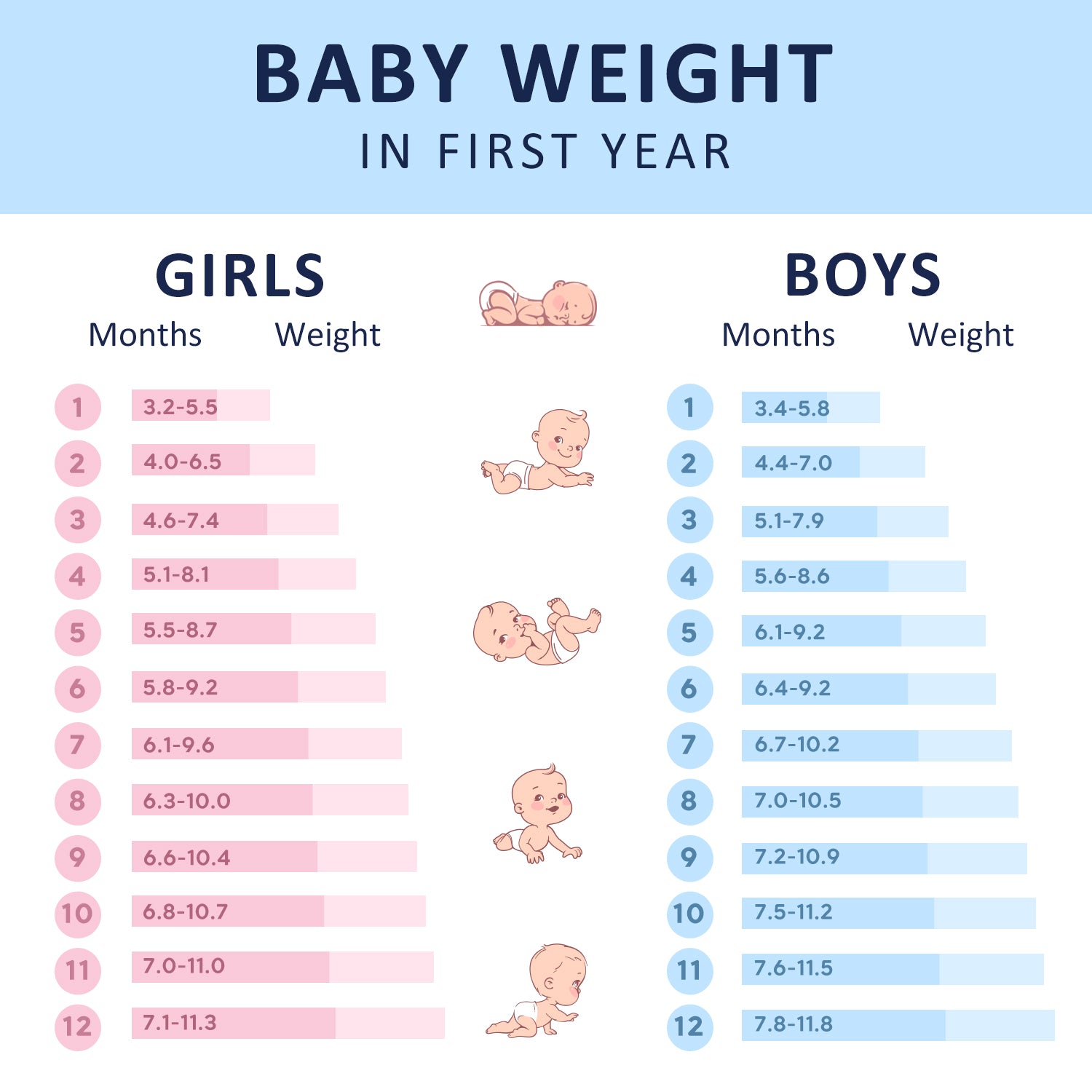
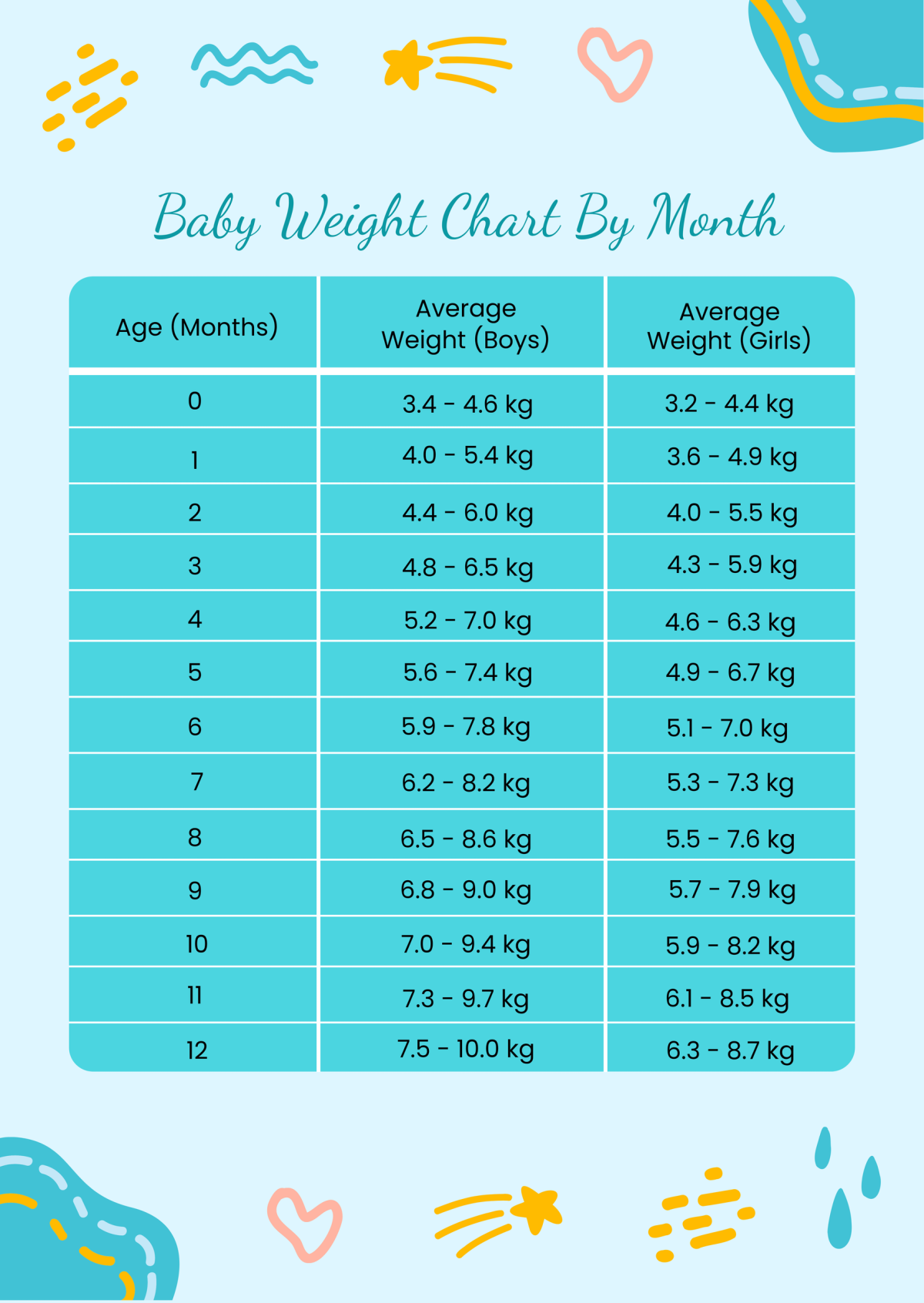
The 10 Month Baby Boy Weight Chart provides a visual representation of average weight ranges for boys at this age. Typically, boys around ten months old weigh between 16 to 24 pounds, but this can vary widely depending on individual growth patterns. This chart allows you to compare your baby’s weight against standard growth benchmarks, helping you identify if they’re underweight, average, or overweight.
Using this chart is straightforward. Simply find your baby’s weight on the chart and see where it falls in relation to the average range. It’s essential to remember that while this chart is a useful guide, each child’s growth is unique. Always consult with your pediatrician if you have concerns about your baby’s weight.
When to Use the 10 Month Baby Boy Weight Chart
You can utilize the 10 Month Baby Boy Weight Chart during regular check-ups and at home to track growth between visits. Here are some practical scenarios for using the chart:
- Routine Check-Ups: Your pediatrician will likely weigh your baby during routine visits. Use this chart to note their weight and see how it compares to previous months.
- Milestone Monitoring: As your baby approaches their first birthday, you might be interested in tracking their growth more closely. This chart can highlight any trends in weight gain or loss.
- Health Concerns: If your baby is experiencing feeding difficulties or health issues, monitoring their weight can provide insights into their nutritional needs.
Keep the chart handy and refer to it regularly to stay engaged with your baby’s growth.
How to Fill Out the 10 Month Baby Boy Weight Chart
Filling out the weight chart is simple. You’ll need a few details before you start:
- Baby’s Current Weight: Weigh your baby using a reliable scale. Make sure to do this in a consistent manner, such as just after a diaper change when your baby is naked.
- Date of Weighing: Record the date when you take the measurement. This helps in tracking growth over time.
- Weight Tracking: Mark your baby’s weight on the chart. You can either highlight it or use a dot to indicate where they fall within the weight range.
By consistently recording this information, you can maintain an ongoing assessment of your baby’s growth.
Presentation and Printing Tips for Your Weight Chart
When printing the 10 Month Baby Boy Weight Chart, consider the following tips to ensure the best quality:
- Paper Type: Use a heavier paper, such as cardstock, for durability. This is especially helpful if you plan to keep it in a baby book or display it.
- Printer Settings: If you’re using a home printer, set it to the highest quality settings for the best results. A portrait layout typically works better for charts.
- Size: Standard letter size (8.5 x 11 inches) is ideal for easy printing and storage. If you need a larger version, check if the chart is available in A3 size.
Once printed, you can laminate the chart to protect it from spills or tears, making it a lasting resource for your family.
Next Steps After Downloading
Now that you have your 10 Month Baby Boy Weight Chart, it’s time to put it to good use. Start by weighing your baby and recording their information on the chart. Regular updates will help you keep track of their growth and identify any potential issues early on.
Using this chart alongside your pediatrician’s advice will give you peace of mind as you navigate the exciting journey of parenthood. Don’t forget to celebrate each milestone—every ounce counts as your little one grows!
10 Month Baby Boy Weight Chart Gallery