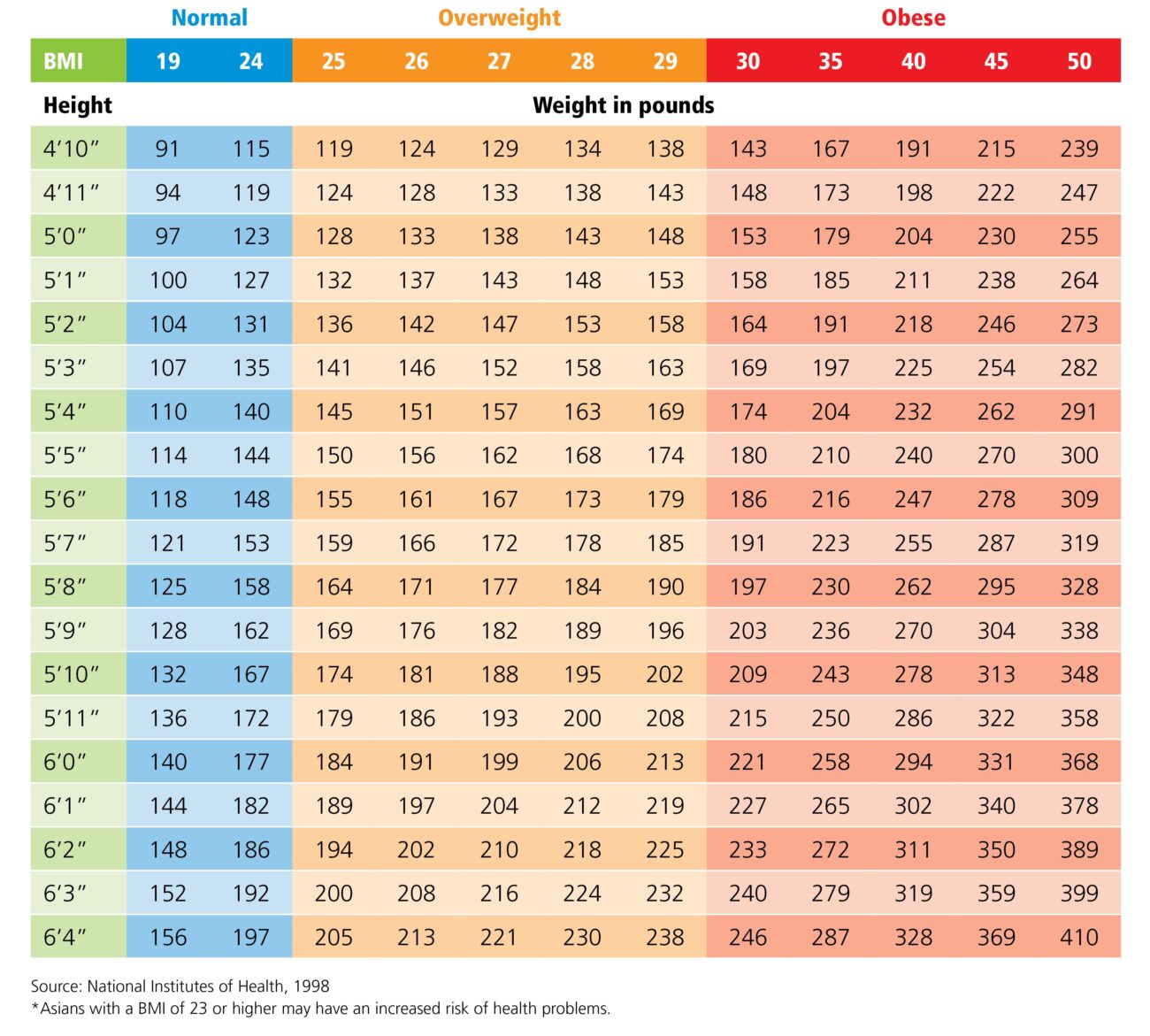
Tracking your weight can be an essential part of maintaining a healthy lifestyle. A Chart For Men’s Weight is an excellent way to visualize your progress, set goals, and stay motivated. If you are starting a new fitness regime or trying to maintain your current weight, having a dedicated chart can simplify the process.
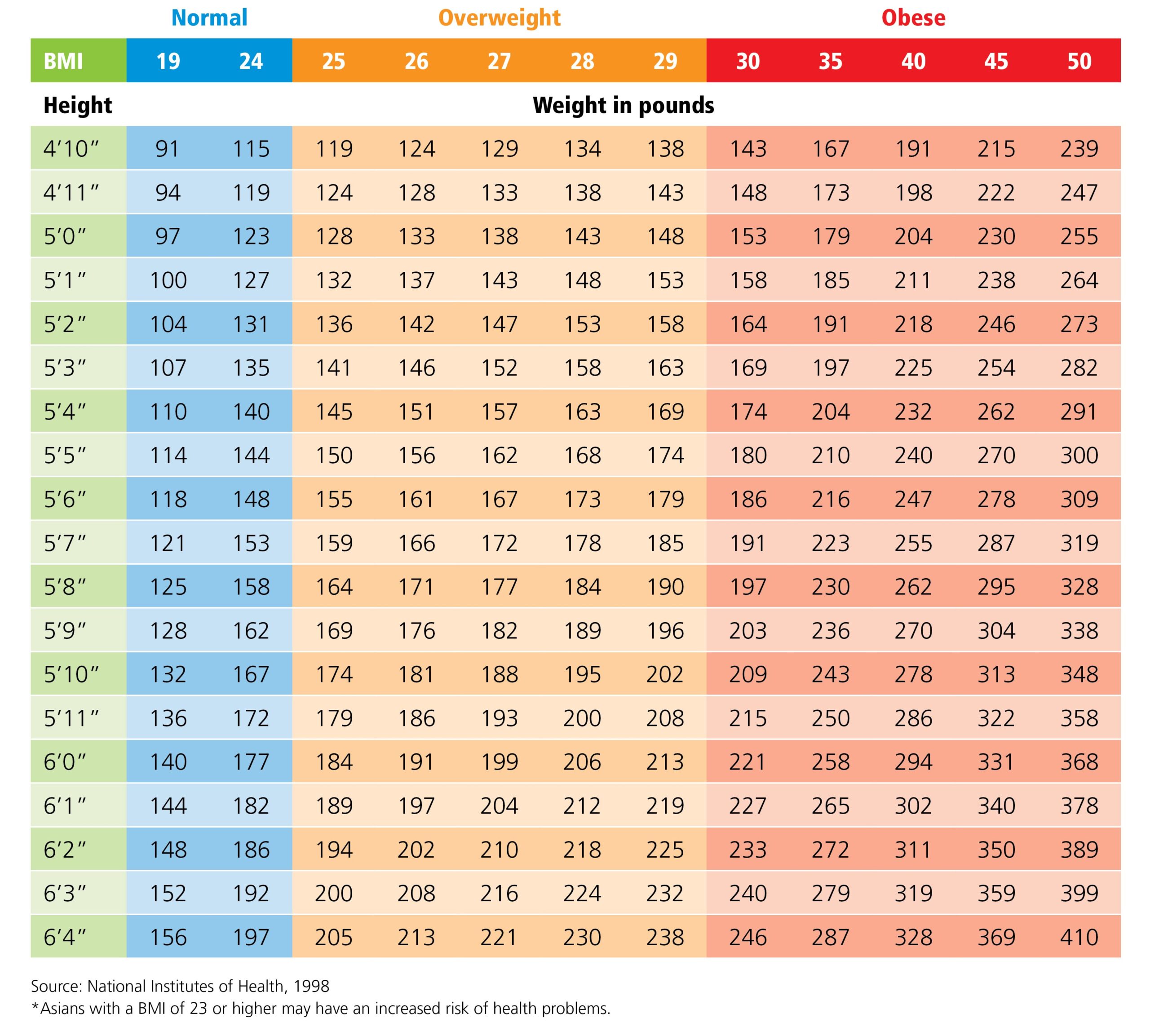
Understanding the Chart For Men’s Weight
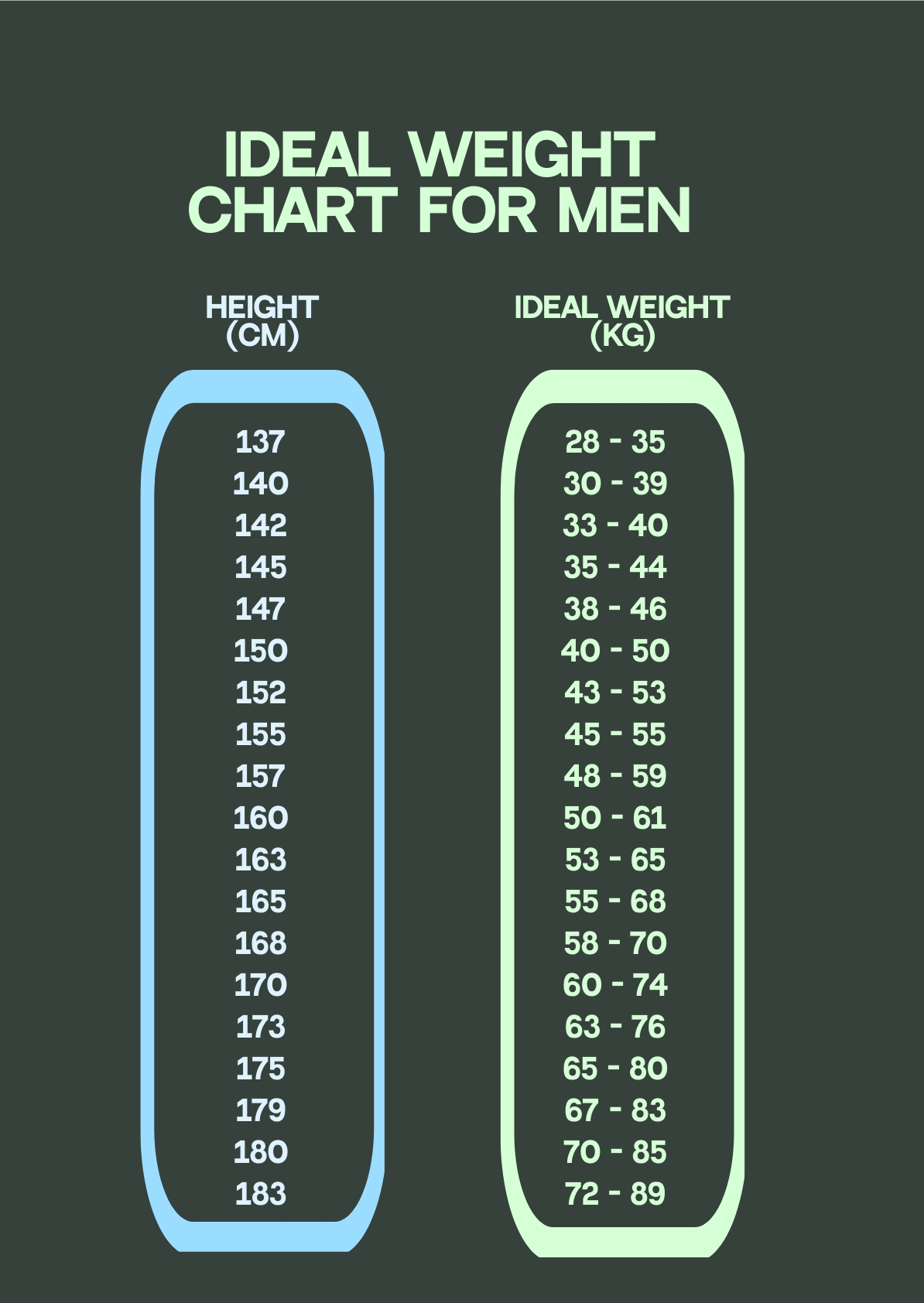
A Chart For Men’s Weight typically includes a grid where you can fill in your weight at regular intervals. The standard approach is to plot your weight on a horizontal axis against time on the vertical axis. This visual representation helps you easily see trends over time, making it easier to identify what works for you.
In a typical chart, weight increments might be set at five-pound intervals, allowing you to focus on smaller, achievable goals. You can also include your target weight, which serves as a motivating benchmark.
How to Use the Chart Effectively
To make the most out of your Chart For Men’s Weight, follow these practical steps:
- Set a Regular Schedule: Weigh yourself at the same time each week, preferably in the morning before breakfast. Consistency is key for accurate tracking.
- Record Your Weight: As you weigh yourself, fill in the chart immediately. This habit keeps the data fresh in your mind and avoids forgotten entries.
- Analyze Trends: At the end of each month, take a moment to review your chart. Look for patterns—are there weeks where you consistently gain or lose weight? These insights can help you adjust your diet or exercise routine accordingly.
- Celebrate Small Wins: Use your chart to mark milestones, like reaching a certain weight or maintaining a loss for a set period. This can boost your motivation and commitment to your goals.
Where to Keep the Chart
Once you’ve downloaded and printed your Chart For Men’s Weight, think about where you’ll keep it. You want it to be visible and accessible. Here are some suggestions:
- On the Fridge: This high-traffic area can serve as a daily reminder of your goals.
- In a Planner: If you use a planner regularly, consider placing it inside for easy reference during your weekly check-ins.
- In a Fitness Journal: If you keep a journal to track your workouts and meals, adding your weight chart can integrate your tracking efforts.
Common Mistakes to Avoid
When using a Chart For Men’s Weight, there are a few pitfalls to be aware of:
- Inconsistent Weigh-Ins: Skipping weeks or weighing at different times can lead to data that’s hard to interpret. Stick to a routine.
- Focusing Solely on Numbers: Remember that weight is just one aspect of health. Consider tracking other metrics like body measurements or how your clothes fit.
- Neglecting the Emotional Side: Weight tracking can sometimes lead to frustration. If you experience a plateau or gain, take a step back and reassess your habits without being too hard on yourself.
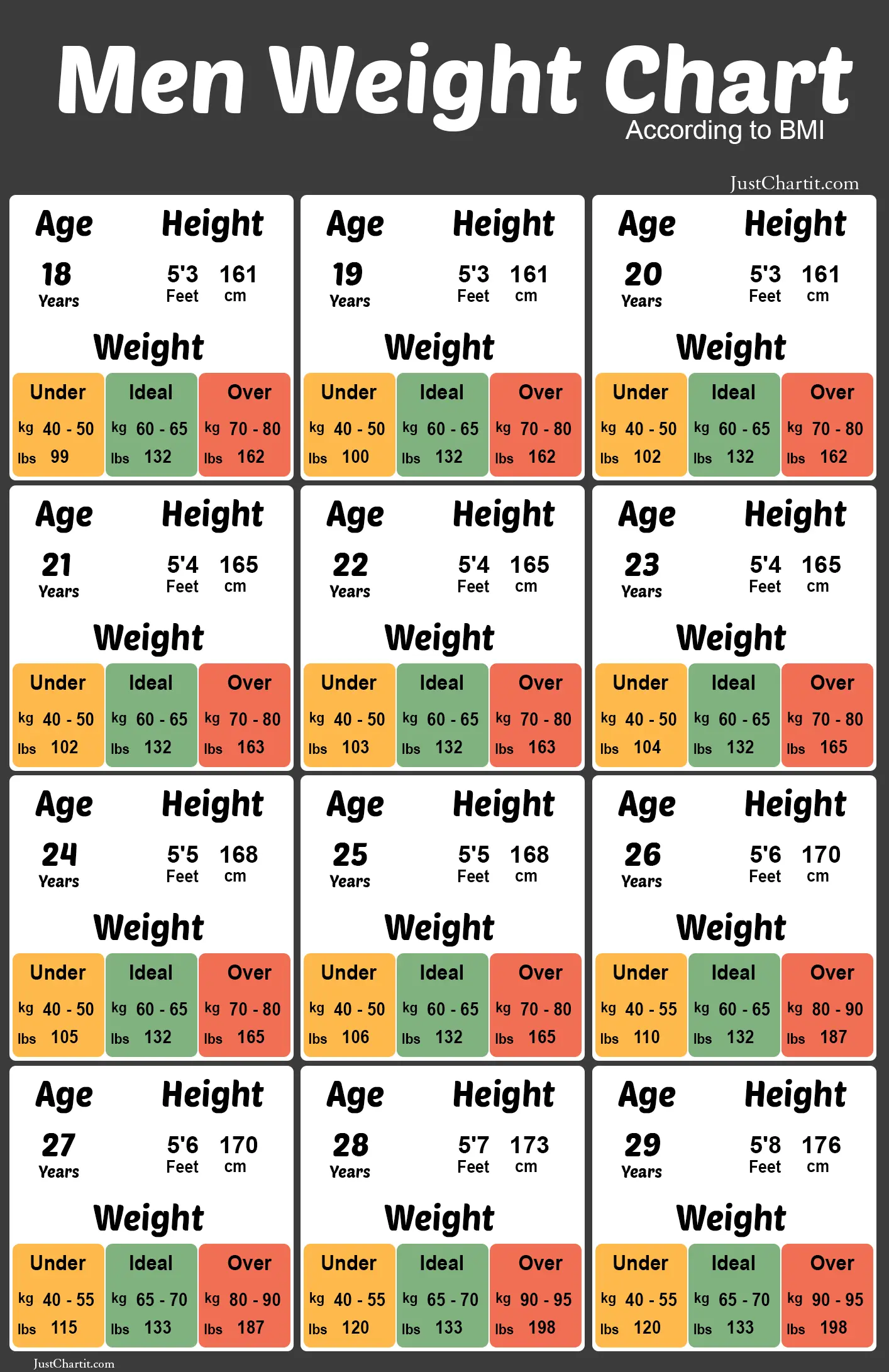
Downloading Your Chart
To get started with your own Chart For Men’s Weight, look for a printable version that suits your style. Many websites offer free downloadable templates that you can print out. Here are some features to consider when selecting a chart:
- Customizable Fields: Some charts allow you to add your own goals or notes, making them more personalized.
- Design: Choose a layout that appeals to you. A visually pleasing chart can make the tracking process more enjoyable.
- Size: Consider the paper size—A4 or letter size is common, but you may prefer something larger to allow for more detailed notes.
By following these steps and utilizing a Chart For Men’s Weight, you can create a structured approach to your weight management journey. It’s more than just numbers; it’s about building healthy habits and staying aligned with your goals.
