Understanding your child’s growth is an essential part of parenting, and the Cdc Height And Weight Growth Charts serve as a reliable resource for doing just that. These charts help you visualize how your child’s height and weight compare to national averages, providing insights into their growth patterns. If you’re looking for a way to monitor your child’s development and ensure they’re on the right track, these charts are perfect for you.
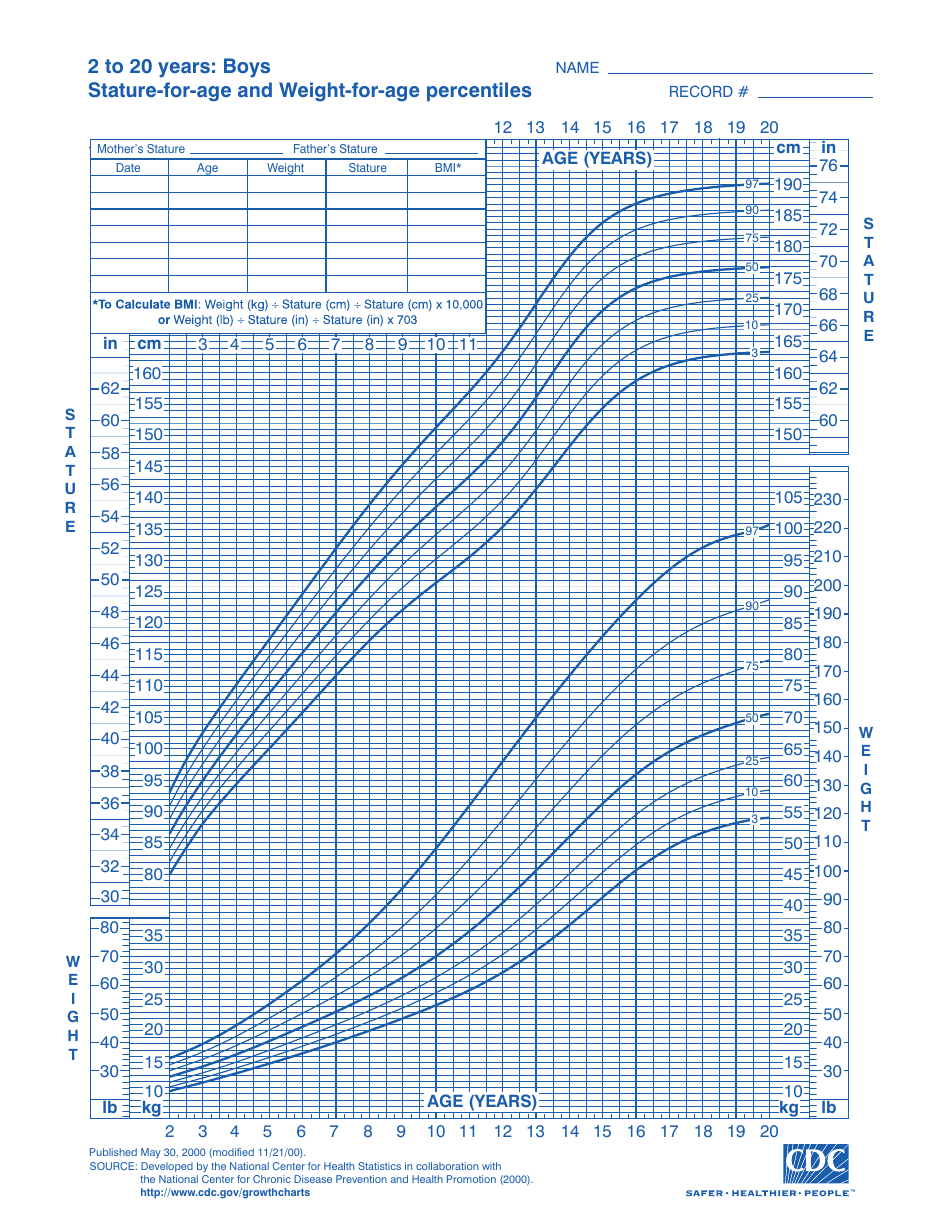
What Are CDC Height and Weight Growth Charts?
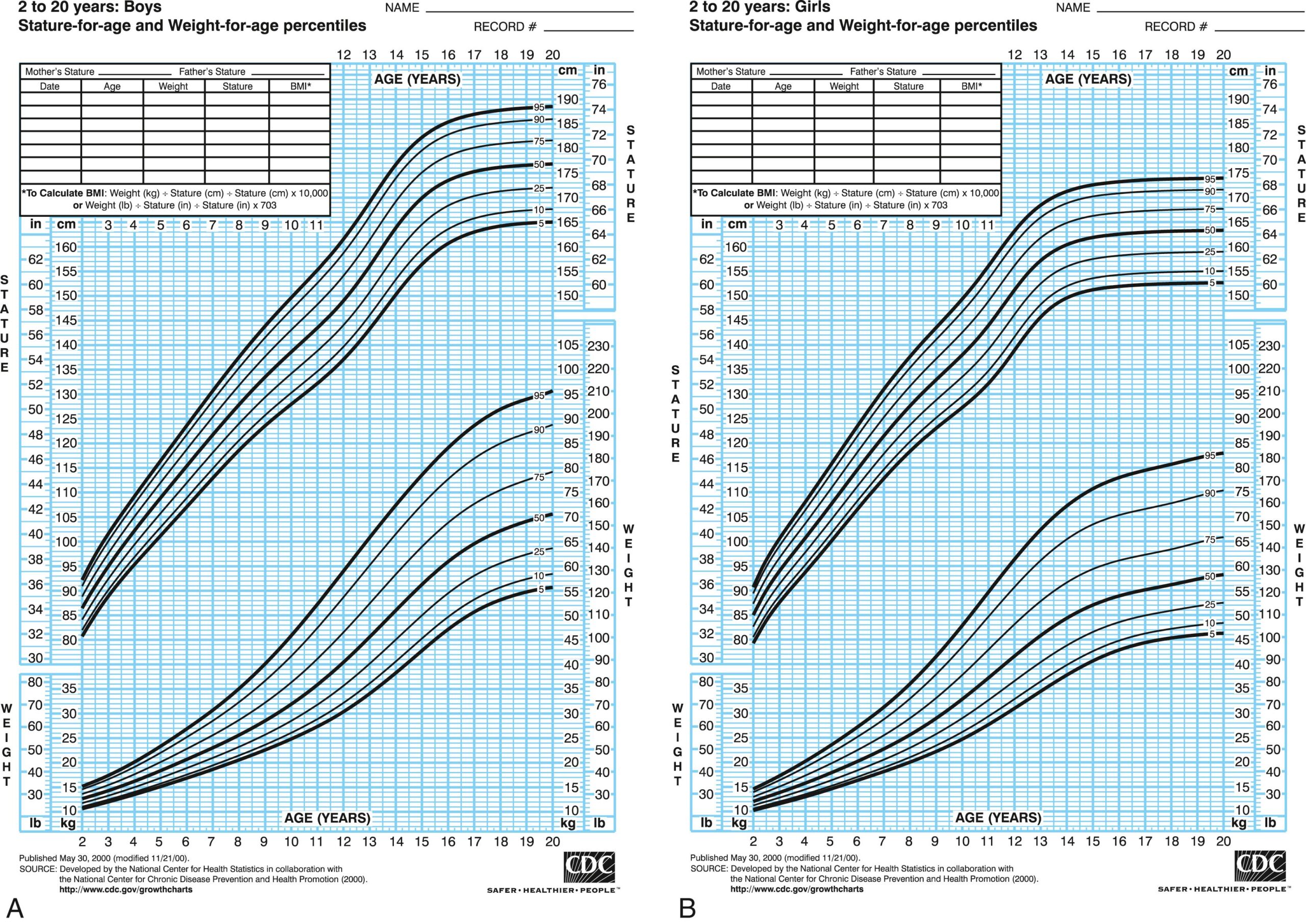
The Centers for Disease Control and Prevention (CDC) have created these growth charts based on extensive data collected from children across the United States. They provide a standardized method for tracking the growth of children aged 2 to 19 years. The charts are divided by age and gender, allowing you to compare your child’s measurements against a reference population.
These charts include percentile curves that indicate how a child’s measurements compare with those of other children. For instance, if your child is in the 50th percentile for height, it means they are taller than 50% of children their age and gender. This visual representation is not only informative but also encourages proactive health management.
How to Use CDC Height and Weight Growth Charts
Using these charts is straightforward, but there are essential steps to ensure accuracy:
- Measure Accurately: Ensure you have the right tools to measure your child’s height and weight. A stadiometer is ideal for height, while a digital scale can provide accurate weight readings.
- Record Measurements: Regularly record your child’s height and weight. It’s best to do this during well-child visits or at home on a consistent schedule.
- Locate the Correct Chart: Choose the appropriate chart based on your child’s age and gender. The CDC provides separate charts for boys and girls, and they vary for different age ranges.
- Plot the Data: Mark your child’s height and weight on the chart. You’ll find curves that represent the percentiles; plot their measurements to see where they fall.
- Interpret the Results: After plotting, you can interpret the results. If your child’s measurements are consistently below the 5th percentile or above the 95th percentile, it may be worth discussing with a healthcare professional.
This process not only helps you keep track of your child’s growth but can also highlight potential health issues that may need attention.
Benefits of Using CDC Height and Weight Growth Charts
The advantages of using these charts go beyond simple tracking. Here are a few key benefits:
- Visual Feedback: The charts provide an immediate visual representation of your child’s growth trajectory, making it easy to spot trends over time.
- Encourages Healthy Habits: By monitoring growth, you can become more aware of your child’s nutritional needs and physical activity levels. It encourages a proactive approach to health.
- Facilitates Conversations with Healthcare Providers: Having concrete data on your child’s growth can help facilitate discussions with pediatricians or nutritionists. It’s a great tool for addressing concerns or questions about your child’s development.
- Customizable Tracking: You can download printable versions of the charts, allowing you to customize them for your needs. This flexibility makes it easy to keep a physical record at home.
Printable Resources for CDC Height and Weight Growth Charts
Finding the right printable resource is essential for your tracking needs. Many websites offer free downloadable versions of the CDC Height and Weight Growth Charts. When selecting a resource, consider the following:
- Format: Look for PDFs that maintain the chart’s integrity when printed. This ensures that the lines and percentiles remain accurate.
- Size: Check the dimensions of the download. Standard paper sizes (like Letter or A4) are ideal for home printers. Portrait orientation typically works best for most printers.
- Accessibility: Choose resources that allow for easy access and downloading. Some sites require email sign-ups, while others offer direct downloads.
- Design: A clean, easy-to-read design helps in quick reference. Charts that are cluttered can make it difficult to interpret data accurately.
By using these printable resources, you can easily integrate the charts into your routine, making growth tracking a seamless part of your parenting journey.
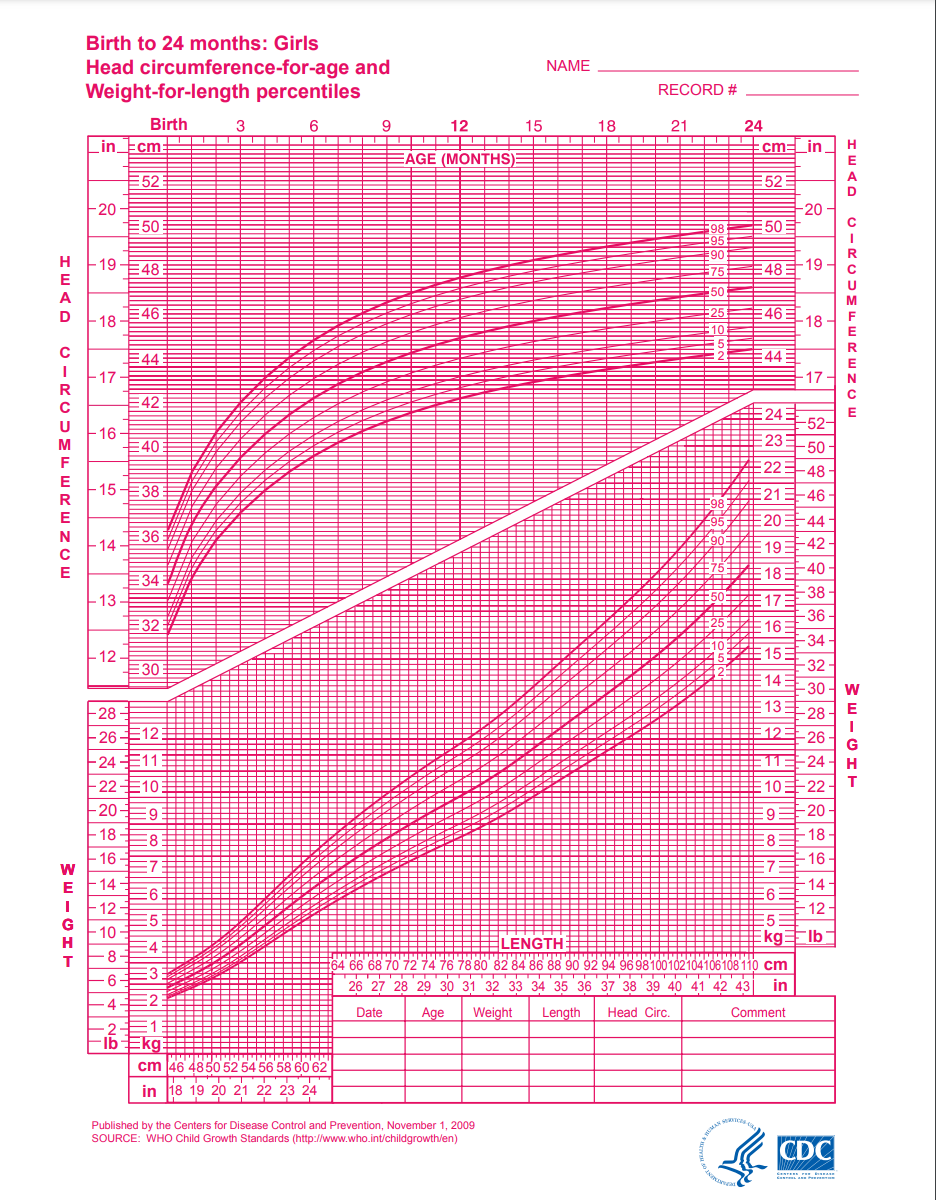
Tracking Growth Over Time
To get the most out of the CDC Height and Weight Growth Charts, it’s beneficial to track your child’s growth consistently over time. Regular check-ins will allow you to see patterns and trends. For instance, some children may have growth spurts, while others may grow steadily.
It’s also valuable to correlate these measurements with other health metrics, like BMI (Body Mass Index) or developmental milestones. This broader perspective can help you ensure that your child is not only growing normally but is also developing healthily.
You might also consider creating a growth journal alongside the charts. This could include notes on your child’s diet, activity levels, and any health concerns that arise. Such a record can be invaluable for healthcare visits, providing context to the numbers.
In summary, the Cdc Height And Weight Growth Charts are more than just numbers; they are a tool for fostering a healthy lifestyle for your child. By understanding how to use these charts effectively, you can play an active role in your child’s health and development. The most useful detail to remember? Consistency in tracking is key to understanding your child’s growth journey.
