Understanding your child’s growth can be a journey filled with both excitement and concern. The Average Height And Weight Chart is a fantastic resource for parents looking to keep track of their child’s development over time. Unlike generic growth charts, this specific version offers a clear, user-friendly layout that helps you understand where your child stands in comparison to age-appropriate averages.
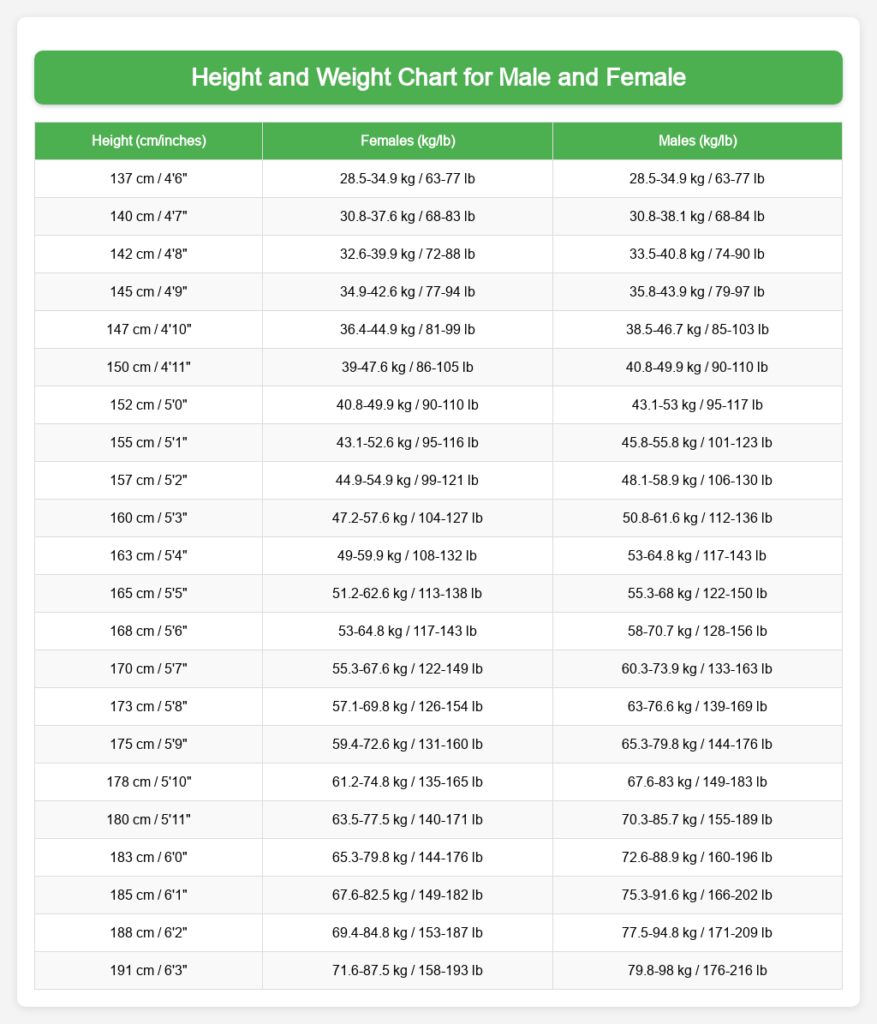
Understanding the Layout of the Chart
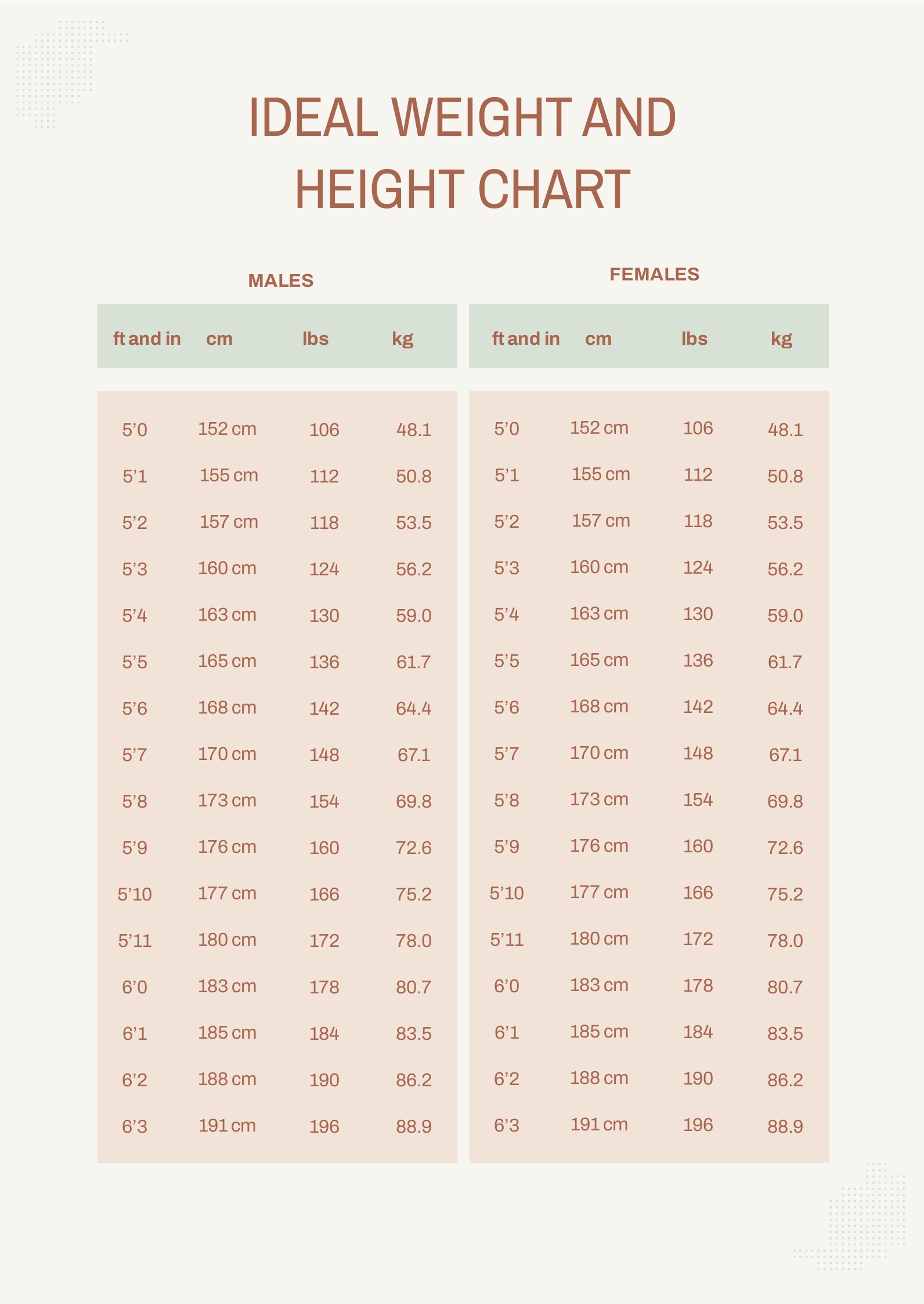
The Average Height And Weight Chart is typically formatted as a grid or table, which makes it easy to read and fill in. You’ll find age on one axis — usually in years — and height and weight on the other. This dual-axis approach allows you to quickly locate the average height and weight for each age group, making it a breeze to compare your child’s measurements against standard benchmarks.
When filling out the chart, you’ll want to enter your child’s height and weight at regular intervals, such as during yearly check-ups. This not only provides a clear visual of their growth trajectory but also helps you notice any trends that may need further attention. For example, if your child is consistently below the average line, it could prompt a conversation with your pediatrician.
How to Use the Chart in Your Routine
To make the most of the Average Height And Weight Chart, integrate it into your routine. You might consider keeping it in a folder with other important health documents. Each time your child visits the doctor, take a moment to measure their height and weight, and update the chart accordingly.
This resource serves as a visual reminder of your child’s growth and can be particularly helpful during school years when height and weight may fluctuate more dramatically. You can also use it as a motivational tool by discussing the importance of healthy eating and physical activity with your child.
Importance of Accurate Measurements
Accurate measurements are crucial when using the Average Height And Weight Chart. Make sure to use a reliable scale for weight and a stadiometer or a wall-mounted measuring tape for height. For the best results, weigh your child in the morning before breakfast, and ensure they are standing straight with their heels, back, and head touching the wall when measuring height.
If you’re unsure about how to take these measurements, consider asking your pediatrician for guidance during your next visit. They can also help you interpret the data and determine if any additional steps are needed based on your child’s growth patterns.
Presentation Quality for Practical Use
When it comes to printing the Average Height And Weight Chart, presentation quality matters. If you plan to laminate the chart for durability, using cardstock is a great choice, as it holds up better than standard printer paper. Portrait layout often works best for home printers, making it easier to write on without smudging.
For parents who want to keep the chart neat, consider using dry-erase markers if laminated. This allows you to easily update measurements without needing to print a new chart each time. Plus, it keeps the chart looking clean and organized.
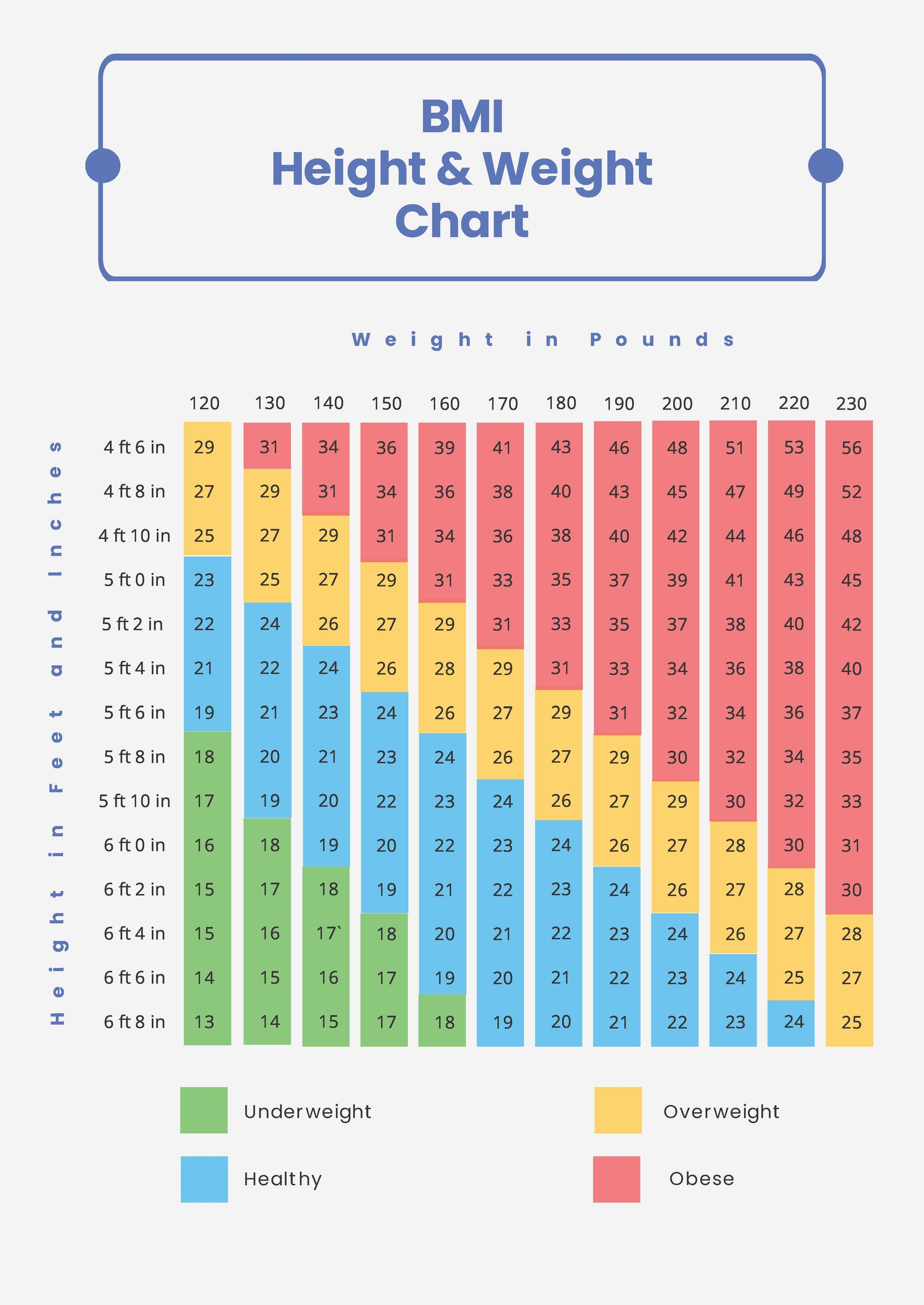
Additional Tips for Using the Chart Effectively
- Regular Updates: Make it a point to update the chart after every doctor’s visit or monthly if your child is younger. Consistency helps in tracking growth more accurately.
- Discuss with Healthcare Providers: Always have discussions with your pediatrician about what the numbers mean in the context of your child’s overall health. They can provide insights based on growth patterns and family history.
- Visual Representation: Consider using a colored pen to highlight any significant changes in growth. This can make patterns more visible at a glance, helping you and your child notice changes together.
- Long-Term Tracking: Keep the chart in a safe place so you can look back on it over the years. It’s a great way to celebrate milestones and can even be a fun keepsake to share with your child when they’re older.
By using the Average Height And Weight Chart effectively, you empower yourself to be proactive about your child’s health and well-being. The most useful detail to remember is that regular updates and consultations with healthcare providers are key to understanding your child’s growth journey.
