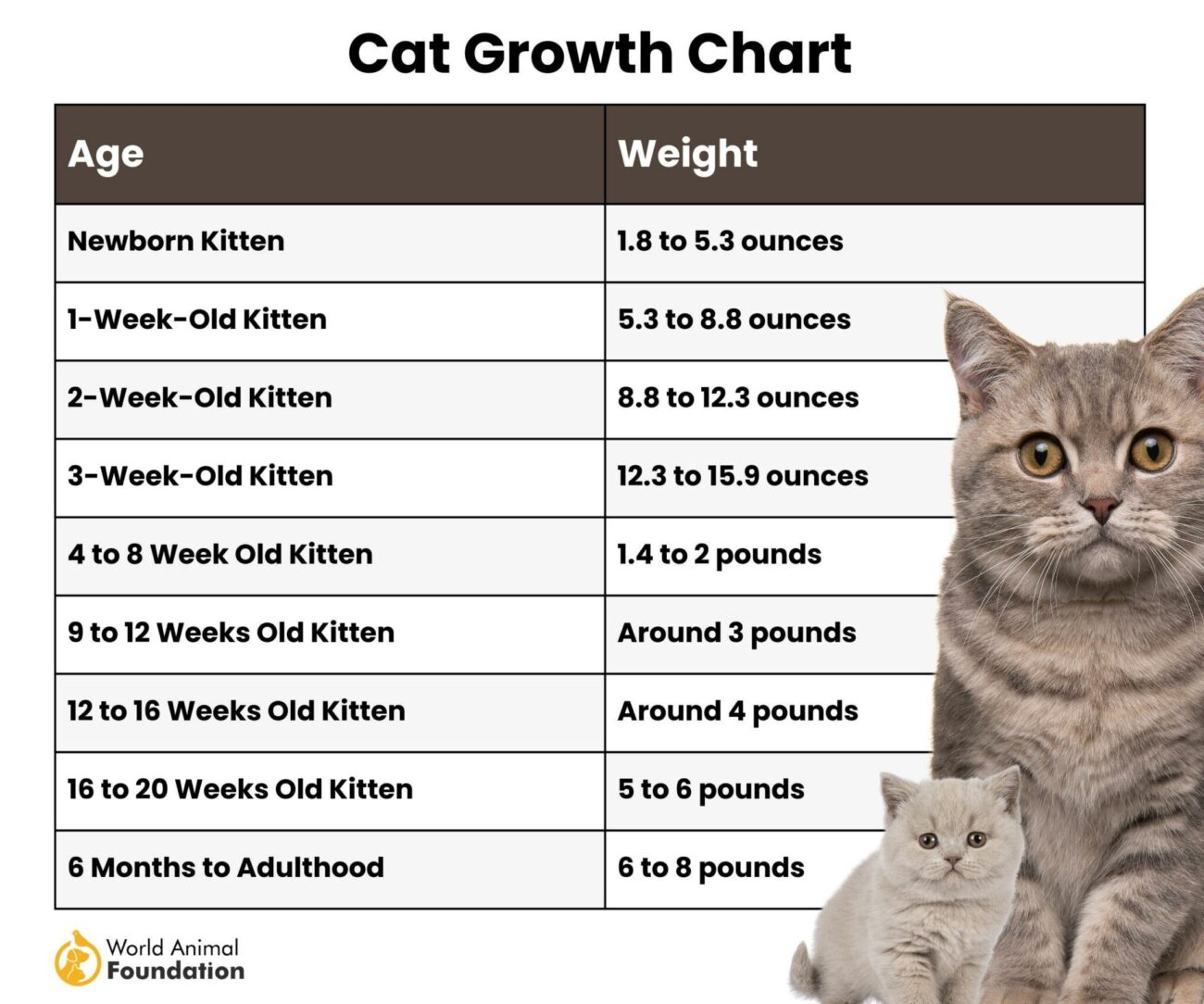
Keeping track of your cat’s weight can be a fun yet essential part of being a responsible pet owner. The Cat Weight Chart By Age Lb is an invaluable tool that helps you monitor your furry friend’s growth and health. Understanding how your cat’s weight should progress as they age can lead to better care decisions and a happier, healthier life for your pet.
Why Tracking Weight Matters
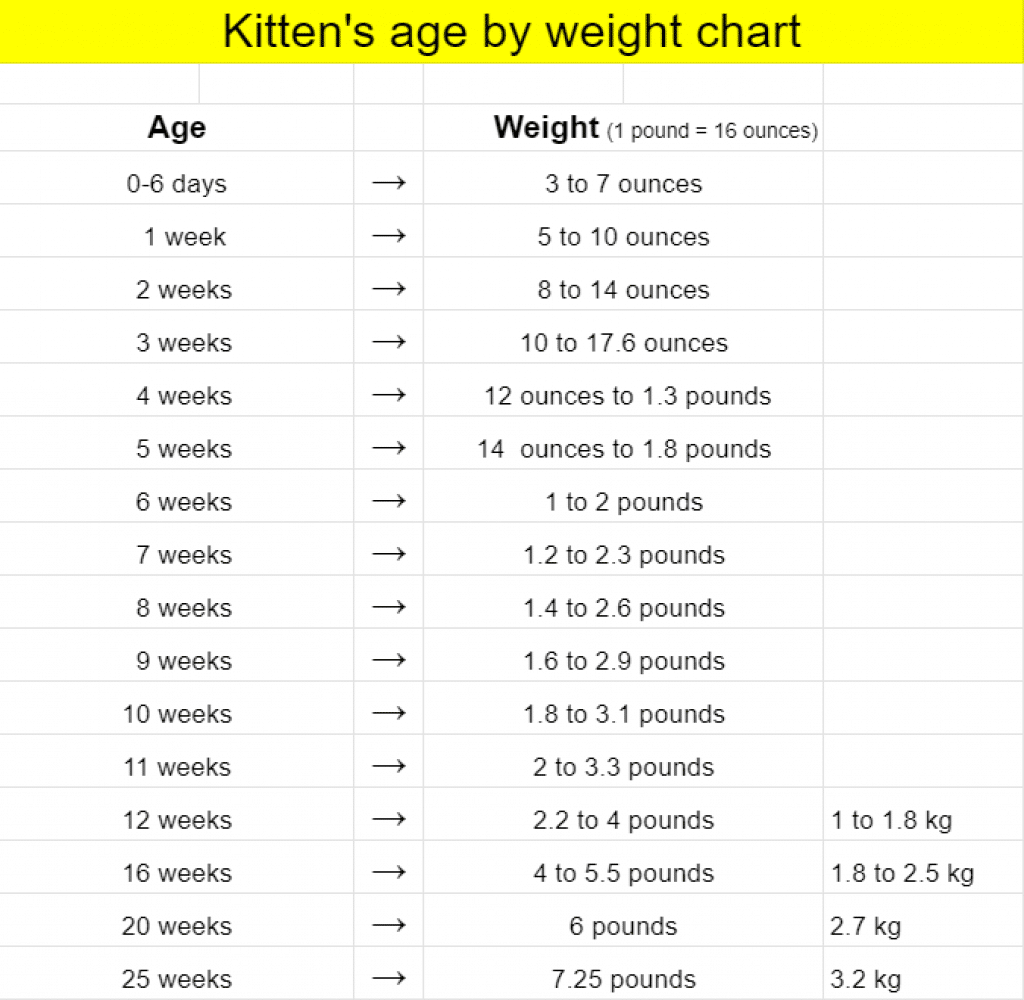
Just like children, cats go through various growth phases, and their weight is a critical indicator of their health during each stage. For instance, a kitten’s weight will significantly differ from that of an adult cat. By using a weight chart, you can quickly determine if your cat is within the healthy weight range for their age.
You might be surprised to learn that obesity is one of the most common health issues in cats. Regularly checking your cat’s weight can help you identify any potential problems before they escalate. A Cat Weight Chart By Age Lb allows you to have a visual reference that makes it easy to spot when your cat’s weight is straying from the norm.
Understanding the Growth Stages
Cats typically go through several distinct growth stages:
- Kitten Stage (0-6 Months): This is the most rapid growth phase. Kittens should gain around 1-2 pounds each month, depending on their breed and genetics. A weight chart will help you see if they are on track.
- Juvenile Stage (6 Months – 1 Year): During this phase, growth starts to slow down. Most cats will reach about 75% of their adult weight by the end of this period. Regularly checking weight during this stage is crucial as they continue to develop.
- Adult Stage (1-7 Years): Once your cat reaches one year, they should stabilize in weight. It’s essential to monitor their weight as they mature to prevent obesity. The Cat Weight Chart By Age Lb can help you understand what a healthy weight looks like for your specific breed.
- Senior Stage (7+ Years): Weight management becomes particularly crucial in this stage. Senior cats may lose weight or gain weight due to various health issues. You’ll want to refer to the chart frequently to ensure they maintain a healthy weight.
How to Use the Cat Weight Chart
Using the Cat Weight Chart is simple. You will need to know your cat’s age and breed. Here’s how you can effectively utilize this resource:
- Print the Chart: You can easily print the Cat Weight Chart to keep it handy. A printed version can be a quick reference as you weigh your cat.
- Regular Weigh-Ins: Weigh your cat regularly—ideally every month. This will help you track their growth accurately.
- Record the Data: Keep a log of your cat’s weight alongside their age. This way, you can spot trends and identify if your cat is gaining or losing weight unexpectedly.
- Consult Your Vet: If you notice your cat’s weight is outside the healthy range according to the chart, consult your veterinarian. They can provide tailored advice on diet and exercise based on your cat’s specific needs.
Tips for Weighing Your Cat
Weighing a cat can be a challenge! Here are some tips to make the process easier:
- Use a Pet Scale: If you have one, a pet scale is the best option. They are designed to accommodate the size and comfort of your cat.
- Home Scale Method: If you don’t have a pet scale, you can weigh yourself first, then weigh yourself holding your cat. Subtract your weight from the total to get your cat’s weight.
- Calm Environment: Ensure the area is calm and quiet. Cats can sense stress, so a relaxed environment will help them feel comfortable.
- Frequent Weighs: Try to weigh your cat at the same time each week or month. This consistency will provide more accurate data.
Common Cat Weight Ranges
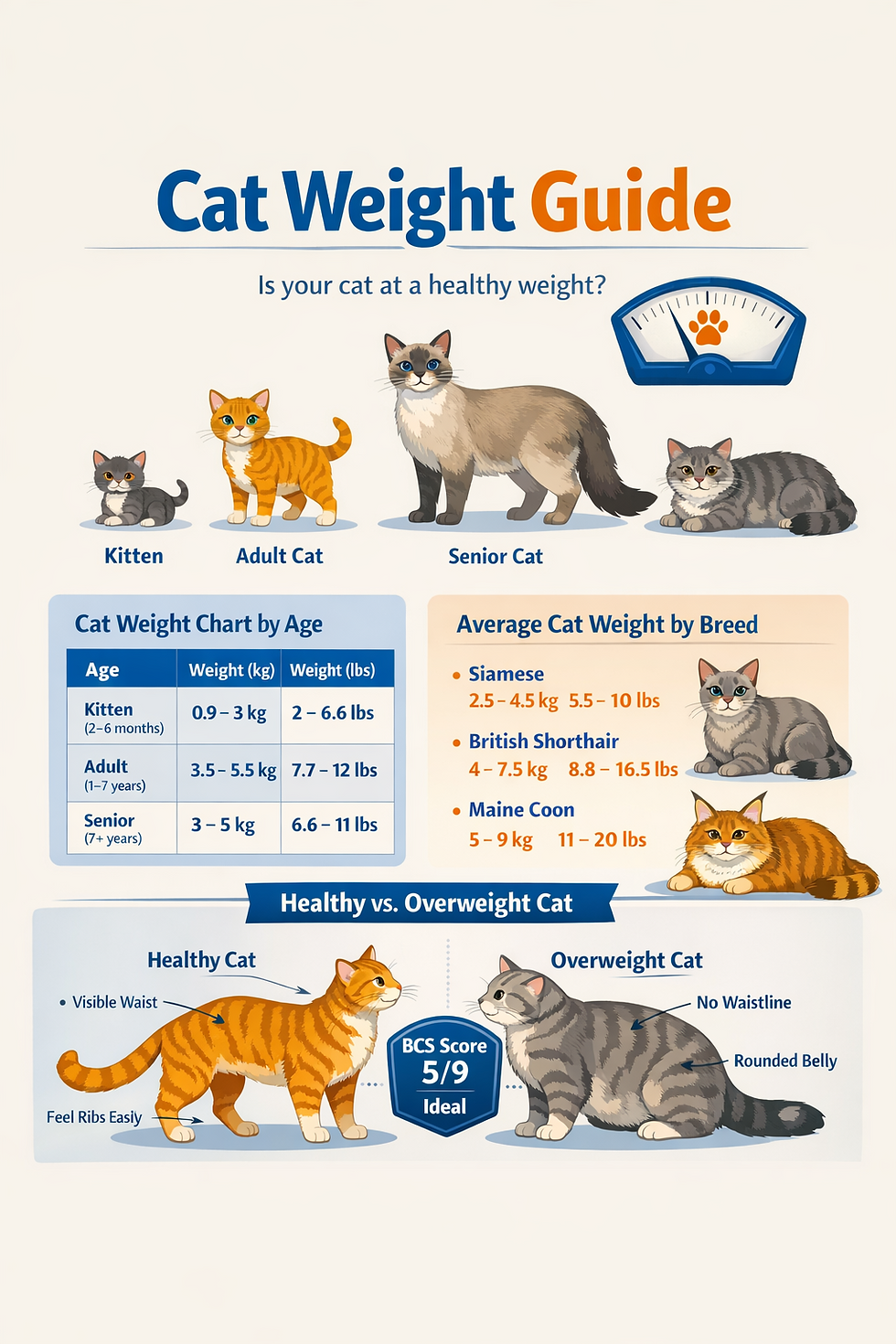
Here’s a quick overview of the average weight ranges for cats, depending on their age and breed:
- Kittens (0-6 Months): Typically between 1-5 lbs.
- Adult Cats (1-7 Years): Ranges from 8-12 lbs for most domestic breeds.
- Senior Cats (7+ Years): Weight can vary, but it’s crucial to maintain the same range as when they were adults unless advised otherwise by a vet.
Remember, some breeds like Maine Coons or Siamese may have different weight expectations, so always refer to breed-specific guidelines where possible.
