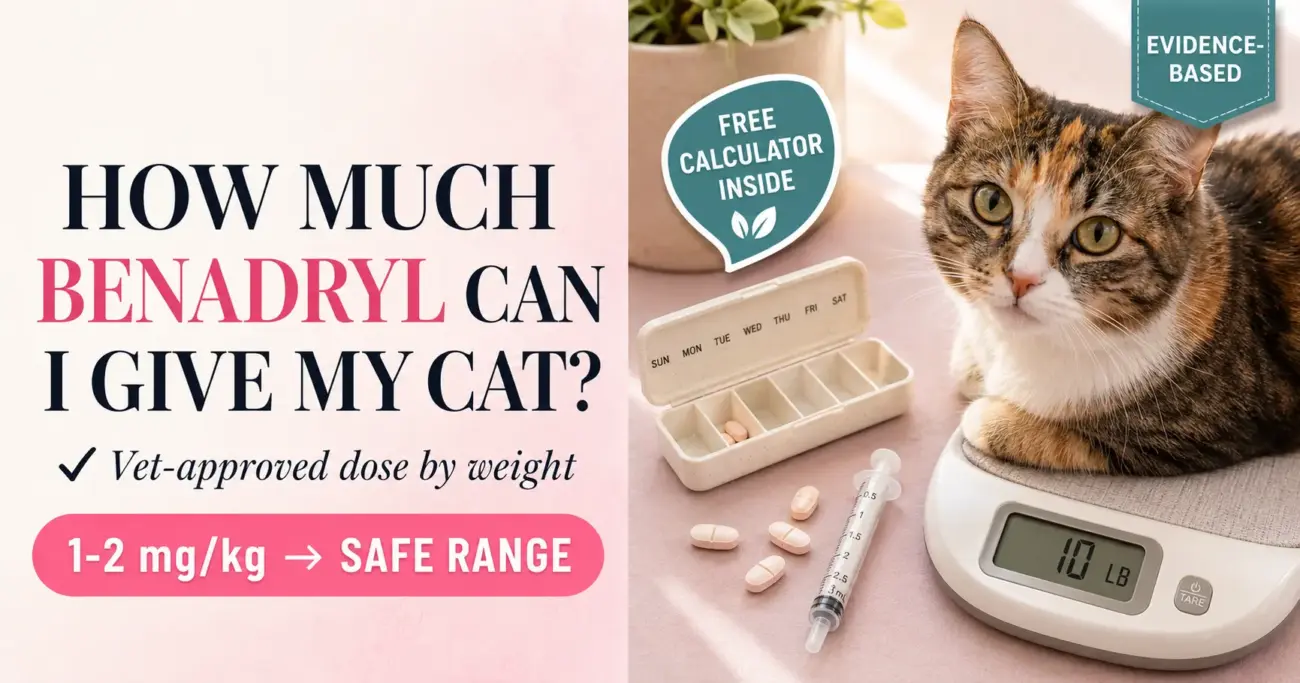
When it comes to caring for our furry companions, knowing the right medication dosage is crucial, especially when it involves something like Benadryl. If you’re searching for a reliable Benadryl dosage for cats by weight chart, you’re in the right place. This guide will help you understand how to use this resource effectively, ensuring your cat’s health and safety when administering this antihistamine.
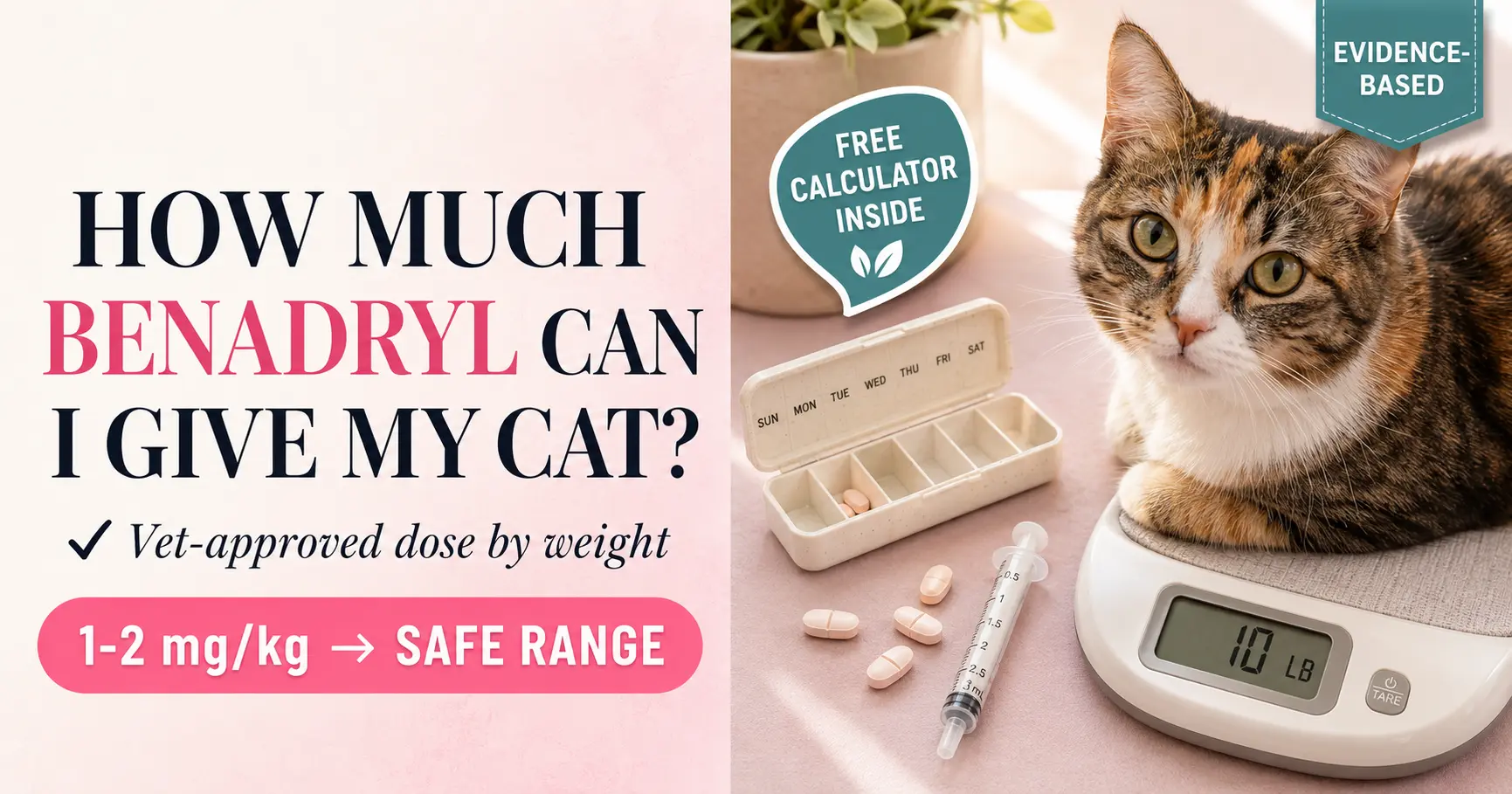
Understanding Benadryl for Cats
Benadryl, or diphenhydramine, is an antihistamine commonly used to alleviate allergy symptoms in both humans and pets. For cats, it’s often prescribed to treat issues such as allergies, motion sickness, and even some types of anxiety. However, it’s essential to use this medication responsibly, particularly because cats metabolize drugs differently than humans.
Why Use a Weight Chart?
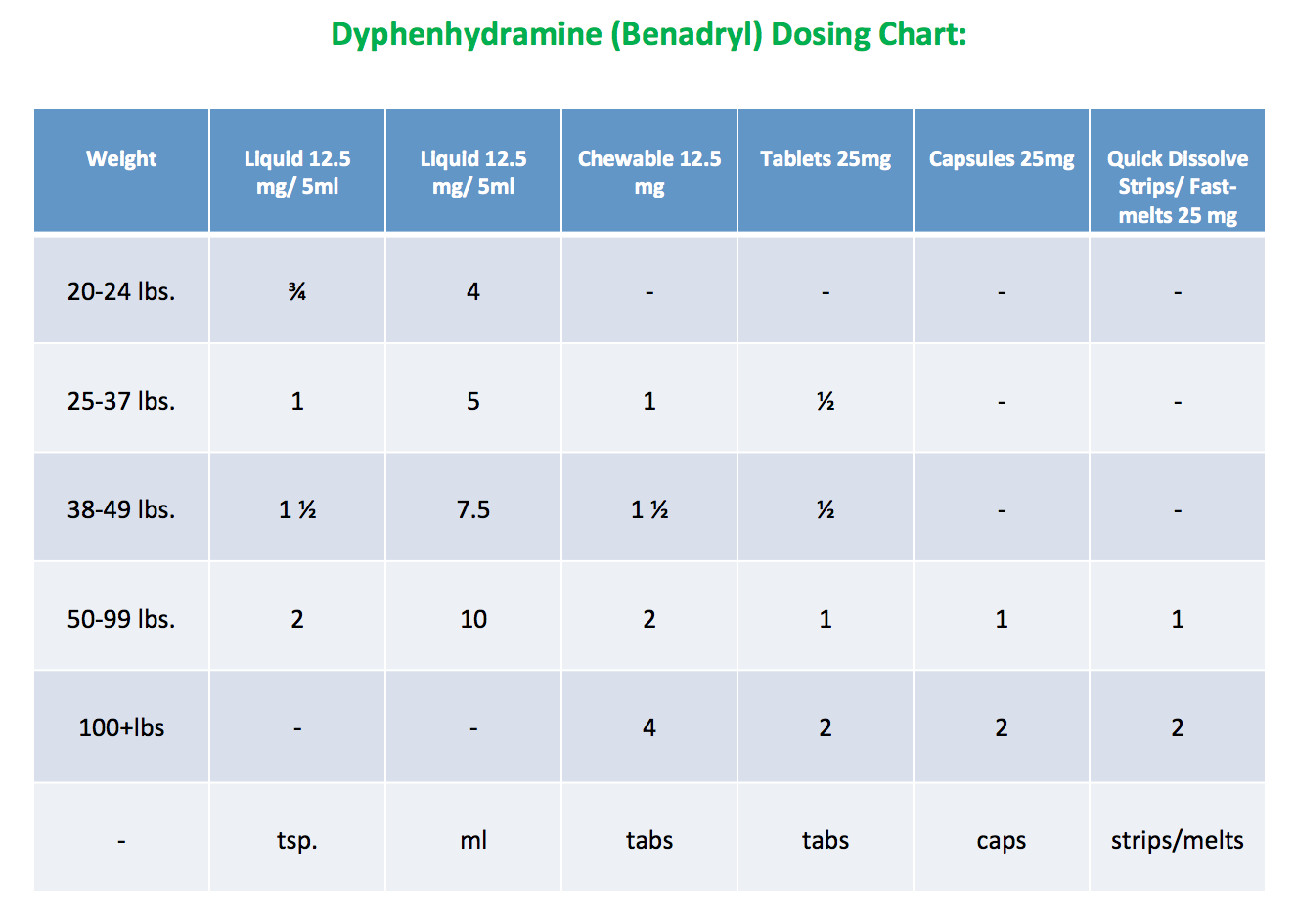
The Benadryl dosage for cats is highly dependent on their weight. Using a weight chart ensures that you give the correct amount, minimizing the risk of overdose or insufficient dosage. It’s always best to consult with your veterinarian before starting any medication, but having this chart handy can help you understand your cat’s specific needs.
How to Use the Benadryl Dosage For Cats By Weight Chart
When you download the Benadryl dosage chart, you’ll notice it typically lists various cat weights alongside their corresponding dosages. Here’s how to make the most of this resource:
- Find Your Cat’s Weight: First, weigh your cat accurately. A digital scale works best, especially for smaller pets. If your cat is squirmy, you might want to weigh yourself first, then weigh yourself holding your cat to get a precise measurement.
- Locate the Dosage: Once you have your cat’s weight, refer to the chart. The typical dose for cats is about 1 mg of Benadryl per pound of body weight. For example, if your cat weighs 10 pounds, you would administer approximately 10 mg of Benadryl.
- Administration Method: Benadryl usually comes in capsule or liquid form. If you have capsules, you can open them and mix the powder with a small amount of food or a treat. The liquid form can be given directly using a syringe if your cat doesn’t readily accept it.
Important Considerations
- Consult a Veterinarian: Before giving Benadryl, it’s critical to consult your veterinarian, especially if your cat has existing health issues or is on other medications.
- Watch for Side Effects: Common side effects include drowsiness, dry mouth, and, in some cases, a mild upset stomach. If you notice any severe reactions, contact your vet immediately.
- Limitations: Benadryl is not suitable for all cats. Kittens, pregnant or nursing cats, and those with certain medical conditions may require alternative treatments.
Signs of Allergies in Cats
Recognizing when your cat might need Benadryl can be tricky. Here are some common signs of allergies:
- Excessive scratching or grooming
- Skin irritations or rashes
- Sneezing or coughing
- Swollen face or ears
- Watery eyes
If you observe these symptoms, it might be time to consider Benadryl, but always do so under veterinary guidance.
When Not to Use Benadryl
While Benadryl can be helpful, there are situations where it should not be used:
- Existing Health Conditions: If your cat has liver or kidney issues, Benadryl may not be safe.
- Other Medications: Some medications can interact negatively with Benadryl. Always inform your vet about any other treatments your cat is currently receiving.
- Age Restrictions: Kittens, particularly those under 6 months, may not tolerate Benadryl well.
Printable Resource for Easy Reference
Having a printable version of the Benadryl dosage for cats by weight chart can be a lifesaver. You can keep it on your refrigerator or in your pet care file for quick access. When printing, consider using cardstock for durability, especially if it will be in a high-traffic area like your kitchen.
How to Print
- Paper Size: Use standard letter size (8.5” x 11”) for easy printing.
- Orientation: Landscape orientation often works better for charts, ensuring that all information fits neatly.
- Quality Settings: Set your printer to high quality for clear text and graphics, which is particularly useful if you’re using it in a dimly lit area.
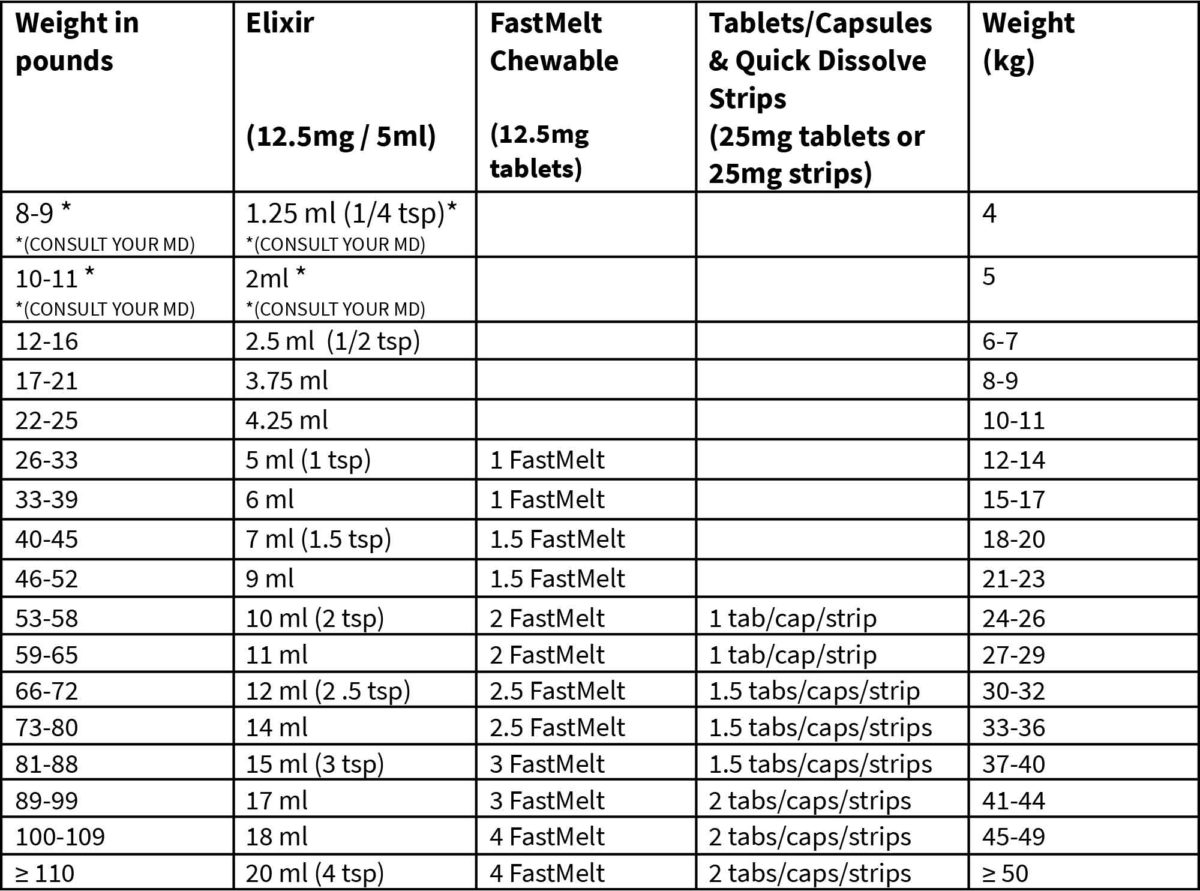
Checking Your Cat’s Progress
After administering Benadryl, it’s important to monitor how your cat responds. Check for relief from allergy symptoms or any side effects. Keep a simple log of the dosage and any changes in behavior or health. This can be incredibly helpful for your vet during follow-up visits.
The most crucial detail when using the Benadryl dosage for cats by weight chart is to ensure you have an accurate weight measurement of your cat for safe and effective treatment.
