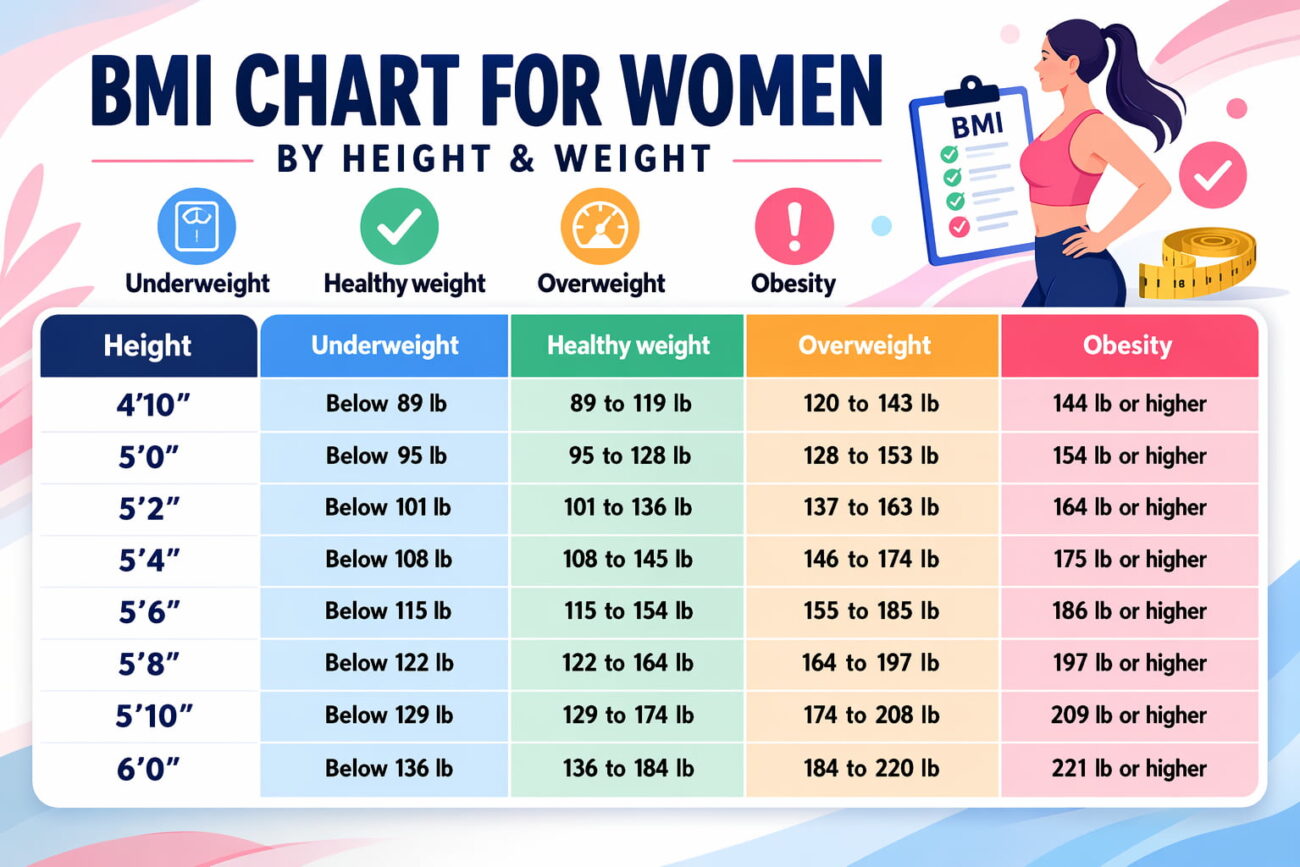
Understanding your body weight in relation to your height can sometimes feel like a daunting task. As a parent, I know how important it is to keep track of health metrics, not just for ourselves, but for our children too. That’s where the BMI Weight Chart for Women comes into play. This chart helps in understanding the healthy weight range for women based on their height, making it easier to track and manage weight effectively.
What is the BMI Weight Chart for Women?
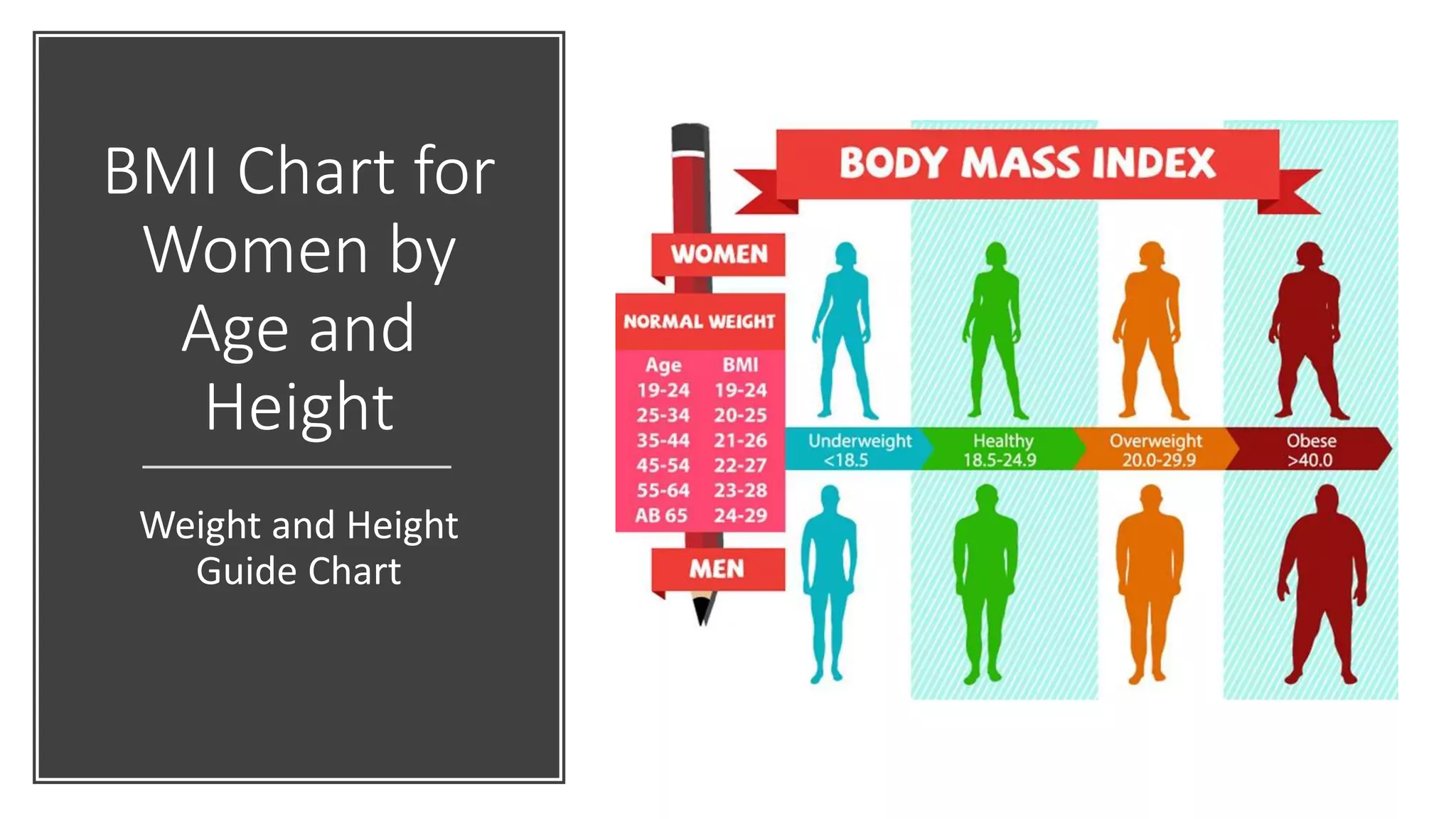
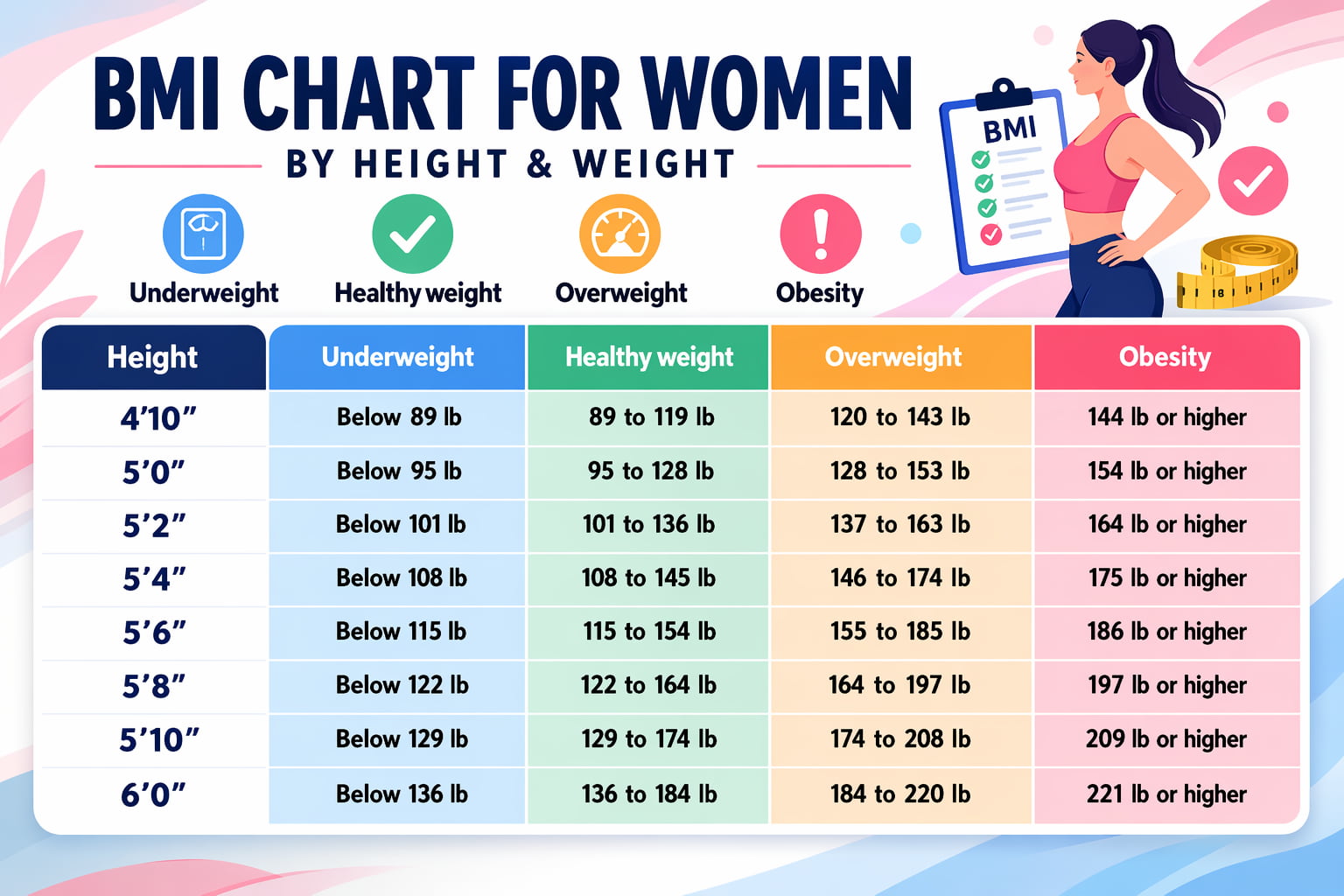
The Body Mass Index (BMI) Weight Chart for Women is a visual representation that helps you understand body weight categories based on height. It categorizes weight into underweight, normal weight, overweight, and obesity. This chart is an essential tool for anyone looking to monitor their weight and assess their health risks.
The BMI is calculated using the formula: weight (kg) / (height (m))². By finding your height on the BMI chart, you can easily see the corresponding weight ranges that fall into each category. This chart is particularly useful for women as it offers a tailored approach to weight management.
How to Use the BMI Weight Chart
Using the BMI Weight Chart is straightforward. Here’s a step-by-step guide to help you get started:
- Download the Chart: Look for a printable version of the BMI Weight Chart for Women. This will make it easy to reference regularly. Ensure you have the correct version that suits your needs and preferences.
- Measure Your Height: Stand straight against a wall and measure your height in centimeters or inches. Make sure you are barefoot for an accurate reading.
- Find Your Height on the Chart: Locate your height on the left side of the BMI chart. This will help you identify the weight categories that correspond to your height.
- Record Your Weight: Weigh yourself using a reliable scale. It’s best to do this at the same time each day for consistency, ideally in the morning after waking up.
- Match Your Weight to the Chart: Find your weight on the chart and see which category it falls into. This will help you understand if you are in the underweight, normal, overweight, or obesity range.
- Set Goals: Based on the results, you may want to set health or weight goals. If you find yourself in the overweight or obesity category, consider consulting a healthcare provider for advice on a suitable diet and exercise plan.
Common Mistakes to Avoid
While using the BMI Weight Chart can be straightforward, there are common pitfalls that can lead to misinterpretation:
- Not Measuring Correctly: Ensure your height and weight measurements are accurate. A slight error can lead to incorrect BMI calculations.
- Ignoring Other Health Metrics: BMI is just one piece of the puzzle. Don’t forget to consider other factors like muscle mass, body composition, and overall health.
- Relying Solely on the Chart: The BMI chart does not account for individual variations such as muscle vs. fat, age, or ethnicity. Use it as a guideline, not a definitive measure of your health.
Where to Place the BMI Weight Chart
Once you’ve downloaded and printed your BMI Weight Chart for Women, think about where it will be most effective in your daily routine. Here are some ideas:
- On the Fridge: This is a high-traffic area where you can easily reference the chart when planning meals or snacks.
- In Your Planner: If you keep a fitness or health planner, include the chart as a quick reference point to track your progress.
- In Your Exercise Area: If you have a home gym or workout space, place the chart there to remind you of your health goals during workouts.
Having the chart visible will help you stay focused on your weight management journey.
Tracking Progress Over Time
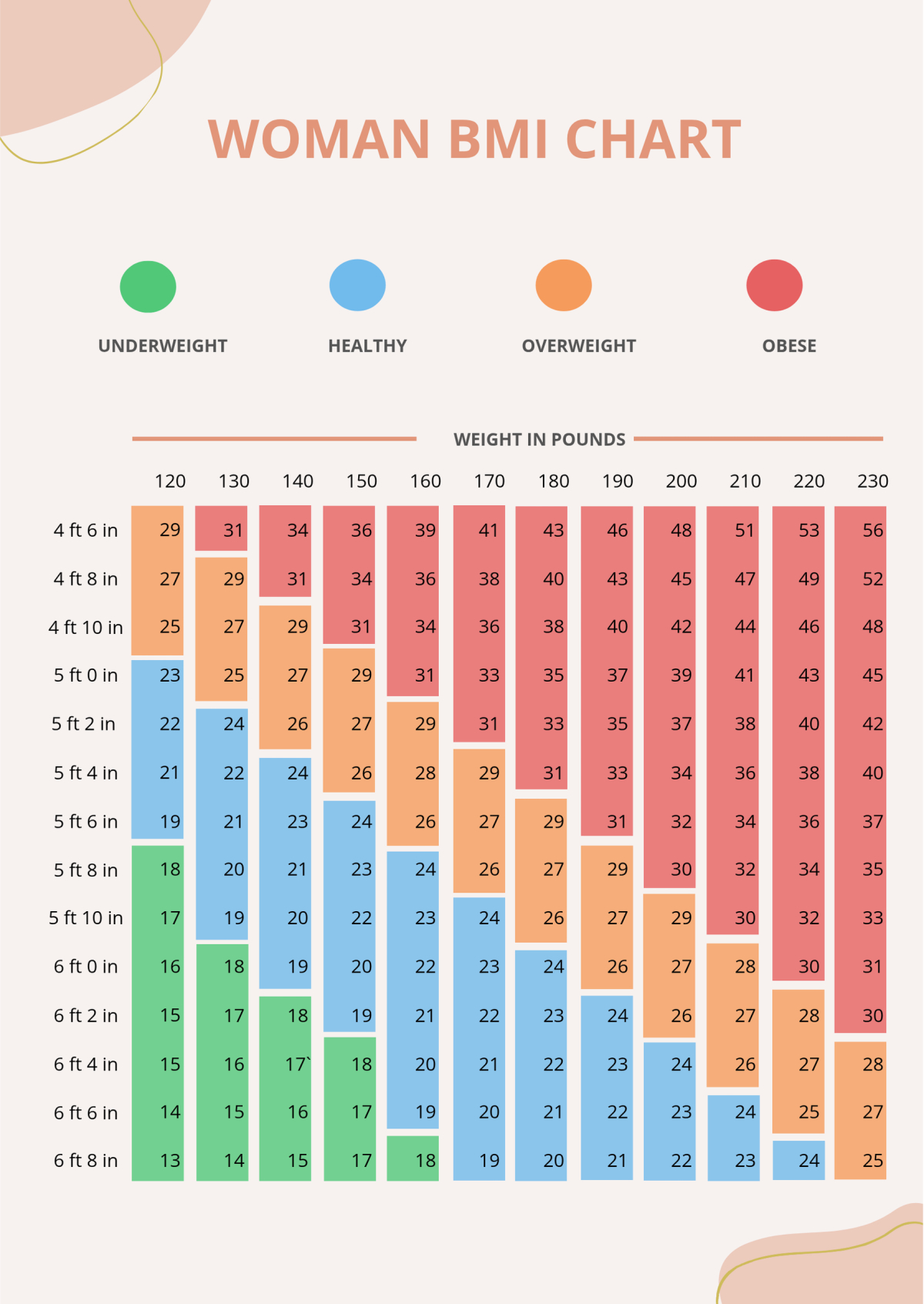
Tracking your progress using the BMI Weight Chart can be incredibly motivating. Here’s how to do it effectively:
- Weekly Weigh-Ins: Choose a consistent day each week to weigh yourself. This helps you monitor changes without becoming obsessed with daily fluctuations.
- Record Your Measurements: Keep a log of your height, weight, and date. Seeing your progress over time can be encouraging, especially when you achieve your goals.
- Adjust Goals as Needed: If you find that you consistently fall into a certain weight range, reassess your goals. Perhaps you want to maintain your weight or aim for a lower range.
- Celebrate Small Wins: Don’t forget to celebrate the small milestones along the way. Whether it’s a pound lost or fitting into a favorite pair of jeans, acknowledging these wins can keep you motivated.
By keeping a close eye on your BMI and tracking your weight, you encourage not only your own health but also set a positive example for your children.
So, grab that BMI Weight Chart for Women and start your journey to better health today. Remember, small steps lead to big changes!
