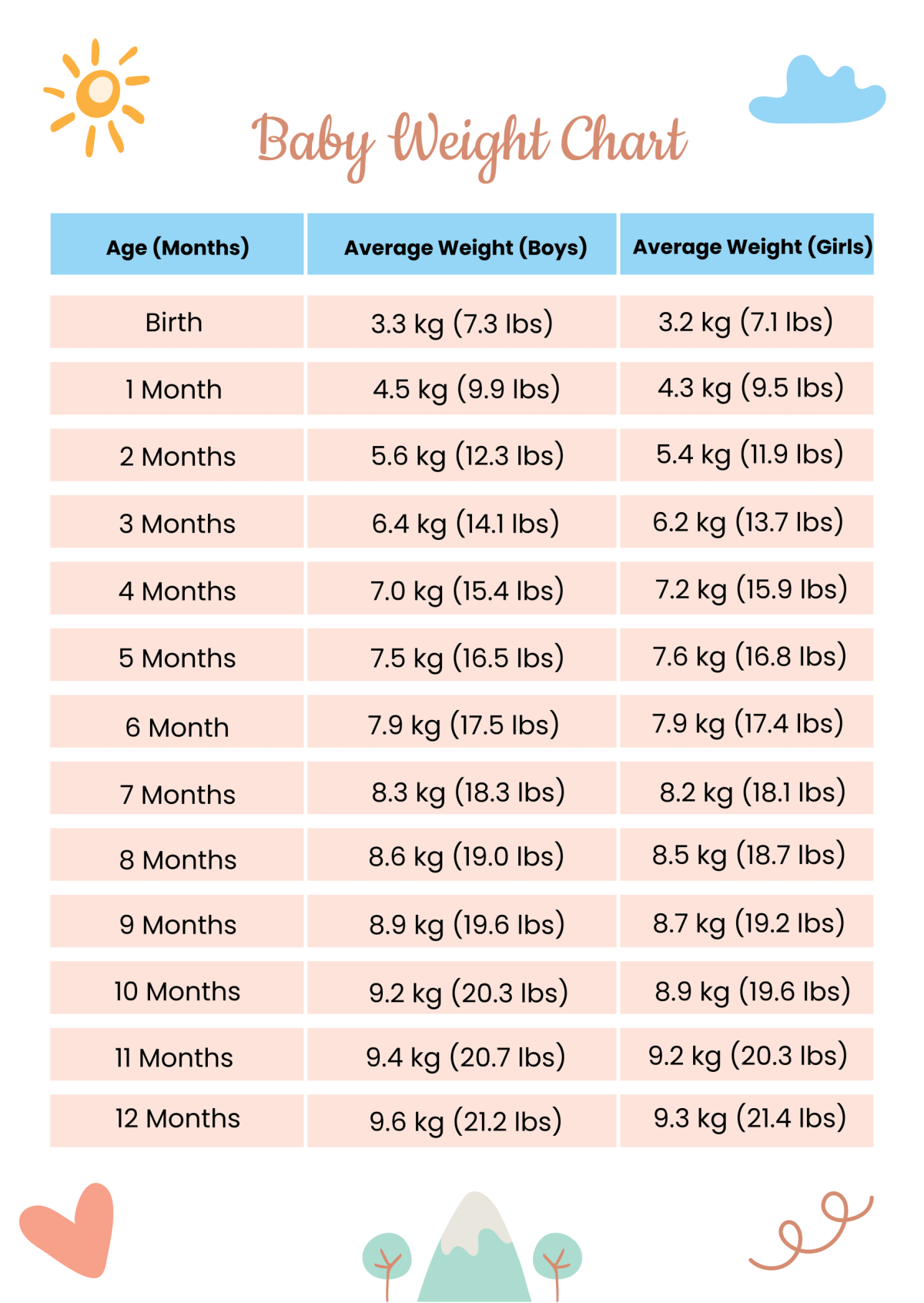
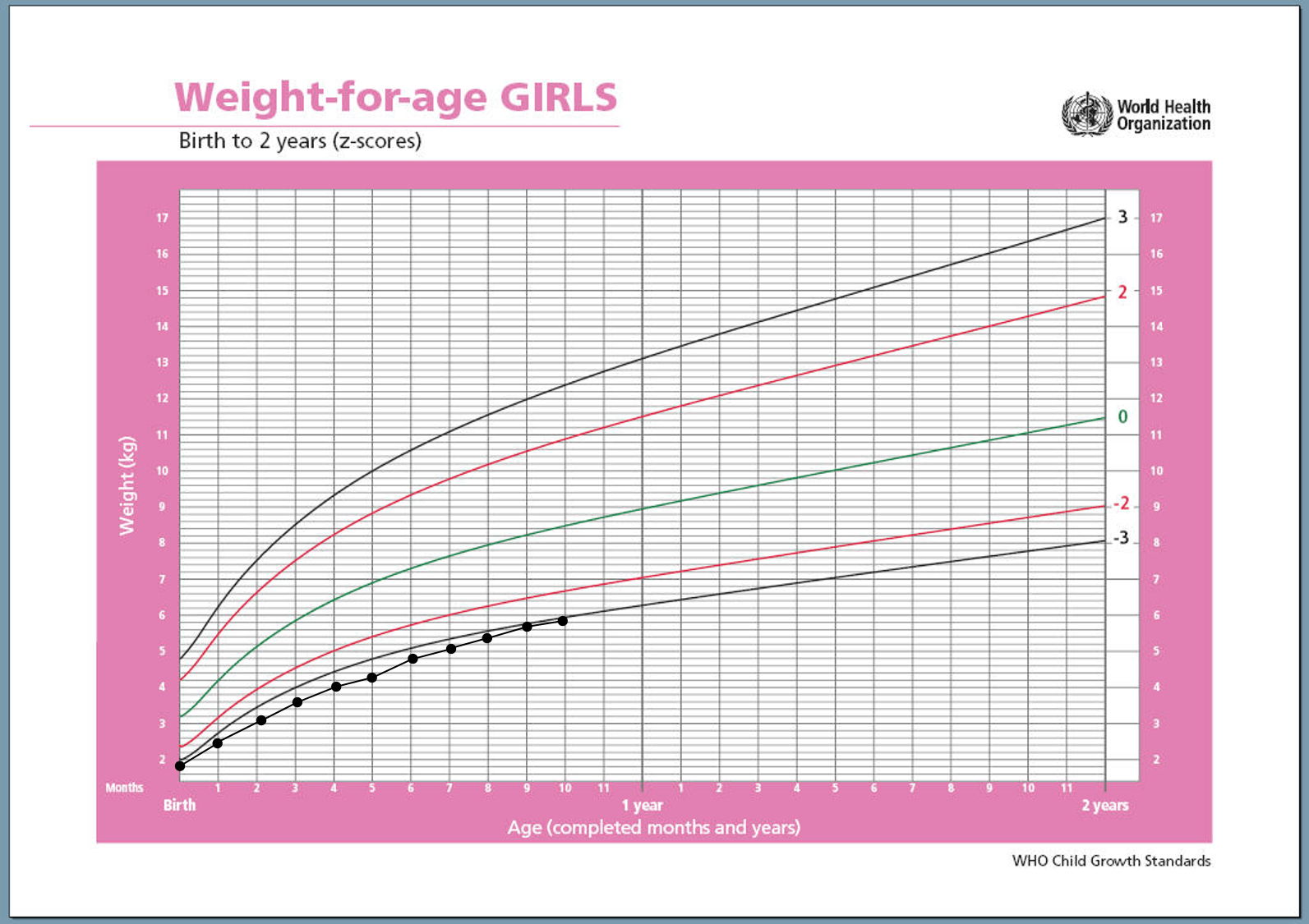
When it comes to tracking your baby’s growth, the 10 Month Baby Girl Weight Chart is an essential tool. This chart helps you monitor your little one’s weight and ensure she is developing at a healthy rate. If you’re looking for a printable resource to help you keep tabs on your baby’s growth, you’ve come to the right place. guide you through how to effectively use the weight chart, what information you need to fill it out, and why it’s important for your baby’s health.
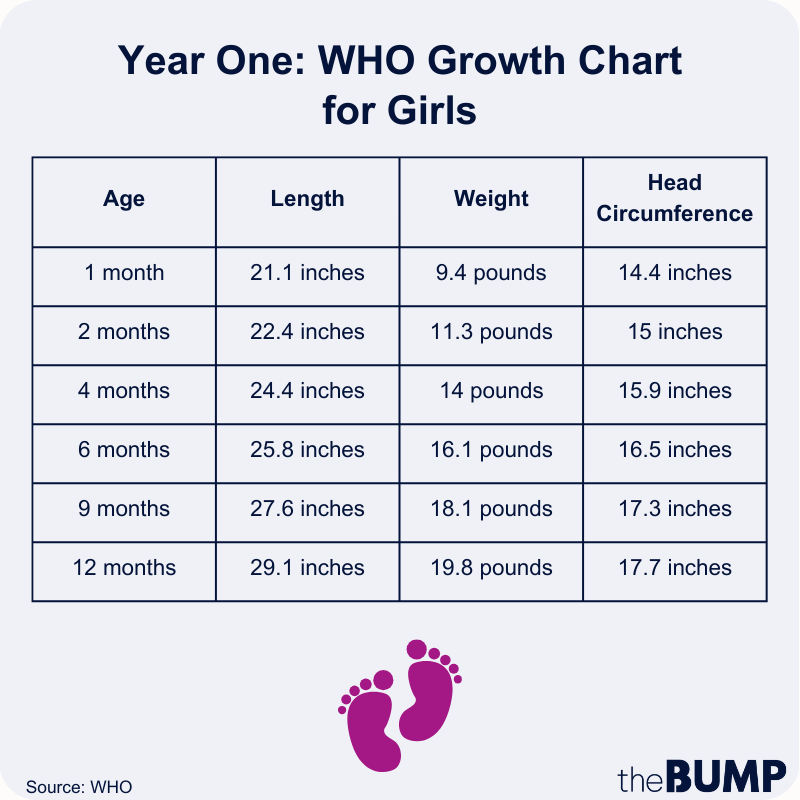
Understanding the 10 Month Baby Girl Weight Chart
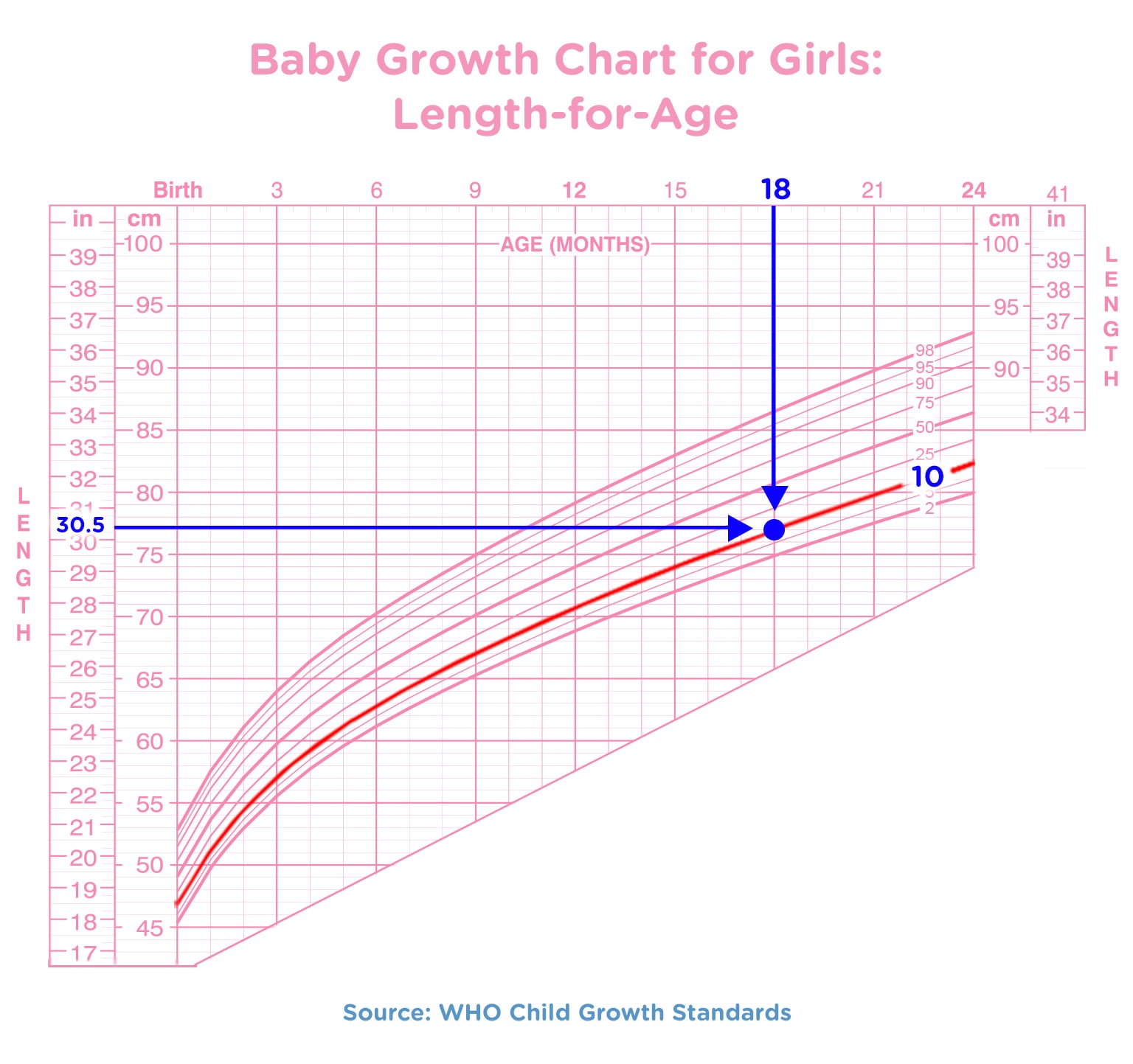
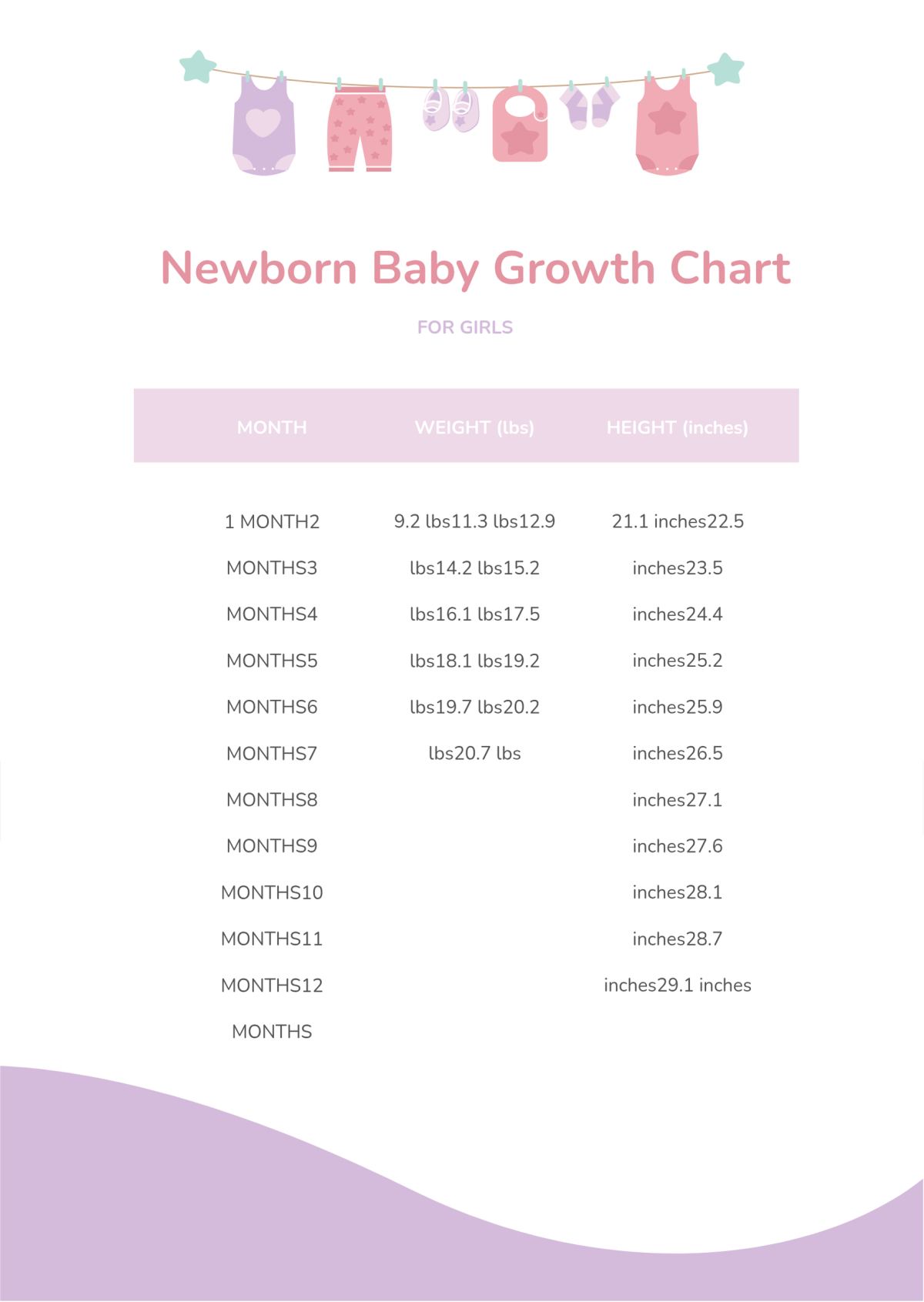
The 10 Month Baby Girl Weight Chart provides a visual representation of weight ranges typical for girls at this age. The chart typically includes percentiles that show where your baby stands in comparison to other girls her age. For example, a weight in the 50th percentile means that half of girls her age weigh less, and half weigh more.
The chart includes:
- Age in months (from birth to 12 months)
- Weight ranges (usually in pounds or kilograms)
- Percentiles (5th, 10th, 50th, 75th, and 90th)
Using this chart, you can easily see if your baby is on track, underweight, or overweight according to standard growth patterns.
How to Fill Out the Weight Chart
Filling out the 10 Month Baby Girl Weight Chart is straightforward, but there are some key details you’ll want to have on hand:
- Date of Measurement: Always note the date when you measure your baby’s weight. This helps in tracking growth over time.
- Weight: Use a reliable baby scale to get an accurate reading. Ensure your baby is undressed or wearing minimal clothing for the best accuracy.
- Percentile: After you have the weight, you can find the corresponding percentile on the chart. This will help you understand how your baby’s weight compares to others.
Make this a routine! You might consider doing it monthly, or every few weeks, to keep a close eye on her growth. Keeping a record of this information can also be helpful for pediatrician visits.
Where to Use the Weight Chart
Incorporating the 10 Month Baby Girl Weight Chart into your regular routine can be very beneficial. Here are a few practical suggestions:
- Pediatric Visits: Bring the chart to your baby’s check-ups. Pediatricians often reference these charts during appointments, and having your own notes can facilitate a more productive conversation about your baby’s growth.
- Home Tracking: Keep the chart in a visible place at home, like on the fridge or in a baby book. This will serve as a reminder to track her weight regularly.
- Growth Milestones: Use the chart to celebrate growth milestones. Every time your baby reaches a new weight percentile, it’s a reason to celebrate her development!
Importance of Tracking Weight
Tracking your baby’s weight is crucial for several reasons:
- Health Monitoring: Regularly monitoring weight helps identify any potential health issues early on. Underweight or overweight can signal nutritional deficiencies or other health concerns that may require attention.
- Feeding Adjustments: If you notice your baby is consistently below the expected weight range, it may be time to reassess her feeding routine. Conversely, if she is above the healthy range, you might want to consult with a pediatrician about her diet.
- Peace of Mind: For many parents, having concrete data about their baby’s growth can provide reassurance. You’ll feel more confident knowing you’re keeping tabs on her development.
Printable Resources for Easy Use
To make your tracking even easier, consider downloading a printable version of the 10 Month Baby Girl Weight Chart. These charts can often be found on various parenting websites or healthcare resources. Look for formats that allow you to print in standard sizes, such as A4 or letter size, to fit easily into a binder or clipboard.
When printing, you might want to use:
- Cardstock: It’s sturdier and can hold up better if you plan to laminate it for repeated use.
- Portrait Layout: This tends to fit best on most home printers, ensuring that the entire chart is visible and easy to read.
Tips for Effective Tracking
Here are a few additional tips to make the most of your 10 Month Baby Girl Weight Chart:
- Consistency: Weigh your baby at the same time each day or week, if possible. This consistency will help in getting the most accurate measurements.
- Track Other Milestones: Along with weight, consider noting other growth milestones such as height, head circumference, and developmental achievements.
- Use a Growth Tracker App: If you prefer digital tracking, many apps allow you to log your baby’s growth and compare it against standard growth charts.
In summary, the 10 Month Baby Girl Weight Chart serves as a vital resource for monitoring your baby’s growth and health. By understanding how to use it effectively and integrating it into your routine, you can play an active role in ensuring your baby girl is developing well. If you have any questions about interpreting the chart or your baby’s growth, don’t hesitate to reach out to your pediatrician for guidance.
10 Month Baby Girl Weight Chart Gallery