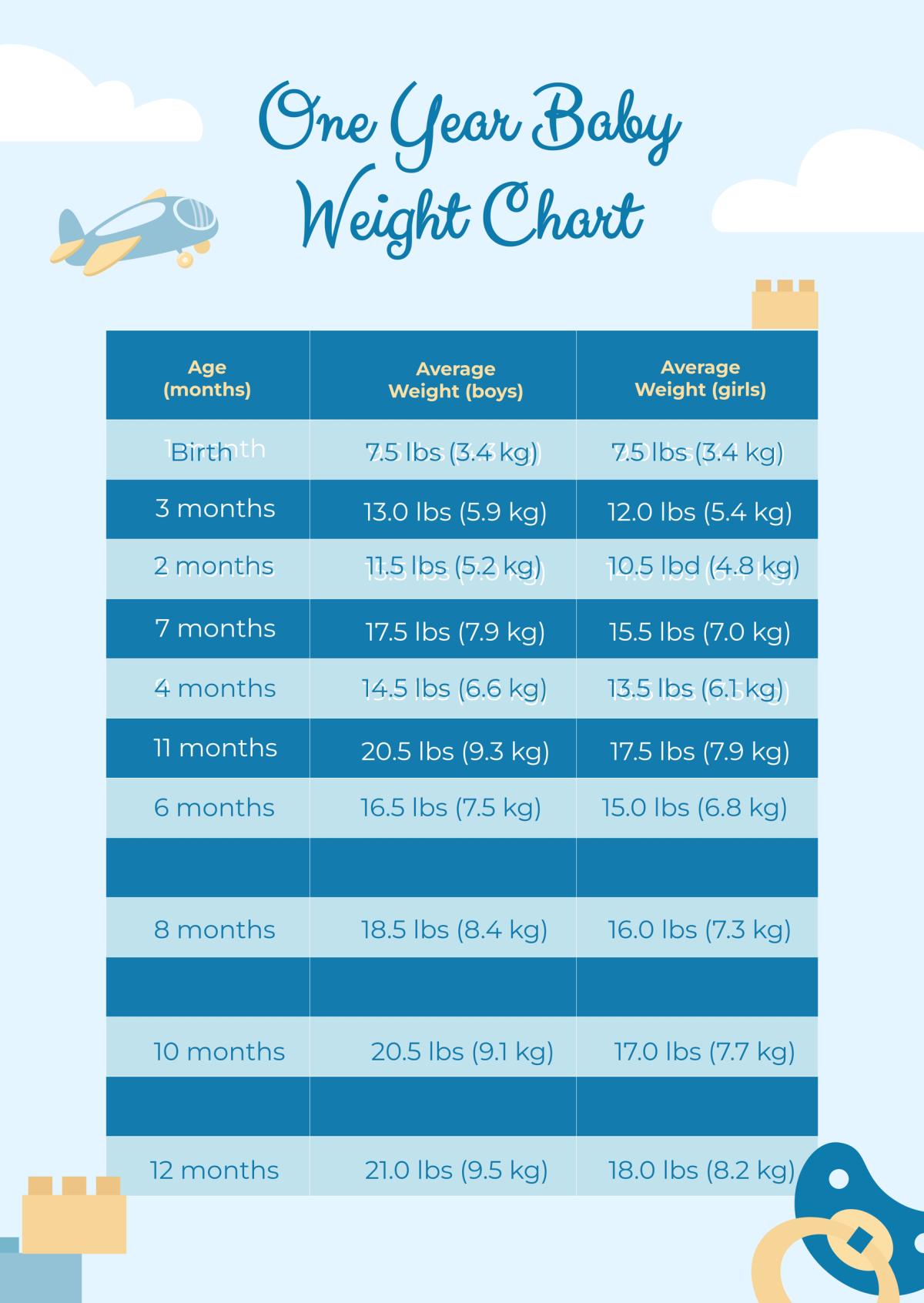
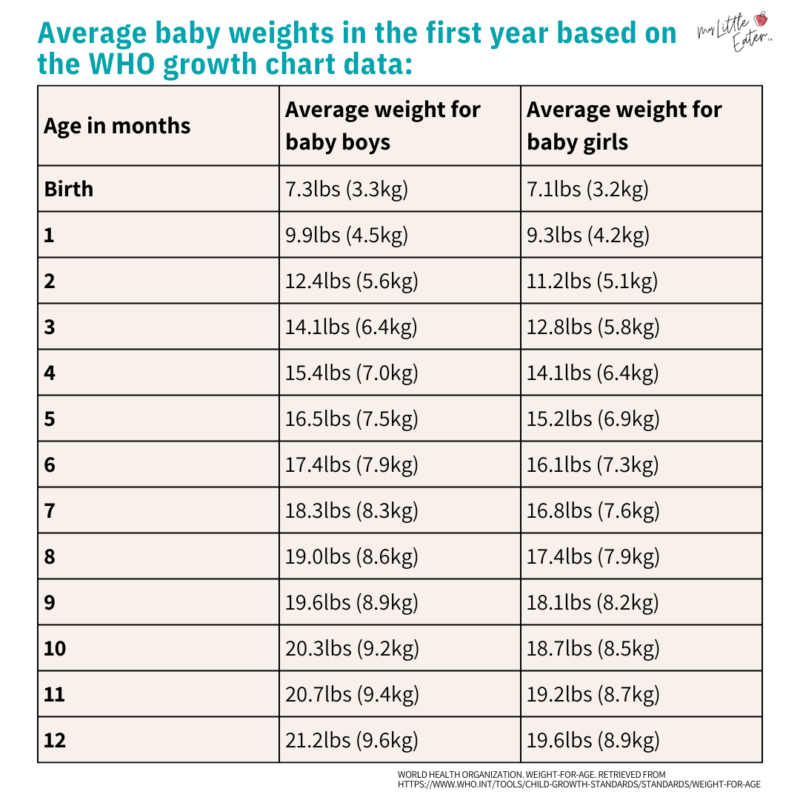
Understanding your child’s growth is crucial, especially during their first year. The 1 Yr Old Weight Chart serves as a practical tool to help you track your child’s weight against standard growth percentiles. This chart can provide insights into whether your child is growing at a healthy rate and can guide you in discussions with your pediatrician.
What is a 1 Yr Old Weight Chart?
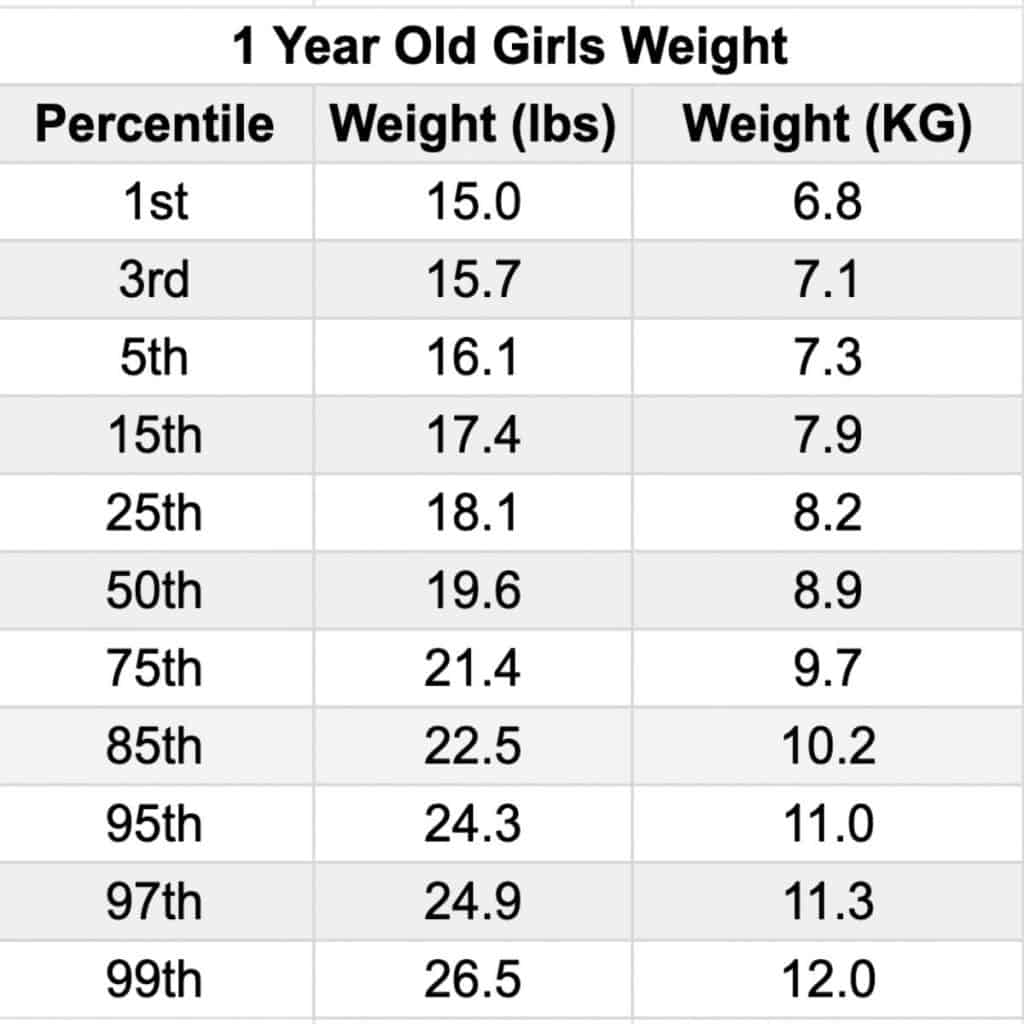
A 1 Yr Old Weight Chart is a graphical representation that shows the typical weight range for children who are one year old. This chart uses percentiles to indicate how your child’s weight compares to other children of the same age and sex. A percentile shows the relative standing of your child’s weight — for instance, if your child is in the 75th percentile, they weigh more than 75% of one-year-olds.
These charts are widely available and can be found in pediatric offices or downloaded from reliable health websites. They’re essential for monitoring your child’s growth and ensuring they stay within a healthy range.
How to Use the 1 Yr Old Weight Chart
Using the 1 Yr Old Weight Chart is straightforward. First, you need to measure your child’s weight accurately using a scale. For best results, do this when they are in light clothing or just a diaper. Record the weight in pounds or kilograms based on your preference.
Next, locate your child’s age on the horizontal axis of the chart. Move vertically until you find the corresponding weight on the vertical axis. This will help you identify your child’s percentile.
It’s beneficial to keep a record of these measurements over time. You can create a growth log with the chart by noting down your child’s weight at regular intervals, such as monthly or quarterly. Keeping track of these changes can provide valuable insights into their growth patterns.
Printable Options for the 1 Yr Old Weight Chart
You can easily print a 1 Yr Old Weight Chart from various online resources. Here are a few benefits of using a printable version:
- Convenience: Having a physical copy allows you to track growth without needing to access a device.
- Portability: You can take it to your pediatric appointments, making discussions about growth much easier.
- Customization: You can write notes or observations directly on the chart as your child grows.
When printing, consider using high-quality paper. Cardstock is a good option if you want it to be more durable, especially if you plan to keep it for a long time. A landscape layout is ideal for most home printers, as it allows for more space to write additional notes.
Digital Vs. Print: Which is Better?
When it comes to filling out the 1 Yr Old Weight Chart, you have two main options: digital and print.
Digital Chart
Using a fillable PDF version allows you to input data directly on your device. This is great for:
- Ease of Use: You can quickly update weight without needing to rewrite everything.
- Accessibility: You can store it digitally, making it easy to access anywhere.
- Shareability: If you want to share growth data with your pediatrician, a digital copy can be emailed or uploaded easily.
However, digital charts require a device, which may not always be at hand, especially during visits to the doctor.
Printed Chart
On the other hand, a printed chart has its own advantages. It allows for:
- Tactile Interaction: Writing by hand can help you feel more engaged in monitoring your child’s growth.
- Visual Tracking: You can see the chart at a glance, which may make it easier to spot trends or changes.
- No Tech Issues: You won’t have to worry about battery life or device malfunctions.
Both formats are useful, so consider your lifestyle and preference when deciding which to use.
When to Discuss Weight Concerns With Your Pediatrician
Monitoring your child’s weight is essential, but it’s crucial to know when to seek professional advice. If you notice significant fluctuations in your child’s weight, whether they are gaining too quickly or not at all, it’s time to consult your pediatrician.
Here are some red flags to watch for:
- Consistent Weight Below the 5th Percentile: This could indicate undernutrition or other health issues.
- Rapid Weight Gain: If your child is gaining weight faster than expected, it may lead to obesity later in life.
- Stagnation: If your child’s weight has plateaued for several months without a reasonable explanation, it’s worth discussing.
Your pediatrician can help assess growth patterns and provide guidance tailored to your child’s needs.
Next Steps: Using the 1 Yr Old Weight Chart Effectively
Now that you understand how the 1 Yr Old Weight Chart works, it’s time to put it into action. Start by measuring your child’s weight and recording it on the chart. Make it a habit to check this chart during your monthly routine.
Consider creating a growth journal alongside the chart, noting milestones, dietary changes, or any health concerns. This can be an excellent resource for future pediatric visits. Download and print your 1 Yr Old Weight Chart today, and take an active role in monitoring your child’s growth!
