Monitoring your baby’s growth during the first year is crucial, and that’s where the 1 Yr Baby Weight Chart comes in. This chart is designed specifically for parents and caregivers to help track weight gain and ensure that your little one is developing as expected. Unlike other resources, this chart focuses on the first twelve months of life, providing a clear and organized way to monitor your baby’s progress.
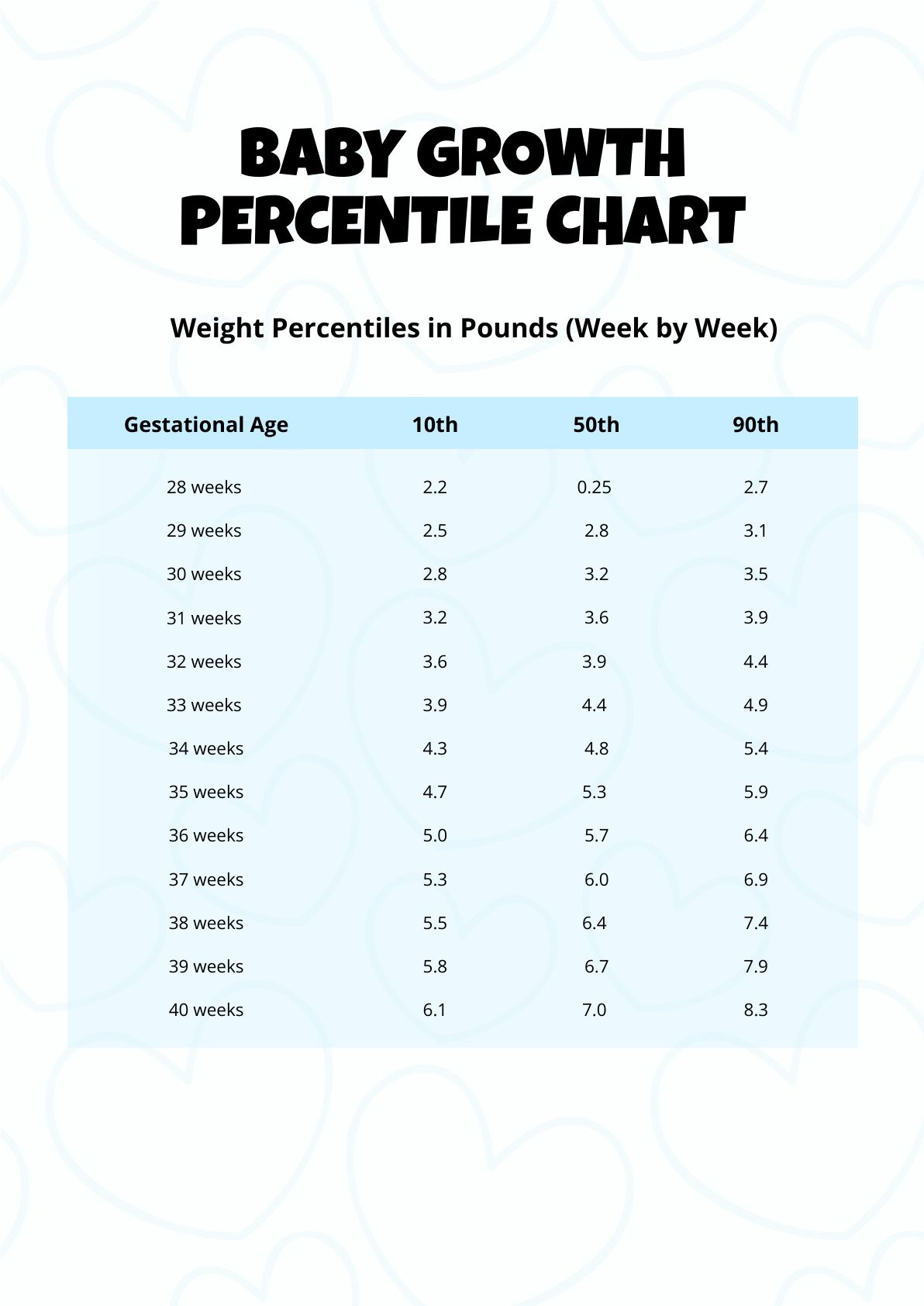
Understanding the 1 Yr Baby Weight Chart Layout
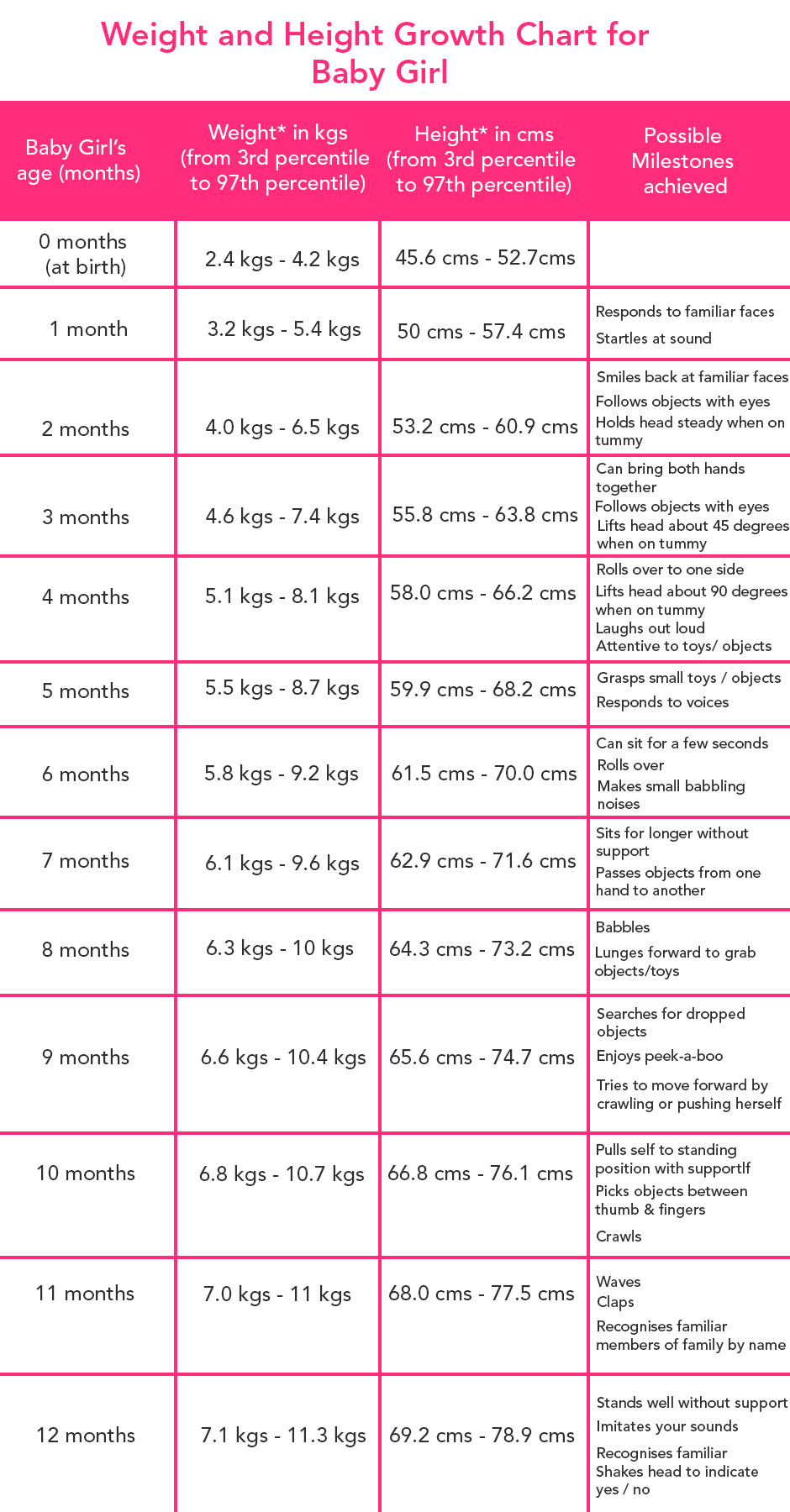
When you first glance at the 1 Yr Baby Weight Chart, you’re likely to notice its straightforward layout. Typically, the chart will have age milestones marked along the top (usually in months) and weight ranges down the side. This clear demarcation helps you quickly locate where your baby’s weight falls compared to average growth patterns.
The first thing you should do is familiarize yourself with the weight categories. Most charts will include percentiles, which indicate how your baby’s weight compares with a larger group of children. For instance, if your baby is in the 50th percentile, they weigh more than 50% of babies their age. This layout makes it easy to visualize your baby’s growth over time.
How to Fill in the 1 Yr Baby Weight Chart
Filling in the 1 Yr Baby Weight Chart is a simple yet vital task. Start by recording your baby’s weight at each well-child visit. Most pediatricians will provide you with this information, but you can also weigh your baby at home using a scale. Make sure to note the date and the weight clearly in the appropriate boxes.
If you’re using a printable version, consider printing it on heavier paper or cardstock. This ensures that it holds up better over time, especially if you’re planning to keep it in a baby book or scrapbook. Some parents even choose to laminate the chart for added durability.
Keep in mind that while the chart offers a helpful reference, it’s essential to discuss any concerns about your baby’s growth with your pediatrician. They can provide personalized advice and ensure that your baby is developing healthily.
When to Use the 1 Yr Baby Weight Chart
The 1 Yr Baby Weight Chart is most beneficial during routine pediatric visits, which typically occur every few months during the first year. However, you can also use it at home to keep an eye on your baby’s growth between these appointments. This is particularly useful if you notice any sudden changes in appetite or weight.
Additionally, many parents find it helpful to use the chart as a motivational tool. You can celebrate milestones, such as reaching a new weight percentile, and use the chart to spark conversations with family and friends about your baby’s growth.
Using the chart consistently helps you spot any irregularities in your baby’s weight gain, which can be crucial for early intervention if needed.
Presentation Quality Matters
When it comes to printing the 1 Yr Baby Weight Chart, the quality of the presentation can make a difference. Consider using a high-resolution PDF version if available, as this will prevent any blurriness or formatting issues that can sometimes occur with image files.
For paper size, standard letter size (8.5 x 11 inches) is typically suitable for most home printers, but you might want to check your printer settings beforehand to ensure the chart fits properly on the page.
If you plan to display the chart in your baby’s nursery or keep it in a baby book, think about using a colorful design. A visually appealing chart can make the tracking process more enjoyable for you and your family.
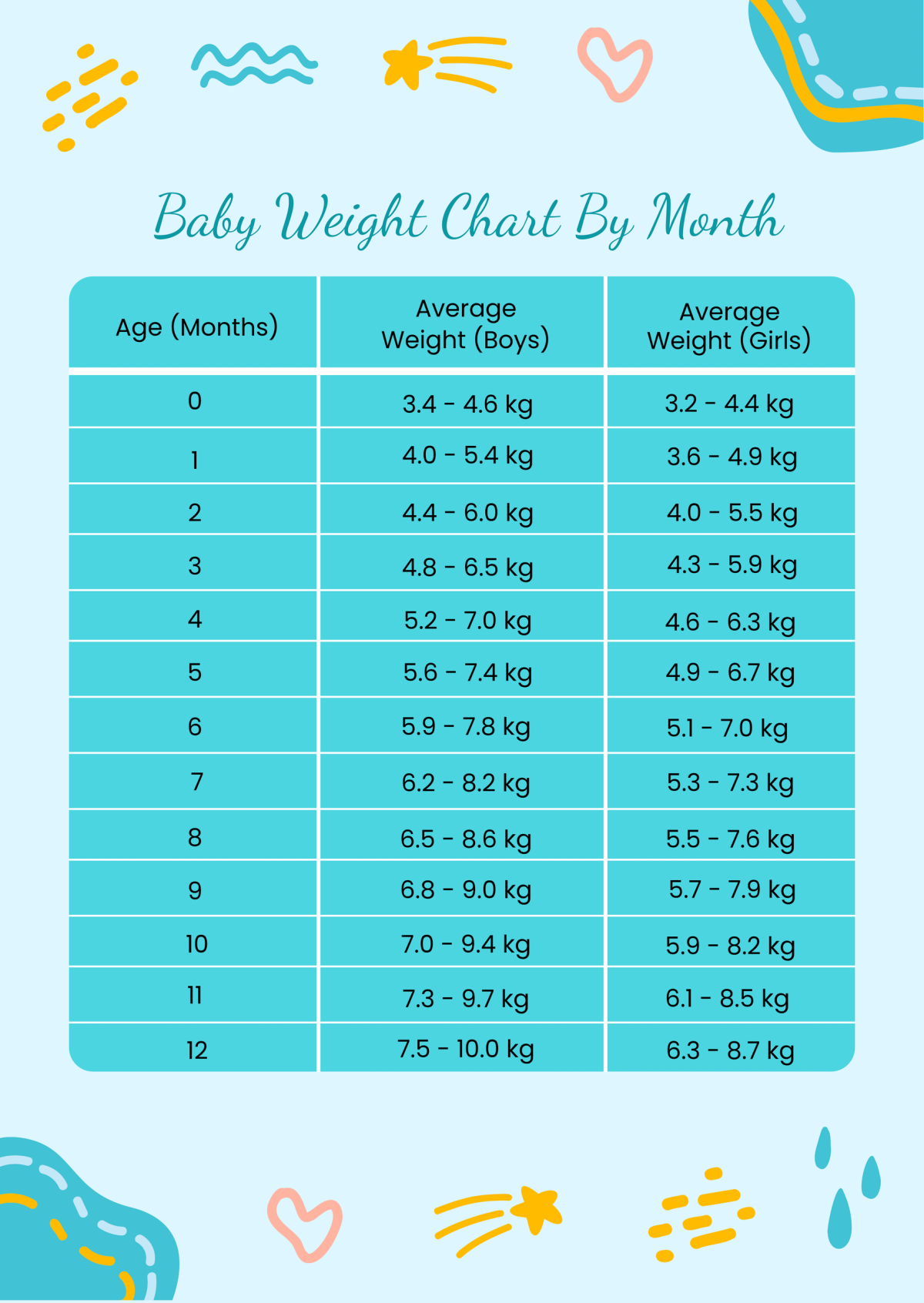
Additional Tips for Using the 1 Yr Baby Weight Chart Effectively
To get the most out of your 1 Yr Baby Weight Chart, consider these additional tips:
- Regular Updates: Make it a habit to update the chart after each pediatric visit or whenever you weigh your baby at home. Consistency is key to effective tracking.
- Incorporate Other Milestones: You might want to note other growth milestones like height, head circumference, or developmental milestones alongside weight for a more comprehensive view of your baby’s growth.
- Use Color Coding: If you’re a visual person, color coding different weight percentiles can help you quickly identify trends in your baby’s growth.
Remember that every baby grows at their own pace, and this chart is meant to serve as a guideline. If your baby consistently tracks along their growth curve, that’s a positive sign.
One last detail that’s often overlooked is the importance of context. If your baby is showing consistent growth but is below the average percentile, it may still be completely normal for them. Always consult your pediatrician if you have concerns about your baby’s weight or growth patterns.
Using the 1 Yr Baby Weight Chart can be a rewarding experience that not only helps you monitor your child’s growth but also allows you to celebrate their development along the way.
