Monitoring your baby’s growth is essential for ensuring they’re developing healthily, and a 1 Year Baby Boy Weight Chart is a practical tool for tracking this progress. These charts are designed to help you see how your baby’s weight compares to standard growth percentiles, which can be crucial for identifying any potential health concerns early.
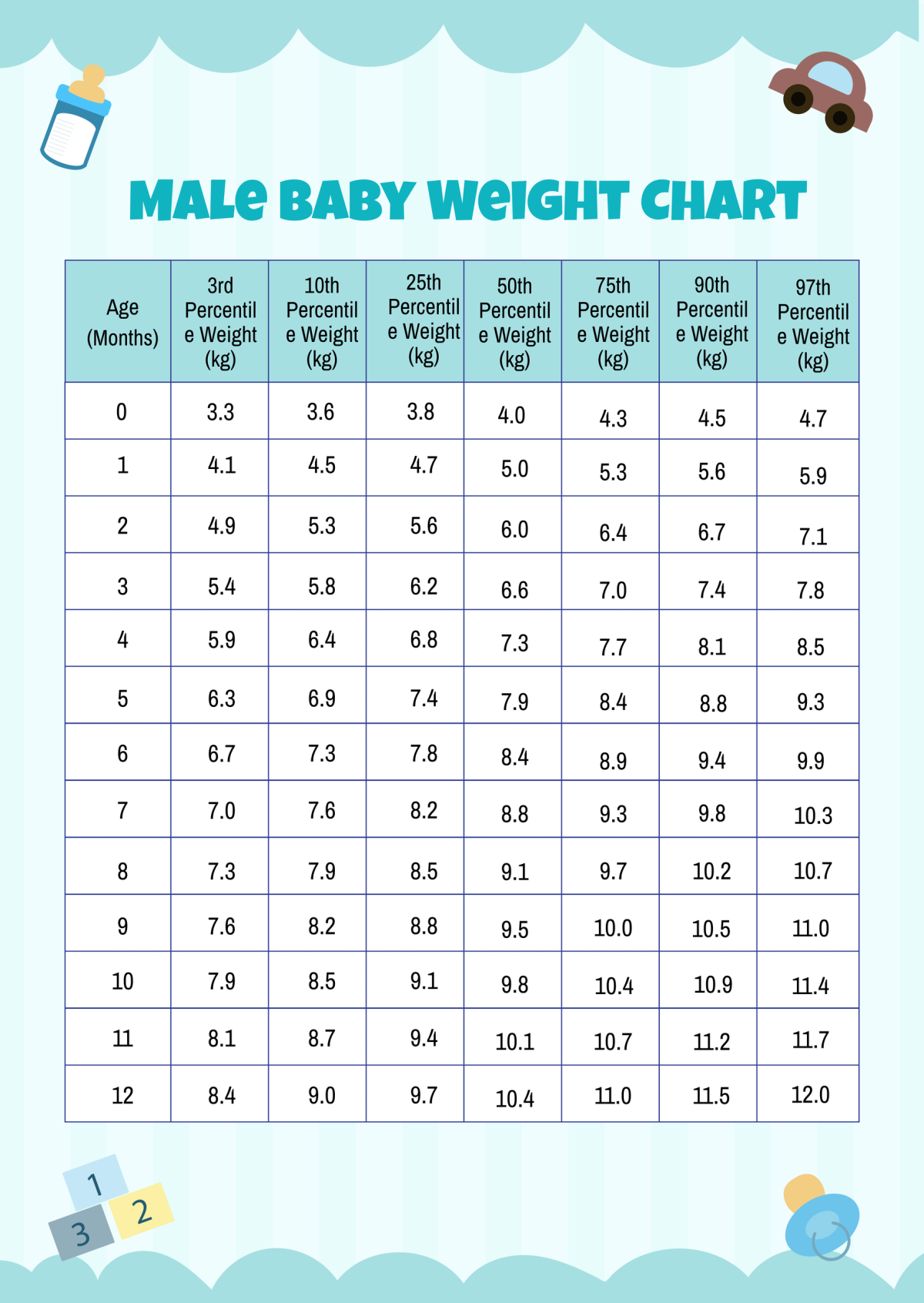
Understanding the Purpose of a Baby Weight Chart
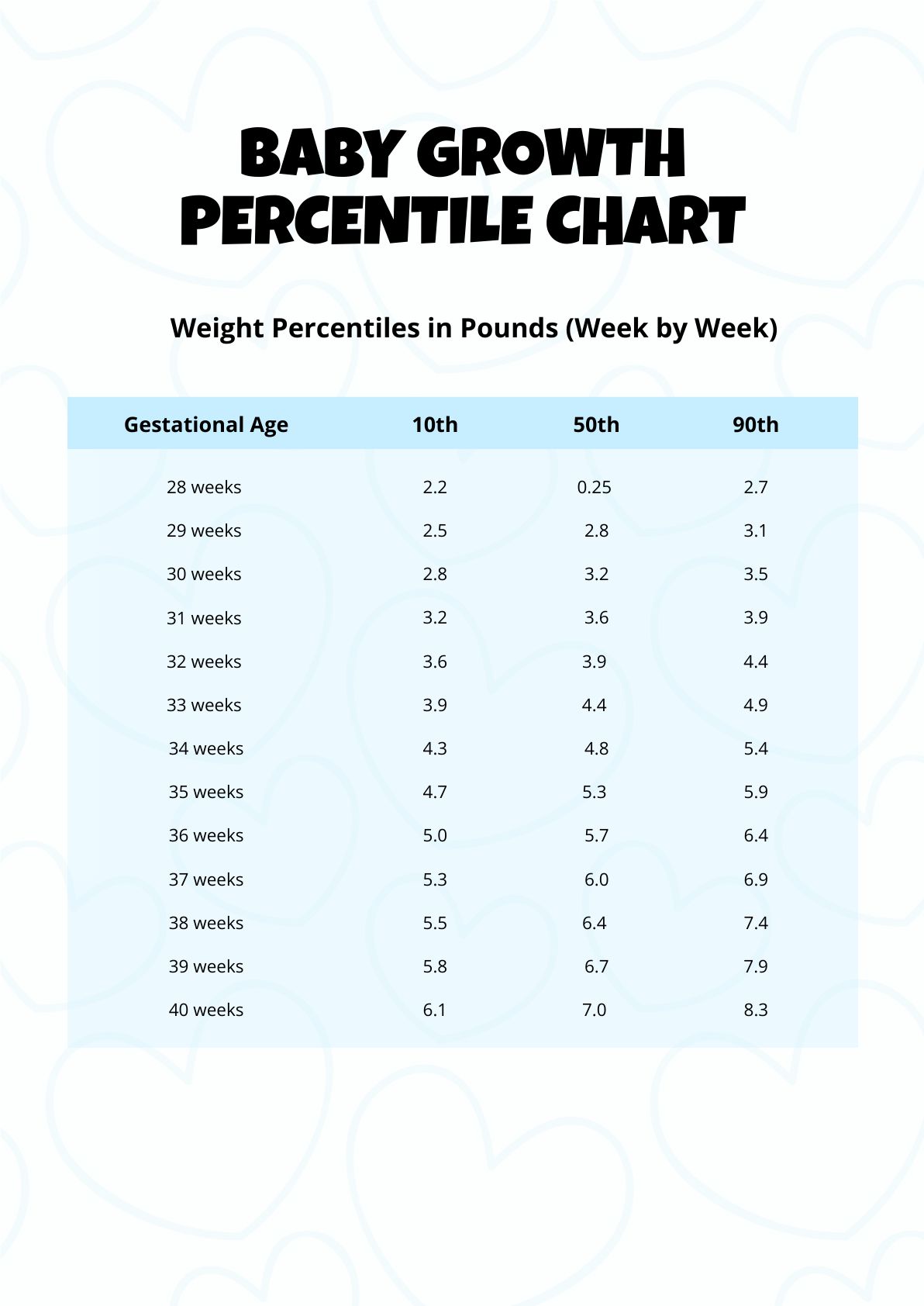
A baby weight chart allows you to visualize your baby’s growth over time, helping you understand how they stack up against typical growth patterns. These charts generally include percentiles that indicate the range of healthy weights for babies of the same age and gender. For instance, if your baby is in the 50th percentile, they weigh more than 50% of baby boys their age, which is typically considered average.
Keeping track of your baby’s weight can provide reassurance or prompt you to consult with a pediatrician if your baby is falling significantly below or above the expected growth curves. This proactive approach can help ensure that any underlying issues are addressed promptly.
How to Use the 1 Year Baby Boy Weight Chart
Using the 1 Year Baby Boy Weight Chart is straightforward. Here’s a step-by-step guide:
- Download and Print: Obtain a printable version of the weight chart. Ensure that you print it in the correct size to maintain accuracy.
- Gather Necessary Information: You will need your baby’s age in months and their current weight.
- Locate Your Baby’s Age: Find the corresponding age on the chart. Baby weight charts are typically divided into months from birth to 12 months.
- Mark the Weight: Once you find your baby’s age, mark their weight on the chart. This can be done with a pen or by placing a sticker.
- Compare Percentiles: After marking, see where your baby’s weight falls in relation to the percentiles. This visual representation will help you assess their growth.
Common Mistakes to Avoid
While using the weight chart can be very helpful, there are common pitfalls to be aware of:
- Not Updating Regularly: Make sure to update the chart regularly, ideally every month. This ensures you have the most accurate data to track your baby’s growth.
- Misreading Percentiles: Understand that being in a higher or lower percentile doesn’t automatically indicate a problem. Each baby grows at their own pace, and genetics play a significant role in growth patterns.
- Overlooking Other Growth Indicators: Weight is just one aspect of growth. Pay attention to height, head circumference, and developmental milestones to get a full picture of your baby’s health.
Where to Submit or Keep Your Baby Weight Chart
Once you’ve filled out your 1 Year Baby Boy Weight Chart, it’s important to keep it in a safe place for easy reference. Here are a few options:
- Baby Journal: If you maintain a baby journal or scrapbook, consider placing the chart in there. This can also serve as a wonderful keepsake.
- Pediatrician Records: Bring the chart to your pediatrician’s appointments. They may want to discuss your baby’s growth and will appreciate having this information.
- Digital Storage: If you prefer a digital approach, take a photo of the completed chart and keep it in a dedicated folder on your computer or cloud storage.
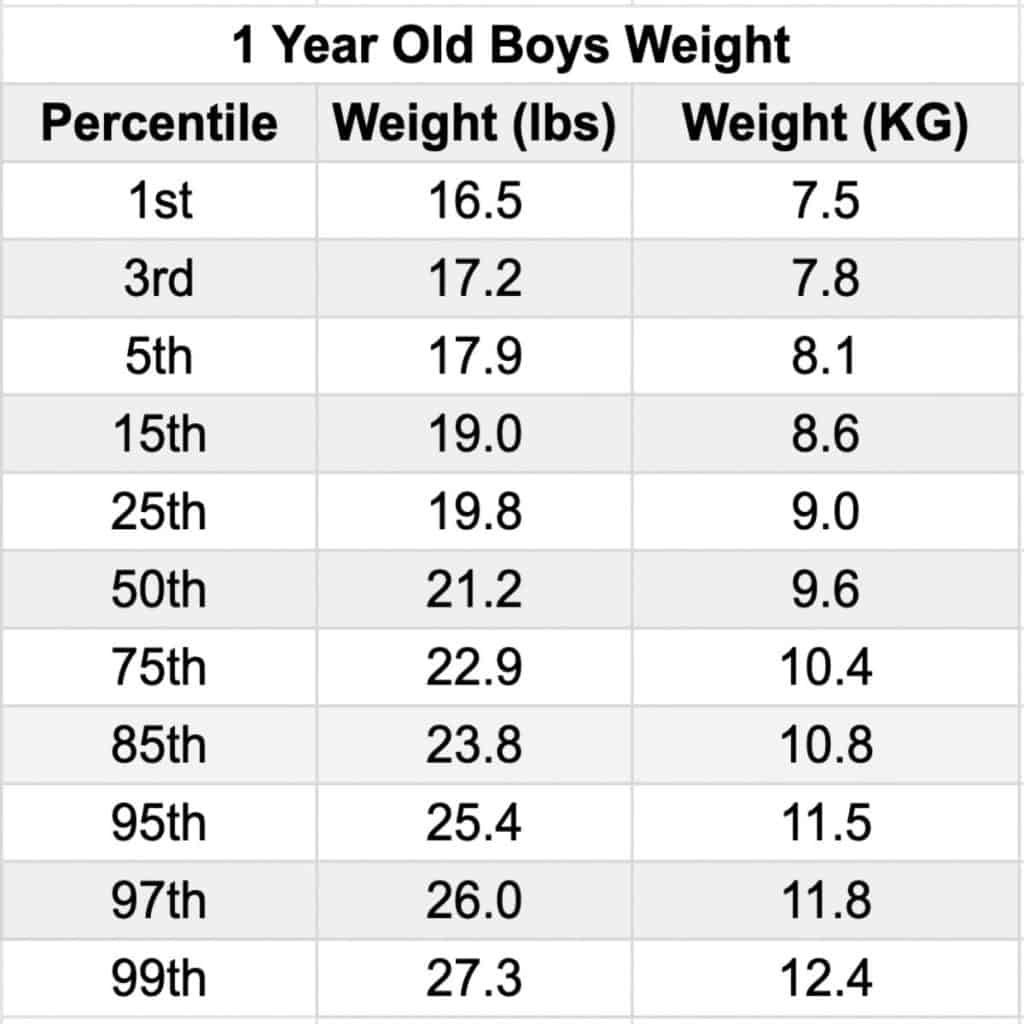
Additional Resources for Tracking Growth
In addition to the weight chart, there are other resources you might find helpful for tracking your baby’s growth:
- Growth Percentile Calculators: Online calculators can help you determine where your baby falls on the growth curve based on their age and weight.
- Developmental Milestone Checklists: These checklists can help you track other aspects of your baby’s growth, such as physical, cognitive, and social development.
- Health Apps: There are several apps designed specifically for tracking your baby’s growth metrics. These can be convenient for busy parents to use on the go.
Combining the weight chart with these additional resources will give you a more comprehensive view of your baby’s growth and development.
By consistently using the 1 Year Baby Boy Weight Chart and understanding how to interpret it, you’ll be better equipped to monitor your baby’s health. Regularly updating the chart and discussing it with your pediatrician will ensure that you are on the right track with your baby’s growth. Make sure to keep the chart easily accessible for quick updates after each weigh-in!
