Understanding your baby’s growth can feel overwhelming, especially during that first year. The 1 Year Above Baby Weight Chart is a handy tool that parents can use to track their child’s weight in relation to age, ensuring you’re aware of any growth concerns. This chart typically provides a clear visual representation of weight ranges for babies, helping you see how your little one measures up against standard growth patterns.
What is the 1 Year Above Baby Weight Chart?
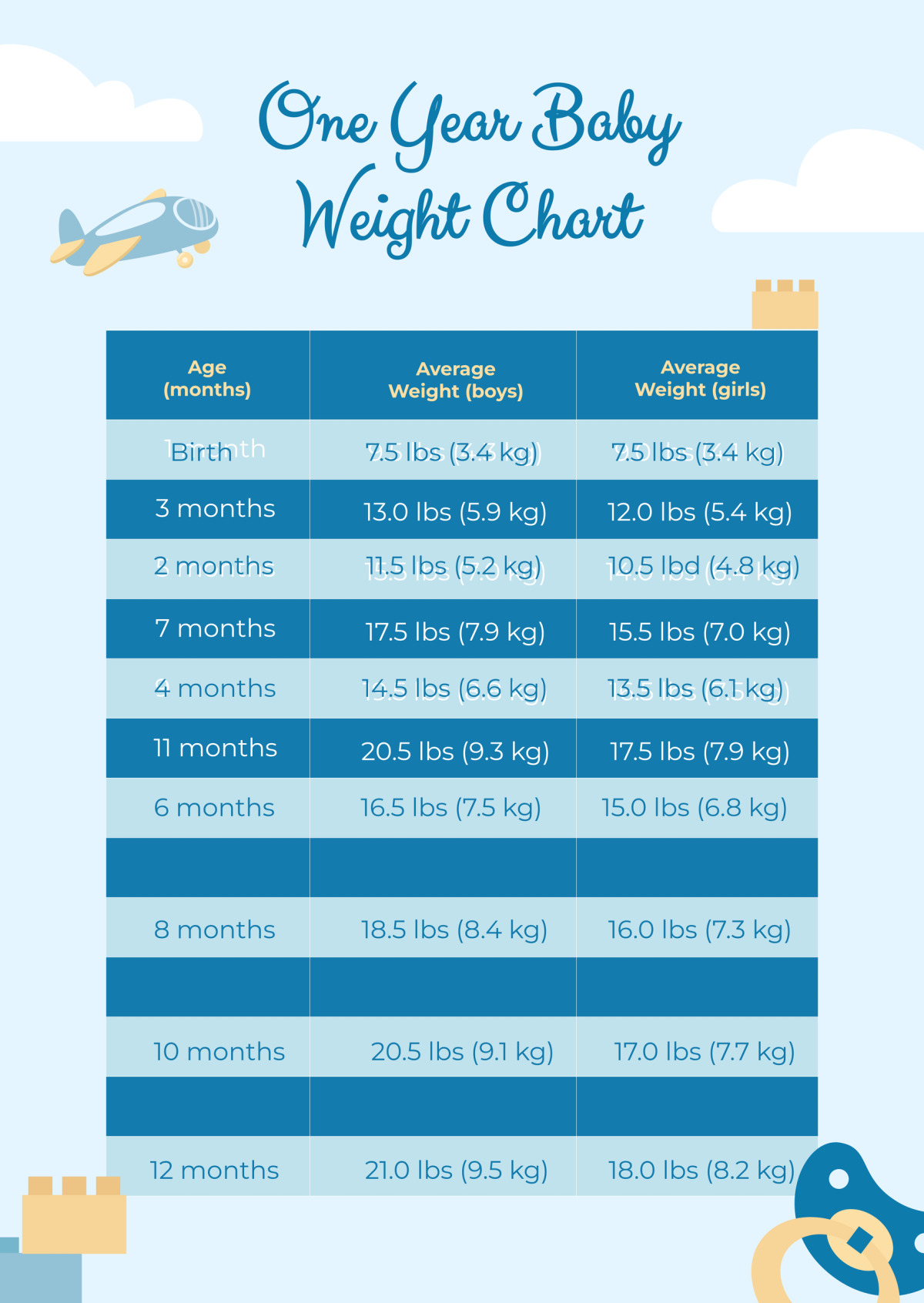
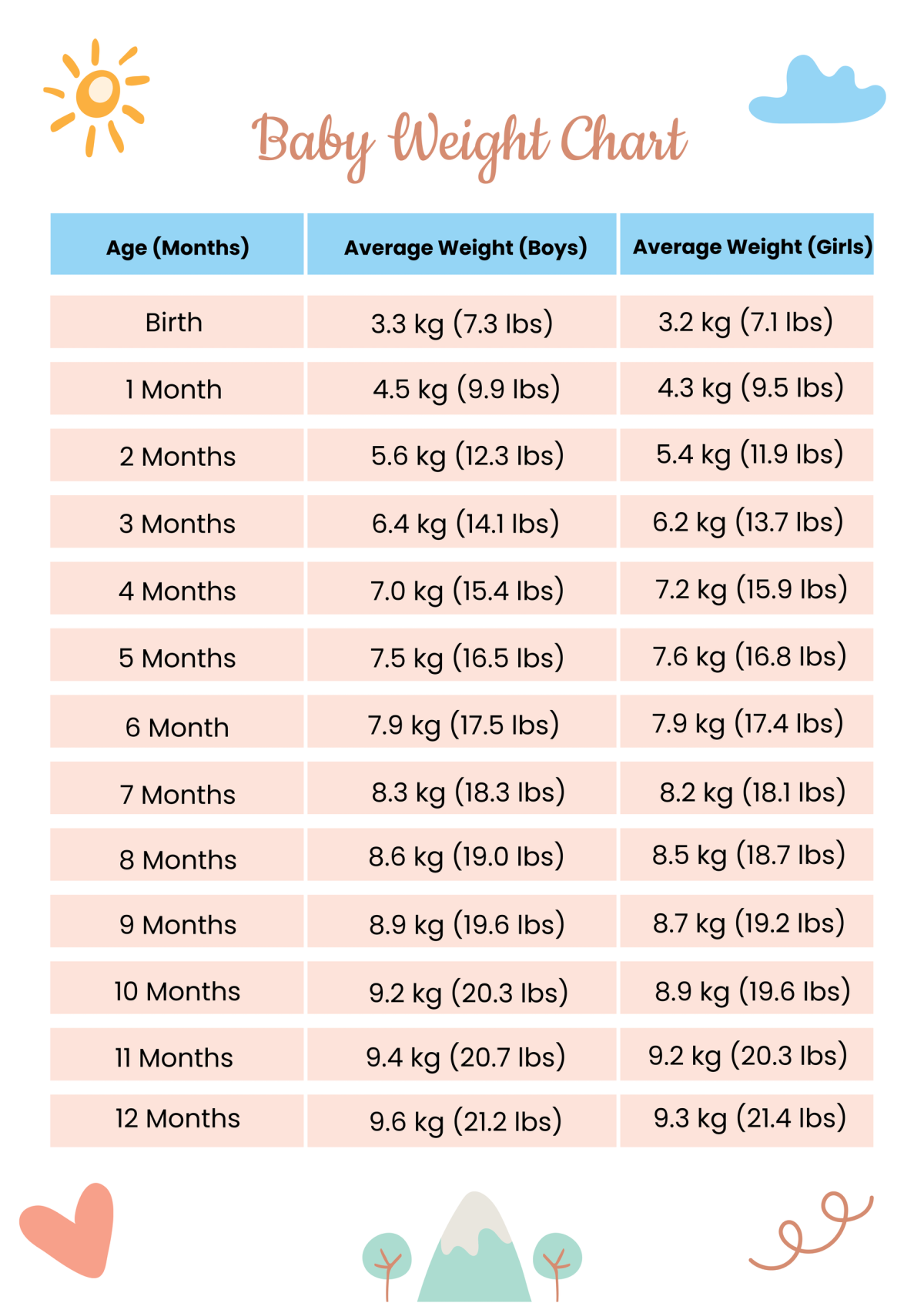
The 1 Year Above Baby Weight Chart is designed to give parents a quick reference point for understanding their child’s weight compared to peers. This chart usually includes weight ranges categorized by age, typically from birth to 12 months, but can extend to cover additional milestones. It allows you to see where your baby falls on the growth curve, helping you identify if they are within a healthy range.
For instance, if your baby is 12 months old and weighs significantly less or more than the average weight listed on the chart, it may prompt you to consult with a pediatrician. The chart is generally based on data collected from a large population, ensuring it reflects typical growth patterns for infants.
How to Use the 1 Year Above Baby Weight Chart
Using the chart is straightforward, but here are some practical steps to ensure you’re making the most of it:
- Locate the Right Age Range: Find your child’s age on the chart. Most charts will list ages in months and corresponding weight ranges.
- Compare Weight: Check your baby’s current weight against the chart. This will help you see if they fall within the average range. For example, if the chart indicates that a 12-month-old should weigh between 19-24 pounds and your baby is 22 pounds, they are within the healthy range.
- Note Percentiles: Some charts also indicate percentiles, which show how your child’s weight compares to others. If your baby is in the 50th percentile, that means they weigh more than 50% of babies their age.
- Consult Your Pediatrician: If your baby’s weight falls significantly outside the average range, it’s a good idea to have a conversation with your pediatrician. They can help assess whether there are any health concerns or recommend dietary changes.
Common Mistakes to Avoid
When using the 1 Year Above Baby Weight Chart, there are some common pitfalls that parents should be mindful of:
- Ignoring Other Growth Indicators: Weight is just one aspect of growth. Make sure to also monitor your baby’s height, head circumference, and developmental milestones.
- Not Considering Individual Factors: Each child is unique. Factors like genetics, nutrition, and activity level can influence growth. While charts are helpful, they should not be the sole measurement of your child’s health.
- Overreacting to Minor Fluctuations: Babies grow at different rates, and it’s normal for their weight to fluctuate. If your baby gains or loses a small amount of weight, it might not be a cause for concern.
Where to Find Printable Baby Weight Charts
If you’re looking to print a 1 Year Above Baby Weight Chart for easy reference, many healthcare websites and parenting resources offer downloadable versions. Here are a few places to look:
- Pediatric Association Websites: Many pediatric associations provide resources for parents, including growth charts you can print.
- Printable Resource Websites: Websites dedicated to printable resources often have various charts available for download, including baby weight charts.
- Health and Wellness Blogs: Some parenting blogs offer free downloadable charts along with tips for tracking growth and development.
When choosing a chart, ensure it’s up-to-date and based on current health guidelines.
Incorporating the Chart Into Your Routine
To make the most of the 1 Year Above Baby Weight Chart, consider incorporating it into your regular parenting routine:
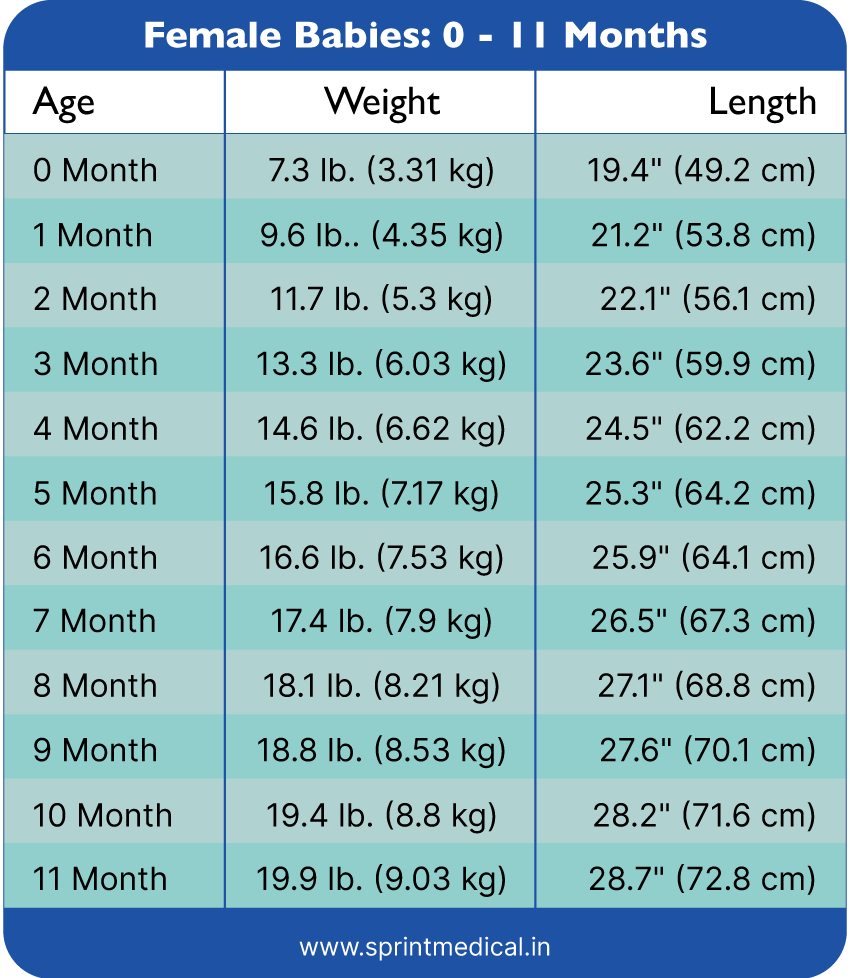
- Monthly Check-Ins: Weigh your baby every month and record their weight on the chart. This will give you a clear picture of their growth over time.
- Discuss During Pediatric Visits: Bring the chart with you to your baby’s check-ups. It can be a useful tool for discussion with your pediatrician regarding your child’s growth.
- Set Reminders: If you tend to forget, set reminders on your phone or calendar to check your baby’s weight monthly and update the chart.
By actively using the 1 Year Above Baby Weight Chart, you can stay informed about your child’s growth and health, providing peace of mind during those early years.
If you’re wondering what to do next after printing the chart, keep it handy in a dedicated health folder or on the fridge for easy access. Regularly updating the chart and discussing it with your pediatrician will help you stay proactive about your child’s growth journey.
