When it comes to selecting the perfect diamond, understanding the weight range is crucial. The 1 Carat Weight Range Chart can help you visualize and organize the various weights of diamonds, which directly impacts their size and price. Knowing how to read this chart is essential for anyone looking to purchase a diamond, whether for an engagement ring or a special occasion.
Understanding Carat Weight
Carat weight measures a diamond’s size, with one carat equal to 0.2 grams. This measurement is often a significant factor in a diamond’s value. A 1 carat diamond, for instance, may weigh anywhere from 0.95 to 1.05 carats, depending on the specific cut and shape of the stone.
To effectively use the 1 Carat Weight Range Chart, you need to know how diamonds are graded. The chart typically ranges from 0.1 carats to above 5 carats, showing the weight classifications and corresponding size approximations. Understanding these details will help you make an informed decision, ensuring that you choose a diamond that meets your aesthetic and budgetary requirements.
How to Read the 1 Carat Weight Range Chart
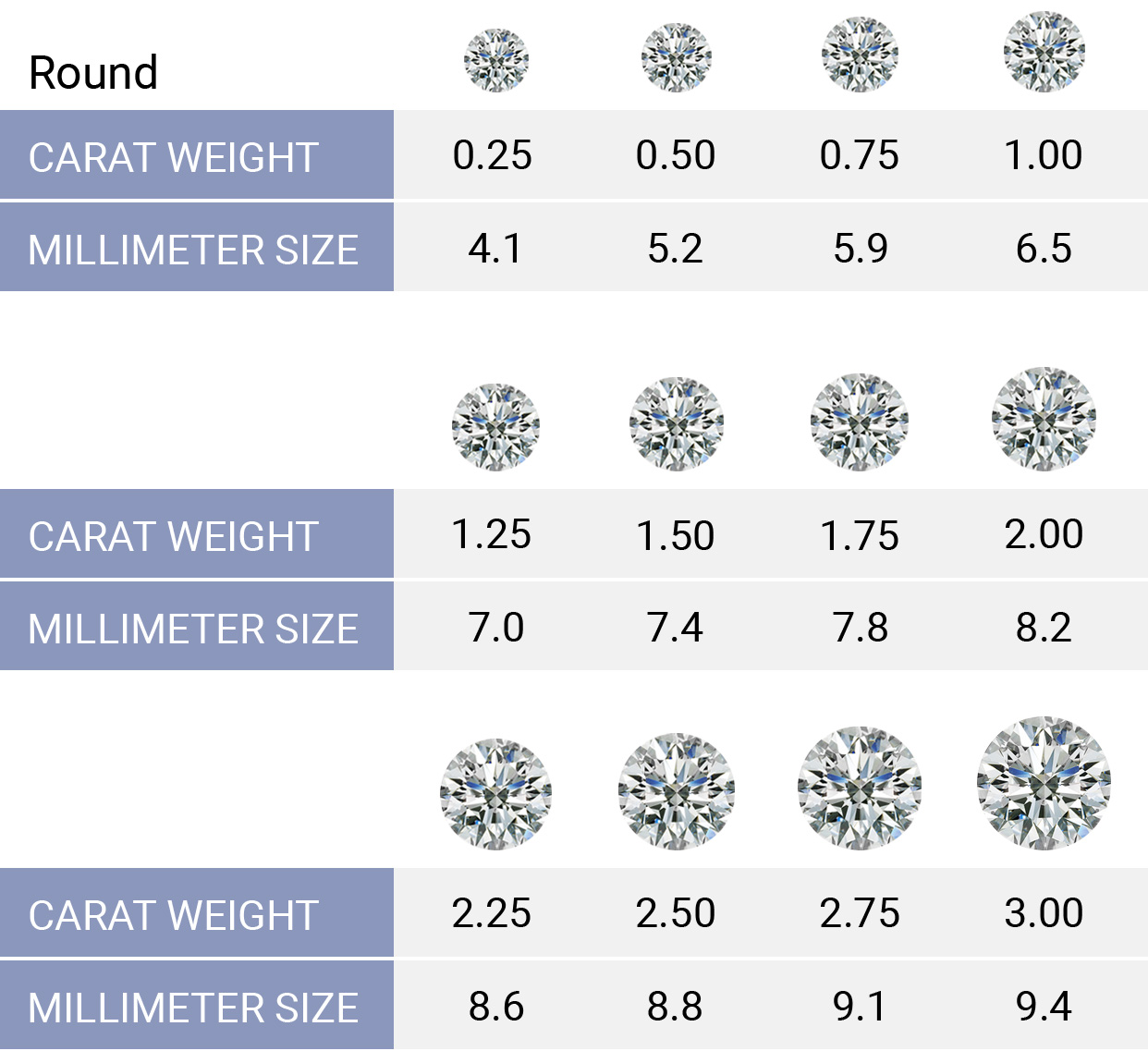
Reading the 1 Carat Weight Range Chart is straightforward once you understand its layout. The chart usually presents weights in increments, such as:
- 0.1 carats
- 0.5 carats
- 1.0 carats
- 1.5 carats
- 2.0 carats, etc.
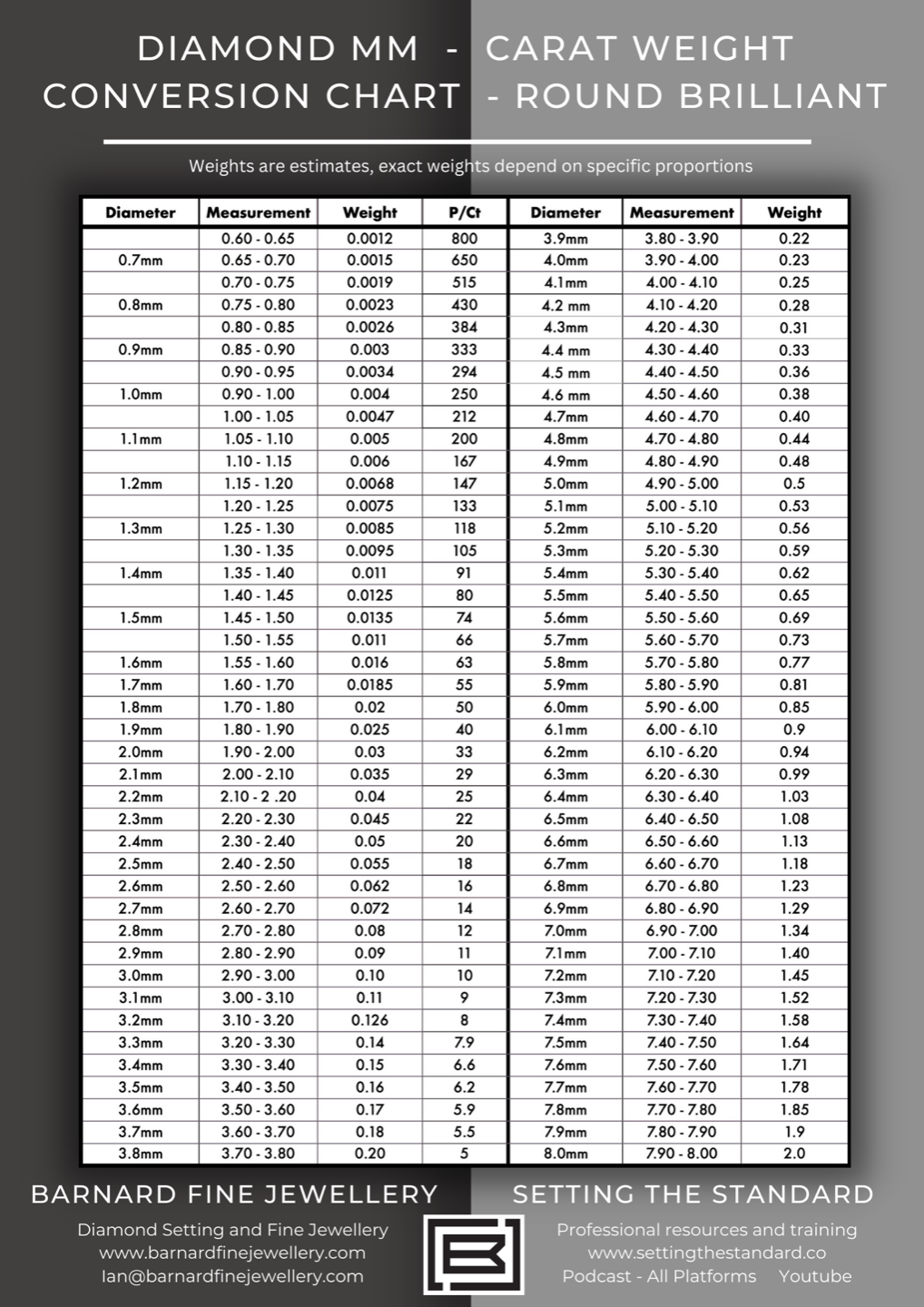
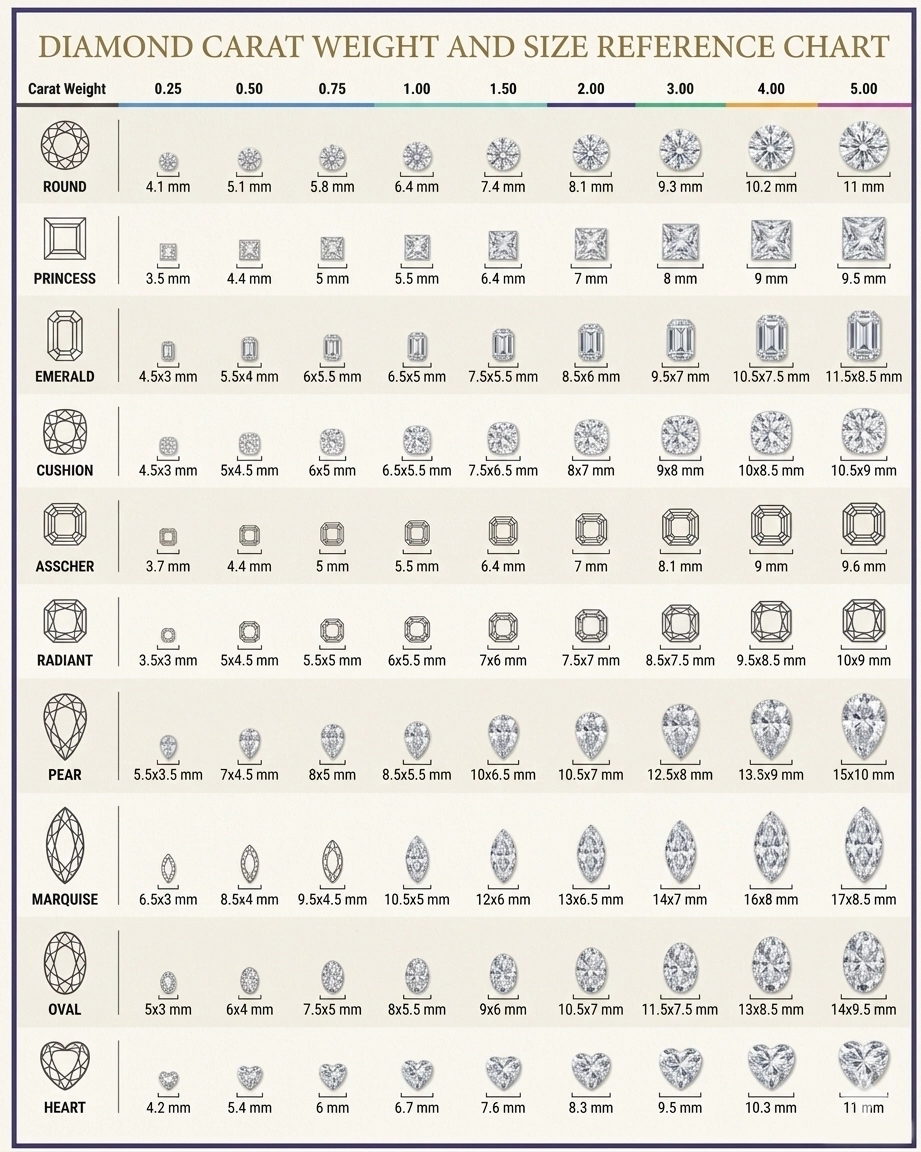
Each weight is often accompanied by an approximate size measurement in millimeters. For example, a 1 carat round diamond typically measures about 6.5 mm in diameter, while a 2 carat diamond might measure around 8.1 mm.
To utilize the chart effectively:
- Identify your desired weight: Determine the carat weight you’re interested in, which often depends on your budget and personal preference.
- Check the size measurement: Use the chart to find out how large that weight will appear.
- Consider the shape: Different diamond shapes (like round, princess, or oval) can affect how the weight translates into size. The chart may specify these differences.
This approach ensures you select a diamond that not only fits your weight criteria but also looks visually appealing.
Factors Influencing Diamond Weight
While the carat weight is a critical factor, it’s not the only one that affects a diamond’s overall appearance and value. Here are some important factors to consider:
- Cut Quality: A well-cut diamond will often look larger than a poorly cut diamond of the same weight. The cut affects how light interacts with the stone, influencing its brilliance and sparkle.
- Shape: Different shapes can give the illusion of varying sizes. For instance, a marquise diamond can appear larger than a round diamond of the same carat weight due to its elongated shape.
- Depth and Table: The proportions of a diamond, including its depth and table size, influence its appearance. A diamond that is too deep or too shallow can appear smaller than its actual carat weight.
Understanding these factors alongside the 1 Carat Weight Range Chart will provide a comprehensive view of what to expect when you shop for diamonds.
Practical Usage of the Weight Range Chart
When you have a tangible chart in front of you, whether printed or digital, it can serve as a handy reference during your diamond shopping experience. Here’s how to put it to good use:
- Bring it to Appointments: If you’re visiting a jeweler, take your chart along. It can help you remember the weights and sizes you prefer.
- Compare Options: When looking at different diamonds, compare their weights and sizes using the chart to see which ones meet your expectations.
- Budgeting: Knowing the weight can help you set a budget, as price often correlates with carat weight. You can use the chart to understand what you should expect in terms of pricing based on the weight.
Using the 1 Carat Weight Range Chart as part of your diamond selection process can make the experience smoother and more enjoyable.
Presentation and Printing Tips
If you decide to print the 1 Carat Weight Range Chart for easier reference, consider these tips for the best results:
- Paper Type: Use a heavier cardstock for durability, especially if you plan to handle it frequently while shopping.
- Print Settings: Make sure your printer is set to high quality to ensure clear visibility of the chart details.
- Size: Standard letter size (8.5 x 11 inches) is typically a good choice, but adjust based on your needs. A larger print can enhance readability.
Having a physical copy handy can help you quickly reference weights and sizes without needing to pull out your phone or find a digital version.
When preparing to select a diamond, remember that understanding the 1 Carat Weight Range Chart not only aids in making informed decisions but also enhances your confidence in the purchase. You’ll find that being organized and knowledgeable about weights, sizes, and other factors can significantly influence your satisfaction with your chosen diamond.
Lastly, a little-known fact is that diamonds are often priced exponentially as the carat weight increases. For example, a 1.5 carat diamond may cost significantly more than a 1.0 carat diamond, even though the difference in size is minimal. This is crucial to keep in mind when budgeting for your perfect stone.
