When preparing meals, understanding how to balance ingredients can be tricky. That’s where the 1 5 Ratio Chart By Weight comes into play. This chart is a practical tool that helps you measure ingredients correctly, ensuring your dishes turn out just right every time. If you are cooking for a family gathering or just whipping up dinner, knowing how to utilize this chart can make your meal prep easier and more efficient.
Understanding the 1 5 Ratio
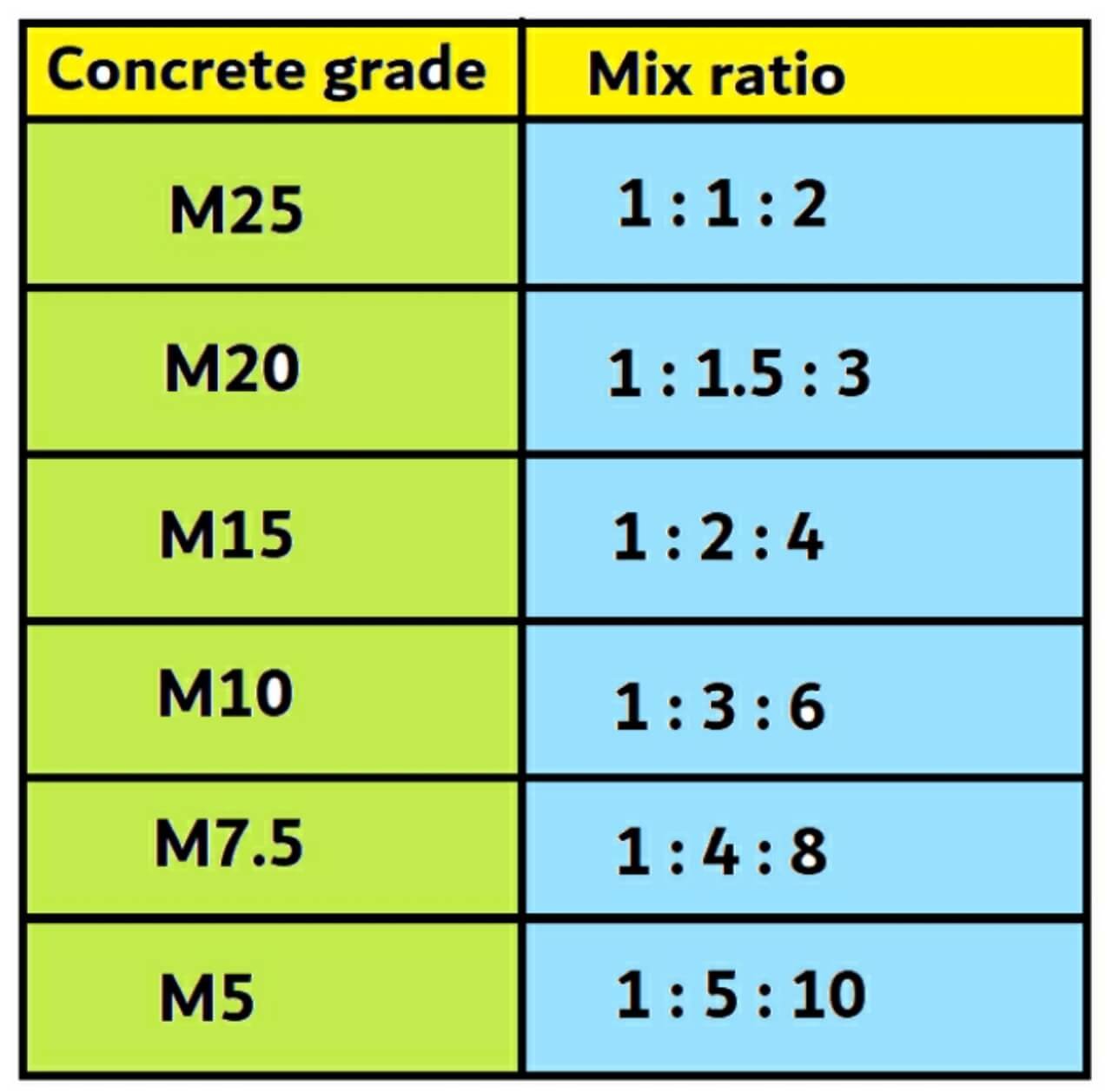
The 1 5 ratio refers to a specific measurement standard where one part of an ingredient is mixed with five parts of another. This can be particularly useful when you want to maintain flavor balance or achieve a desired texture in your cooking. For example, if you’re making a vinaigrette, you might use one part vinegar to five parts oil.
Using the 1 5 ratio is not just about cooking; it’s also important in baking, where precise measurements can mean the difference between a cake rising perfectly or collapsing. It’s great to have this chart on hand whether you’re a novice cook or an experienced chef.
How to Use the 1 5 Ratio Chart
Using the 1 5 Ratio Chart By Weight is straightforward, but it helps to know a few tips for effective implementation. Here’s how you can get started:
- Download and Print the Chart: First, find a reliable source for the 1 5 Ratio Chart By Weight. Many printable-resource websites offer downloadable PDFs that are easy to print. When printing, use a standard paper size like A4 or letter size for best results.
- Understanding Measurements: Familiarize yourself with the different weights listed in the chart. For instance, if you’re cooking a dish that requires 300 grams of one ingredient, you’ll need 1500 grams of the other ingredient according to the 1 5 ratio.
- Adjusting for Serving Sizes: If you need to adjust the recipe for more or fewer servings, simply scale up or down using the chart. This flexibility is one of the main benefits of having a ratio chart.
- Digital vs. Printed Use: Consider whether you want to fill in the chart digitally or by hand. If you’re using it in a busy kitchen, having a printed version can be beneficial, as you can write notes directly on it. On the other hand, if you prefer to keep everything digital, fillable PDFs can be a great option.
Practical Applications of the 1 5 Ratio
The beauty of the 1 5 Ratio Chart By Weight is its wide range of applications in everyday cooking. Here are a few scenarios where this chart can prove invaluable:
- Salad Dressings: When making dressings, the 1 5 ratio is often applied to oil and vinegar mixtures. This ensures a balanced flavor that’s neither too oily nor too tart.
- Marinades: Use the chart to create flavorful marinades for meats. A 1 5 ratio can help you achieve the right balance of acidity and fat.
- Sauces: Whether it’s a creamy sauce or a tomato-based sauce, understanding how to balance your ingredients can elevate your cooking.
- Baking: In baking, the 1 5 ratio can help with flour to liquid ratios, ensuring your baked goods have the right texture.
Tips for Using the Chart Effectively
Here are some additional tips to make the most out of your 1 5 Ratio Chart By Weight:
- Use a Kitchen Scale: For the most accurate measurements, invest in a good kitchen scale. This will help you measure ingredients precisely according to the chart.
- Keep the Chart Handy: Print multiple copies and keep them in different places—on your fridge, in your recipe binder, or in your cooking drawer—so you can easily reference it while cooking.
- Experiment and Adjust: Don’t be afraid to tweak the ratios slightly based on your taste preferences. The 1 5 ratio is a guideline, and sometimes a little adjustment can make a dish feel more personalized.
- Practice with Simple Recipes: Start with simple recipes that require fewer ingredients to get comfortable with using the ratio before moving on to more complex dishes.
By integrating the 1 5 Ratio Chart By Weight into your cooking routine, you’ll find that meal preparation becomes less stressful and more intuitive. You’ll be empowered to experiment with flavors and textures while ensuring your dishes maintain their intended balance.
With this chart, you’re not just following recipes; you’re learning to understand the science of cooking. So go ahead, print out that chart, and let it guide you to delicious meals that your family will love.
