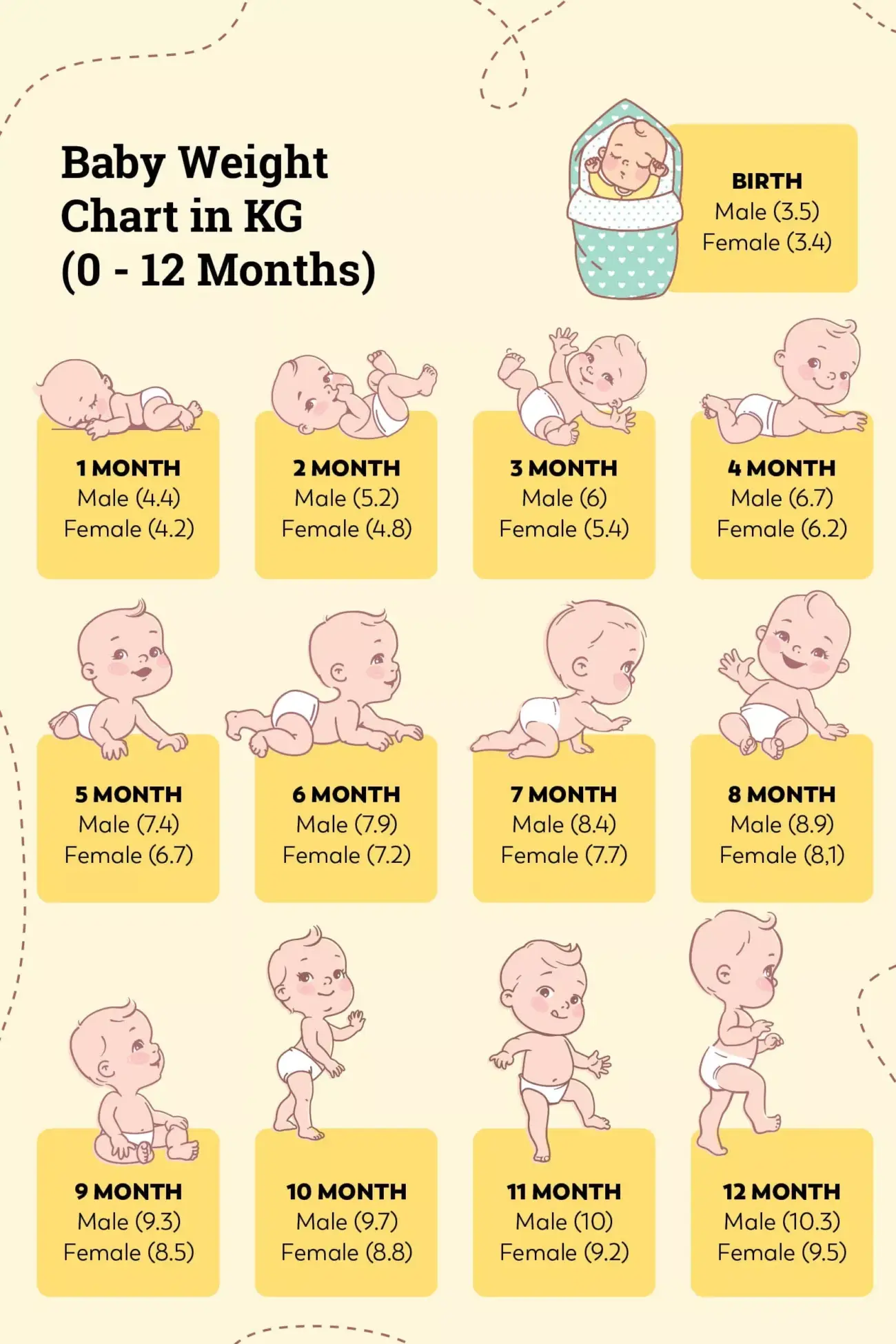
When it comes to tracking your baby’s growth, having a clear visual reference like a 0 12 Months Baby Weight Chart is incredibly beneficial. This chart provides an organized way to monitor weight gain, helping you ensure your little one is developing at a healthy rate during those crucial first months.
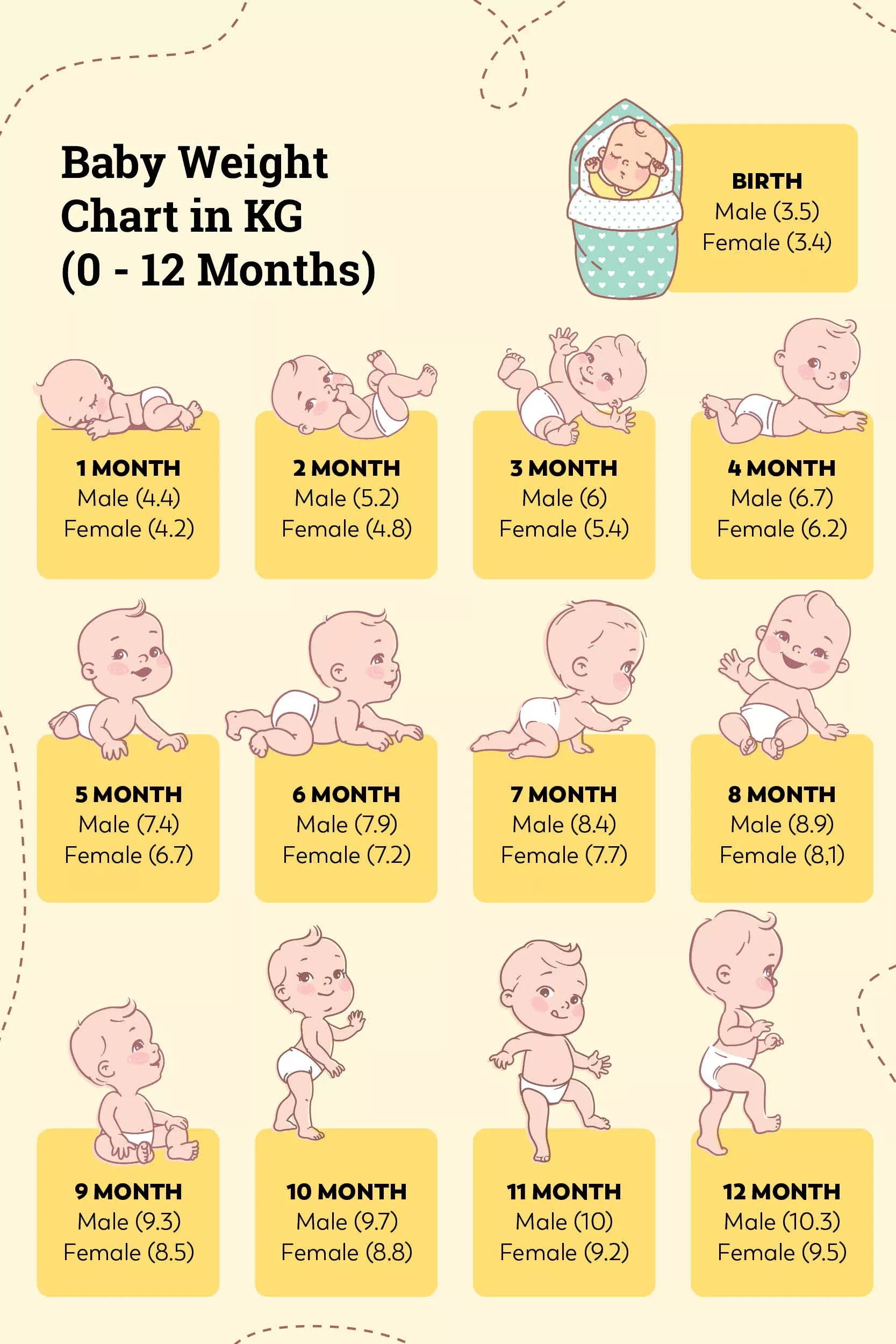
Understanding the 0 12 Months Baby Weight Chart
The 0 12 Months Baby Weight Chart typically includes weight percentiles for babies from birth up to their first birthday. This chart helps you see where your baby falls in relation to other babies of the same age and sex, giving you a quick visual representation of their growth trajectory.
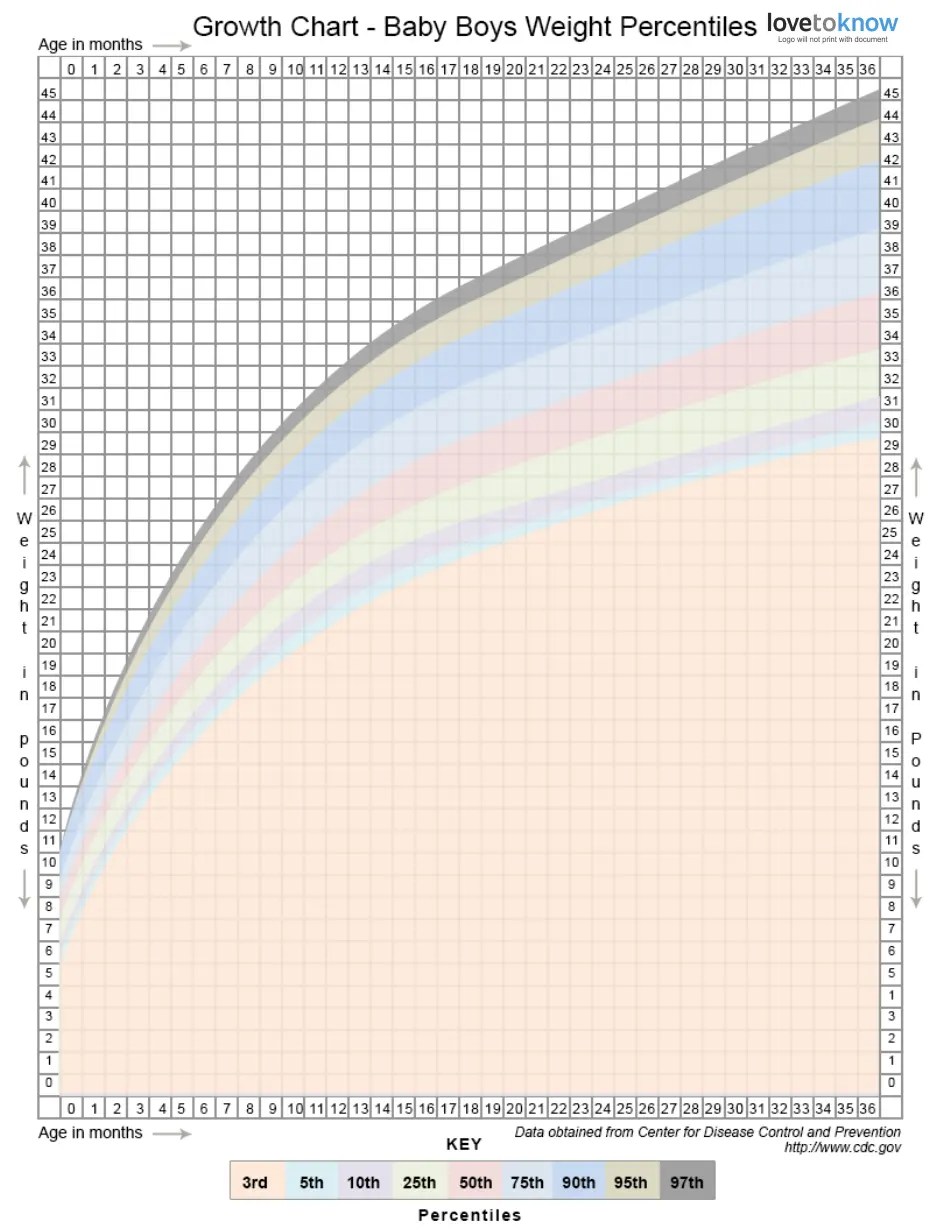
The chart is divided into percentiles, which indicate how your baby’s weight compares to other infants. For example, if your baby is in the 50th percentile, they weigh more than 50% of their peers. Understanding this can help you gauge whether your baby’s growth is on track.
How to Use the Weight Chart Effectively
Using the 0 12 Months Baby Weight Chart is straightforward, but it’s essential to approach it with a clear understanding of what it represents:
- Download and Print: Start by downloading the chart from a reliable source. You can print it on standard A4 or letter-sized paper for easy reference. Portrait layout is generally more suitable for charts, as it allows more room for detailed information.
- Weigh Your Baby Regularly: It’s recommended to weigh your baby monthly during their first year. You can do this at home if you have a baby scale, or visit your pediatrician’s office for accurate measurements.
- Record the Weight: As you weigh your baby, record their weight on the chart. Mark this against the appropriate age bracket. This visual representation will help you easily track changes over time.
- Analyze the Growth Trends: Look for patterns in your baby’s weight growth. If they consistently track along a particular percentile line, that’s a good sign. However, if there are significant deviations (either up or down), it may be worth discussing with your pediatrician.
- Contextualize the Data: Remember that the weight chart is just one tool in assessing your baby’s health. Factors like height, head circumference, and developmental milestones also play crucial roles in their overall growth.
Tips for Accurate Weighing
To get the most accurate weight measurement, consider the following tips:
- Use the Same Scale: Always weigh your baby on the same scale to maintain consistency. Different scales can give varying readings.
- Weigh at the Same Time: Try to weigh your baby at the same time of day, preferably in the morning before they eat. This can help reduce fluctuations due to feeding.
- Dress Lightly: For the most accurate reading, weigh your baby in a diaper or light clothing. Heavy clothing can add unnecessary weight.
What to Do If Your Baby’s Weight Is Outside the Norm
If you notice that your baby’s weight falls significantly below or above the average percentiles, it’s important to consult with your pediatrician. They can provide guidance on whether your baby’s growth pattern is healthy and suggest dietary or lifestyle changes if necessary.
Common Growth Patterns
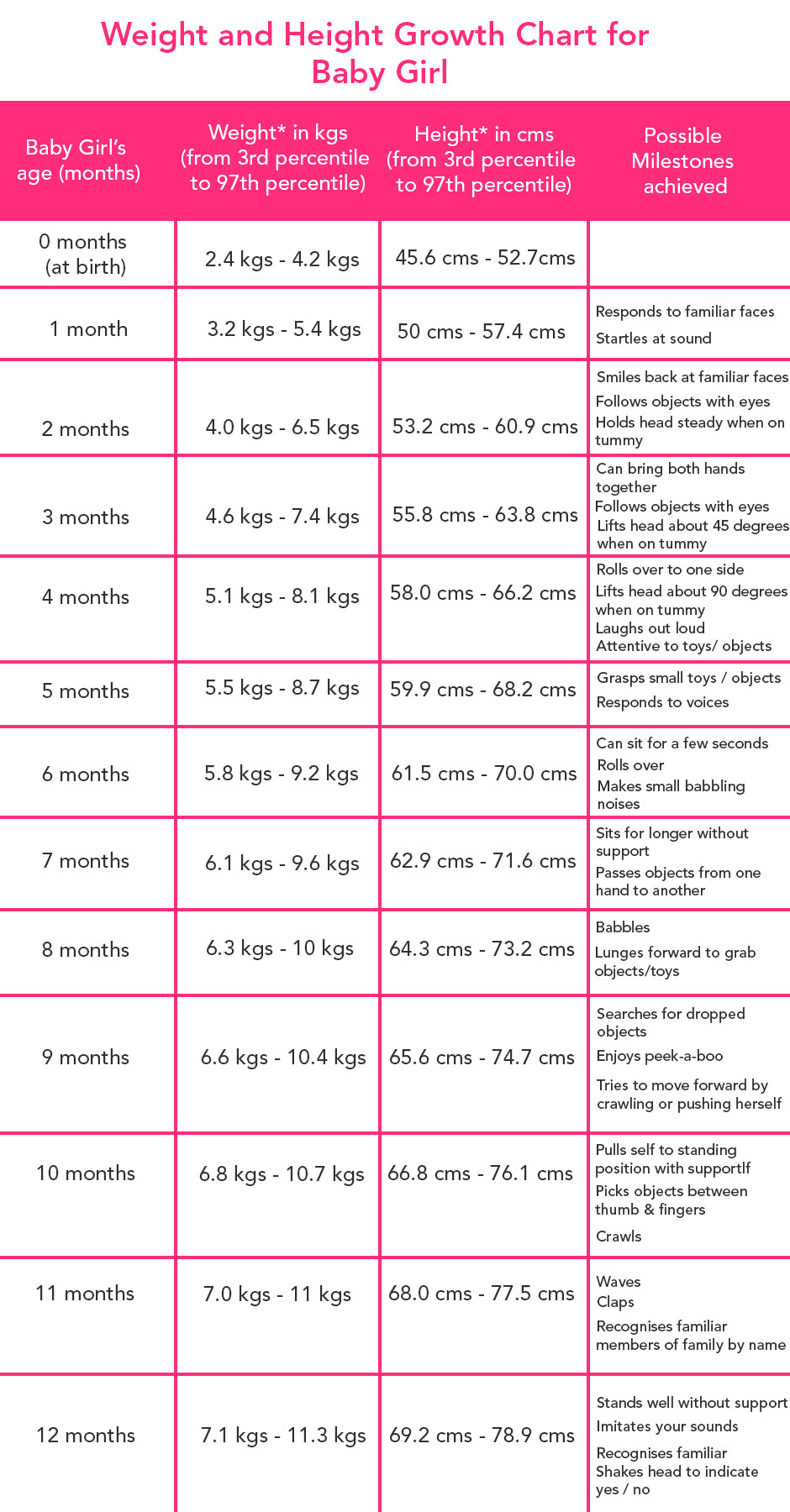
Each baby is unique, and growth patterns can vary widely. Some common scenarios include:
- Rapid Growth: Many babies experience quick weight gain in the first few months. This is normal and reflects their rapid development.
- Plateau in Weight: It’s not uncommon for babies to hit a plateau in weight gain. This usually happens around 4-6 months when they begin to crawl and become more active.
- Slower Gain: If a baby is gaining weight more slowly than others, it could be a sign to reevaluate their feeding schedule or nutrition intake.
Presentation Quality and Usage
When using your 0 12 Months Baby Weight Chart, consider how you present it. Printing on quality paper, such as cardstock, can help it last longer, especially if you plan to keep it for memory’s sake. If you want to preserve it further, consider laminating the chart. This way, you can use a dry-erase marker to record weights without damaging the original document.
For easy reference, you might want to hang the chart somewhere visible, like on the refrigerator or in your baby’s room. This way, you’ll be reminded to keep up with regular weigh-ins and can encourage family members to take part in monitoring your baby’s health.
As you engage with the 0 12 Months Baby Weight Chart, you’ll not only gain insights into your baby’s growth but also enjoy a tangible way to document their journey through infancy.
