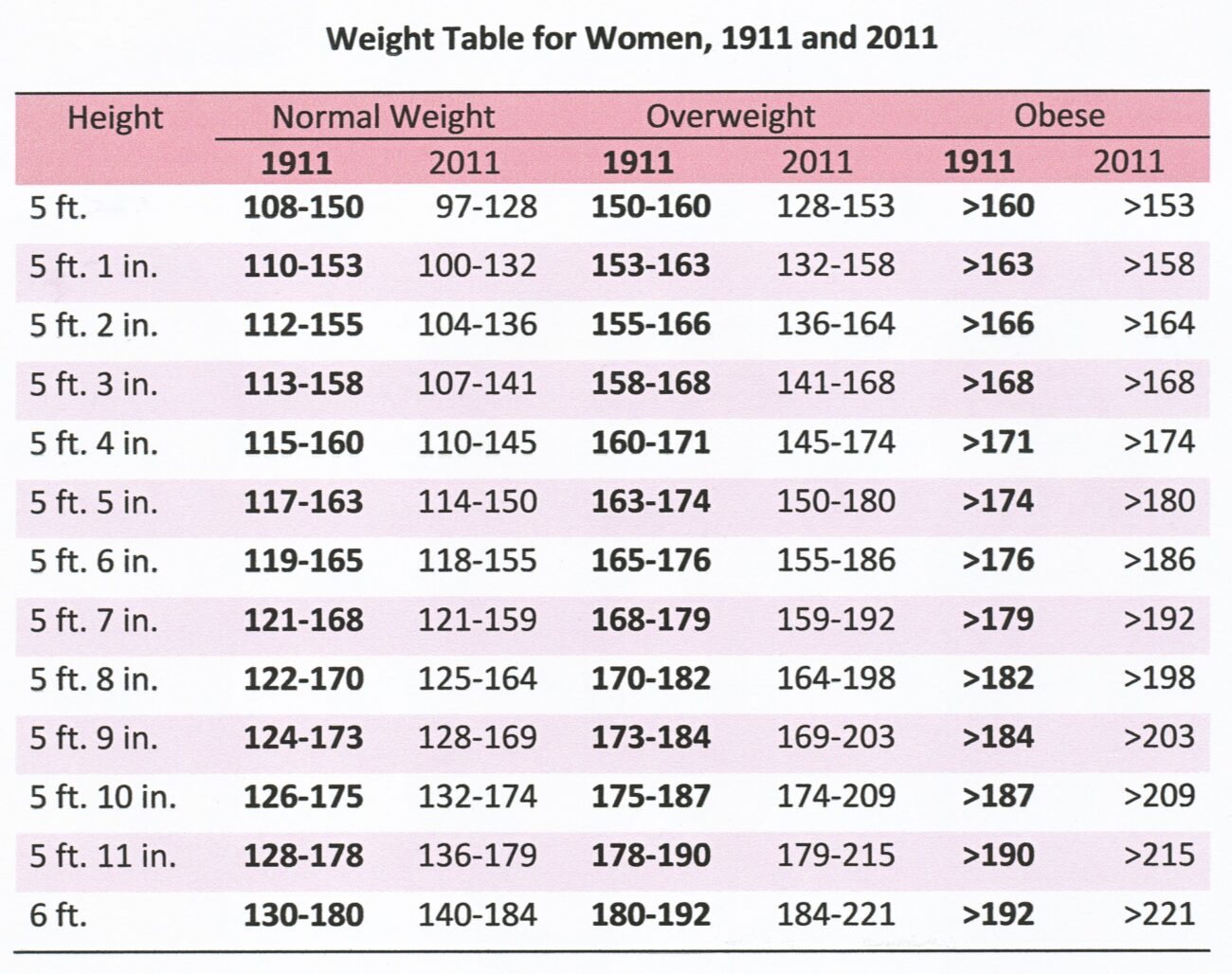
Understanding your weight can be a key factor in maintaining a healthy lifestyle, and that’s where the Women’s Normal Weight Chart comes into play. This chart provides a straightforward way to visualize and assess what a healthy weight range looks like for different heights and body types. It’s not just a number; it’s a tool to guide your wellness journey!
What is the Women’s Normal Weight Chart?
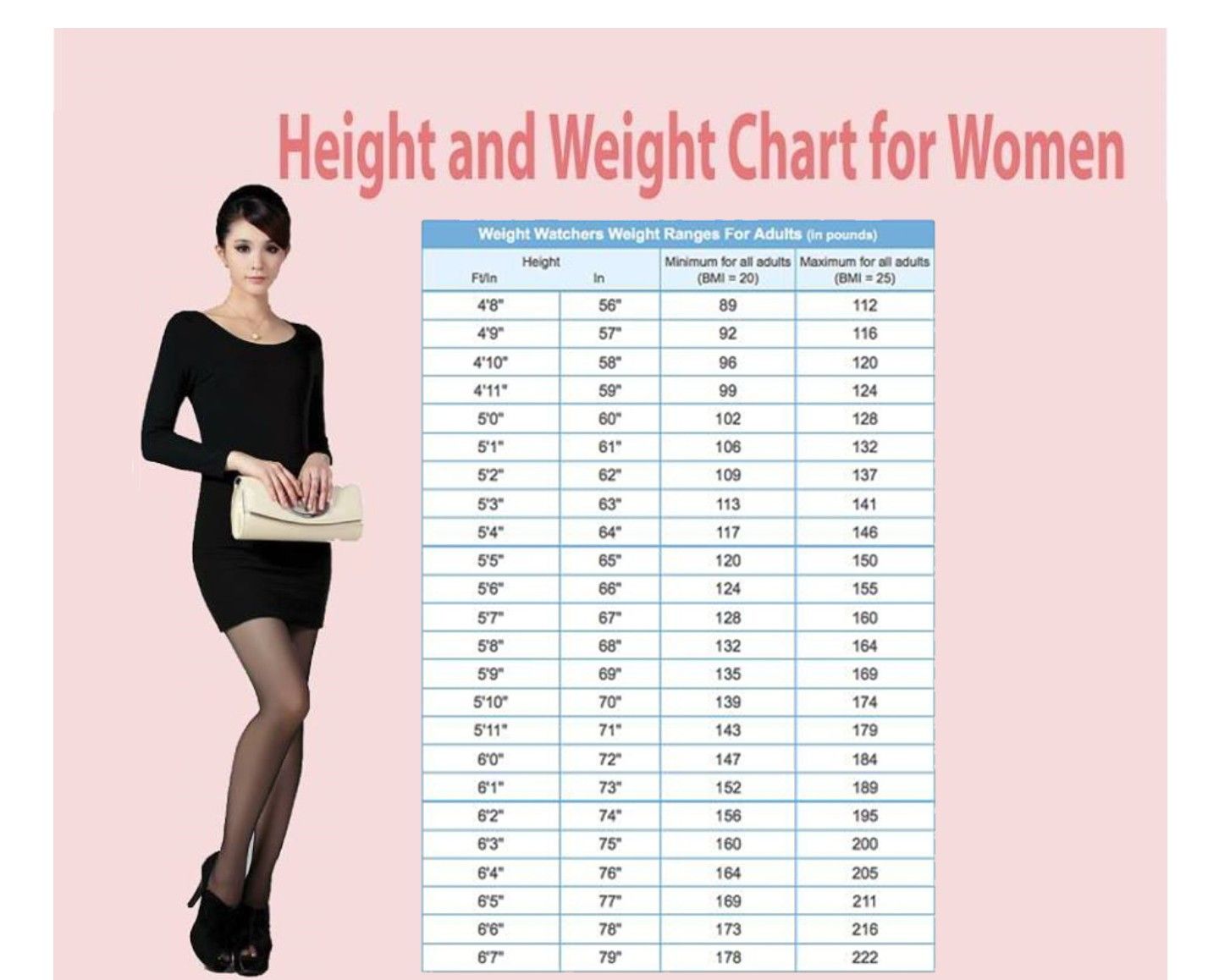
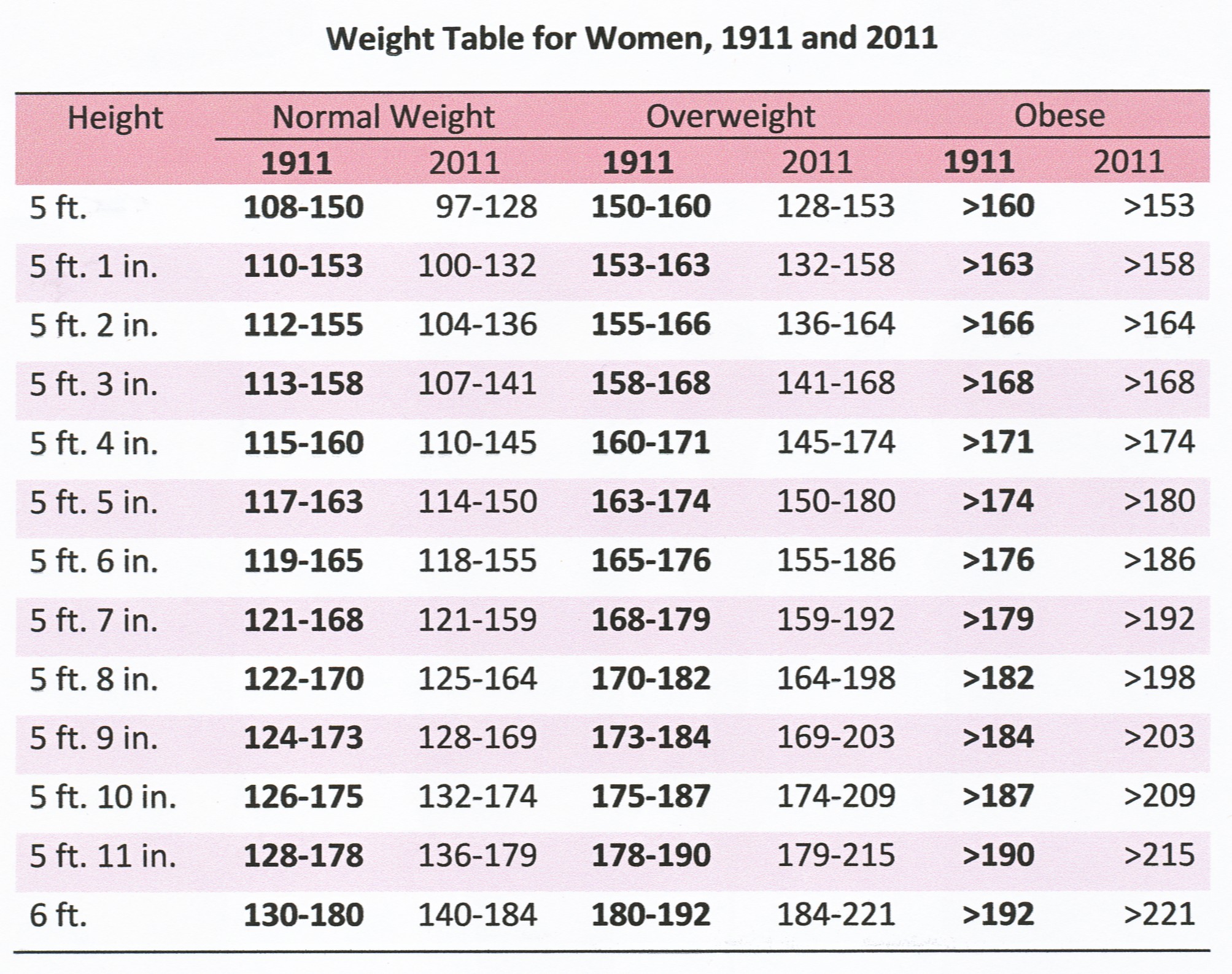
The Women’s Normal Weight Chart is a visual representation of weight ranges categorized by height. Typically organized in a table format, this chart makes it easy to find your ideal weight range based on your height. This is particularly useful for parents looking to educate their children about healthy weight management or for anyone aiming to monitor their own health.
When using the chart, you can quickly look up your height to find the corresponding weight range considered normal. This is often based on Body Mass Index (BMI) calculations, which help to categorize weight into various ranges from underweight to overweight.
How to Read the Women’s Normal Weight Chart
Reading the Women’s Normal Weight Chart is quite simple. Here’s how you can effectively utilize it:
- Find Your Height: Locate your height in the leftmost column. The heights are usually listed in inches or centimeters, so be sure to use the correct measurement that you’re comfortable with.
- Identify Your Weight Range: Once you find your height, look across the row to find the weight range that corresponds to it. This will typically display a range—for example, 125-145 pounds for a height of 5’5″.
- Understand the Categories: Many charts also include categories like “Underweight,” “Normal,” “Overweight,” and “Obese” next to the weight ranges. This helps you quickly see where you fall in terms of health standards.
- Consider Individual Factors: Remember that these charts provide a general guideline and may not account for factors such as muscle mass, bone density, and overall body composition. It’s always best to consult with a healthcare provider for personalized advice.
Practical Uses for the Women’s Normal Weight Chart
The Women’s Normal Weight Chart can fit into various routines, making it a versatile tool for health monitoring. Here are a few practical applications:
- Health Assessments: Use the chart during regular health check-ups to discuss weight goals with a healthcare professional.
- Educational Resources: Parents can use the chart to teach children about healthy weight ranges, setting the foundation for lifelong healthy habits.
- Fitness Goals: If you’re embarking on a fitness journey, this chart can help set realistic weight goals, making your progress measurable and clear.
If you’re using it as part of a weight loss or fitness plan, consider printing it out and placing it somewhere visible as a constant reminder of your objectives.
Common Mistakes When Using the Women’s Normal Weight Chart
While the Women’s Normal Weight Chart is a helpful resource, there are a few common pitfalls to avoid:
- Ignoring Individual Differences: Many people make the mistake of solely relying on the chart without considering personal factors such as muscle mass or health conditions. Body composition plays a significant role in overall health.
- Setting Unrealistic Goals: Some might aim for the lower end of the weight range without considering their body type, which can lead to unhealthy practices.
- Not Updating Regularly: As we age, our bodies change. It’s important to revisit the chart periodically, especially if you’ve experienced significant weight changes or lifestyle shifts.
Keep in mind that this chart is a guide, not an absolute rule. Be open to adjusting your understanding based on how your body feels and performs.
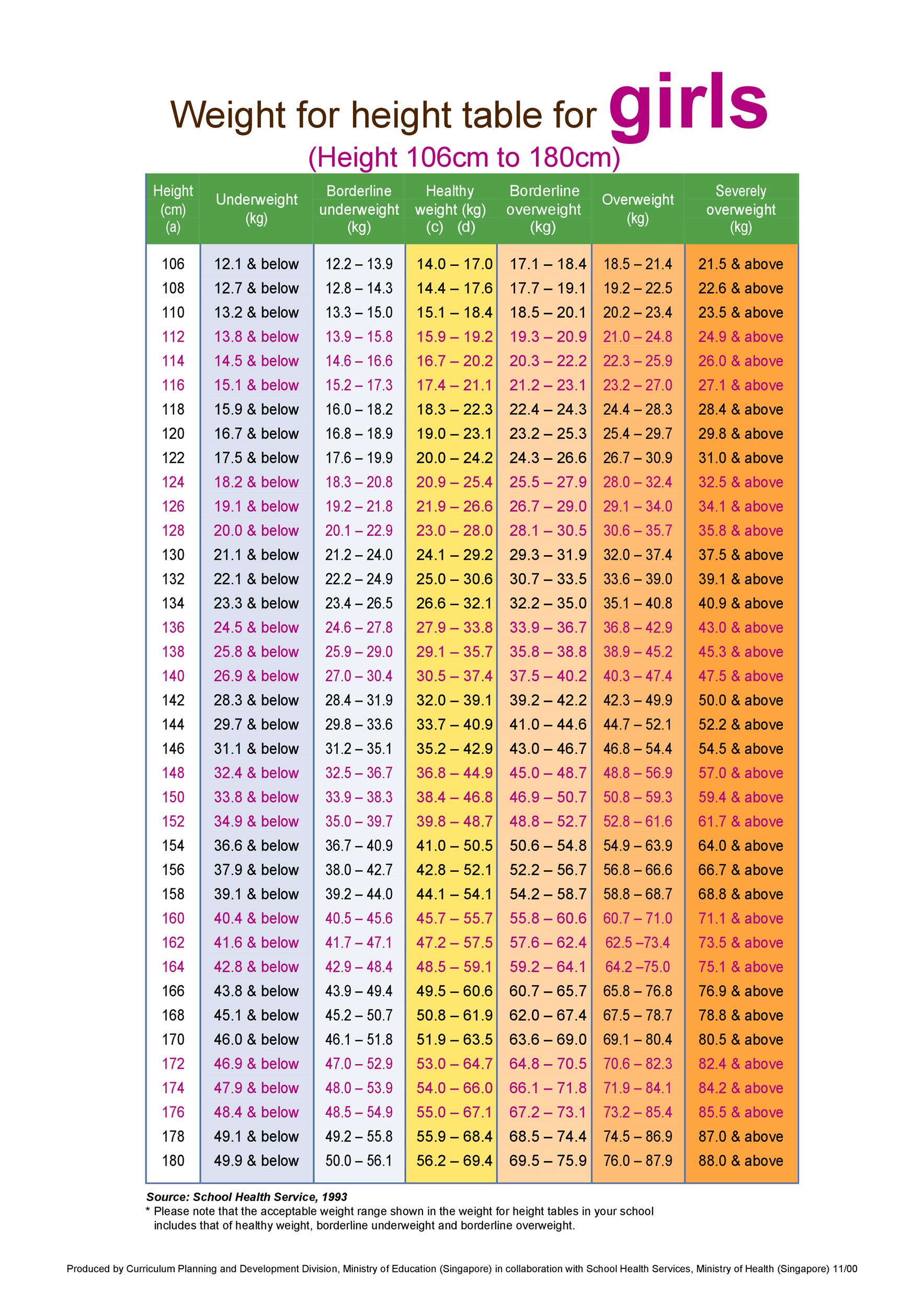
Where to Find and Use the Women’s Normal Weight Chart
You can easily find the Women’s Normal Weight Chart in printable formats on various health and wellness websites. Many of these resources offer free downloads, allowing you to print the chart at home. Here are a few tips for optimal use:
- Print in Color: If possible, print the chart in color for better visibility. Bright colors can help highlight the various weight categories.
- Use Cardstock: For durability, consider printing it on cardstock. This will help the chart withstand wear if you plan to keep it in a frequently used area, like your fridge or office.
- Laminating the Chart: If you want to use dry-erase markers to track changes over time, laminate the chart. This way, you can write and wipe off easily.
The Women’s Normal Weight Chart is a valuable tool for anyone looking to understand their health better. You can keep it handy as a reference point for discussions with your healthcare professional, a teaching resource for your children, or a motivational tool for your fitness journey. Whether you’re on the lookout for a printable version or interested in discussing your findings with a doctor, this chart is an essential addition to your wellness toolkit.
