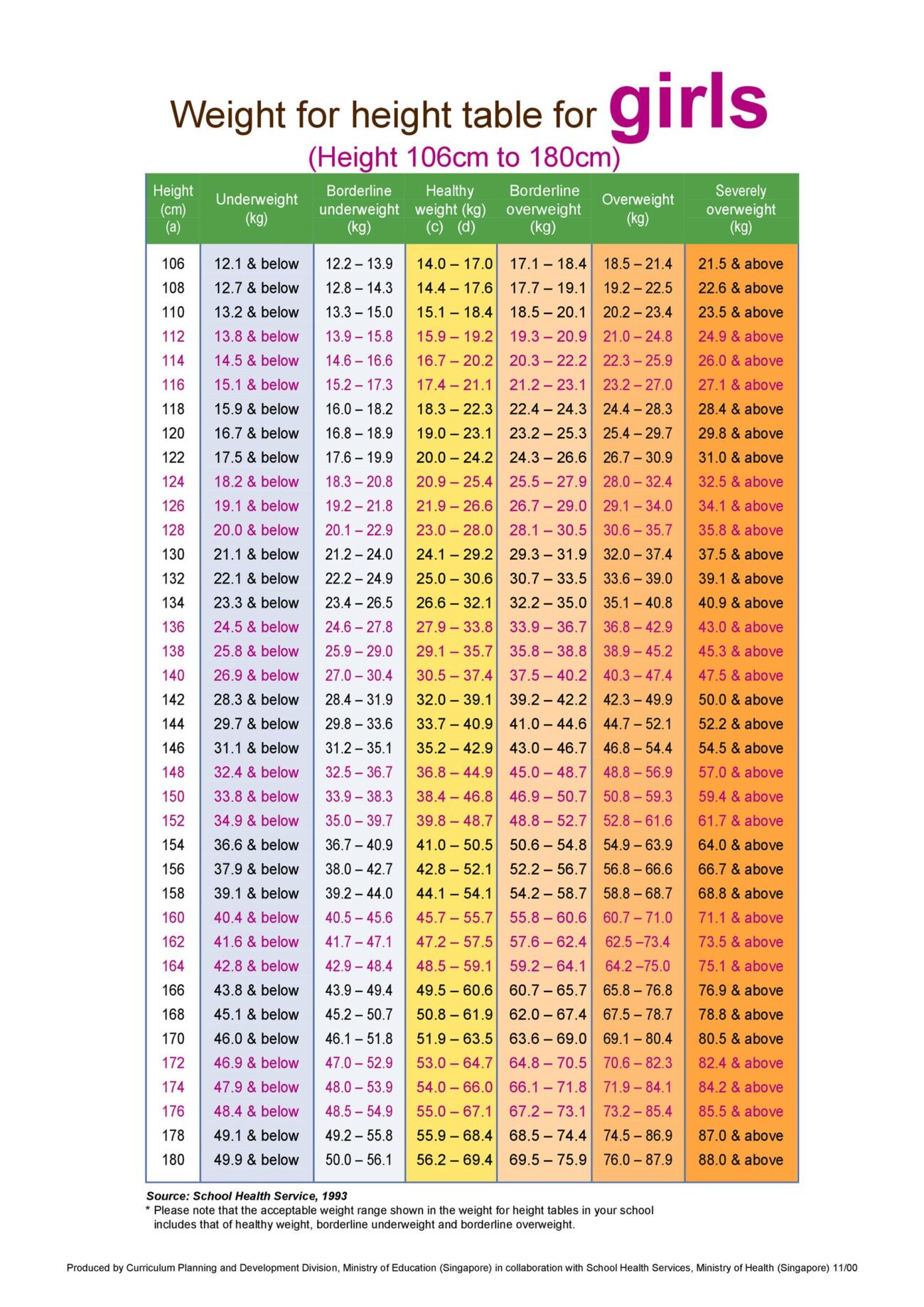
When it comes to managing your health, having a clear understanding of your ideal weight can be a useful option. This is where a Women’s Height To Weight Chart comes in handy. Unlike other charts you may have seen, this one is specifically tailored to help you gauge where you stand based on your height. It’s not just about numbers; it’s about creating a reference that can motivate you to make informed decisions regarding your health and fitness.
Understanding the Layout of the Chart
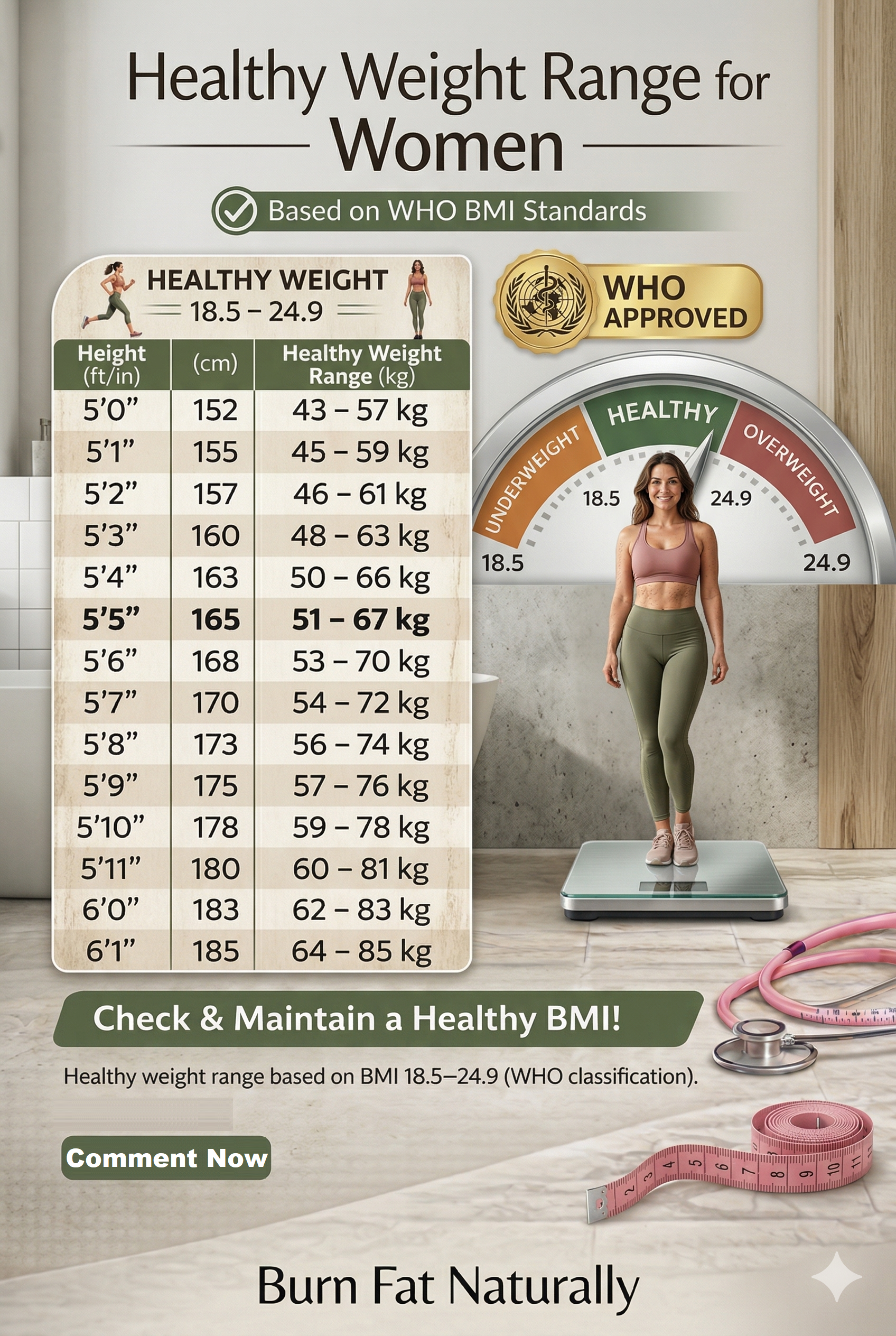
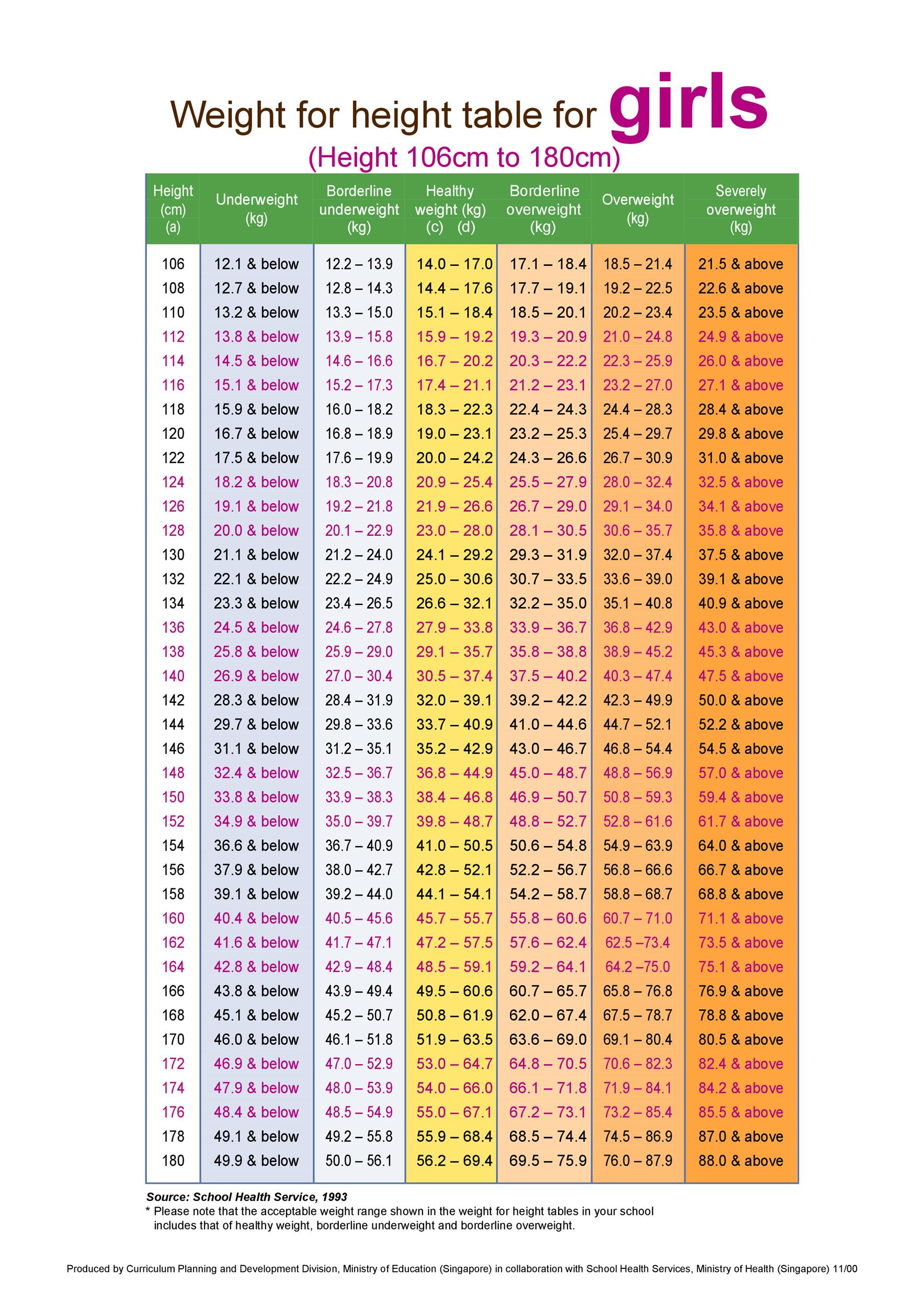
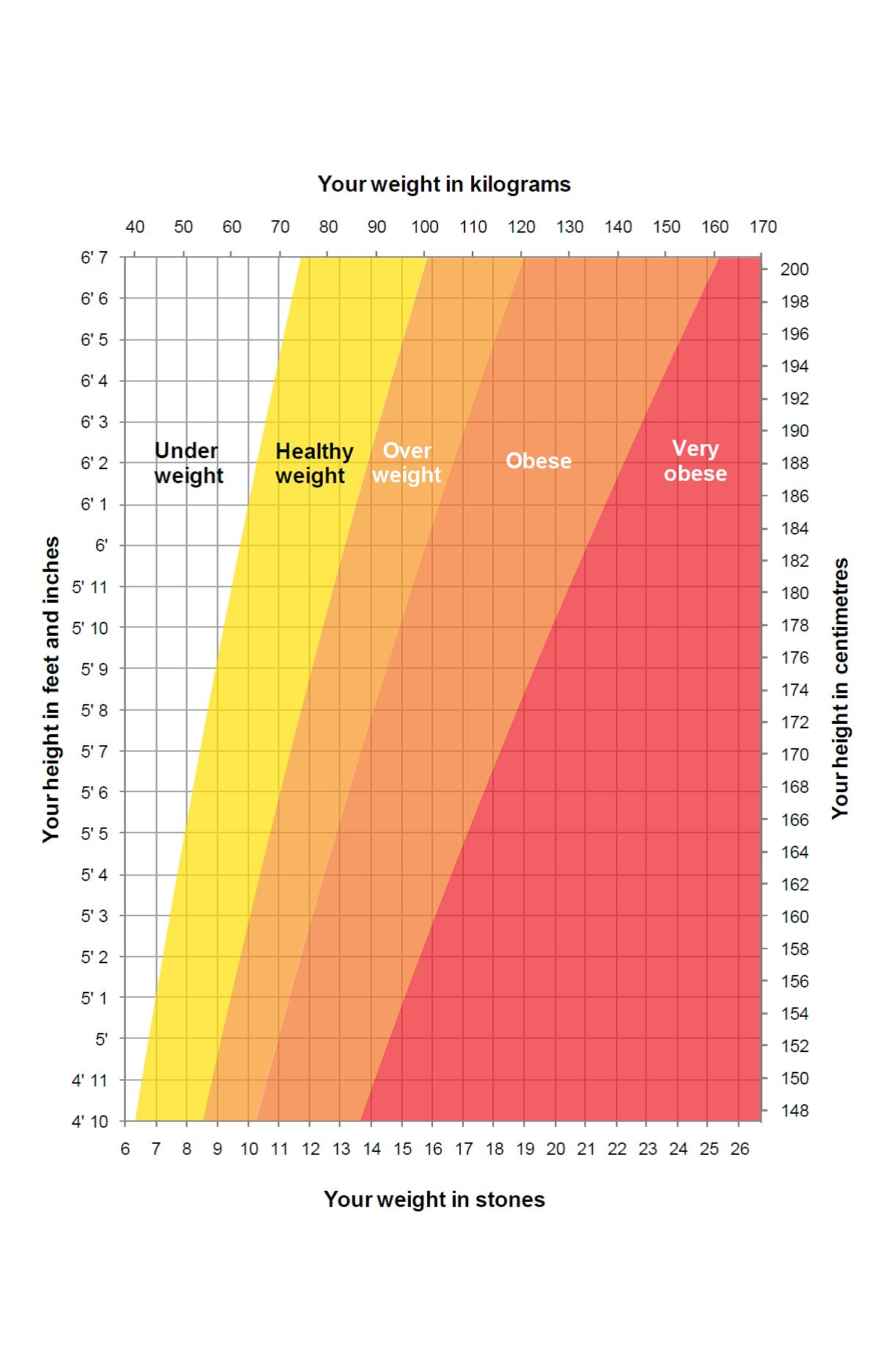
The Women’s Height To Weight Chart typically features a simple grid layout, making it user-friendly and easy to read. The left column lists various heights, usually ranging from 4’10” to 6’0″. The top row displays weight ranges that correspond to those heights. You’ll notice that the chart often includes categories like underweight, normal, overweight, and obese, which can provide context for where you might fit in.
When you look at the chart, you’ll want to find your height on the left side and then follow across to see the corresponding weight ranges. This visual representation makes it easy to scan for the information you need without getting lost in complicated data.
Filling in the Chart: Digital Vs. Print
One of the great features of this chart is that it can often be printed or used in a digital format. If you choose to print it out, consider using cardstock for durability — especially if you plan to reference it frequently. For digital use, a fillable PDF can offer the convenience of tracking your weight changes over time without needing to print multiple copies.
If you go for the printed version, you might want to keep a pen handy to write down your current weight next to your height. This way, you can easily see where you fall within the various weight categories. On the other hand, using a digital format allows you to easily update your weight as you progress toward your health goals. Plus, you can save it on your device and refer back to it anytime you need.
How to Use the Chart Effectively
Using the Women’s Height To Weight Chart can be a straightforward process, but there are a few nuances to keep in mind. First, this chart is best used as a guideline rather than a strict rule. Individual factors such as muscle mass, bone density, and overall body composition can affect what a healthy weight looks like for you.
When you reference the chart, take note of the ranges provided. If you find yourself at the higher end of the “normal” weight category, it may be worth considering your lifestyle habits. Are you active? Do you eat a balanced diet? These factors can influence your overall health more than a single number on a chart.
Make it a part of your routine to check in with the chart periodically—perhaps once a month. This can help you stay accountable and motivated without becoming overly fixated on weight alone.
Additional Resources for Tracking Your Health
While the Women’s Height To Weight Chart is a valuable tool, it’s just one piece of the puzzle. You might find it beneficial to pair this chart with other printable resources. For instance, a fitness planner can help you log your workouts, while a meal planner can assist in tracking your food intake.
Incorporating a variety of resources can provide a more holistic view of your health. For example, using a calendar to mark your progress can visually demonstrate how far you’ve come. You might also consider worksheets that focus on goal-setting, which can keep you motivated and focused.
The Importance of Context in Weight Management
It’s essential to remember that weight is just one aspect of your health. The Women’s Height To Weight Chart can provide a snapshot, but understanding your body and health goes beyond the numbers. Factors like stress, sleep, and mental health play significant roles in your overall wellbeing.
Use the chart as a starting point for a conversation with your healthcare provider. They can provide insights tailored specifically to you, considering any medical conditions or lifestyle factors that may influence your ideal weight.
And remember, health is a journey, not a destination. Embrace the process, celebrate your successes, and be kind to yourself along the way.
The single most useful detail to keep in mind is that while this chart is a helpful reference, it should be used as part of a broader approach to health that includes physical activity, nutrition, and self-care.
